

Golf off-season training is where handicaps quietly improve
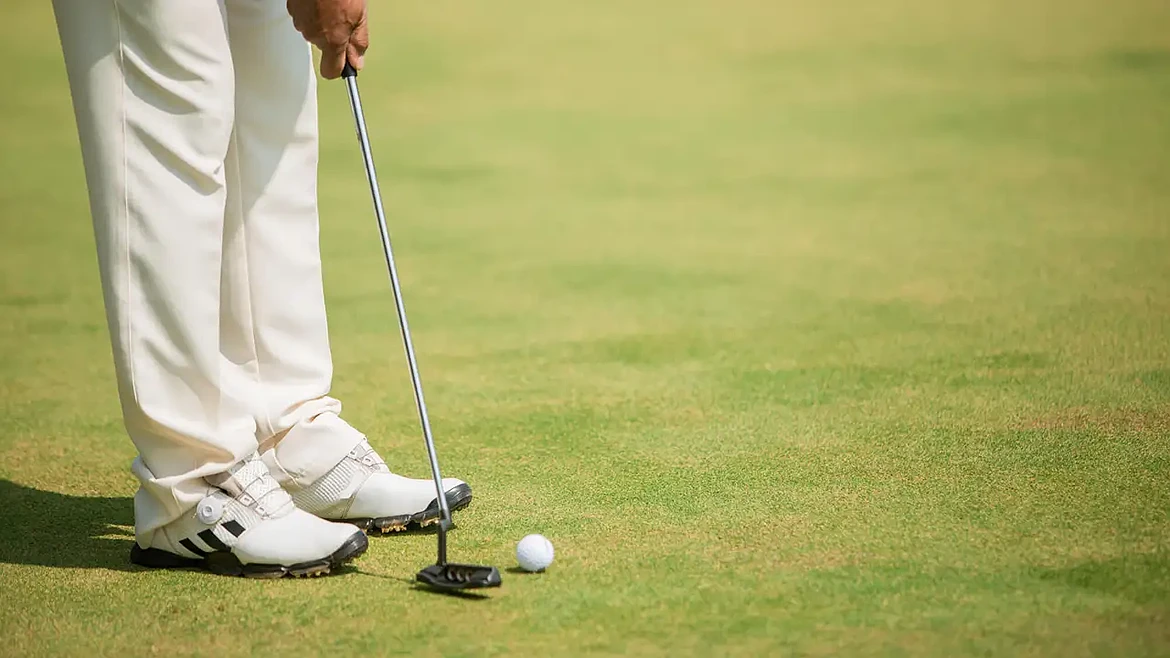
Golfers who use the off-season to work on swing mechanics, distance control, short game skills, and physical conditioning return to the course better prepared. The quieter months offer time to fix weaknesses and build consistency without the pressure of a competitive round.
What if the best time to lower your handicap is when you're not playing a single round?
Winter creates an opportunity to slow things down and examine the parts of your game that cost you strokes. Instead of chasing the next score, golf off-season training helps you improve your technique and build better habits before the first tee time of spring.
Work on Swing Mechanics
The offseason is a good time to deal with the swing issues that kept showing up during the season. A slice, inconsistent contact, or poor ball flight might have been manageable enough to keep playing, but ignoring it doesn't make it disappear.
With fewer rounds on the calendar, there's more freedom to slow things down and pay attention to what happens during the swing. Work on one change at a time, repeat it often, and give the movement time to become familiar.
Indoor golf practice also makes it easier to record swings and compare them over several sessions, giving you a clearer picture of whether a change is actually sticking.
How Can Strength Training Improve Your Golf Swing?
A better golf swing isn't only about what happens when the club moves. Strength, mobility, and balance all affect how well a golfer controls the body through the swing and maintains posture from setup to follow-through.
A simple offseason routine might include:
- Core work: Build stability through the torso during rotation
- Hip mobility: Improve the range of motion needed for a full turn
- Leg strength: Support balance and control throughout the swing
- Shoulder mobility: Allow a fuller backswing without forcing the movement
- Balance drills: Improve control during weight transfer
Golf-specific fitness doesn't require spending hours in a gym. Consistent work on a few relevant areas prepares your body for the demands of the swing.
Sharpen Your Short Game
The short game deserves practice because small mistakes around the green add up quickly. Winter practice provides more room to work on touch and consistency without rushing through a few chips before the next tee time.
Spend focused sessions on:
- Chipping: Control contact and landing points from different lies
- Pitching: Practice higher shots that require more carry
- Bunker shots: Develop a reliable technique for getting out in one
- Short putts: Build confidence inside a few feet
- Distance control: Learn how different swings affect how far the ball travels
A few extra sessions around the green can turn missed opportunities into easier up-and-downs when the season returns.
Improve Putting and Distance Control
Putting doesn't require a full golf course. The offseason is a good time to work on pace, starting the ball on your intended line, and developing a better feel for different distances.
Spend some time on:
- Pace: Roll putts to different distances without worrying about the hole
- Starting line: Focus on starting the ball where you intend
- Green reading: Practice judging breaks from different angles
- Lag putting: Reduce the number of long putts left well outside tap-in range
- Short putts: Build a repeatable stroke from inside a few feet
Good pace also takes some pressure off the next putt, especially from longer distances.
Practice With a Clear Plan
Winter practice works best when every session has a purpose. Hitting a bucket of balls for an hour feels productive, but it doesn't tell you whether you're fixing the problem that cost you strokes during the season.
Start with one or two areas that need some work and build your sessions around them. Lessons provide an outside perspective when you're unsure what to work on.
Does a Golf Simulator Really Help Your Game?
A golf simulator setup becomes useful when you use it for more than playing virtual rounds. Launch data gives you a clearer picture of ball speed, carry distance, launch angle, spin, and other details that are difficult to judge with the naked eye.
Indoor practice makes weather a non-issue, giving you a consistent place to work on the same shot repeatedly. A quality golf simulator screen completes the setup by creating a practical hitting environment at home.
With the simulator data, it's easy to show whether you're getting closer to it.
Frequently Asked Questions
When Should Golfers Start Offseason Training?
There's no need to wait until the weather turns cold. Starting soon after the season ends gives golfers more time to work on weaknesses, build strength, and settle into new swing changes before spring.
Should You Change Your Golf Swing During the Offseason?
The offseason is a better time for major swing changes because there's less pressure to produce a score every weekend. Changes still need repetition, though, and golfers should give themselves enough time to see whether a new movement actually improves their ball striking.
How Often Should You Practice During the Offseason?
Consistency matters more than marathon sessions. A golfer who practices for 30 to 60 minutes several times a week has more opportunity to build a habit than someone who hits hundreds of balls in one long session and then puts the clubs away for two weeks.
Can Indoor Practice Replace Playing on a Course?
Indoor practice is useful for swing work, distance control, and ball striking, but it doesn't reproduce every situation found outdoors. Uneven lies, changing wind, rough, bunkers, and the pressure of an actual round still require time on the course.
Golf Off-Season Training Sets Up the Next Season
Golf off-season training gives you time to work on the parts of your game that are easy to neglect during the regular season. Swing mechanics, strength, short game work, putting, and purposeful practice have more room when there's no weekend score to chase. The work you put in during the off-season gives you something to build on when you return to the course in spring.
Looking for more ways to make the most of your time off the course? Explore our website for the latest sports news!
This article was prepared by an independent contributor which helps us continue delivering quality content to our audiences.