

OPINION: Talking with doubtful voters
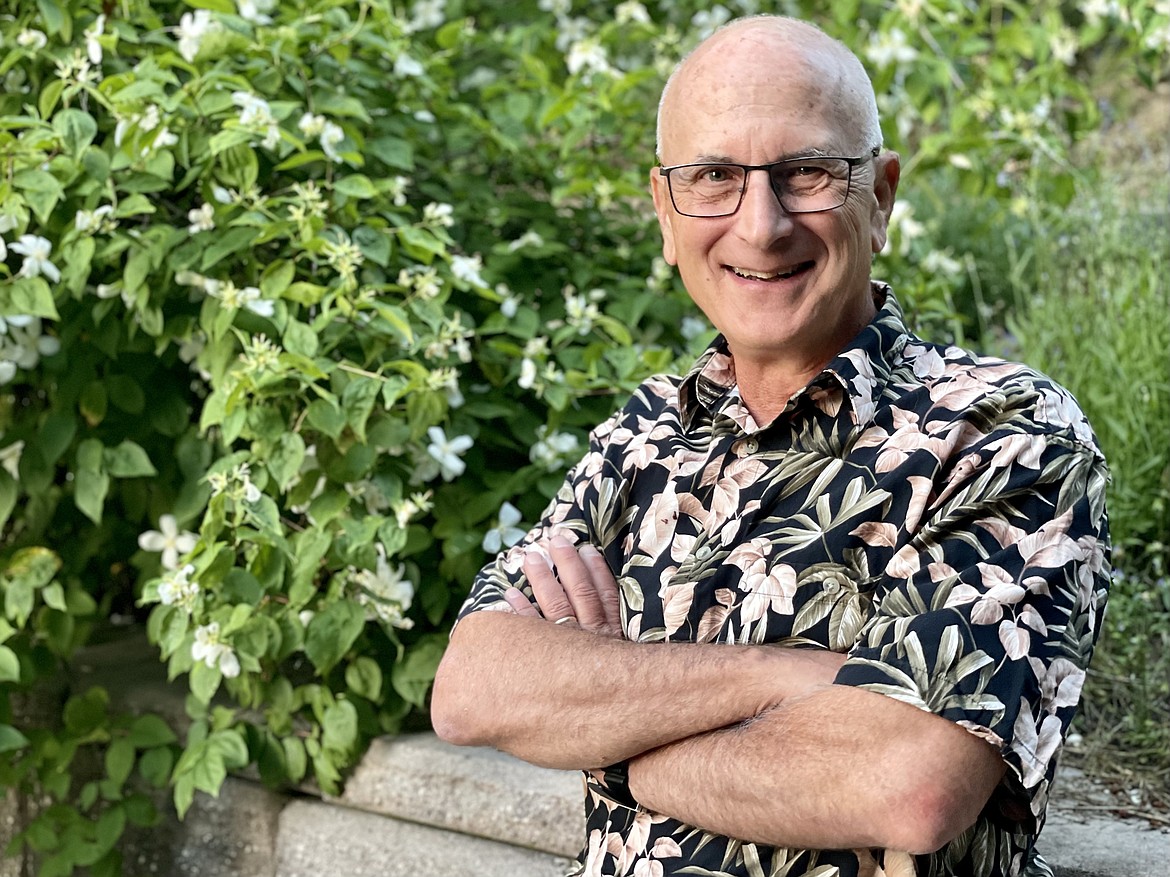
Evan Koch
Voters across the spectrum are tired of conflict, rising costs and the feeling that our local institutions are slipping away from the people they are meant to serve.
It’s easy to feel powerless in a local political climate that is dominated by one rigid extreme. But history offers us a grounded, and surprisingly modern method for how to bridge the divide.
In 1840, Abraham Lincoln wrote a letter outlining a strategy for community-level organizing that remains remarkably insightful today:
"Keep a constant watch on the doubtful voters, and from time to time have them talked to by those in whom they have the most confidence."
Lincoln wasn't talking about grand speeches or partisan shouting. He was talking about relational organizing. Relational organizing simply means doing the quiet work of building trust through genuine human connection. Minds are rarely changed by advertisements or social media posts. Minds are changed in quiet, honest conversations between people who already know and respect one another.
Lincoln’s emphasis was on the those who deliver the message: people in whom voters have “confidence.”
It begins not by lecturing, but by listening. When you interact with friends, coworkers, church members or neighbors, especially those who feel disillusioned or checked out of politics altogether, start with curiosity.
Ask simple, open-ended questions: "What is the most important issue facing your family right now?” "What do you wish our local elected officials were focusing on instead?"
Then, simply listen.
When you listen without interjecting or debating, you find that beneath all the noise, most people want the exact same things: affordable living, safe neighborhoods, well-managed tax dollars, cost effective healthcare and adequately funded public schools. These concerns cross party lines. And they form the foundation for real collective action.
In Kootenai County, we’ve watched one faction undermine community institutions like North Idaho College and our local library network. Undoing that damage won't happen overnight, and no single political party can do it alone. To reclaim our county requires an unlikely coalition of Independents, Republicans and Democrats coming together around shared values rather than partisan labels.
A little bit of relational organizing will go a long way. The number of votes needed to tilt a local election or shift the culture of a legislative district is often surprisingly small.
Engagement from folks on both sides of the aisle, and from the middle, keeps a democracy healthy and accountable.
With the November election just around the corner, time is of the essence. When a volunteer knocks on your door or calls your phone, take a moment to engage with them. Be brave enough to reach out beyond your political comfort zone. Talk to your neighbors.
When we replace political noise with authentic conversations, we don't just win elections. We rebuild our community from the ground up.
Let’s get to work... together.
• • •
Evan Koch is chairman of the Kootenai County Democrats.