

OPINION: Peter Erbland — A good man
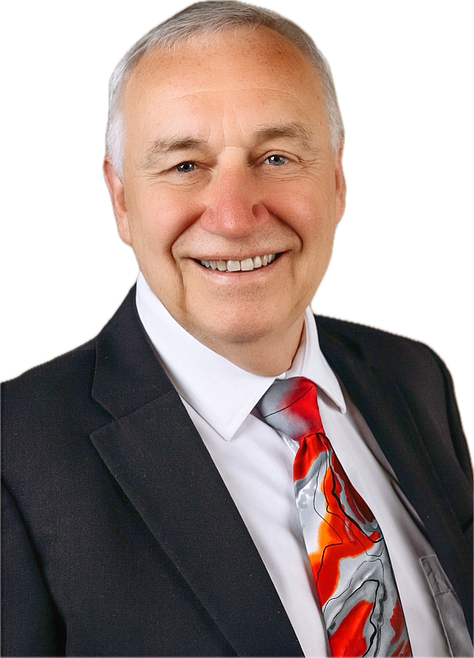
Peter Erbland
Some people enter a room and make sure you know they are there.
Peter Erbland was not one of those people. Peter didn’t need to be the loudest voice in the room. He didn’t need the last word. He didn’t seem particularly interested in getting credit. Instead, he listened. And when he finally spoke, people tended to pay attention.
Our community lost Peter almost two weeks ago, and those of us fortunate enough to call him a friend are discovering just how difficult it is to describe the space he leaves behind.
Words keep coming up again and again: Integrity. Wisdom. Kindness. Humility. Gentleman. But perhaps the word that describes him best is listener.
Peter was a highly accomplished attorney and litigator who spent decades serving North Idaho. He represented public entities large and small and was known for exceptional mediation skills. Yet when people talk about Peter, his legal accomplishments are rarely where the stories end. They talk about how he made people feel.
Lora Whalen remembers “a truly kind soul who always made you feel that your words mattered.”
Christa Hazel remembers Peter as calm, patient and thoughtful, someone who helped navigate difficult community issues with grace and humility.
Russell Mann remembers Peter’s relentless commitment to truth. When Russell was writing a column, Peter would call and carefully walk him through what could actually be proven by evidence and what could not. Russell says he still finds himself asking, “What would Peter say about this?”
That sounds exactly like Peter who we all came to know, respect, and love.
He told you what you needed to hear, not necessarily what you wanted to hear, but somehow managed to do it without diminishing you in the process. That is a rare gift.
So was his ability to disagree without making disagreement personal. Peter understood something we desperately need to relearn: listening to another person does not require surrendering your principles. Treating someone with dignity does not mean agreeing with them.
In his own letter to voters when running for precinct committeeman, Peter wrote that voters had a responsibility to think critically rather than simply accept the recommendations of others. He believed the most important quality in a local candidate was the ability to listen and truly hear constituents. Peter practiced what he preached.
Lisa Aitken remembers that Peter never chose a side simply because it was popular or expected. He listened, thought carefully, and then voted his conscience. Even when others disagreed with him, they respected the way he arrived at his decisions.
He helped found North Idaho Republicans because he wanted to restore civility, honesty and integrity to local politics. Eventually he ran for precinct committeeman himself, reasoning, “If not me, then who?” He wasn’t inclined to ask others to do something he was unwilling to do himself.
Yet some of the best stories about a person have nothing to do with politics or professional accomplishments.
Longtime friend and colleague Bob Burton recalled a relationship Peter had with some elderly friends. When the husband became seriously ill, he asked Peter to look after his wife after he died. Peter promised he would. And he did. For years Peter visited her, took her to church and included her in outings. There was no obligation. No recognition. Just a promise made by one human being to another. A promise that was kept. That story may tell us more about Peter Erbland than any list of awards or achievements ever could.
But Peter wasn’t always the serious lawyer, mediator or voice of reason in the room. He knew how to have fun, too.
Maggie Lyons remembers annual backcountry powder-skiing trips where Peter’s shouts of joy let everyone know when the powder was especially good. On one trip, he tumbled into a deep tree well and disappeared from view. Getting him out took rope, manpower and plenty of effort.
Peter laughed through the entire rescue. What a perfect mental image of him; steady and thoughtful in one setting, joyfully hollering his way down a mountain in another.
And that makes what came later even more poignant.
Even as his own health declined far too quickly, Peter continued working, helping, mediating and spending meaningful time with his family. He chose hope. He kept the focus on others. And near the end of his life, he spoke peacefully of looking forward to the “next great adventure.”
Peter’s faith wasn’t something he simply talked about. His friends Deb and Luke Russell described it beautifully as “faith in motion.” He lived it. Do justice. Love kindness. Walk humbly with God. Peter managed all three.
Too often, leadership is confused with power, position, attention, or the ability to dominate a conversation. Peter offered us a different model. He listened before he spoke. He told the truth without stripping anyone of their dignity. He kept his promises. He stood firmly in his convictions without becoming hard toward people who saw things differently. And when something needed doing, he was willing to step forward himself.
“If not me, then who?”
That was Peter. Not loud. Not self-important. Not interested in being the center of attention. Just steady. Wise. Kind. Faithful.
The kind of man whose influence is easiest to recognize after he is gone, when you suddenly realize how often he was the one bringing reason to the room, grace to a disagreement, or quiet encouragement to a friend.
Peter Erbland leaves behind a wife, children, grandchildren, friends, colleagues, and a community that is better because he was part of it.
We lost a good one. More than that, we lost a good man.
Peter made his community better not by demanding attention, but by giving his attention to others. That is a legacy worth remembering.
Rest well, friend.
Until we meet again.