
Hurricane-Proof Your Home: Ultimate Guide to Safety
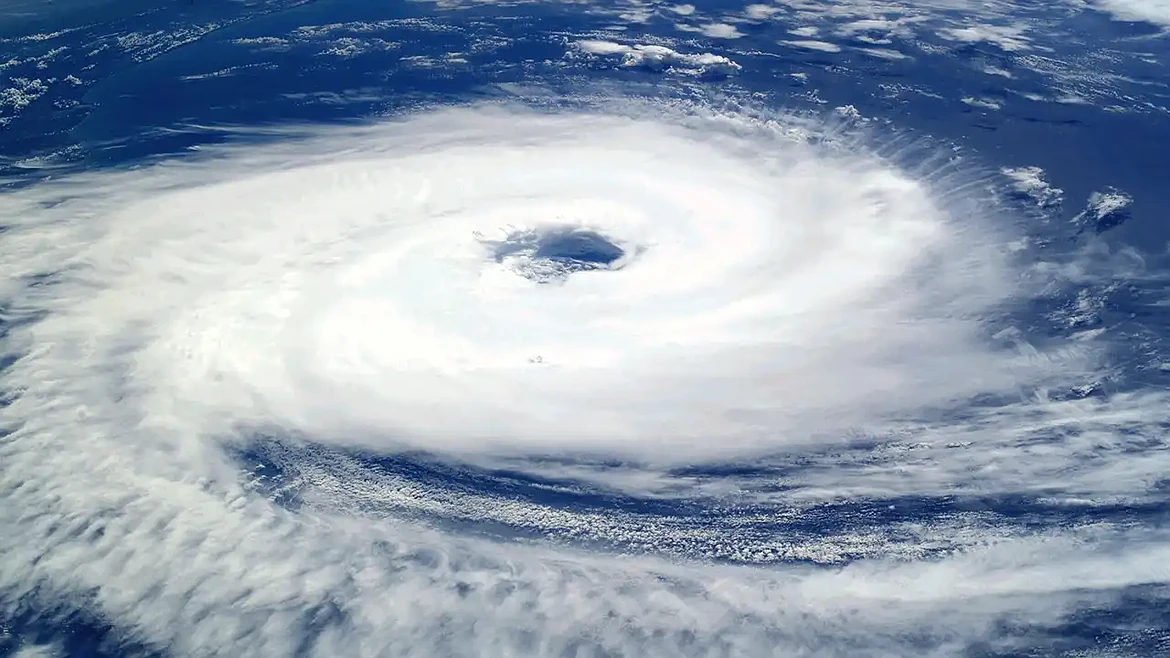
Hurricane-proofing your home by making structural changes and installing high-durability windows and doors can help minimize damage to your home during a weather disaster.
Hurricanes have caused more than $1.5 trillion in damage since 1980, making them the most damaging type of weather and climate disaster in the United States. Taking steps to hurricane-proof your home can be well worth it if you live in an area that's vulnerable to tropical storms.
In this ultimate guide to safety, we'll tell you more about how to hurricane-proof your house.
Is There a Way to Hurricane-Proof Your House?
While there's no way to guarantee that your home will be 100% hurricane-proof, there are ways to minimize the risk of damage. Making significant structural changes to your home can make it more secure and give it the strength it needs to withstand high winds and hurricane activity.
It's best to build a home with high durability in mind from the very beginning if you want it to be protected against hurricanes. However, there are some things you can do to strengthen an existing home and make it more secure.
For a New Construction
For a new construction, creating an elevated foundation that is anchored well is one strategy that can be beneficial and can help protect it from water damage and flooding. Using strong disaster-proof materials such as steel and reinforced concrete in the structure of the home can also provide a home with more durability and much better protection against damage.
For Existing Homes
For both new and existing homes, reinforcing a roof with hurricane straps or clips can be well worth it. Additionally, consider ensuring that other components of your home are made with durable materials if you want to reduce hurricane risk.
Caulking and sealing windows and doors is also essential for providing the most protection possible. It can also be useful to install storm shutters on windows and doors and to replace existing windows or doors made of glass with higher durability options that are impact-resistant. Consider reaching out to a local window and door company in Englewood, FL, if you need help with a new window installation.
How Safe Is a Hurricane-Proof House?
There's no such thing as a home that is completely safe from hurricanes. However, taking action and making significant changes to your home in preparation for hurricanes can help to prevent and minimize damage from major storms and can go a long way towards providing protection.
Despite this, strong storms can still cause significant damage. It's important to take all necessary precautions and to evacuate the area if necessary. Always listen to all emergency warnings and recommendations for your area.
Tips to Consider When Hurricane-Proofing Your Home
There are other things that you can do to protect your home and family from hurricanes as well. Aside from having a weatherproof design, here's what you should remember to stay safe during hurricane season.
Don't Forget Exterior Items and Trees
Aside from your home itself, also be sure to think about the other exterior items surrounding your home.
Keep the trees in your yard trimmed if you want to minimize the amount of damage they could cause to your home if branches fall. Consider moving dead trees that are at risk of falling. You may also want to secure other outdoor items such as trampolines and patio furniture, in preparation for a hurricane as well.
Check Your Insurance Policy
If you live in a place where there is a risk of hurricane damage, you should also know exactly what your insurance covers.
Many policies will cover hurricane damage that results from wind and rain, but not flood damage. You may want to talk to your insurance company to find out exactly what is and isn't covered before it's too late.
Stay Updated
Once a hurricane is on the way, be sure that you keep up with what's happening. Stay aware by watching the news and keeping up with alerts and recommendations in your area.
If necessary, evacuate and take any appropriate actions that you need to keep you and your family safe.
Frequently Asked Questions
What Is the Number One Safety Tip for Surviving a Hurricane?
The number one thing that you can do to survive a hurricane successfully is to follow all official guidance. Failing to follow recommendations is unsafe and will greatly increase your risk of danger.
Ignoring evacuation orders or thinking that you know better than officials who are tasked with hurricane monitoring is a poor choice for hurricane safety, even if you have a home that has been made as hurricane-proof as possible.
Why Should You Fill Your Bathtub During a Hurricane?
It's often recommended that you fill your bathtub with water during a hurricane. The reason for this is that a tub full of water can come in handy if access to water is made more difficult due to power outages and effects on the municipal water supply.
Although the water won't be used for drinking, having extra water in your tub can allow you to use it to:
- Flush the toilet
- Wash your hands
- Clean your home
This extra stored water can be useful to have if access to a larger water supply is no longer an option.
Can a Home Withstand a Category 5 Hurricane?
Most homes won't be able to withstand the high winds of 150 mph or more that come with a Category 5 hurricane. Walls and roofs can't usually survive under the pressure and will likely get swept away.
Homes that have been built with specialized storm-resistant building materials such as reinforced concrete and steel, and that have other home protection measures, are more likely to survive the winds of a Category 5 hurricane. However, success still isn't guaranteed.
Making Your Home Hurricane-Proof
If you're thinking about making your home hurricane-proof, consider all of the information above carefully. Hurricane-proofing your home can help to reduce the risk you face, but significant damage is still possible. Be sure to consider the costs carefully and always follow other best practices for staying safe in a hurricane as well.
Looking for more interesting stories and articles? Find more useful guides and insights by browsing our site now.
This article was prepared by an independent contributor which helps us continue delivering quality content to our audiences.