
How to assess roof damage from storm
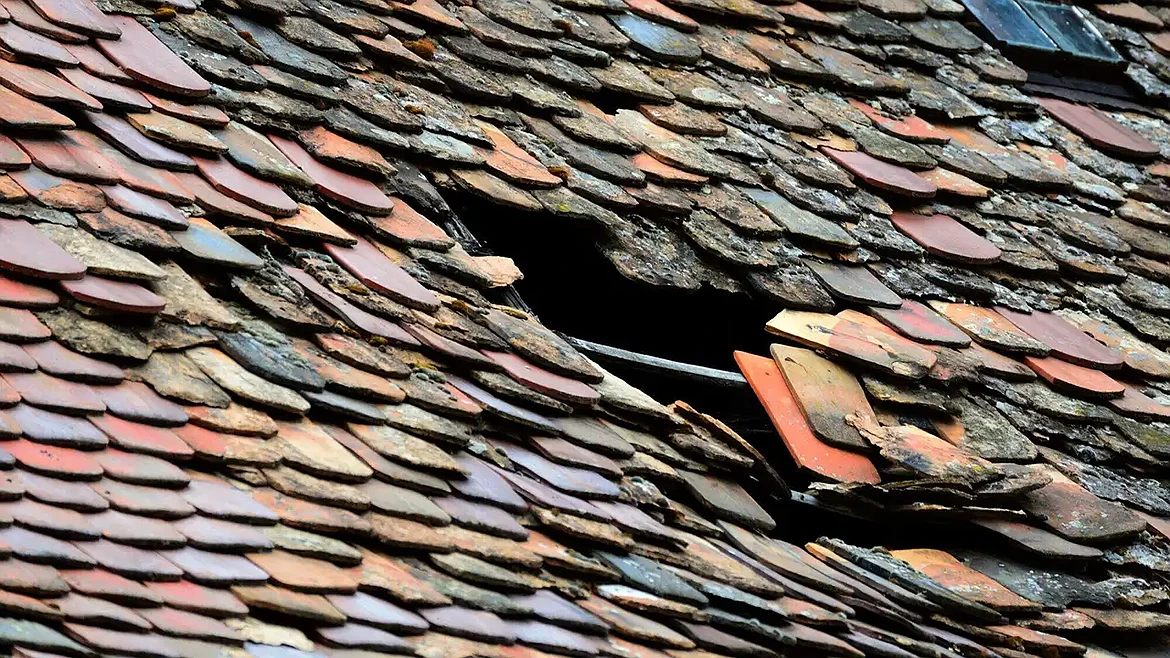
To assess roof damage from storm, look for missing shingles, water stains, damaged flashing, or granule buildup in gutters. A careful inspection, paired with photos and proper documentation, can help you act fast and avoid expensive repairs.
Roof damage is no minor issue; 70 to 90% of storm-related insurance claims involve the roof, according to the Insurance Information Institute. If you wait for a leak to show up, you've waited too long.
Storms can rip off shingles, loosen flashing, and leave your home exposed without you realizing it. Even light damage can turn into serious trouble if ignored.
Knowing how to do a quick post-storm check can save you thousands in repairs. This guide will show you exactly what to look for and how to respond.
How to Check for Roof Damage From Storm
A proper post-storm roof check can help catch early signs of damage before they turn into bigger problems. You don't need to get on the roof to start your inspection; just a safe, thorough look from the ground can tell you a lot.
Start From the Ground
Use binoculars to look closely at your roof from the ground. Walk around your home slowly and stop to scan the roof from different angles.
You're looking for things that seem out of place or out of line. Even one missing shingle could lead to a leak.
Branches, debris, and visible gaps can signal that something went wrong during the storm. If your home is safe to enter, check inside the attic for damp smells or light coming through the roof boards.
What to Look For
There are several visible signs that usually point to roof damage. Some are obvious, others take a bit more attention. After a strong storm, the following are common:
- Missing or broken tiles or shingles
- Bent, missing, or loose flashing near vents or chimneys
- Water stains or damp patches on ceilings or attic walls
- Granules from shingles collecting in the gutters
- Roof sections that appear to sag or bow
- Rust or corrosion on metal roofing parts
Any of these signs can mean your roof's ability to protect your home has been weakened. Acting quickly can help limit water damage and make storm damage repair easier.
How Do Home Inspectors Look for Roof Damage?
If you're filing an insurance claim or buying a house after a storm, an official roof inspection is usually required. Home inspectors follow a process that covers more than just the surface.
Tools They Use
Inspectors don't rely only on what they can see. They bring a range of tools to help spot issues that the average homeowner might miss.
Some of the most common include:
- Drones to capture aerial images without climbing
- Moisture meters to find hidden damp areas
- Thermal cameras to detect heat loss from leaks
- Ladders for safe, limited access when needed
Using this equipment lets them find damage in hard-to-reach areas, including beneath the surface of your roofing materials.
What They Check
Home inspectors look for signs that storm activity may have weakened the roof structure or made it prone to leaks. Here's what they typically examine:
- Overall roof structure to check for sagging or uneven areas
- Seals and flashing around chimneys, skylights, and vents
- Shingle condition and missing protective granules
- Leaks or water damage in the attic or crawl space
They also check for signs of mold or mildew, which could mean that water has been entering your home for longer than you thought.
Why It Matters
An inspection gives you a clear picture of your roof's condition and helps support insurance claims. It can also show whether you need minor repairs or full storm damage repair. If you work with a premier roofing company in Michigan, you'll likely get both a report and repair quote during the same visit.
Documenting and Reporting Roof Damage
After checking your roof, your next step is to document the damage. Your insurance company will usually want photos, notes, and proof of temporary work.
Take clear photos of any damage you find. Use timestamps when possible, and shoot from multiple angles.
List what you see, including where it's located. Keep receipts for things like tarps or buckets used to catch leaks. Once you've gathered this info, file your insurance claim and request a formal roof inspection.
Frequently Asked Questions
How soon after the storm should I check my roof?
Try to inspect your roof within 24 to 48 hours, or as soon as it's safe. The longer you wait, the higher the chance that unnoticed issues grow worse.
Should I call my insurance company before getting an inspection?
Start by documenting everything yourself. Take photos, write notes, and make a list of damage.
After that, contact your insurer. They might send an adjuster, but you can also hire an inspector to support your claim.
Can roof damage be hidden even if everything looks fine?
Yes. Water can sneak in under shingles or flashing. Over time, this can cause rot, mold, or ceiling stains.
Check your attic for damp smells or fresh water marks. These are early signs that might otherwise go unnoticed.
Are all storm-related roof repairs covered by insurance?
Coverage depends on your policy. Most plans include storm damage, but not all types of damage qualify. For example, insurance might not pay for repairs linked to poor upkeep.
How do I choose a reputable roofing contractor after a storm?
Stick with local businesses that have verified licenses and insurance. Look for recent reviews and ask for references. Avoid door-to-door offers.
A good contractor will inspect the roof first, explain what needs fixing, and give you a written quote. Never pay in full upfront.
Can I stay in my house if the roof is leaking?
It depends on the size of the leak and whether there's a safety risk. Small leaks might be manageable for a few days. Large leaks or sagging structures could be dangerous.
Don't Wait for a Leak to Act
Knowing how to assess roof damage from storm helps you protect your home, save on repairs, and stay covered by insurance. By acting quickly and documenting everything, you reduce your risk of long-term issues. Regular roof maintenance and timely inspections go a long way.
Want more tips like this? Check out our Community section for homeowner guides, expert advice, and storm-readiness checklists.
This article was contributed by Next Net and published on cdapress.com as part of our contributed content program. Contributed content provides perspectives from businesses and organizations. These contributions help support local journalism through financial support, ensuring we can continue delivering trusted local reporting to our readers.