
7 Signs You Need a Termite Inspection ASAP
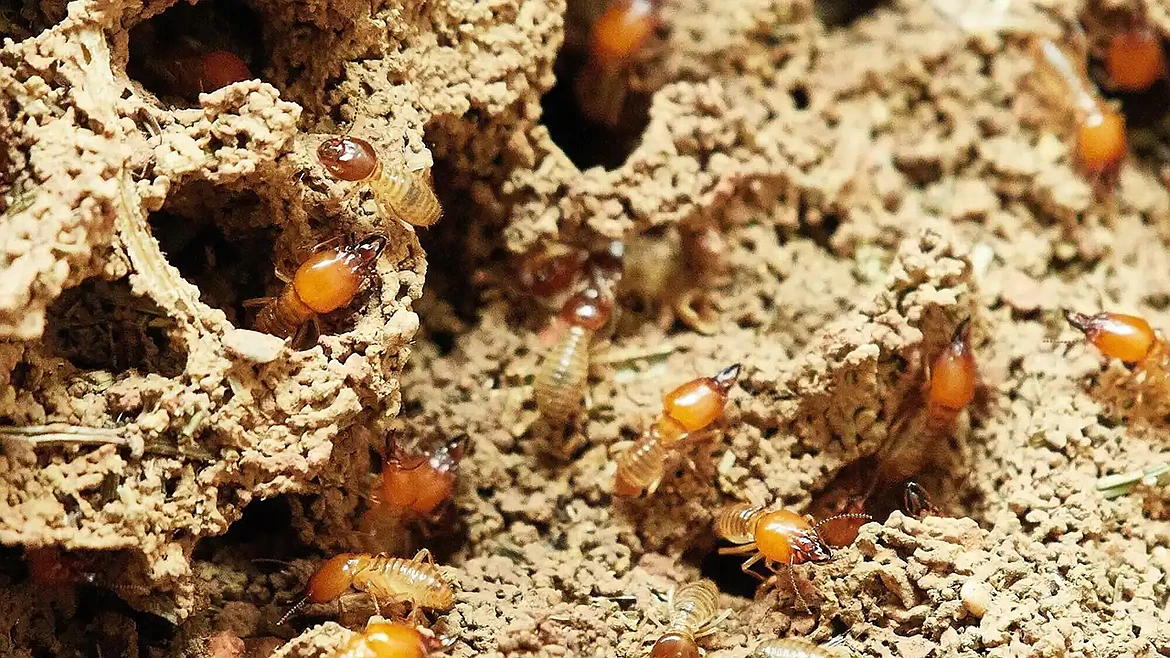
If you see frass and holes in wooden surfaces, take that as a sign you need a termite inspection ASAP. Likewise, you'll need this assessment if you notice sloping floors, hollow-sounding wood, and sticking doors and windows. Other indications that it's time to invest in termite control services are sinking ceilings and bulging walls.
You don't want to delay scheduling an inspection, as termite infestations can lead to significant property damage. Termites are so destructive that every year, they cause structural damage amounting to billions of dollars, with property owners spending $2 billion on their treatment alone, per the U.S. Environmental Protection Agency.
In this home inspection checklist and guide, we'll share insights into termites, signs they've infested your home, and how an inspection helps.
What Are the First Signs of Termites?
Knowing the signs you need a termite inspection is crucial because encountering even just a single termite (dead or alive) often indicates a larger colony nearby. Here's what you should be on the lookout for.
1. Termite Frass
Frass refers to the fecal matter expelled by insects, including termites. Termite frass looks like tiny pellets, often resembling sawdust. If you've got termites at home, you may encounter this in piles just under the area of infestation.
Don't delay contacting a pest professional as soon as you notice termite frass. If you feel worried about the potential cost, you can request a free estimate first, which companies like Scorpion King Exterminating, Orkin, and Viking Pest Control provide. A complimentary quote can help you determine if the cost of an inspection (and treatment) is within your budget.
2. Holes In Wooden Surfaces
If you spot what you suspect is frass, check the area right above the pile. If you see holes in the wooden surfaces, chances are, you've got a termite problem. Schedule a comprehensive inspection to confirm what's bugging you.
3. Sloping Floors
Sloping floors indicate a termite infestation since these insects chew through and consume wood, including floor joists and subfloors. As these components provide structural support to your home, if they get eaten by termites, they can become too weak to support the weight of the floor. Once they lose enough structural integrity, the floor above will likely dip, sag, slope, or become uneven.
4. Hollow-Sounding Wood
Termites eat wood from the inside out. If you tap termite-eaten lumber, you'll hear a "hollow" sound. The structure may even disintegrate or crumble since it no longer has anything inside.
5. Sticking Doors and Windows
If termites have eaten a significant portion of your home's supportive wooden structures, your doors and windows will likely stick. You may have a hard time opening, closing, or locking them.
Please don't ignore this problem, as leaving your doors or windows unlocked can give rise to security concerns. It's like an open invitation to criminals. As the Cook County, MN, government points out, nearly half of burglars enter homes through doors or windows left unlocked.
6. Sinking Ceilings
Your home's ceilings can start to sag if termites chew through and consume enough support beams and studs. The damage may manifest as balloon-like sections, often with discoloration.
Never disregard sinking or sagging ceilings, as they can collapse and cause further property damage, or worse, severe injuries. Contact your local pest management company to help with property protection and maintain safety from infestations.
7. Bulging walls
Like sloping floors and sagging ceilings, bulging walls can also occur as a result of weakened support structures in your home. You may notice them as protrusions or waves on wooden walls. They may also sound hollow when tapped.
What Is the Process of a Termite Inspection?
Termite inspections are critical pest management strategies that involve trained technicians performing visual examinations of a home's exteriors and interiors. The pros look for signs of termite activity and damage, from structural damage to mud tubes. They use basic and specialized equipment during these assessments, including flashlights and infrared cameras.
Is a Termite Inspection Worth the Cost?
Yes. Think of it as a small investment that can help you avert thousands of dollars in structural damage, even injuries (such as those caused by collapsing floors or ceilings). It lets you determine whether you indeed have a termite infestation, and if so, you can act quickly to get them exterminated.
Frequently Asked Questions
What Time of Year Are Termites Most Active?
Termites are often active all year, but you may notice or encounter them more frequently during spring and summer. The warm, humid conditions are conducive to their feeding and swarming activities.
During swarming season, you're more likely to see reproductive termites (winged termites) leaving their nest and colonies. They fly in considerable numbers, looking for a mate with whom they can start a new colony.
Do Termites Carry Diseases?
No. Termites don't carry or spread known diseases to humans and other animals. They don't transmit pathogens (disease-causing microorganisms) like bacteria, viruses, or parasites, unlike many other household pests like rodents, roaches, flies, and mosquitoes.
Still, homeowners should never underestimate termites and think it's alright to leave them be just because they don't cause illnesses. They won't make you sick, but the damage they can do to your home can make you "financially" ill.
Do Termites Ever Completely Go Away?
No, termites won't go away on their own. They'll continue "eating" away at your home and causing property damage until there's no more wood for them to consume, or you eliminate them through proper treatment. They're extremely persistent pests that operate in massive colonies, allowing them to survive and exploit available food sources.
Your best bet to prevent these insects from "robbing" you of your home is to get a professional pest inspection. The sooner they can assess your home, the sooner they can come up with an accurate diagnosis (i.e., correct identification) and the faster they can provide the appropriate solution for the pests' eradication or removal.
Don't Delay Scheduling a Termite Inspection
From frass to holes in wooden surfaces, hollow-sounding wood, and bulging walls, these are all signs you need a termite inspection. With a professional assessment, you can rest assured that you'll get a correct diagnosis and expert recommendations for appropriate pest control strategies.
Explore more related content like this by checking out our other home and lifestyle guides!
This article was contributed by Next Net and published on cdapress.com as part of our contributed content program. Contributed content provides perspectives from businesses and organizations. These contributions help support local journalism through financial support, ensuring we can continue delivering trusted local reporting to our readers.