
How logistics shape the success (and failure) of energy infrastructure projects
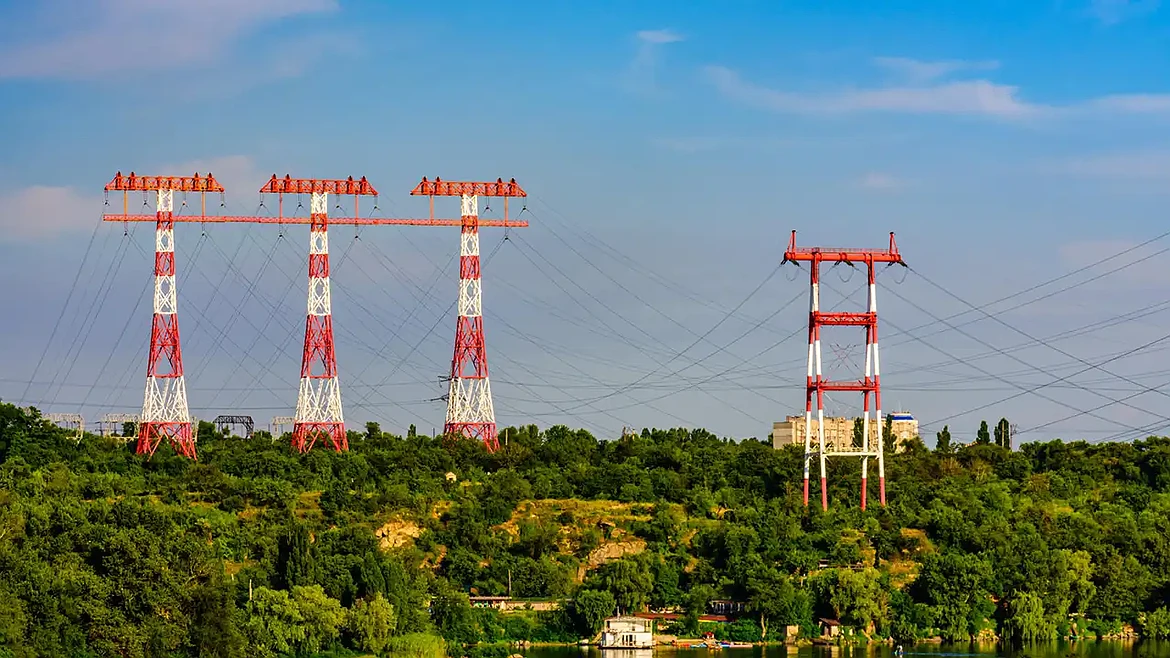
Logistics determine whether energy infrastructure projects are delivered on time, on budget, and without disruption. When logistics break down, the entire project is at risk.
Critical components don't just appear at a job site. They travel thousands of miles, crossing oceans, borders, and terrains, often under tight timelines, complex regulations, and unforgiving site conditions. One missed permit or undersized bridge can cause weeks of delay and millions in costs.
Logistics in energy isn't about moving boxes. It's about managing risk, maintaining flow, and protecting investments. For successful energy projects, logistics must be engineered just as carefully as the infrastructure itself.
If you're involved in energy project management, this article will show how logistics shape outcomes and what separates efficient builds from those that fall apart. Keep reading to see how better planning, smarter tools, and the right partners can change everything.
The Critical Role Of Logistics In Energy Infrastructure
Logistics plays a central role in energy infrastructure right from the start. It keeps the workflow smooth, especially when projects involve long lead times or remote locations, which can be easily delayed.
Those large items like transformer units or turbine blades come from around the globe, often needing special transport and route planning. That adds layers of planning and coordination, so logistics in energy must handle all that.
Logistics also ties directly into cost, schedule, compliance, and safety. Making sure components arrive when needed helps projects stay on budget and on time.
Meeting permits and regulations depend on coordinated logistics, and safe deliveries rely on clear transport planning, so everything links together clearly.
Success Factors: How Good Logistics Drive Project Outcomes
Good logistics make successful energy projects possible and often predictable. When gear arrives on time, project teams hit milestones and contractors stay in sync, so progress flows steadily.
Planning routes early, managing customs and tariffs, and setting up nearby warehouses help reduce delays and extra spending. Labor scheduling also plays into this, ensuring loaders and operators are available when equipment lands.
Technology boosts logistics in energy. Real-time tracking and visibility help spot delays early so teams can act right away. That reduces risks and keeps projects running smoothly.
Failure Factors: How Poor Logistics Derail Projects
Poor logistics lead to serious problems and slow down entire energy infrastructure projects. Without logistics, pre-feasibility studies, and solid coordination between procurement, construction, and transport teams, projects often run late and over budget.
Missing traceability of materials or weak control of third-party providers adds confusion about where items are or when they'll arrive. It creates serious setbacks.
Remote or offshore sites make things worse. If a shipment gets held up, getting replacement parts involves big delays, high costs, and risks to the project's credibility.
How Does Logistics Impact the Overall Success of a Business?
Logistics shapes business performance across the board in energy infrastructure projects. When supply chains are reliable, companies deliver on schedule, keep investors confident, and maintain strong customer trust.
Consistent deliveries help create predictable cash flow, and that stability supports planning and funding for future work. That builds long-term competitiveness and enables energy project management to stay effective in the renewables transition.
Strategic partners like Stream Mission Critical help with mission-critical hauling in hyperscale data centers and advanced power grid builds, offering logistics that support successful energy projects.
How Do You Measure Success in Logistics?
Tracking success in logistics requires clear metrics that reflect performance. Companies often monitor on-time delivery rates and compare costs to budgets, so they know if targets are met.
Safety compliance and equipment uptime also matter, and indicate that logistics operations run without glitches. Performance reviews use benchmarks and key indicators to guide oversight and continual improvement.
Frequently Asked Questions
Why are energy projects more sensitive to logistics than other industries?
Energy infrastructure projects rely on equipment that is oversized, heavy, and sometimes fragile. Wind turbine blades, for instance, can be over 200 feet long, requiring specialized trailers and road clearances. Transformers may weigh hundreds of tons, so they need reinforced roads or even custom-built transport solutions.
Delivery timelines are tied to permits, grid connection deadlines, and weather windows, so any setback quickly affects overall schedules. Other industries usually move smaller goods with more flexible timelines, but here delays can push projects back by months and cost millions.
How does digitization change logistics in energy infrastructure?
Digitization improves visibility across the entire supply chain. Digital twins allow planners to simulate transport routes and construction staging before work begins.
Real-time tracking devices installed on loads provide updates on location and condition, giving teams the chance to act quickly if something goes wrong. Predictive analytics, meanwhile, uses past shipment data and weather forecasts to anticipate disruptions.
What role does workforce availability play in logistics success?
Skilled labor is as important as physical assets. Large loads require experienced drivers with special permits, crane operators with technical knowledge, and ground crews that can handle complex site setups.
When projects lack these workers, equipment may sit idle, schedules stall, and costs climb. Workforce shortages are increasingly common in energy infrastructure, so companies often train local staff or bring in specialized crews to fill gaps.
How do companies mitigate risks in remote or offshore projects?
Remote and offshore sites face challenges such as limited road access, port restrictions, and unpredictable weather. To manage these risks, companies stage equipment at warehouses near project sites.
They may use modular construction, breaking down components into smaller units for easier delivery. Specialized fleets, including heavy-lift ships and self-propelled modular trailers, are deployed to handle unusual terrain or offshore conditions.
Can better logistics reduce environmental impact?
Yes. Smarter logistics choices directly cut emissions. Companies optimize routes to minimize fuel use, consolidate loads to reduce the number of trips, and use low-emission trucks or barges where possible. Some operators are testing electric trucks for shorter routes and using biofuels for long-haul deliveries.
The Link Between Planning and Performance
Energy infrastructure depends on logistics working as planned. From oversized equipment to remote project sites, success comes down to precise planning, strong coordination, and dependable supply chain execution. Businesses that treat energy infrastructure logistics as a core function see fewer delays, tighter cost control, and greater long-term value from their investments.
To keep up with industry insights and the latest developments, read more in our News section.
This article was contributed by Next Net and published on cdapress.com as part of our contributed content program. Contributed content provides perspectives from businesses and organizations. These contributions help support local journalism through financial support, ensuring we can continue delivering trusted local reporting to our readers.