
Body armor rating explained for first-time buyers
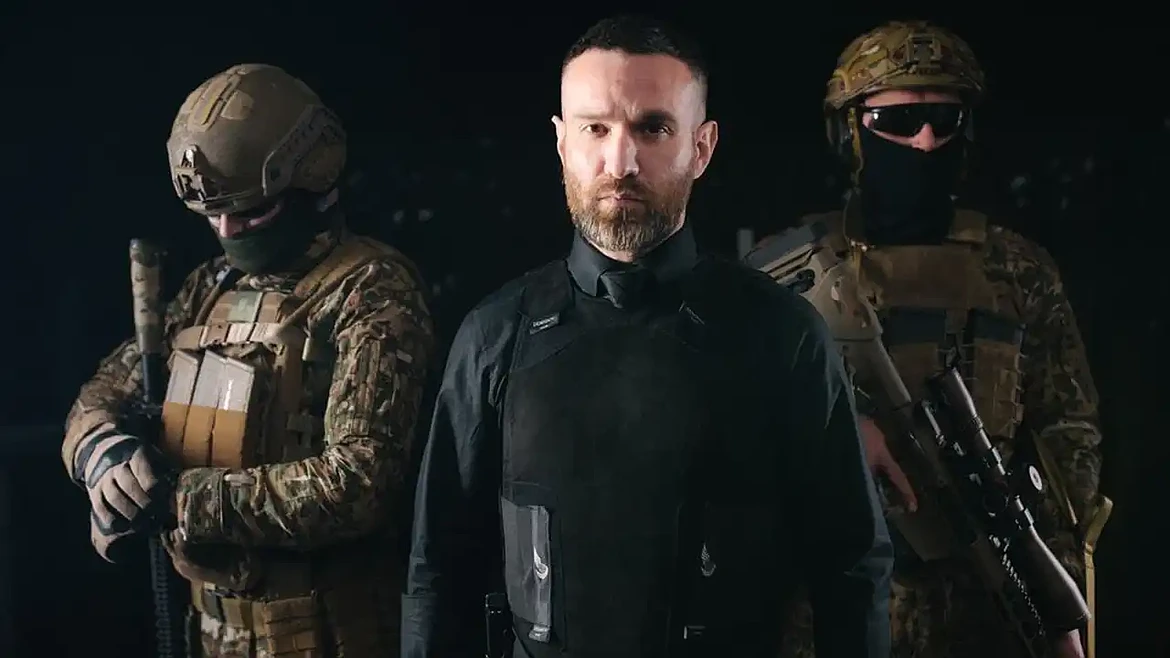
If you are a first-time buyer, understanding body armor rating is the single most important thing before making a purchase. The rating tells you the amount of protection an armor will provide, how heavy it is, and what it can do against which kind of threats. It also helps you choose between soft, lightweight protection and heavier plates designed for rifles.
According to Grand View Horizon research, the civilian body armor market was valued at US$166.6 million in 2023 and is projected to increase by roughly 6% annually through 2030, showing that more people are exploring personal protection options.
This body armor guide will break down materials, body protection ratings, and buying tips so you can feel confident when selecting your equipment.
What Are the Levels of Body Armor?
Within the US, the National Institute of Justice (NIJ) defines standard levels. These levels correspond to particular bullet types and velocities.
Level II-A stops small pistols such as .22 LR and low-velocity 9mm bullets. It is the lightest and least bulky, ideal for concealed wear.
Level II halts the standard 9mm and .357 Magnum cartridges.
Level III-A protects against high-velocity handgun cartridges such as .44 Magnum. It is a strong, pliable barrier and wearable under clothing.
Level III armor is built to stop rifle rounds like 7.62 NATO and 5.56. It uses hard plates, which add weight but also make it more durable.
Level IV offers protection against armor-piercing rifle fire and represents the highest standard level available.
Key Materials and Construction
The material inside the armor determines its performance and comfort level. Pay attention to the following:
Soft body armor uses fibers such as Kevlar, Twaron, or UHMWPE. It is flexible, soft, and usually rated at Levels II, II-A, and III-A. It's widely used by patrol officers, security officers, undercover officers, and civilians who need concealability.
Hard plates use steel, ceramic, or composite polyethylene. They provide Level III and IV protection but are stiffer and heavier.
Hybrid configurations combine soft panels with hard plates so that you can take away or add protection based on the threat.
Body Armor: Users and Legal Guidelines
While the majority of sales remain government contracts to the military and law enforcement, there is a growing private and civilian market. In the USA, civilians are generally allowed to buy, own, and wear body armor. Federal law prohibits possession by people convicted of violent crime or under indictment for violent felonies.
Most states do not have a permit requirement, but some have specific laws covering:
- Sales: Some states require in-person purchases or prohibit specific armor styles
- Registration: Some jurisdictions track body armor sales
- Use: It's illegal everywhere to wear body armor while committing a crime
There are states that set a minimum age, typically 18, for buying armor. These controls are mainly aimed at preventing body armor from being in the hands of criminals, and do not generally affect law-abiding citizens.
What Level Body Armor Do I Need to Buy?
You'll typically make your choice based on surroundings, legal requirements, and needs. First-time buyers should keep the following in mind:
Threat level
If handgun threats are your primary concern, Levels II or III-A will likely be adequate. If rifles are your concern, use Level III or IV plates.
Wear time
Soft armor is easier to wear for longer periods. Hard plates typically add a lot of weight.
Budget
More protection comes at a greater cost. Decide what aspects you actually require.
Concealability
Soft armor is more concealable beneath clothing. Hard armor is less so, but it offers rifle-level protection.
Armor Purchasing Tips
Buy only tested armor to the current NIJ standard. Search for NIJ 0101.06 or later. Always test mobility and fit before purchasing.
Check the warranty and labeling. Good armor will have threat level, test information, and lot numbers marked. Upgrade as needed. You may start with Level II or III-A and find yourself later needing to go to Level III or IV.
Looking for trusted options? Click for highcom body armors here to see the best available products.
Frequently Asked Questions
Why are NIJ standards important?
NIJ standards are regularly updated to align with new testing protocols and revised ammunition. Armor that meets the latest standard provides you with confidence in its capability.
Is Level III-A adequate for most civilian use?
Level III-A can stop most handgun threats. For most civilian uses, such as home defense or personal protection, this level provides an excellent compromise between protection and comfort.
How long does armor last?
Soft armor will usually last between five and seven years if stored and maintained properly. Hard plates are more durable but can have their integrity broken if they chip, crack, or experience harsh conditions.
Can I combine soft panels and hard plates?
The majority of carriers offer the choice of wearing either or both. This option offers flexibility, allowing you to wear soft armor on its own when mobility is needed, and then add plates when facing higher risks.
How do you know that armor is real or counterfeit?
Purchase only from reputable vendors or the original manufacturer. Look for an NIJ compliance label, lot numbers, and test reports. Unusually low prices or lack of certification labels are red flags.
Does body armor need to be maintained?
Store soft armor flat in a dry space. Clean panels and carriers according to the manufacturer's directions. Check fasteners, faces, and edges of hard plates for cracks and chips, especially after a fall.
Does body armor stop knives or spikes?
Ballistic protection and stab protection are different. If you face edged-weapon threats, look for armor tested for both ballistic and stab resistance.
May civilians own Level IV plates?
It is legal in the majority of US states, but there are some exceptions. For instance, New York doesn't allow most civilians to own body armor, except in specific occupations such as law enforcement or certain security positions.
Your Guide to Body Armor Rating
Body armor rating determines exactly how much protection you'll get. Select the armor level that fits your situation, not just what sounds best. Be sure to check materials, legal compliance, and fit before purchasing.
Interested in more tips for personal safety? Head over to our Lifestyle section for practical advice and ideas.
This article was contributed by Next Net and published on cdapress.com as part of our contributed content program. Contributed content provides perspectives from businesses and organizations. These contributions help support local journalism through financial support, ensuring we can continue delivering trusted local reporting to our readers.