

Closing time in the garden: September tasks to do now
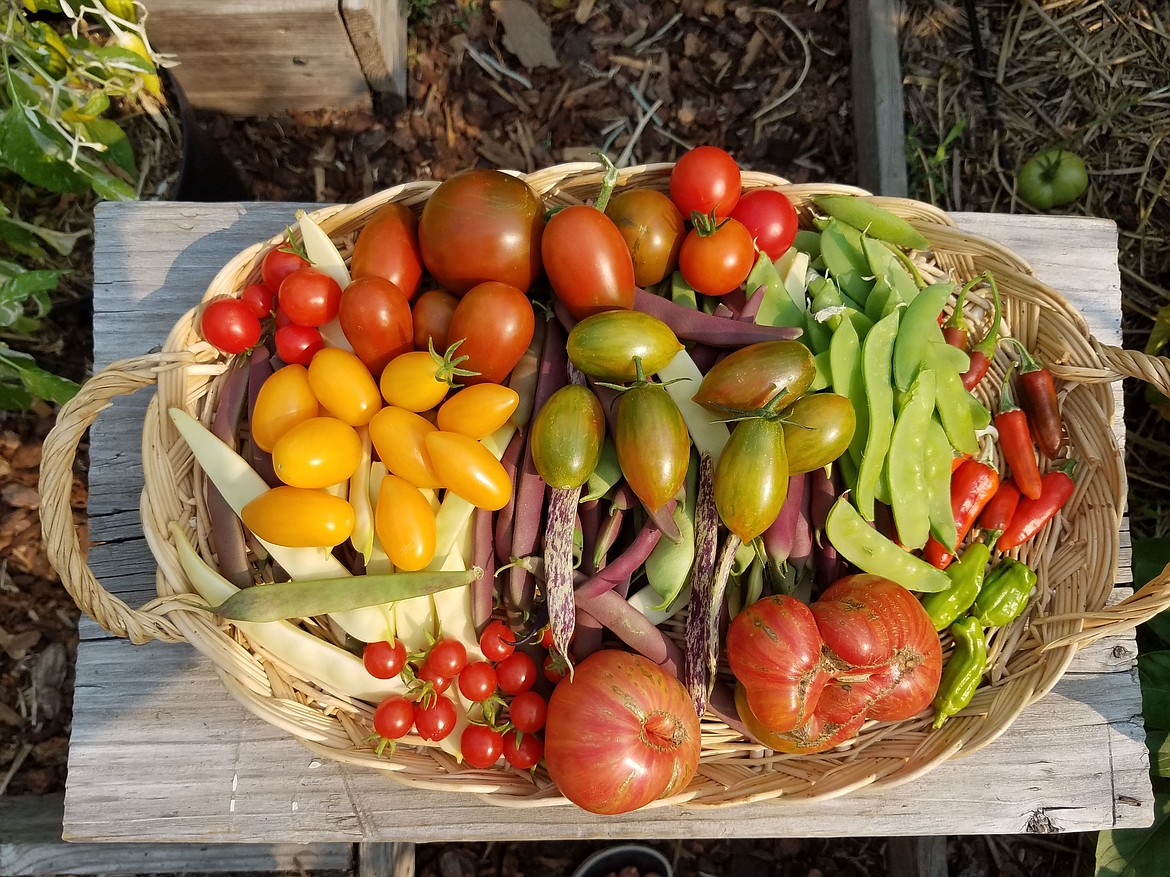
Courtesy of Candace Goodwin Most gardens are overflowing with produce right now, and it can be hard to keep up! Share extra crops with local food banks.
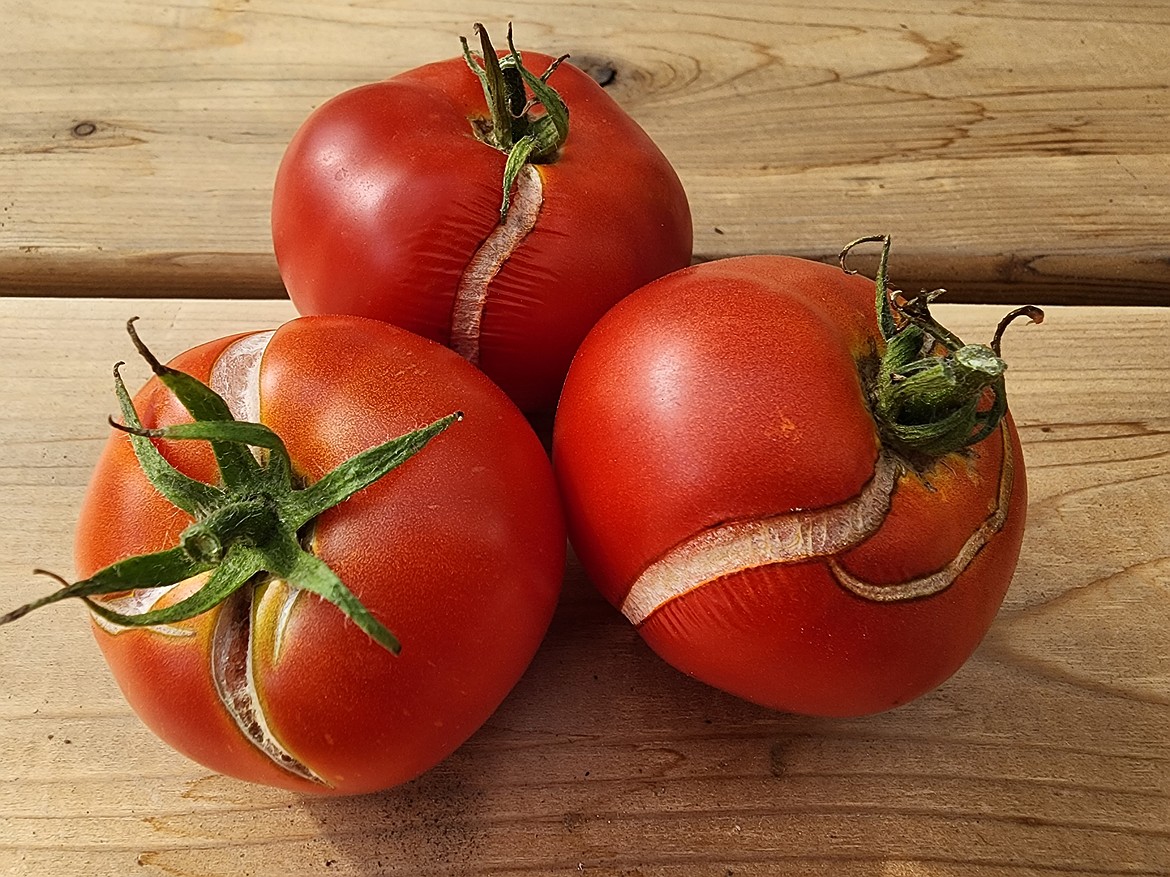
Courtesy of Candace Goodwin. Fall rains can cause ripening tomatoes to split. To prevent this, pick tomatoes at the breaker stage, just as they begin to show a blush of color.
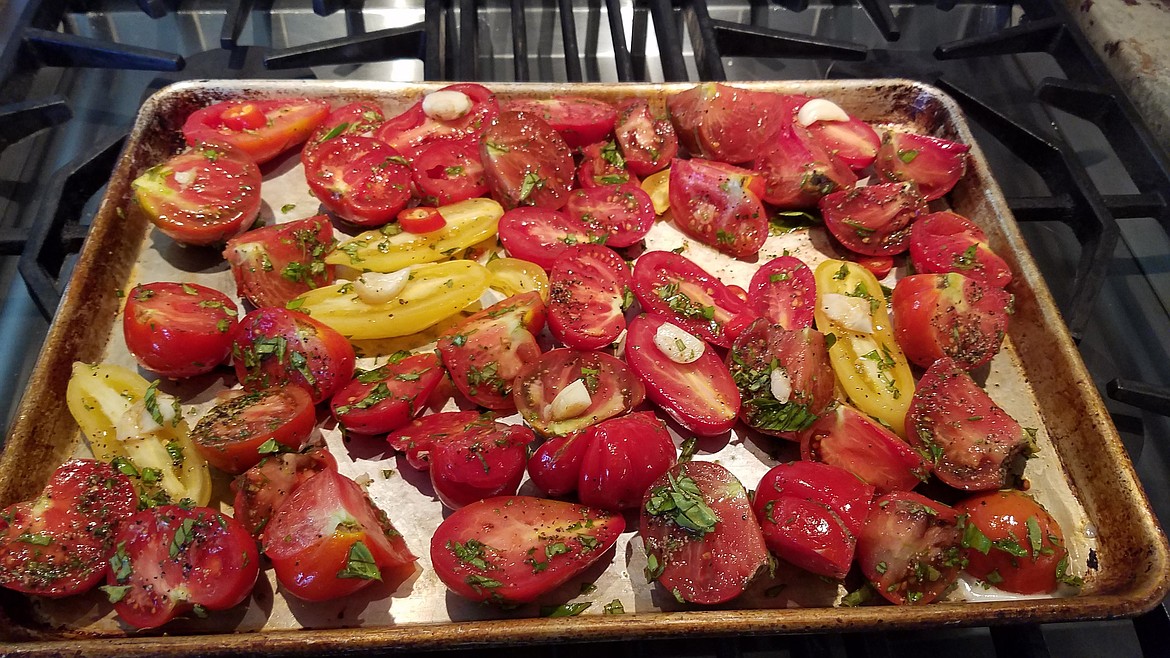
Courtesy of Candace Goodwin. Roasting and then freezing tomatoes is a great way to preserve their natural sweetness so you can enjoy them all winter.
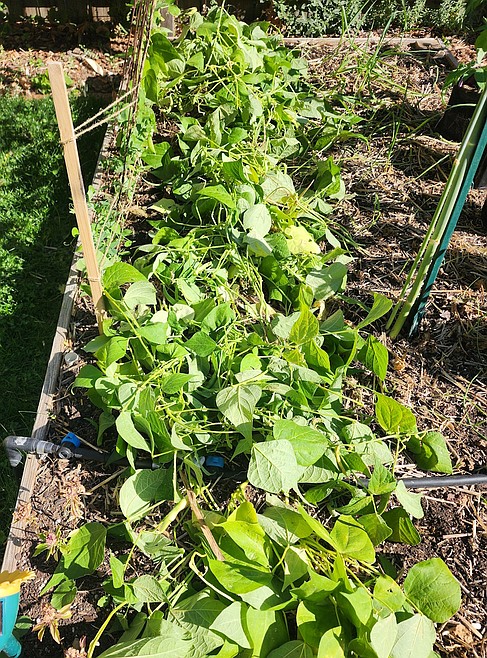
Courtesy of Candace Goodwin. Once crops are finished producing, you can cut them down and leave them in the garden bed to decompose over winter, like these bush beans shown.
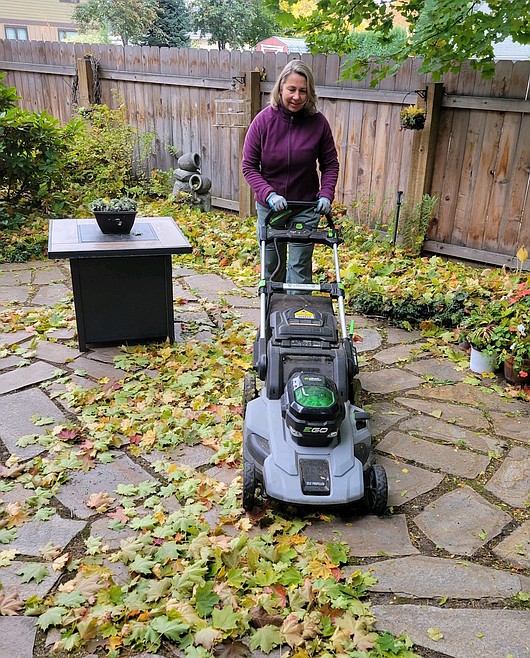
Courtesy of Candace Goodwin. Fall leaves are readily available and, when chopped with a mower, they make excellent garden mulch.
Courtesy of Candace Goodwin. Fall leaves are readily available and, when chopped with a mower, they make excellent garden mulch.
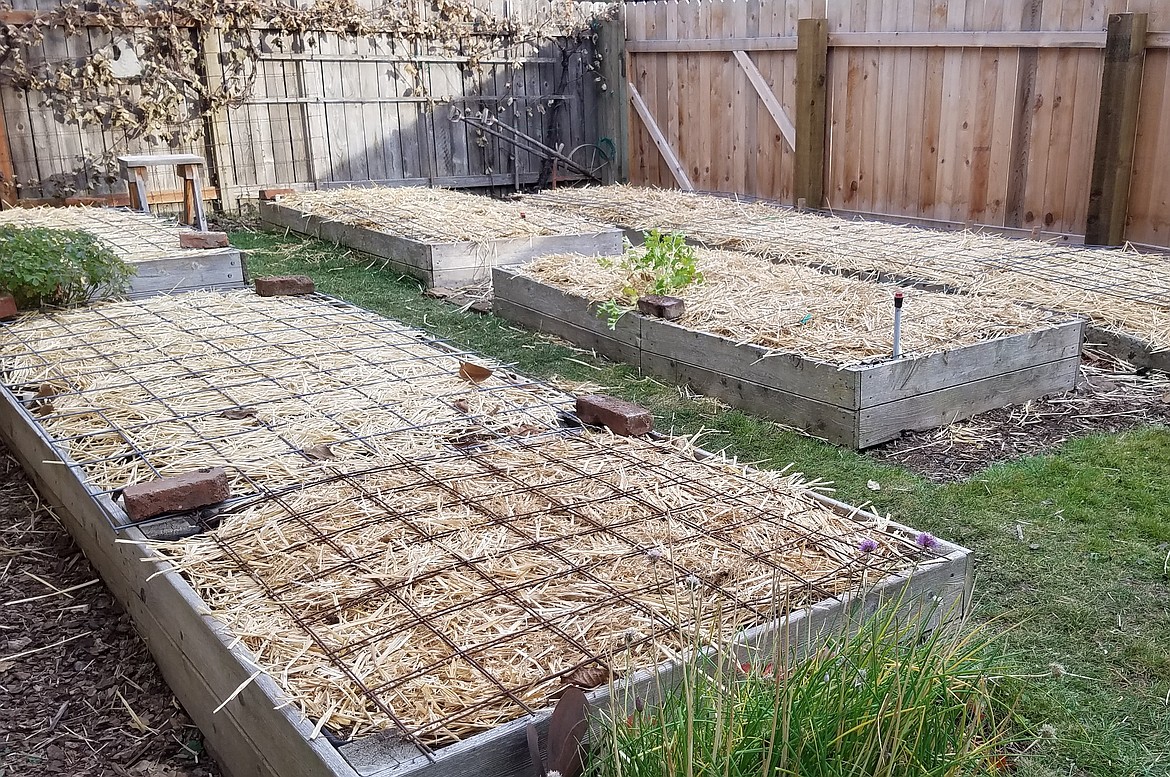
Courtesy of Candace Goodwin. A cattle panel placed over your mulch layer will keep the material in place and help keep critters out of your garden beds.
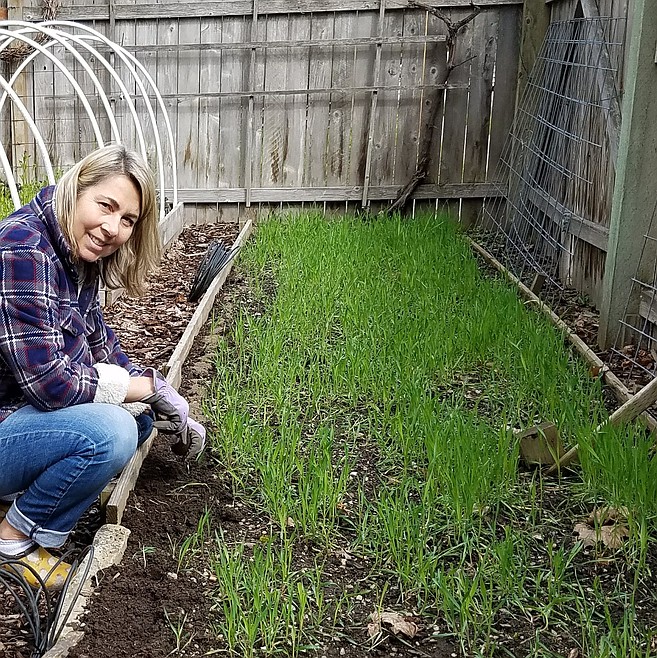
Courtesy of Candace Goodwin. Planting a cover crop in the fall helps enrich the soil and provides a living mulch for the winter.
Ahh, September in the garden — I feel the last lingering touches of summer — picking rosy — ripe tomatoes and filling baskets with beans in the warm sunshine. But fall is nearly here, as evidenced by the shorter days, chilly evenings and pumpkin-spiced everything, everywhere.
It’s time to wind down the summer growing season. You’ll notice I didn't say the entire garden season — for some, there are still flower bulbs, garlic and cover crops to plant. And, truthfully, it’s more about preparing the garden for a healthy start next spring than about “ending” the growing season.
As we welcome fall, here are a few tasks to tackle now to ensure a great start next season.
Pick a peck
Most gardens are bursting with produce right now, and it can be a challenge to keep up! Beans, cucumbers, and zucchini will continue to produce until the first frost if you keep harvesting them.
Should you have any tomato plants still flowering, remove those blossoms and any small fruits that won't have time to ripen. This helps the plant focus its energy on ripening the remaining green fruits on the vine.
To prevent your tomato crop from splitting from rain or being damaged by early frost, harvest at the breaker stage — when the fruit begins to show a blush of color — and ripen them on your kitchen counter.
Along with tomatoes, some vegetables, including hot peppers and butternut and acorn squash, will continue ripening after harvest. Unfortunately, melons and eggplant won’t ripen further once picked — keep those on the vine as long as possible.
To safeguard summer crops and fall seedlings from heavy rains and frost, keep some protection nearby, such as floating row covers or cloches.
There are many ways to preserve your harvest, but one of the simplest is freezing. Most vegetables can be blanched and then frozen, or frozen whole, like tomatoes. I roast all my tomatoes with olive oil, herbs and garlic to bring out their natural sweetness, then I freeze them. Homegrown tomatoes in January? Yes, please!
Of course, if you find yourself with too many veggies to use, our local food banks will gladly accept donations you are willing to share.
Garden clean up — out with the old
Clearing the garden doesn’t have to be a big chore, especially when you try the “chop and drop” method — it’s easier on you and better for your soil. Instead of removing spent plant material, disease-free plants are cut down and left in place over winter.
The chopped plant material becomes a natural mulch, and it, along with plant roots, decomposes over the winter, adding organic matter to the soil. If you have an abundance of material, drop some in the garden and compost the rest.
Remember that diseased plant material should be discarded and never used in the garden or in compost. As you clear beds, compost weeds and any fallen fruit to prevent pests and disease.
Finally, leave some spent flower heads, like sunflowers, coneflowers and black-eyed Susans, for the birds to feast on throughout the fall.
Feeding your soil
Your soil is teeming with life, and these organisms play a crucial role in breaking down and transforming organic materials like compost, leaves and rotted manure into nutrients that feed our plants.
After a summer of rapid growth, your soil is likely depleted of nutrients and could benefit from a bit of rejuvenation.
Applying a 2 to 3-inch layer of organic material on top of the soil feeds organisms during winter, helping restore nutrients for spring planting. If you plan to “chop and drop” spent plant material, apply compost around the plants before cutting the material down.
Remember, soil is the foundation of your garden: Healthy soil results in a more resilient, thriving garden — feed it and it will feed you.
Mulching — winter protection for soil
After adding compost, the last thing you want is for it to blow away. That’s where mulch comes in — a thick layer of at least 3 inches will keep everything in place over winter.
If you’ve been following me for a while, you know I am an advocate for mulching. The benefits are numerous, including retaining soil moisture, reducing weeds and particularly helping to prevent soil erosion and compaction caused by rain and snow during the winter months.
I find shredded leaves to be the best choice for mulch — they are free, easy to get and break down slowly over the gardening season. Another common material is pine needles — and no, they don’t make your soil acidic. They decompose more gradually but do a good job protecting the soil.
Clean straw is another option, but watch for “certified weed-free” products, which may be treated with an herbicide that can leach into your soil.
To keep mulch in place, place a cattle panel on top to weigh it down. Plastic snow fencing also helps secure the material and will keep critters from digging in your beds — I’m looking at you, Squirrel Nutkin!
Cover cropping — living mulch for healthy soil
One of the best things you can do for your soil during the off-season is to plant a cover crop, sometimes called “living mulch” or “green manure.” These hardworking crops enrich the soil with organic matter, improve its structure, fix nitrogen (thanks to legumes), suppress weeds, reduce erosion and even attract beneficial insects. Think of them as your garden’s quiet winter caretakers.
Fall cover crops are usually planted in late summer or early fall and then terminated in early spring before they go to seed and before spring planting — either naturally, or by mowing, cutting or turning them under.
If you are new to cover cropping, choose crops that will naturally winter-kill. That means they’ll grow vigorously through the fall, then naturally die back when temperatures freeze. The plant material acts as a natural mulch and will decompose as the season progresses.
Winter-kill options include oats and field peas, or a blend of the two. They’re easy to grow and widely available from most seed companies. A planting now will set the stage for healthier, more productive soil next spring.
The garden never really sleeps
September may seem like the end of the gardening season, but it’s actually a quiet transition into the next chapter. Every seed saved, bed amended and cover crop planted is an investment in next season’s garden.
While plants rest under their mulch blankets, the soil remains active and prepares for spring. Enjoy this transition and be rewarded with a more vibrant garden next year.
• • •
Candace Godwin is a certified Idaho Master Gardener, garden consultant, writer, and owner of The Coeur d’Alene Coop (thecoeurdalenecoop.com), a licensed nursery offering seasonal online plant sales.
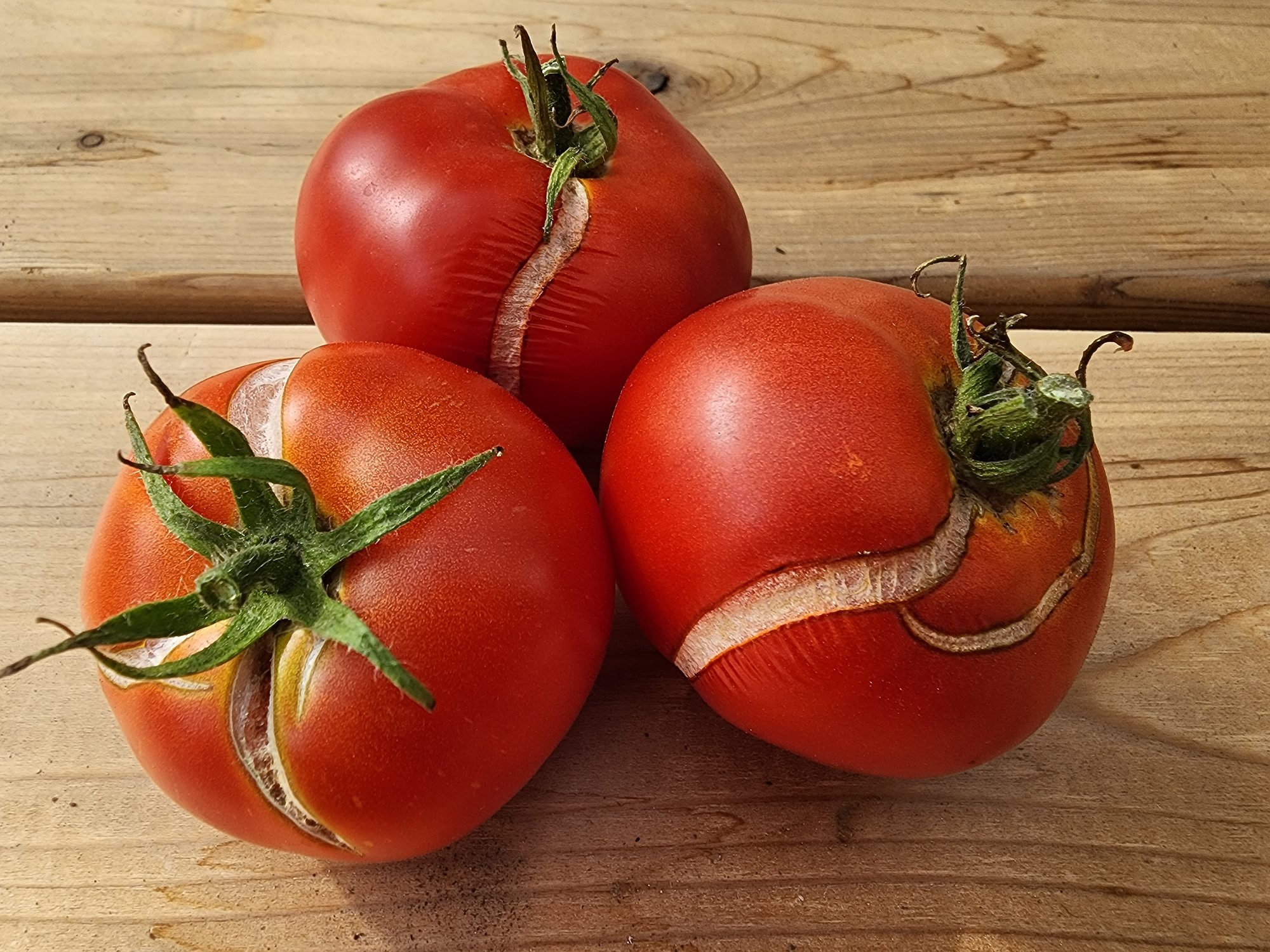 Courtesy of Candace Goodwin. Fall rains can cause ripening tomatoes to split. To prevent this, pick tomatoes at the breaker stage, just as they begin to show a blush of color.
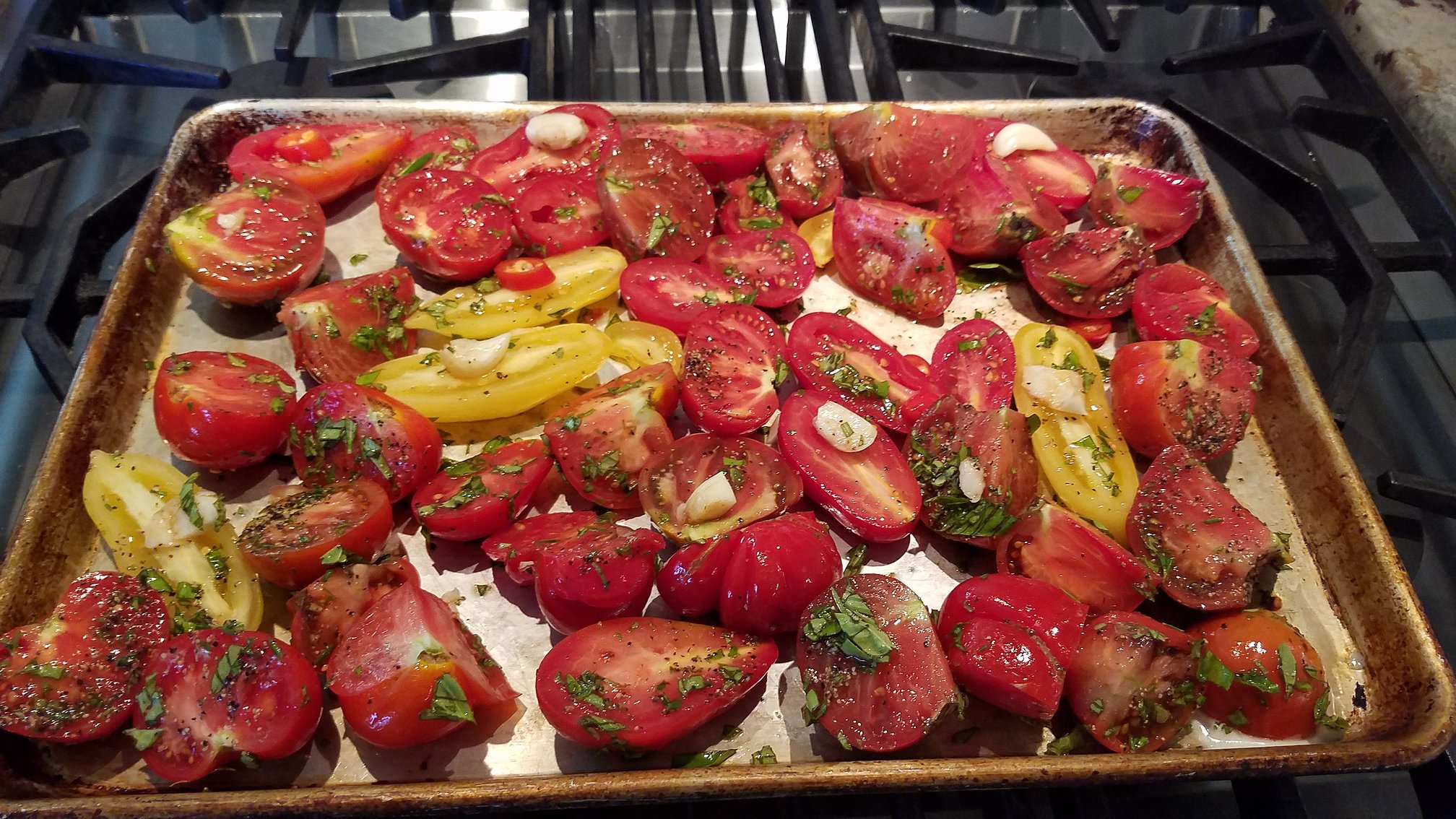 Courtesy of Candace Goodwin. Roasting and then freezing tomatoes is a great way to preserve their natural sweetness so you can enjoy them all winter.
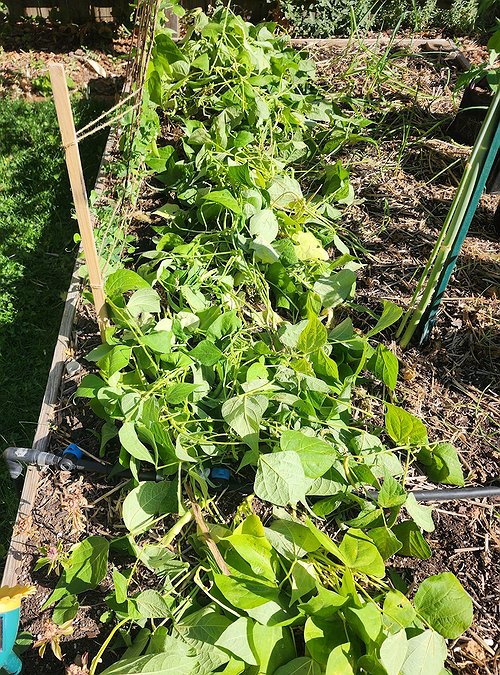 Courtesy of Candace Goodwin. Once crops are finished producing, you can cut them down and leave them in the garden bed to decompose over winter, like these bush beans shown.
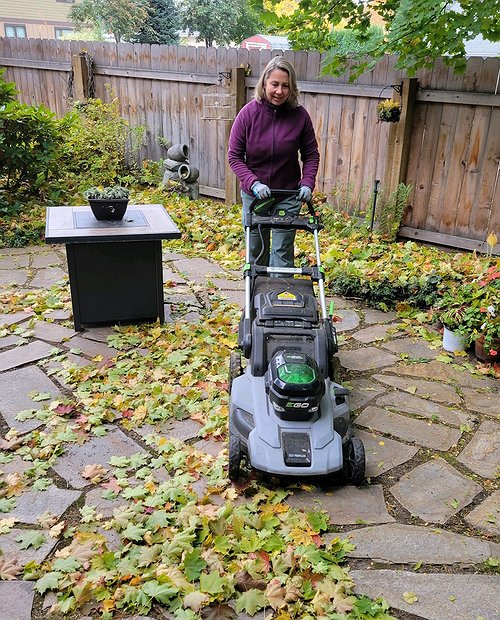 Courtesy of Candace Goodwin. Fall leaves are readily available and, when chopped with a mower, they make excellent garden mulch.
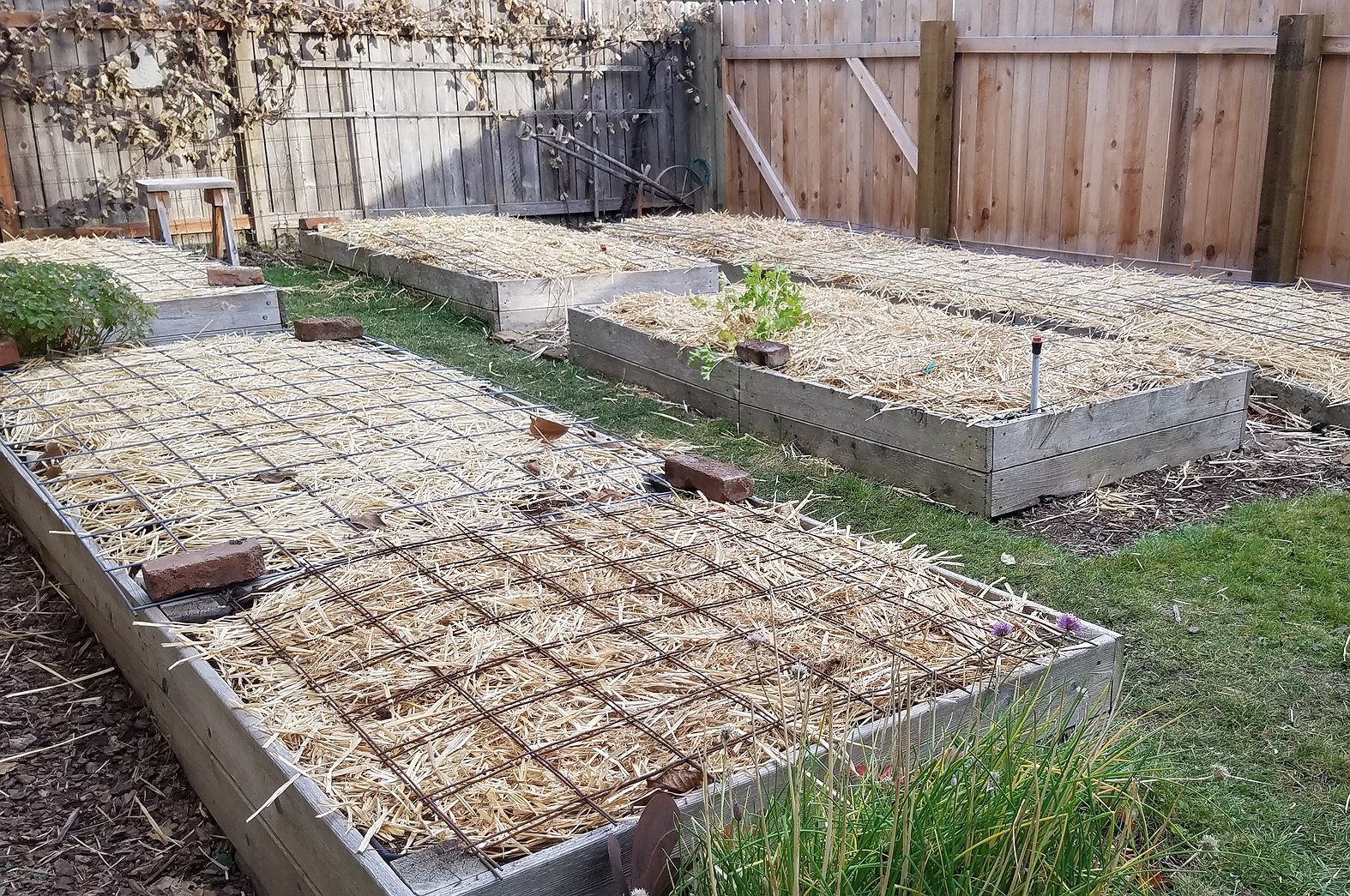 Courtesy of Candace Goodwin. A cattle panel placed over your mulch layer will keep the material in place and help keep critters out of your garden beds.
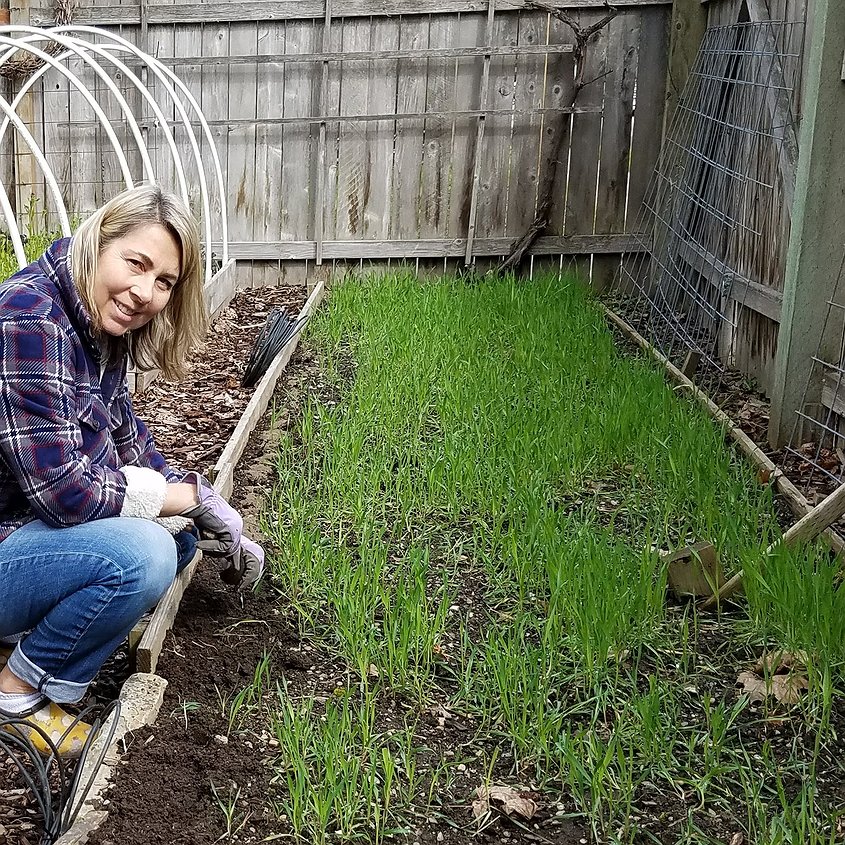 Courtesy of Candace Goodwin. Planting a cover crop in the fall helps enrich the soil and provides a living mulch for the winter.