
Locked out: The legal side of breaking a safe you own
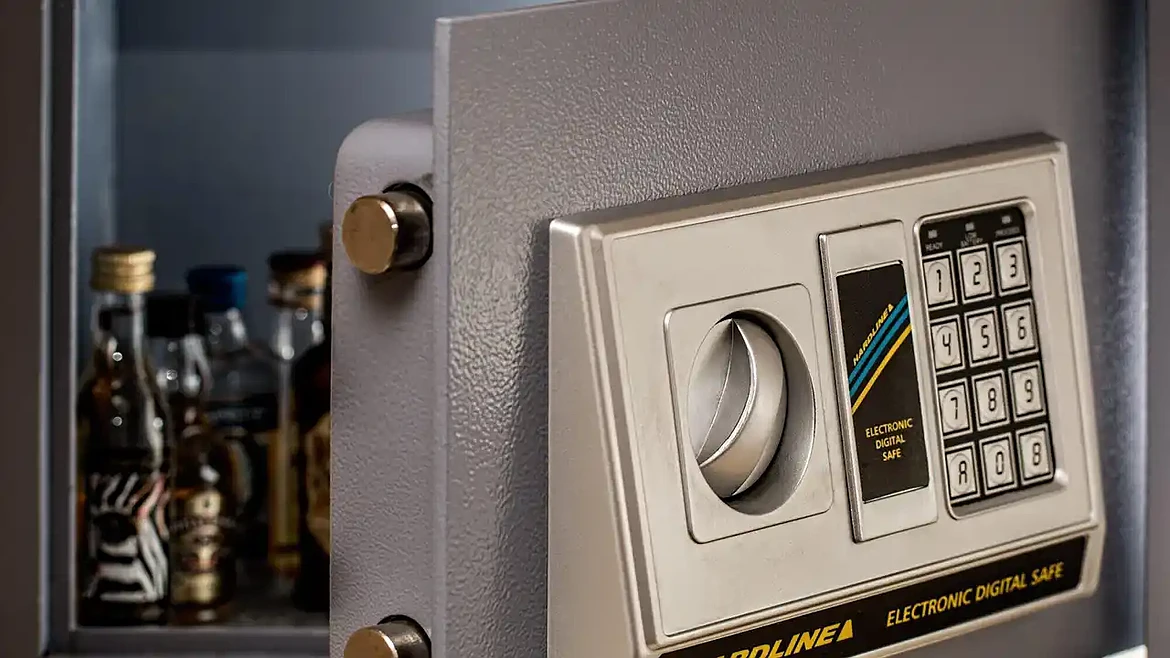
Breaking a safe can be tricky when you do not know the legal rights of safe owners. Accessing your own safe with knowledge of relevant laws and regulations can help you navigate the process smoothly.
Home safes are becoming an increasingly popular option for customers who want an extra layer of security for their important possessions. According to Business Research Insights, the home safe market is expected to reach $0.7 billion by 2032.
Although safes can be an effective home security solution, they also present their own issues if they cannot be opened. In this guide, we will discover your rights as a safe owner, the laws surrounding safes, and safe-cracking methods.
What Are Your Rights as a Safe Owner?
If you own a safe and you do not have malicious intent, it is perfectly legal to break into your own safe. Since you own both the safe and the property within, it is not considered burglary or theft.
Safe opening laws generally do not apply to owners who want to access the contents of the safe but are unable to do so.
Relevant Laws
Before opening a safe, you must educate yourself on relevant burglary laws. These can differ depending on which state you reside in. It's important to ensure you are legally covered in case questions arise at a later date.
Potential Risks of Breaking a Safe
The safe-cracking methods that you use are your decision, but there are always risks involved when opening a device with heavy security measures. Here are some factors you must consider before breaking a safe.
Damaging the Safe
Depending on the value of the safe itself, damaging it can be a costly error. Some safes are made of higher-quality materials or have advanced security measures, which can increase their initial cost.
When you break into a safe, you may not be able to restore its function. Repairing it might be impossible, so you may have to invest quite a bit of money into replacing the safe.
Harming the Contents
The method that you use to break into the safe can also damage the items inside. If you keep valuable items such as jewelry, using the wrong tools could cause thousands of dollars in damage.
For safes that contain firearms, improperly opening a safe can be incredibly dangerous. A bullet could ricochet and cause damage, such as escaping the safe and causing a fatal injury.
If you keep valuable items in a safe, such as family heirlooms, they could be difficult to replace. Even with an insurance payout, you may not be able to obtain the exact item that you lost, especially if it was a piece such as custom jewelry.
Unforeseen Legal Implications
Even if you own the safe, there could still be legal issues with breaking into the device. For instance, if you have shared ownership of the safe, then you may impinge on the other owner's rights or property.
Additionally, you cannot damage your safe with the intent of committing insurance fraud, such as faking a theft to file an insurance claim.
Tips for Staying Within the Law
Even if you feel that breaking into a safe is justified, you should still consider potential legal implications. Here are some key tips for ensuring you are legally covered.
Work With a Locksmith
A locksmith has the knowledge and expertise to safely open heavy security devices such as safes. They may be able to crack open the safe with minimal damage, potentially saving both the safe and the items inside.
Many locksmith services offer 24-hour services and can typically reach you quickly. For instance, you can request fast locksmith help in Austin to assist you with opening a safe quickly.
Your locksmith can also recommend alternative security methods that keep your items safe without having to resort to brute force to access them.
Contact the Safe Manufacturer
Check online to see if your specific safe model has a user manual. You may be able to find alternative ways to open the safe this way. You can also contact the manufacturer to see if there are other methods that you may not have explored.
Consult an Attorney
If you have doubts about the legality of breaking open a safe, consider asking an attorney, especially if it isn't urgent.
It is always better to have peace of mind and be knowledgeable of relevant laws before taking action.
Frequently Asked Questions
What is the weakest part of a safe?
The weakest parts of the safe tend to be the door hinges and the locking mechanisms. They are typically made of thinner metal, making them easier to break than the thicker walls of the safe.
Safes with thinner walls that are lower quality are also more vulnerable to breakage.
What are common safe-opening methods?
Some of the most common methods for opening safes include:
- Number keypads
- Fingerprint scanners
- Padlocks
- Combination locks
Some safes have built-in locking mechanisms, while others allow owners to customize the level of security or type of lock.
How do locksmiths open locked safes?
A qualified locksmith will first analyze the safe to determine the tools they will need. For mechanical locks, the locksmith can sometimes listen to determine the combination code.
Digital locks may require a bypass device.
Sometimes, when no other methods can open the safe, drilling is the only solution. Targeted drilling can cause minimal damage to the safe while still opening it.
Can the police open a locked safe?
Yes, police can open a locked safe if they have the appropriate warrant. They may also be able to break open a safe if they have probable cause or if there is a safety risk involved.
You can also give the police consent to open a locked safe if you are the owner.
Know Your Rights Before Taking Action
When breaking a safe that you own, you must take the proper steps to ensure that you are compliant with the law. With this guide, you can understand the risks and make an informed decision if you find yourself needing to break open your safe.
Would you like to learn more about home security? Take a look around our site for more tips, tricks, and guides.
This article was prepared by an independent contributor which helps us continue delivering quality content to our audiences.