
Top reloader mistakes to avoid when using bullet casings
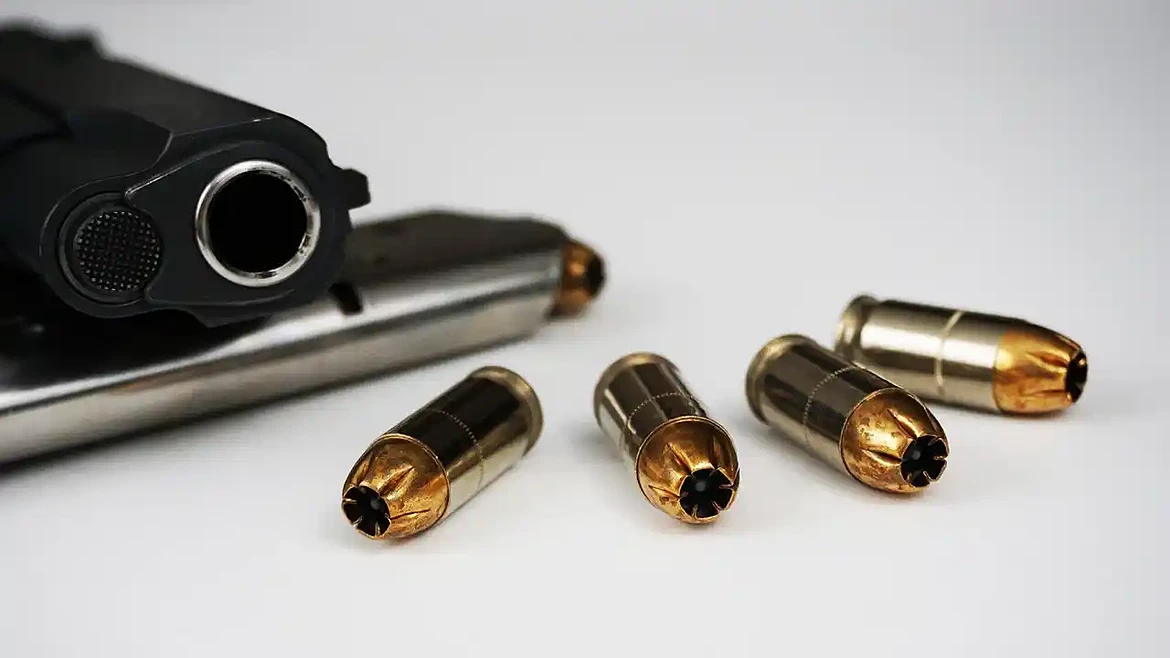
This story was produced by Rob McManus and distributed by Next Net.
Reloading ammo when using bullet casings requires you to have knowledge and focus. If you want safe reloading and a quality shooting performance, you want to avoid the common mistakes with bullet casings.
Blunders when using bullet casings can lead to safety risks. The NSC shows that avoidable gun-related deaths in the U.S. contribute to about 1% of the total 46,728 firearm deaths.
Although not all of these deaths happen because of reloading errors, mistakes during ammo reloading can be deadly. Our article looks at the reloading process and errors when using bullet casings.
Keep reading to know the safety tips for reloading efficiency.
What Are the Two Types of Reloads?
If you're a shooter, reloading is a skill that gets you efficient and ready. Some types of ammo reloads you should practice:
Tactical Reload
A tactical reload happens when you still have bullets in your gun, but you want to add more to your magazine. Instead of dropping the old, partially full magazine, you get to keep it.
Tactical reloads are more methodical and slower. They allow you to take note of your ammo and prepare for shooting with a full magazine.
Emergency Reload
An emergency reload is done when you have an empty magazine, and you need to reload fast to continue firing. You will know your chamber is empty when the slide locks open.
To perform the reload:
- Drop the empty magazine
- Quickly insert a fresh, full one
- Release the slide
This reload is quicker and often done under stressful situations. Missing the reload even slightly can cause serious drawbacks.
What Is the Purpose of a Bullet Casing?
A bullet casing holds the bullet, powder, and primer. Some of the functions of bullet casings are:
- Acting as a refillable shell for ammo reloading
- Ensuring steady placement to preserve accuracy
- Protecting internal components from damage
- Offering a good chamber seal to contain the gas pressure when you fire the bullet
Top-notch bullet casings will guarantee you good precision shooting. If you want to preserve your casing's functions, inspect and maintain your casing well.
Top Reloader Mistakes to Avoid When Using Bullet Casings
Reloading ammo is a hobby that can save you money. However, when it's done poorly, it gets messy and dangerous. Here are some reloading mistakes you should try to avoid:
Double Powder Charging
One of the most dangerous mistakes you can make is accidentally adding powder twice to a casing. A single double charge can create a lot of pressure, blowing out receivers and barrels, or cause injuries.
Expert reloaders recommend that you be keen to use precise powder scales. Double-checking each charge should always be on your checklist for safe reloading practices.
Not Paying Attention to Case Length
Brass casings increase in size slightly with each reload cycle. However, most reloaders ignore this stretch. This often makes your casings longer over time, causing chambering problems and dangerous increases in pressure.
You want to ensure that your casing always maintains its size. After some reload cycles, trim your casing using a case gauge. This process not only keeps your gun safe but also ensures you have a reliable shooting performance.
Seating Bullets Backward or Upside Down
Placing your bullet backward or upside down is a huge mistake. This disturbs the pressure curve within your barrel without any warning.
As you reload, make sure you're seating your once fired 223 brass properly to maintain reliable loads.
Not Doing Case Cleaning and Inspection
Dirty and scratched casings cause feeding failures and high pressure. To avoid any incidents, consider inspections and thorough cleaning every cycle.
If your casing is showing signs of extensive damage, throw it away.
Incorrect Crimping
Bullet casing errors can also occur because of too much or too little crimping. A little crimping allows bullet movement during recoil, making you deal with inconsistencies during firing.
Also, doing too much crimping can distort bullets and cause feeding issues. If you want to get the right standard when crimping, use quality crimping tools.
Improper Primer Seating
Primers placed too shallow or too deep can cause misfires. Precision tools should ensure primers are flush or just below the case head. Regularly inspecting your primer seating ensures smooth ignition.
Using Wrong or Mixed Powders
If you use the wrong powder or mixing powders, it can cause pressure increases and dangerous loads. Always strictly follow the powder types to use and loads specified in your manuals.
Reloading With Speed
Doing your ammo reloading fast can cause miscalculations and accidents. Experts advise reloading using a checklist to avoid missing any steps.
What Are the Dangers of Reloading Ammo?
The ammo reloading gear market is set to grow at a CAGR of 6.87% by 2032, as per GlobeNewswire. As the market grows, the dangers of DIY ammo reloading also increase.
Some threats you may face:
- Unsafe loads
- Firearm explosions
- Cartridge failure
- Dangerous gas leaks
- Misfires or pressure irregularities
- Fire or chemical hazards
Safe reloading strategies reduce these risks and boost reloader efficiency. Ensure you follow procedures in certified manuals to get the process right.
Frequently Asked Questions on Reloading
What Metal Is Used in Bullet Casings?
Brass is often used in bullet casings. It offers corrosion resistance, strength, and flexibility during reloading.
However, you may get casings made out of steel and aluminum. The challenge with these casings is that you have to throw them away after firing.
Does Brand of Brass Matter When Reloading?
Yes, the brass brand you use will affect case uniformity and how well it resizes. Premium brands often provide more consistent wall thickness and better reliability.
However, carefully inspected once-fired brass can also be functional if you maintain it well.
Can You Get Lead Poisoning From Reloading Bullets?
If you work with primers and bullets with lead, you may face risks of lead exposure. To protect yourself, wear gloves and work in well-ventilated areas.
Additionally, you should wash your hands after reloading to reduce the chances of lead poisoning.
Protect Yourself During Ammo Reloading
Reloading mistakes can be deadly. If you want to create safe ammo, you need quality brass casings. Next, you have to have proper training to avoid any errors while using these casings.
DIY reloading can save you costs if it's done right. Subscribe to our newsletter and learn how to reload with efficiency.
This article was contributed by Next Net and published on cdapress.com as part of our contributed content program. Contributed content provides perspectives from businesses and organizations. These contributions help support local journalism through financial support, ensuring we can continue delivering trusted local reporting to our readers.