
Caught in the storm? What to do immediately after auto hail damage
This story was produced by Dax Janel Valencia and distributed by Next Net.
According to K99.com, the website of radio station KUAD-FM, Colorado sees 234 hail events yearly, on average. The stretch of area from Denver to Colorado Springs is among the "hailiest" places in the country. Considering how common these weather events are, it's no wonder the Centennial State's expected annual hail-related damages to buildings and people total $151.5 million.
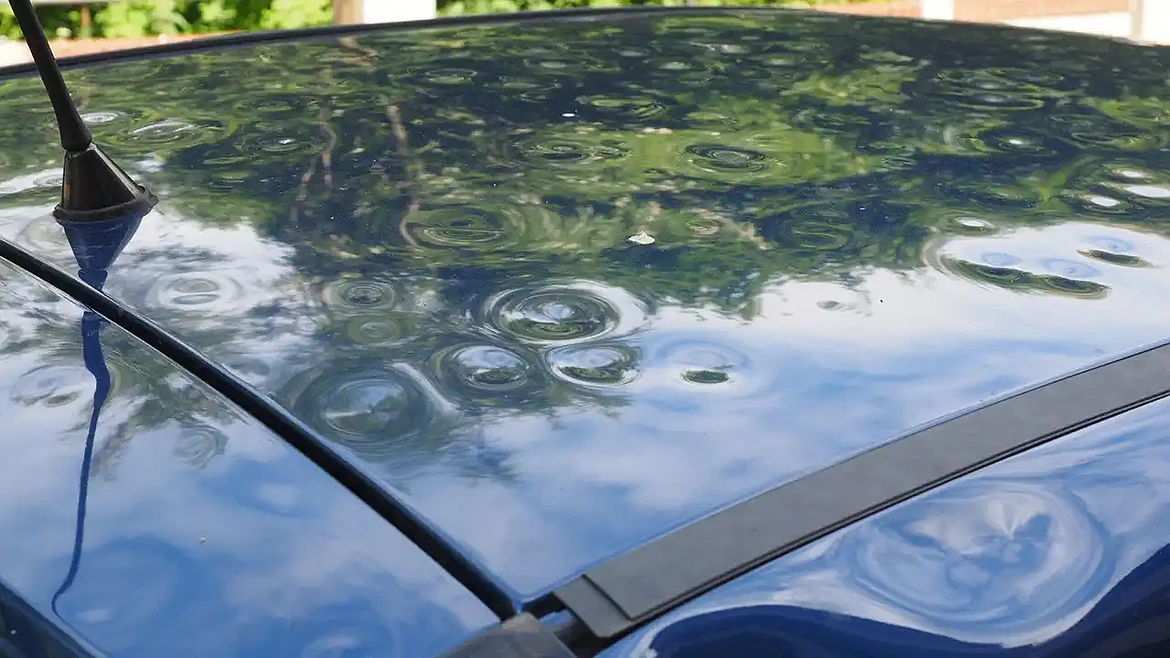
Getting caught in a Denver hailstorm while you're out driving will likely result in your ride suffering from auto hail damage. From dents to dings, even potential broken or cracked glass, these are just some of the problems you may encounter.
Don't delay getting auto hail repair in such situations. Here's what you should do during a hailstorm and soon after the weather permits.
Prioritize Your Safety
While most hailstones are small, they can grow and fall to the ground in significant sizes and weights. According to the National Oceanic and Atmospheric Administration (NOAA), the largest hailstone ever recovered in the U.S. had a circumference of 18.62 inches and weighed 1 pound 15 ounces. The NOAA also warns people that not only can hail damage cars, homes, and aircraft, but it can also be deadly to people and animals.
Getting off the road should therefore be the first step to take, not just for hailstorm auto protection but for your safety, too. Find the nearest possible covered area where you and your car can seek shelter. It can be in a covered car park, gas station, or anywhere else with a roof or overhead cover (except bridges or underpasses, where you can impede or obstruct traffic).
Don't get out of your car, either, unless you're already within a sheltered location. Otherwise, you can sustain severe injuries if you get hit by a hailstone.
Never Drive Faster
Don't drive faster in an attempt to beat the hailstorm and get to your destination quicker. The faster you drive, the more potential auto hail damage you may experience, as hailstones can hit your car with more force.
Driving faster can also put you at risk of getting involved in a car crash during adverse weather events like hailstorms. As the U.S. Department of Transportation's Federal Highway Administration (FHWA) says, weather-related incidents (e.g., those due to hail, rain, sleet, and snow) account for 12% of the 6 million+ vehicle crashes in the U.S.
If you continue driving (and at a faster speed) during a hailstorm, you're putting yourself and passengers at risk of a crash because of:
- Reduced visibility
- Slippery conditions
- Reduced tire traction
If there's no covered area nearby, pull over to the side of the road, ensuring you don't obstruct traffic. You should also park at an angle that reduces the risk of your windshield getting pelted by hailstones.
Protect Yourself From Potential Broken Glass
As you wait for the hailstorm to pass, distance yourself from the windshield and windows, which could crack and break under the impact of hailstones. Ideally, you should have a blanket in your car emergency kit, which you should use to cover your head, face, neck, and back in case any glass in your vehicle shatters. If you don't have a blanket, use anything else that can act as a protective cover, like a coat, jacket, or even cardboard boxes.
Assess and Document All Damages
Once the storm has passed, assess your vehicle for any damage. Inspect for and take photos and videos of the following (which you'll likely need to provide when you file a hail damage insurance claim):
- Cracked or broken windows
- Dents and dings on the body
- Chips on the paint
- Interior damage (which can happen if hailstones break one or more of your windows and get inside your car along with rain and other debris)
If you have broken or shattered windows, don't risk driving and get your car towed instead. Even if the cracked pane is still in place, it can collapse and rain down shards on you due to the force of the wind as you drive.
Get Post-Storm Car Care for Hail Repair
If you need minor car dent removal, consider partnering with Denver paintless dent repair (PDR) specialists. PDR is an innovative solution that involves using specialized tools to "massage" and restore the dent from the inside. Through this technique, technicians can remove auto hail damage like dents and dings without having to repaint your vehicle.
Dents that are too deep or large for PDR may require a complete panel replacement. The same goes if the metal has stretched too much due to the impact of a large hailstone hitting it. The technique requires technicians to remove the damaged panel and weld a new one as a replacement.
You may also need glass repair or replacement if hailstones damage your windshield or windows.
Contact Your Auto Insurance Provider
If you have a comprehensive auto insurance policy, you should get coverage for the damage your car has sustained and the losses you've suffered due to a hailstorm. Comprehensive insurance protects against non-collision damages, such as those caused by flying or falling objects (like hailstones and the debris that strong winds associated with hailstorms can blow against your car).
Not all car insurance policies automatically include comprehensive coverage, though, especially not in states where it's not mandatory. In Colorado, for instance, liability insurance (for bodily injury, death, and property damage to others) is the only required automobile coverage.
However, if you've purchased full coverage car insurance, it usually includes comprehensive coverage. Contact your insurer and let them know about the damages and losses you've sustained, and they should cover you for them.
Don't Postpone Auto Hail Damage Repair
Never ignore or delay getting auto hail damage repaired, whether it's a minor dent or ding or a more severe cracked glass. Even small chips in your car's body paint, if left unaddressed, can result in bigger problems, promoting rust and corrosion. Cracks on glass can be hazardous, as they can compromise the pane's structural integrity, making it more likely to collapse or shatter and cause injuries.
Check out our latest weather and automotive news for more informative guides like this today!
This article was contributed by Next Net and published on cdapress.com as part of our contributed content program. Contributed content provides perspectives from businesses and organizations. These contributions help support local journalism through financial support, ensuring we can continue delivering trusted local reporting to our readers.