The dirt on dirty soda
Labor Day has come and gone, and before too long, it will be autumn.
It doesn’t feel like it, though; the first week of September has seemed just as warm as the month before. The summer heat is still hanging on, just for now.
So I have a little bit more time to partake in one of my favorite Western treats: A big, cold glass of dirty soda.
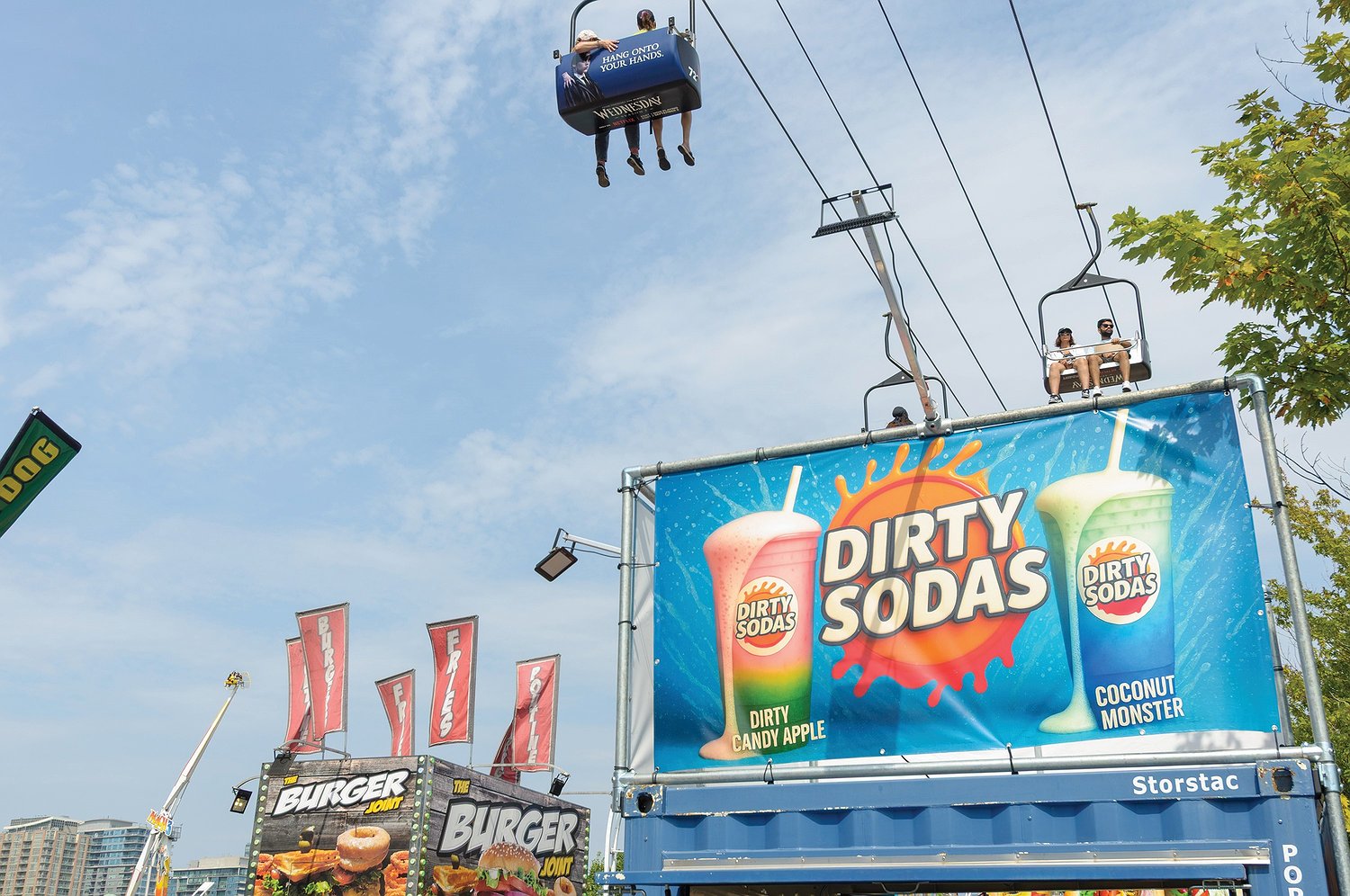
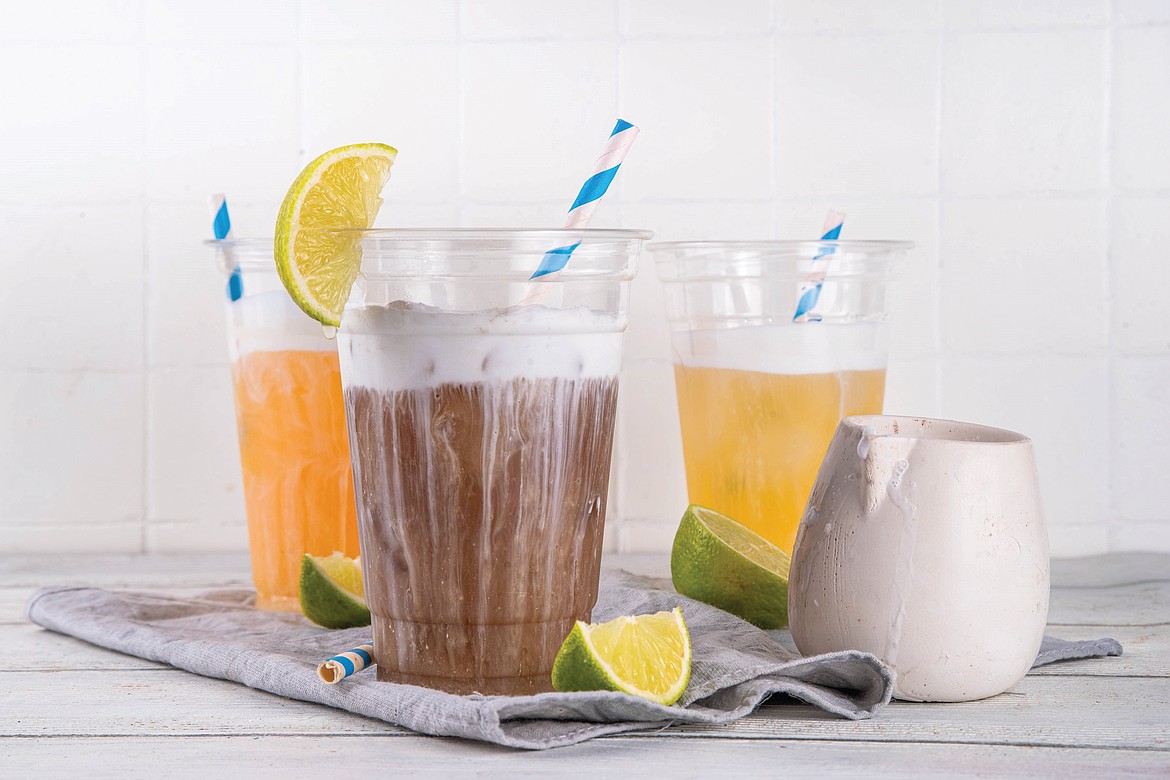
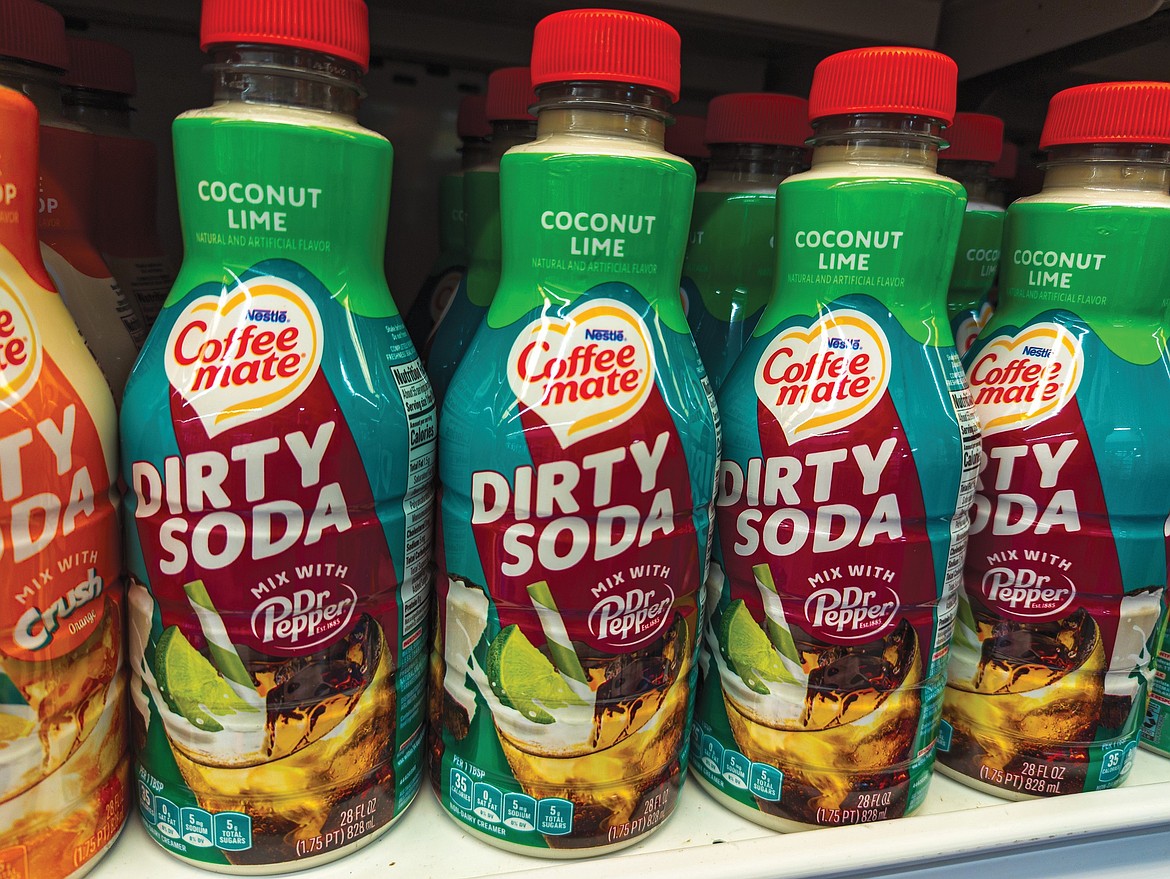
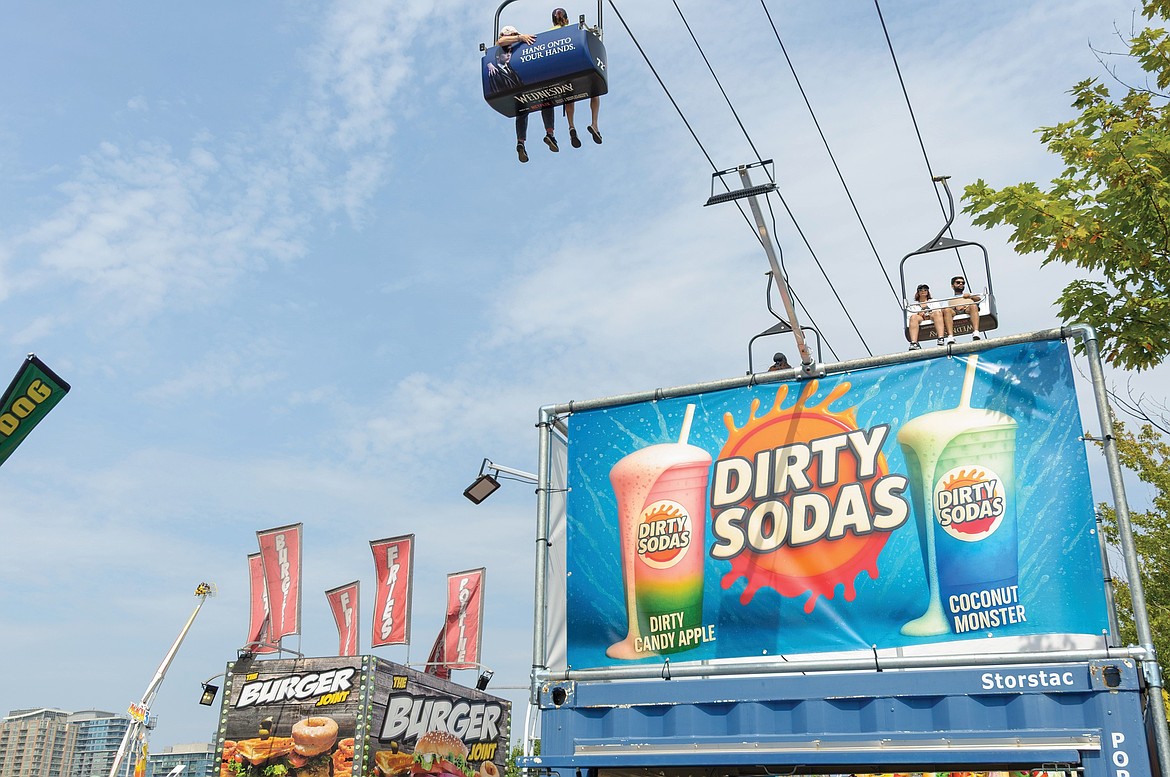
A dirty soda is a carbonated drink — usually cola, Dr Pepper or Mountain Dew — mixed with extra ingredients like cream, syrup or fruit puree. They made a splash in 2021 when pop singer Olivia Rodrigo posted a photo of herself with a cup from Swig, a Utah-based company specializing in dirty sodas.
The trend started in Utah, where about 42% of the population is composed of members of the Church of Jesus Christ of Latter-day Saints, according to the Journal of Religion and Demography. Members of the church usually don’t drink tea or coffee, which keeps them away from the more traditional American caffeinated summer drinks like sweet tea or a Starbucks Frappuccino. (We Americans do love our cold, sweet drinks, don’t we?) It also functions as an alcohol replacement for some, with many Utah students going to soda shops in the evening to grab a sugary drink and socialize.
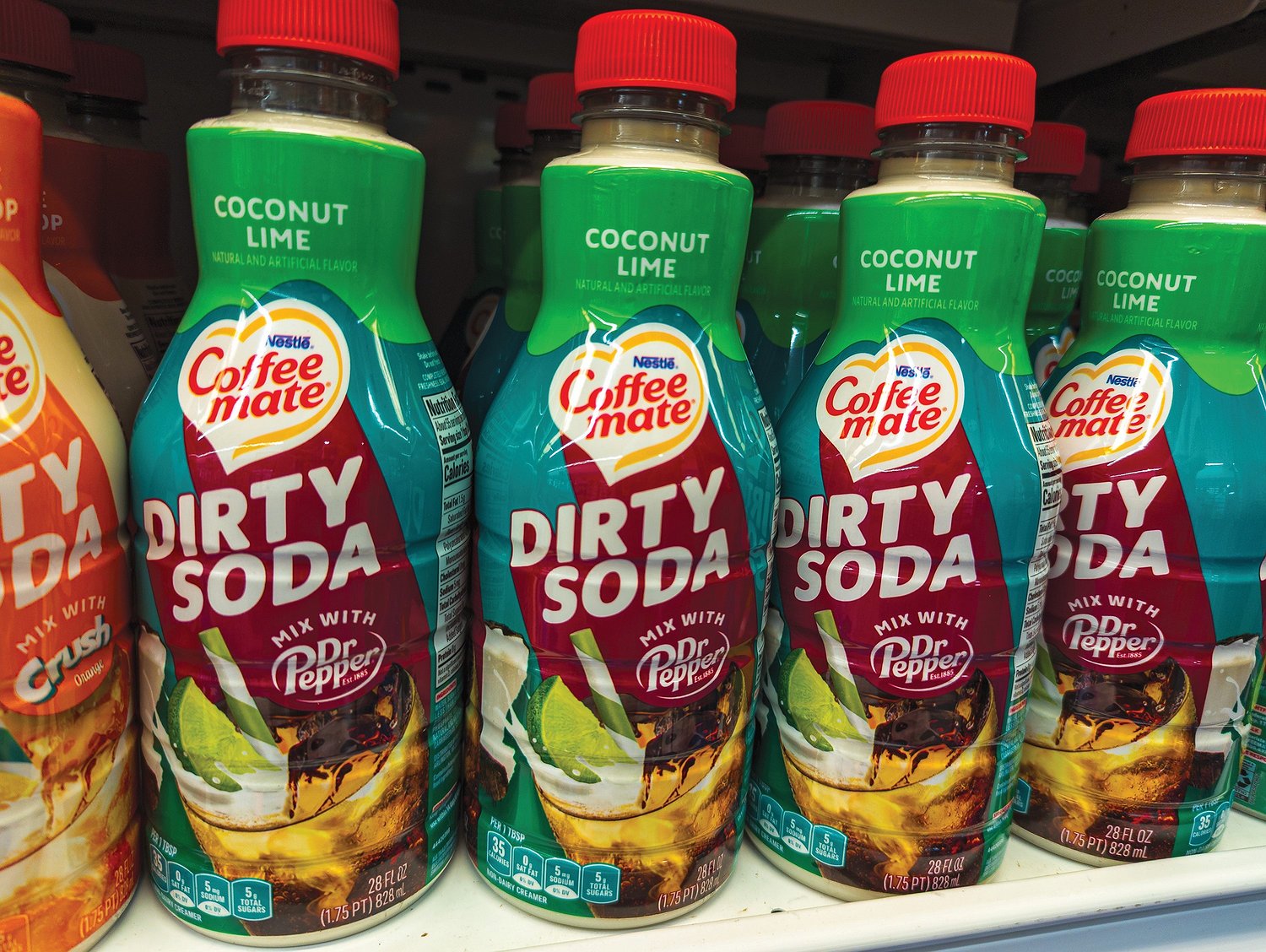
It proved popular enough to spread from there, with soda shops popping up in surrounding states. National chains like Sonic also joined in, including a “make it dirty” option for their drinks. In 2024, Dr Pepper released a limited-edition flavor, Creamy Coconut, and found that it was particularly popular in the region.
“They have represented 60% of the Creamy Coconut business, which says a lot to the desire of that flavor in the states of Utah and Idaho,” division sales manager Dean McKillip said in an interview with KSLTV.
If I were to make a guess, I’d say it’s because of Creamy Coconut’s similarity to one of the most popular dirty sodas: Dr Pepper with raspberry puree and coconut cream.
I first encountered dirty sodas while attending Brigham Young University in Provo, Utah. For many years, the university did not sell any caffeinated drinks on campus, so caffeine-dependent students like me would usually grab something to drink before class. This created a fiercely competitive market — first to stand out from gas station soda fountains, then to outdo each other.
The escalating competition, understandably, led to escalating sugar levels. Dirty sodas — even made with diet soda, as I prefer — still are quite high in sugar, and more of a treat than an everyday drink. (Think of it as a spinoff from the classic root beer float, maybe.)
If you are interested in trying out a dirty soda, you have a couple local options: First, there's Soda Love, a drive-through food truck at 305 W. Kathleen Ave. in the Super 1 Foods parking lot. It serves a great selection of drinks as well as soft pretzels. Another option in Coeur d'Alene is Sugarfix, a food truck serving soda and cookies, and it can often be found at Atlas Waterfront Park.
For a more hands-on approach, the sky’s the limit. A favorite in my family is a drink we lovingly but not very imaginatively call “Cokechata” — cola mixed with a little horchata. For a caffeine-free, light sugar option, I suggest using a base of Fresca, which pairs really well with mango.