

The Exhausted Dad: Math unlocks popular kid trends
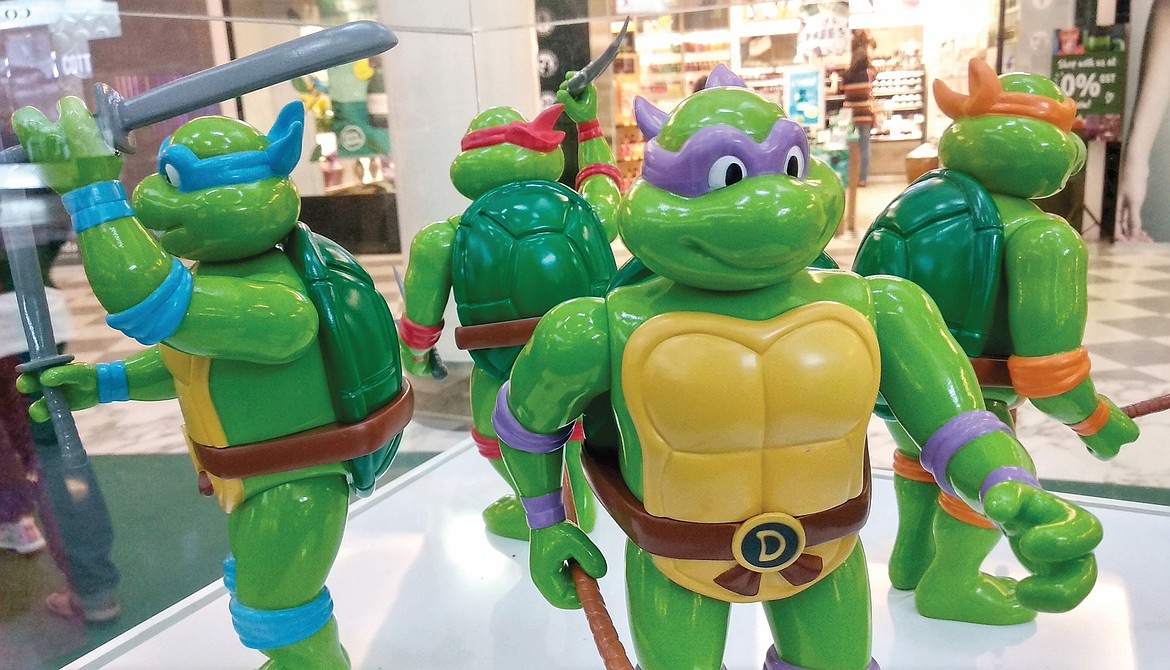


Kids don't say the darndest things.
They say the strangest, most confusing things.
While I would never brag about having my finger on the pulse of popular culture among the youth (Youths? Utes?), I did enough Googling in my younger days to understand much of the trendy slang and lingo of the times.
Nowadays, I don't have the energy to keep track of everything, and I also worry that some of these new words might be secretly offensive, dirty, racist, etc.
Last year, my elementary and middle school-aged kids were kind enough to fill me in on the likes of “rizz,” “sigma” and “brain rot.” As an apparent old man who yells at clouds, I did enjoy how I could summarize most youthful conversations as worthless brain rot. Actually, I'm still not sure if kids say “brain rot” ironically or if it means something unprintable. Quick! Someone who works at The Press under the age of 30, please proofread this article!
I only just discovered THE popular phrase of the elementary and middle school crowd in 2025. It’s been explained to me, and I also read a couple of apparently legitimate news articles about it. Still, I'm not convinced I'm in on the joke.
Fans of numerology probably already know what I'm talking about, as does anyone currently living with children between the ages of 6 and 16.
Whether or not you buy into cosmic kismet, I'm here to tell you this phrase is dominating the zeitgeist right now.
In an effort to keep ahead of the escalating challenge of third grade mathematics, my 8-year-old enjoys practicing story problems at home. He always wants Mom or Dad to make up the story problems, and I refuse to let ChatGPT be the (full-time) parent in the house.
People always say to “write math problems about what you know,” so I randomly crafted this little gem:
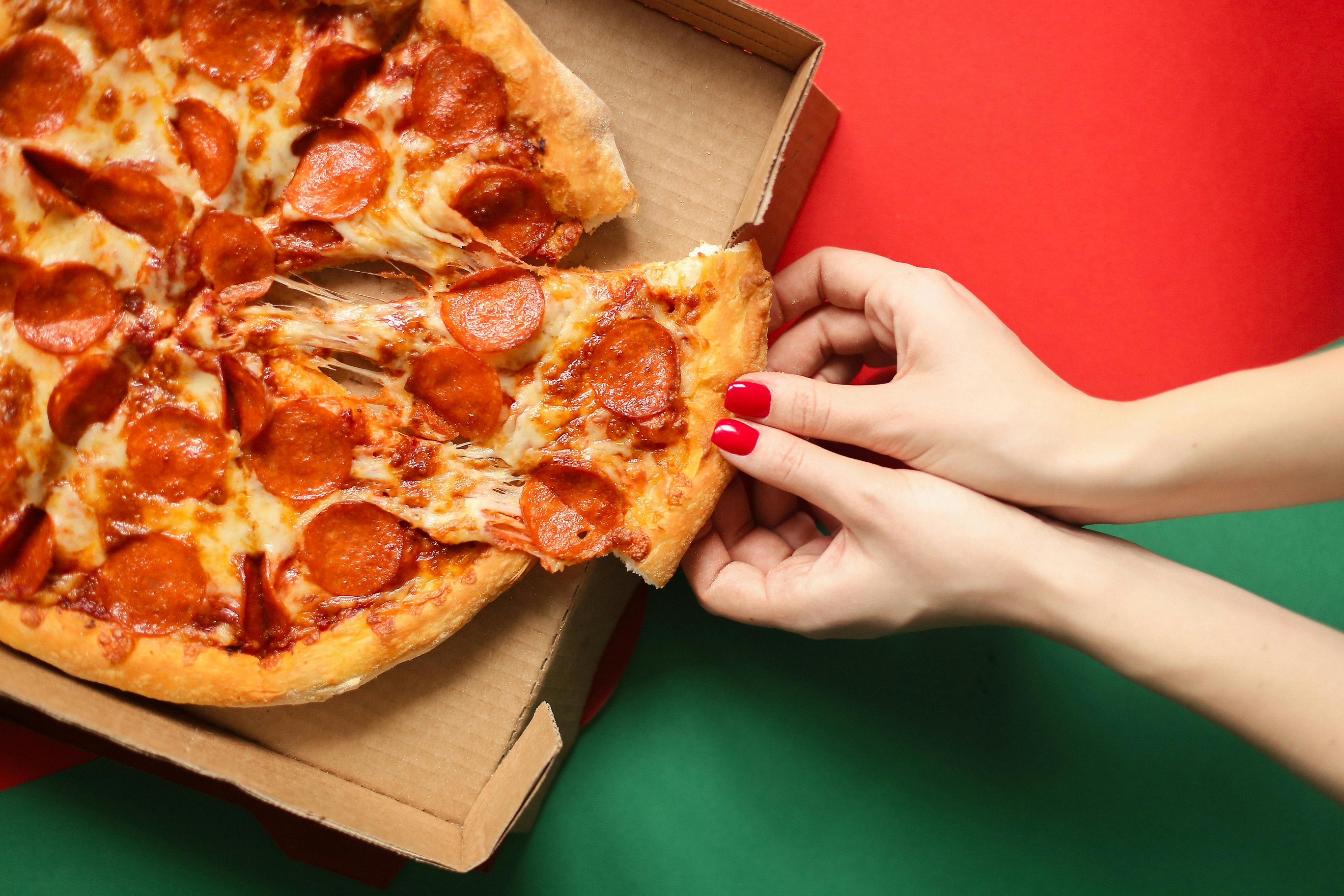
Mikey has 13 more pizza slices than Raphael. Donnie had 40 slices, which was 5 more than Raphael. How many pizza slices does Mikey have?
Ok, so the math is rudimentary, but the point was to give him a story problem with two different steps where he'd have to identify the order of the steps.
Here, you’d subtract 5 from 40 to get 35, then add 13 to arrive at 48 pizza slices for Mikey.
After he solved it, my son wanted another question. Write math about what you know!
So I extended it:
Leonardo had 7 fewer slices than Mikey. Splinter had 26 more pizza slices than Leonardo. How many pizza slices does Splinter have?
First of all, to poke at my own storytelling, why are we counting pizza slices this way? Just look and see how much each sewer mutant has in front of them! Why the riddles?!
My son quickly solved it:
You take Mikey’s 48 slices and subtract 7, giving you 41 slices. Then you add 26 slices to get the answer.
My son lit up and cheered when he wrote down the number. Then he beckoned his siblings. He had to show them the problem, and he had to announce the answer in a very specific cadence:
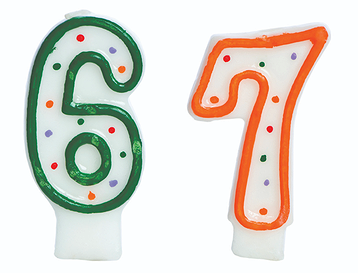
The answer is 67 pizza slices.
As in six-sevvvven.
They all assumed I designed the question to reach that particular answer. Because of the popular phrase, you see.
I asked them, honestly, when have they ever seen their father plan more than one step ahead of anything?
The three kids beckoned their older sister, a freshman in high school, to solve the problem. After some slightly alarming struggle with the math, she exploded with excitement too. Apparently this 6-7 business is red hot, and for a moment in time, I had my finger on the pulse of youth culture, though it came wrapped in a Ninja Turtles reference.
If you don't know about this 6-7 business, then you probably don't have kids. Basically, it means nothing. Or so the Internet tells me. And yet here you are, reading about it in a newspaper. I'm sorry. You, like me, are old.
• • •
Tyler Wilson is an attorney, freelance writer and parent to four kids, ages 8-14. He is tired. He can be reached at [email protected].
 The Exhausted Dad