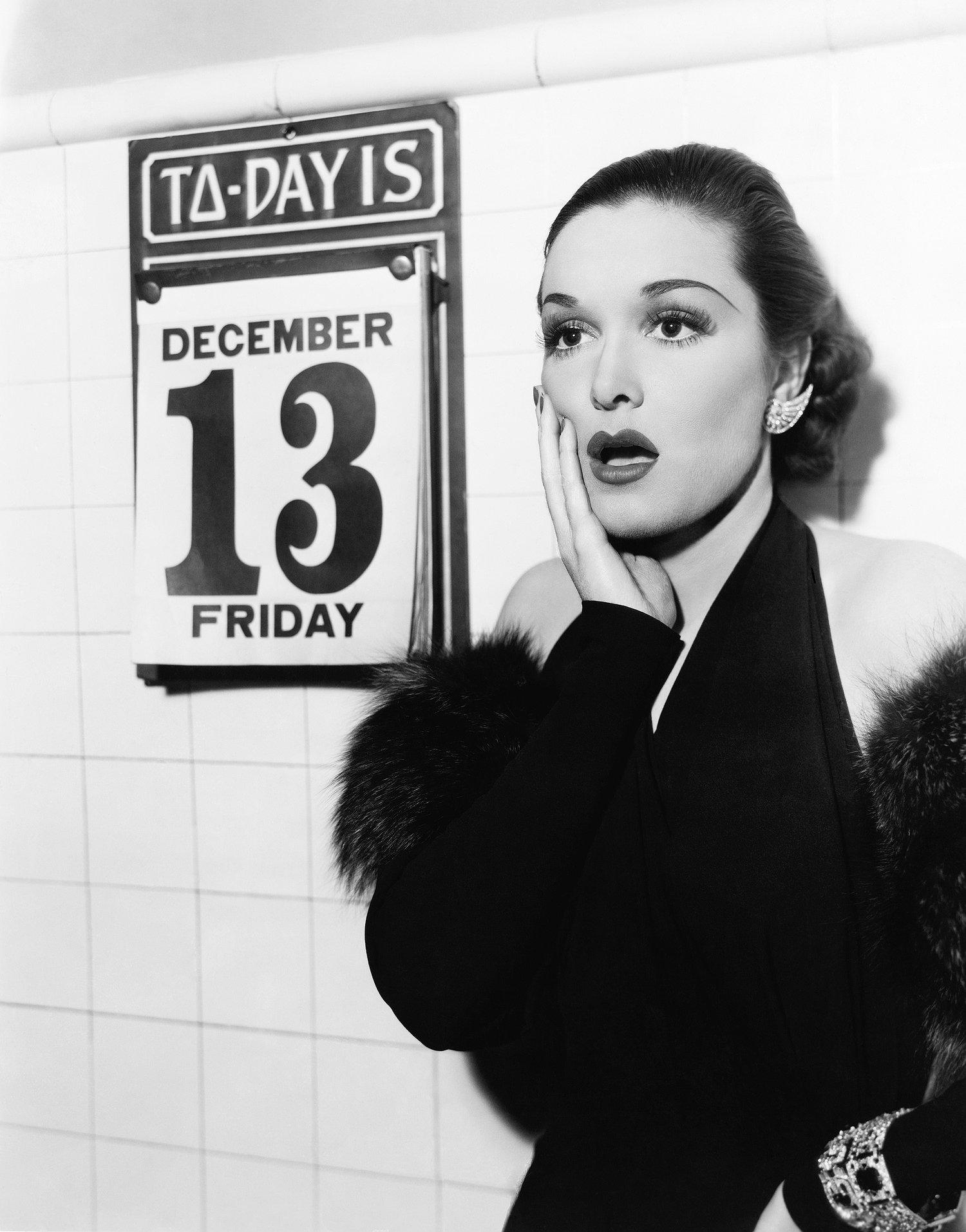

Relics of yore, superstitions still have an influence on daily life
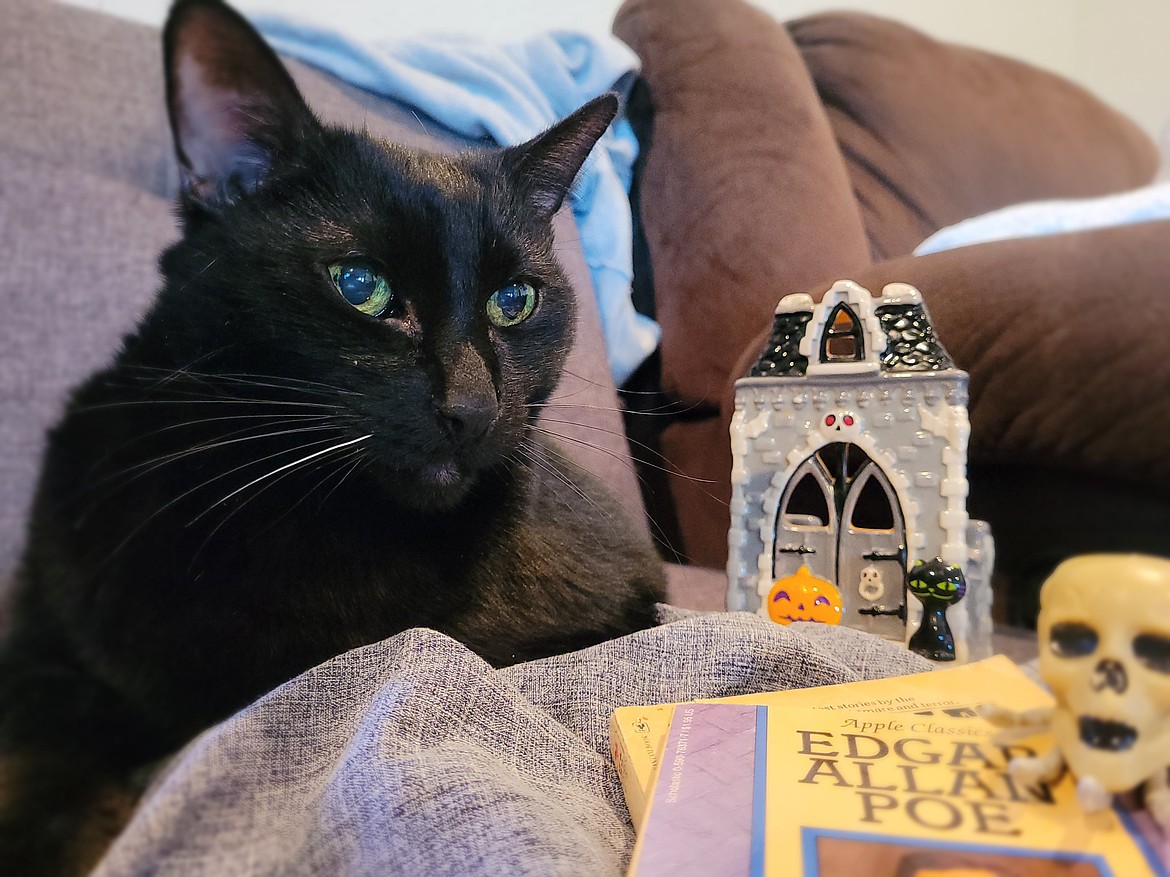


Crossing fingers, picking up pennies, searching for four-leaf clovers and avoiding black cats, sidewalk cracks, opening umbrellas indoors or walking under ladders are all part of a curiously common cultural practice of believing in superstitions.
Merriam Webster defines a superstition as "a belief or practice resulting from ignorance, fear of the unknown, trust in magic or chance or a false conception of causation," and yet superstitions continue to persist in 2025.
A few of the top superstitions followed in the United States are the broken mirror curse of seven years, the black cat's crossing path, walking under a ladder, knocking on wood, tossing salt over one's shoulder, avoiding the number 13, hanging horseshoes over doorways and fearing Friday the 13th, according to superstitionsomenssymbolism.com.
Black cats are often associated with witchcraft, going back to medieval times. Cats were also blamed for spreading the Bubonic plague and killed for their association with evil.
“In a particularly bizarre piece of irony, the killing of the cats helped fuel the spread of the plague,” Daniel Compora, associate professor of English language and literature at the University of Toledo, said in an October 2021 history.com article. “With the reduced number of cats to control the rodent population, the disease spread rapidly.”
Medieval Europeans believed the devil and witches were capable of taking the form of black cats, so it makes sense that the superstition surrounding crossing their paths developed, folklorist and artist Phoebe Millerwhite said in the article.
“Therefore, a black cat crossing your path might very well be on a mission from a witch,” she said. “Just as easily, it could be the devil in disguise — and no one wants to cross paths with the devil. This explains why a black cat crossing your path is considered a bad omen.”
This idea continued into the Renaissance, when a black cat crossing one's path might have indicated that a witch had sent her familiar to do harm.
Who tend to be some of the most superstitious? Athletes and sports fans. From lucky jerseys and hats to strange rituals and even kicking "unlucky" friends out of the house while watching a game, the wide world of sports can also be a weird one.
Baseball players are famous for being superstitious.
"Some players perform rituals before stepping up to bat, such as wearing the same socks or tapping the bat a certain number of times. Others avoid stepping on the foul line when entering or exiting the field," an article stadiumtalk.com states.
"In football, players often have pregame rituals such as wearing the same lucky underwear or listening to a specific song before a match," the article states. "Some players also have superstitions related to their equipment, like wearing the same gloves, taping their ankles or placing their helmets on the ground in a particular way."
Steeped in lore, rituals and ancient practices, superstitions can be found in every corner of the world. In Great Britain, it's common for people to say hello to magpies and ask about their wives in order to prevent a future incident of bad luck. In China, red doors represent vitality and prosperity, making for the ultimate welcome when visitors cross the threshold. Whistling at night is frowned upon in various countries.
"You might think whistling a happy tune after a long day at work is a good thing, but this is certainly not true in countries like Korea," according to thefactsite.com. "People believe ghosts and evil spirits are drawn in by the sound of whistling through an evening breeze and bring bad luck."
Why are people so obsessed with bad luck and events that are out of their control?
"In business, as in life, luck is rarely a random stroke of fate," according to a March 2025 forbes.com article. "It’s a byproduct of mindset, action and resilience."
It's not about good luck, bad luck, chance or coincidence — it's neuroscience.
"Studies on cognitive bias show that our expectations shape what we notice and how we respond," the Forbes article states. "In other words, the luckiest leaders aren’t those who’ve never faced setbacks — they’re the ones who refuse to let those setbacks define what’s possible next."
Superstitions have helped shape the world, but they're best taken with a grain of salt. Or perhaps a handful, to be chucked over the shoulder as needed.