
Understanding Your Brain and Nervous System: An In-Depth Guide
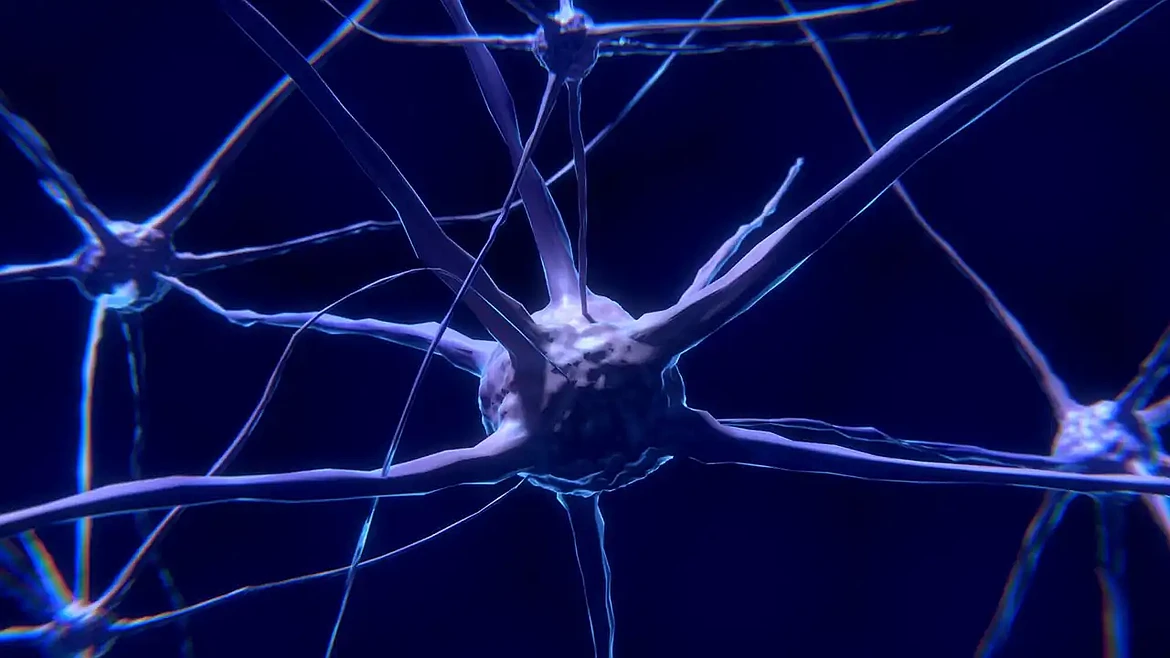
The brain is the central hub of the nervous system, working together with the spinal cord and network of nerves to control the body. This crucial relationship ensures communication between thoughts, movements, and sensations.
Via the nervous system, the brain controls voluntary movements, deciphers sensory information, and keeps bodily processes in balance. Together, they enable humans to think, feel, and move with clarity.
This close relationship ensures the body runs as one connected system, keeping people responsive to their needs and environment. Are you interested in learning more about the brain and nervous system? Read on to discover more about how your body works.
Brain Function Basics: What Does a Damaged Nervous System Feel Like?
When the brain and nervous system are damaged, symptoms can range from mild discomfort to severe disability. People may notice changes in sensation or movement. Sometimes people can even sense a change in thinking.
Damage might affect a specific area of the body or spread widely, depending on which nerves are involved. It often creates challenges that interfere with daily living.
- Tingling or numbness: Nerve damage can reduce or distort normal feeling in the skin or muscles
- Weakness or paralysis: Some nerves may lose their ability to send proper signals
- Pain or burning: Damaged nerves may create signals of pain even when no injury is present
Because symptoms vary, it is crucial to seek medical advice if you have concerns about Neuro Health or if nerve-related problems develop or persist over time. This kind of pain can grant some unique nervous system insights, meaning people with nerve pain can sometimes struggle to describe the sensations.
Reset the Nervous System?
You cannot press a switch to reset the nervous system. What you can do is apply clear, steady habits.
These habits keep stress in check and give the body time to recover. The methods are plain, but they must be done with discipline and the same steps each day so the body learns what to expect:
- Deep breathing: Slow, nasal inhales and calm exhales steady the heart
- Regular sleep: Fixed bed and wake times anchor the day
- Light exercise: A twenty-minute walk or stretch improves circulation and steadies nerves
- Brief pauses: Short breaks with water and slow breaths prevent stress build-up
By repeating these steps each day, people lower stress, think more clearly, and keep the nervous system working well over time. Consistency matters more than effort; the small acts done today make tomorrow easier.
What Illness Attacks the Nervous System?
Several illnesses strike the nervous system, breaking down its ability to send and receive signals. Some come from the immune system turning against the body, while others are degenerative or inherited. Though causes differ, the result is the same: loss of clear control over body functions and thought.
Common examples include:
- Multiple sclerosis (MS): The immune system attacks the nerve covering, slowing or blocking signals
- Parkinson's disease: Loss of dopamine neurons causes tremor, slowness, and stiffness
- Alzheimer's disease: Progressive brain cell loss harms memory, planning, and orientation
- Peripheral neuropathy: Damage to peripheral nerves causes burning pain, tingling, or numbness
These conditions vary in speed and severity, but all erode independence. Early diagnosis, regular follow-up, and a clear care plan give the best chance of slowing their advance and preserving quality of life.
FAQs
What Are Early Warning Signs Of Nerve Damage?
According to the MayoClinic, early warning signs often include tingling, numbness, weakness, or unexplained pain that begins in the hands or feet and slowly spreads. Other symptoms may involve:
- Muscle cramps: Sudden or frequent spasms in affected areas
- Changes in skin sensitivity: Unusual reactions to heat, cold, or touch
- Coordination problems: Difficulty with balance, dexterity, or fine motor tasks
- Persistent fatigue: Tiredness that does not improve after getting rest
Recognizing changes and getting them evaluated can prevent further nerve damage and help doctors begin treatment before the problem becomes disabling.
Can the Nervous System Heal Itself?
According to Palaniappan Ganesh Nagappan and others, the nervous system has some ability to heal, but this depends on the type and severity of damage. Recovery can happen in various ways, including
- Minor nerve repair: Small nerve fibers may recover over weeks or months
- Partial recovery: Some functions may return, but not fully
- Severe damage: Major injuries or chronic diseases often prevent complete healing
Treatments can help with recovery, keep symptoms under control, and stop things from getting worse. Because our bodies do not have built-in repair mechanisms, medical care is often needed to help people heal faster. Comfort and quality of life can be significantly enhanced by:
- Medication: Doctors use pain relievers, anti-inflammatories, or other drugs to manage symptoms and slow the disease
- Physical therapy: Targeted exercises and balance drills can build strength and reduce pain
- Lifestyle modifications: Regular sleep, a balanced diet, and reduced alcohol or tobacco use support nerve health
When Should I See A Doctor For Nerve Symptoms?
If nerve-related symptoms persist for more than two weeks, worsen, or disrupt daily life, it's essential to consult a physician. Warning signs that require attention include:
- Sudden weakness: Rapid loss of muscle control or strength
- Spreading numbness: Tingling or loss of sensation that expands quickly
- Coordination loss: Trouble with balance, walking, or fine motor skills
- Vision or speech changes: Sudden blurring, confusion, or slurred words
If you notice sudden problems with your vision, balance, or muscle strength, it is important to seek medical attention immediately.
Do not ignore even milder symptoms that persist, as they could be a sign of an underlying condition that needs treatment. Getting a timely evaluation is the key to managing your health effectively.
Seeing a doctor early on helps to:
- Identify the cause: Identify the root cause of the symptoms
- Begin treatment sooner: Start the right therapies or treatments sooner
- Prevent complications: Prevent long-term complications
- Protect independence: Maintain your independence and quality of life
Now You Know More About Your Brain and Nervous System
Use this neuroscience guide to apply daily habits that stabilize stress, protect function, and support recovery. Understanding nervous system roles helps you act early, seek care, and choose treatments that preserve your brain and nervous system.
If you are interested in learning more about some other topics relating to science and human biology, check out some of our other blog posts.
This article was prepared by an independent contributor which helps us continue delivering quality content to our audiences.