
Ultimate Guide to Planning Your White Water Rafting Adventure
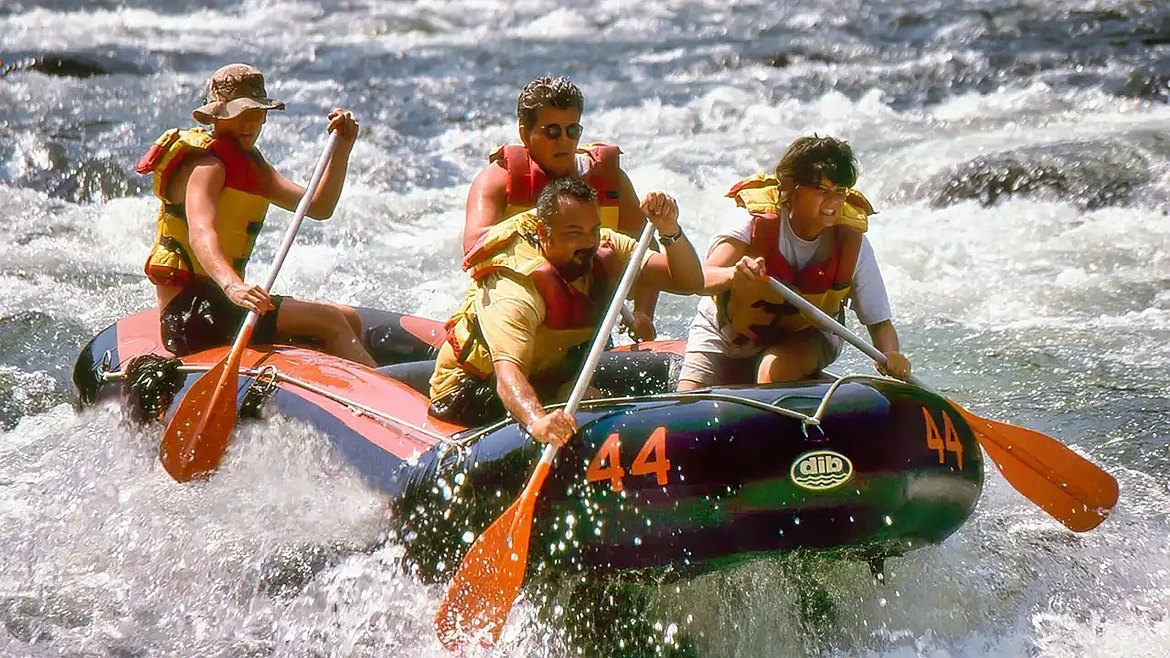
White water rafting is one of the most thrilling outdoor adventures you can experience, blending teamwork, adrenaline, and the beauty of nature into one unforgettable journey. But you need proper planning to enjoy it.
There are dozens of rivers in the United States with gallons of water pumping through them, which you can use when planning a raft adventure.
Whether you're a beginner or a seasoned paddler, proper planning ensures your trip is exciting, safe, and stress-free. From choosing the right river to packing the right gear, this guide walks you through everything you need to know before you hit the rapids.
How to Choose the Right River for Your Skill Level?
Rivers are classified by difficulty using a six-level system:
- Class I: Easy, calm water with small waves, perfect for beginners and families.
- Class II-III: Moderate rapids requiring paddling skills, great for adventurous beginners and intermediates.
- Class IV-V: Intense and technical rapids, ideal for experienced rafters.
- Class VI: Extremely dangerous and rarely attempted commercially.
If it's your first time, opt for a Class I-III river with a guided tour. Popular beginner-friendly rivers include the Nantahala (North Carolina), Colorado (Arizona), and Klamath (California).
What Is the Right Season for White Water Rafting?
Water levels and rafting conditions change based on location and season. Spring and early summer often bring faster-flowing rivers due to snowmelt, while late summer and fall provide milder conditions and warmer temperatures. Do your research and check weather forecasts for your destination.
Book with a Licensed Outfitter
Unless you're an expert leading your own trip, go with an experienced outfitter. A reputable company like Pro Rafting Tours provides:
- Certified guides
- Safety equipment
- Trip orientation
- Transportation to and from the river
Be sure to read reviews, check certifications, and confirm the size and trip duration of the group rafting excursions before booking.
What to Wear When Going White Water Rafting?
Your clothing can make or break your comfort on the water. The essentials include:
- Quick-dry clothing (no cotton)
- Water shoes or secure sandals
- Swimsuit or base layer
- Wetsuit or splash jacket in colder temperatures
- Helmet and life jacket (typically provided by outfitters)
Avoid jewelry, bulky layers, and anything that could snag on equipment.
Pack Smart for the Trip
Your gear needs depend on your tour provider and trip length, but common essentials include:
- Sunscreen and lip balm
- Sunglasses with a strap
- Dry bag for valuables
- Water bottle with secure lid
- Towel and a change of clothes for after the trip
- Snacks or a packed lunch if not provided
For multi-day adventures, bring camping gear, toiletries, insect repellent, and weather-appropriate layers.
What Are Some Rafting Safety Tips?
Even on beginner runs, safety is critical. Before boarding the raft, your guide should teach you:
- How to hold a paddle
- How to sit securely
- What to do if you fall out ("swim position")
- How to listen and respond to commands
Always wear your personal flotation device (PFD) properly fastened and don't remove your helmet on the water.
Build Physical Readiness
You don't need to be an athlete, but some fitness helps. Strengthening your core, legs, and shoulders improves your paddling stamina. Simple exercises like squats, planks, walking, and swimming can make your experience more enjoyable.
Choose the Right Group
Rafting is teamwork. If you're going with friends or family, make sure everyone's comfortable with the difficulty level. For solo travelers, outfitters can pair you with like-minded groups.
Understand the Duration and Flow
Day trips typically last two to six hours, depending on the route and water speed. Multi-day guided trips can include:
- Meals
- Camping
- Scenic stops
Make sure you know what's included in your package.
Respect Nature and the Environment
Rafting gives you front-row access to stunning landscapes. Help preserve them by following Leave No Trace principles:
- Pack out all trash
- Use biodegradable sunscreen
- Stay on designated trails
- Avoid disturbing wildlife
Capture the Memories Safely
Many outfitters offer photo or video packages. If you're bringing your own camera, make sure it's waterproof and securely mounted. Avoid holding devices in your hand during rapids.
Be Prepared Mentally
Rafting brings adrenaline, but it can also include surprises. Rapids, splashes, bumps, and unexpected dips are all part of the fun. Stay alert, follow instructions, and keep a positive attitude.
Frequently Asked Questions
What Should I Bring on a White Water Rafting Trip?
Essentials include quick-dry clothing, water shoes, sunscreen, sunglasses with a strap, a water bottle, and a towel for after the ride. If you're on a longer trip, bring snacks or confirm if food is included. Many outfitters supply:
- Helmets
- Paddles
- Life jackets
Can Beginners Go White Water Rafting?
Absolutely! Many rivers offer Class I-III rapids that are perfect for first-timers. Choose a guided tour with a licensed outfitter, and they'll walk you through everything you need to know.
What Happens If I Fall Out of the Raft?
Your guide will teach you how to respond before the trip. The standard approach is to float on your back with feet pointing downstream and arms out for balance. Avoid panicking and listen for instructions from your guide.
Do I Need to Know How to Swim?
While swimming skills help, many beginner-level rafting trips allow non-swimmers as long as they're comfortable wearing a life jacket. Always inform the outfitter in advance so they can make accommodations.
What Should I Wear While Rafting?
Wear moisture-wicking clothes (no cotton), secure shoes, and layers appropriate to the weather. Outfitters often provide wetsuits or splash gear in colder conditions. Avoid accessories that could fall off or get caught.
Are Kids Allowed on Rafting Trips?
Most outfitters set age requirements based on river difficulty and water conditions. Many Class I-II trips allow children as young as six, but always check with the tour provider.
Choose Beginner-Friendly White Water River Destinations
There are so many white water river destinations to choose from when going white water rafting. Choose the ones that are beginner-friendly so you can have a safe first experience.
If you enjoyed this article, then consider checking out our news website with comprehensive coverage on a wide variety of subject matter.
This article was prepared by an independent contributor which helps us continue delivering quality content to our audiences.