
Colonial-Style Home: Timeless Elegance and Charm Explained
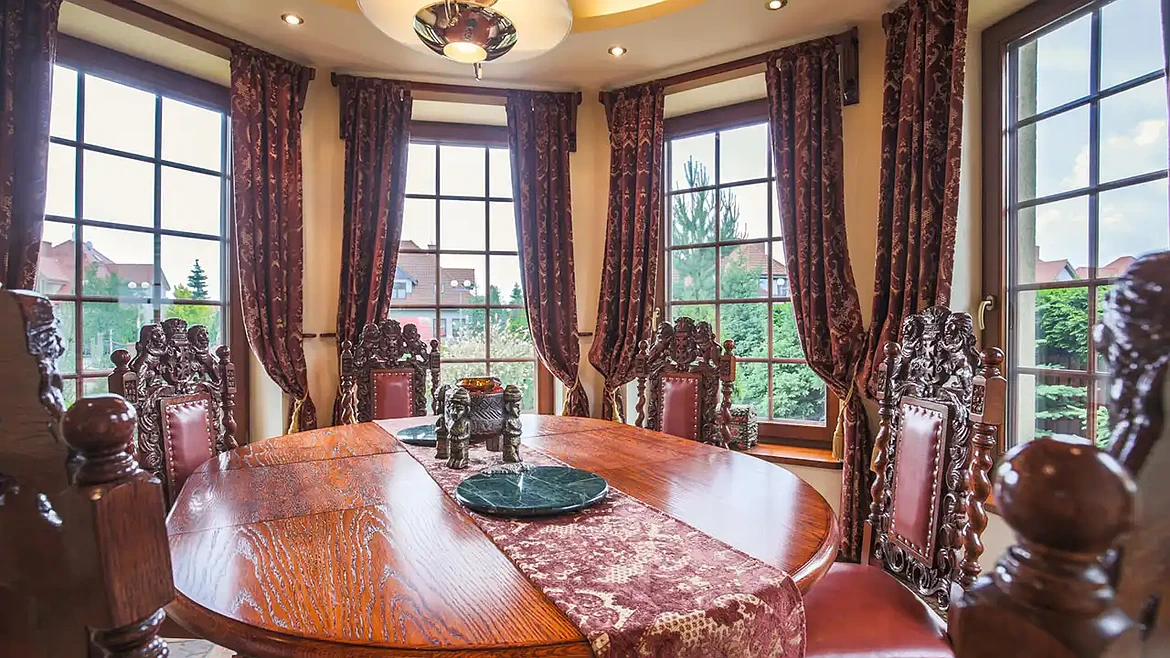
Colonial-style homes are admired because they never go out of style. Their elegance and charm give everyday living a sense of tradition without feeling outdated.
A colonial-style home isn't just historic. It's everywhere. According to the latest Realtor.com® Architectural Style Report, 49.8% of active U.S. listings in May 2025 were colonial-style, particularly in the South and Northeast.
What keeps buyers drawn to them? Clean lines, balanced layouts, and classic details that feel surprisingly modern.
Explore the features that make these homes timeless and see how they could fit your lifestyle.
What Makes a House Colonial Style?
Colonial-style homes trace their origins to early America, reflecting the practical needs and aesthetic preferences of settlers. Traditional Colonial architecture served both decorative and functional purposes, supporting family life while adding structure and visual interest. Gabled roofs, central chimneys, and brick or wood facades created a balanced, orderly appearance.
Modern builds continue to draw inspiration from historic traits. Rooflines, window placement, and classic materials maintain order and charm, giving colonial-style homes a sense of familiarity and lasting appeal. The enduring influence of traditional colonial architecture keeps a historic style relevant and inviting today.
Colonial Home Interior Design That Lasts
Colonial-style home interiors highlight refined materials and finishes. Wood paneling, wainscoting, and built-in cabinetry create depth and texture, while muted color palettes set a calm, cohesive tone.
Key interior features include:
- Chair rails and crown molding
- Paneled doors with classic hardware
- Built-in window seats or bookcases
- Decorative fireplace mantels
Elevating Interiors with Colonial Accents
Small details in Colonial-style home interiors bring history to life and make the home feel inviting. Imagine antique-inspired chandeliers casting a warm glow over a room or period-style furniture that highlights the room's architecture.
Upholstered chairs in muted fabrics add comfort while keeping the classic style intact. Rugs layered over hardwood add warmth underfoot, and carefully placed furniture gives rooms a sense of balance.
Statement lighting and decorative accents bring character to every corner, connecting modern living with the home's historic roots. The result is a space that feels comfortable, functional, and unmistakably colonial.
Historic Home Renovation: Breathe New Life
Renovating a colonial-style home enables homeowners to preserve its historic character while incorporating modern functionality. New plumbing, wiring, and open floor concepts improve daily living without sacrificing architectural integrity.
Features like hand forged wrought iron hardware and accents help maintain authentic craftsmanship and provide distinctive visual interest. Other key renovation elements could include:
- Updated kitchens and bathrooms
- Preserved woodwork and molding
- Original staircases
- Restored fireplaces and mantels
- Refinished hardwood flooring
- Modernized lighting and fixtures
Colonial House Landscaping for Curb Appeal
Colonial-style landscaping emphasizes symmetry and simplicity, reflecting the architectural balance of the home. Boxwood hedges, brick pathways, and neatly trimmed lawns create a welcoming exterior that complements traditional design. Porches and shutters further enhance the sense of order and charm.
Landscaping can also impact a home's value. Research from The University of Texas at Arlington shows that strong curb appeal can add as much as 7% to a home's sale price. Well-planned and maintained landscaping is a critical component of curb appeal.
What Are the Disadvantages of a Colonial-Style Home?
Colonial-style homes offer charm, but they may not suit every homeowner's needs. While visually appealing, they can present certain challenges worth considering before purchasing or renovating.
Maintenance Intensity
Steep roofs, multiple chimneys, and large windows require frequent upkeep. Repairs often become costly and time-consuming.
Limited Floor Plan Flexibility
Traditional layouts may restrict open-concept living or modern remodeling. Altering the flow of rooms usually involves significant work and cost.
Energy Efficiency Concerns
Older Colonial homes often have outdated insulation and HVAC systems. Heating and cooling costs can be considerably higher.
Higher Renovation Costs
Preserving historical details, such as woodwork or moldings, can be expensive. Renovations typically require specialized craftsmanship and additional time.
Accessibility Issues
Multi-story designs often include narrow stairways and limited first-floor living space. Seniors or individuals with mobility challenges may face difficulty navigating the home.
All home designs have disadvantages, so don't let a few dampen your appreciation for a historic home. Planning for renovations in your budget is wise, whether you're buying a period home or you already own one.
Frequently Asked Questions
Will It Be Difficult to Insure a Colonial-Style Home?
Most insurance companies can underwrite a policy for a Colonial-style home. However, insurers may require updates to meet current safety codes. You may need to update the electrical system, install smoke detectors, and reinforce the roofing materials.
Completing these improvements helps ensure full coverage while protecting the home's historic features. Discuss with your insurance agent to ensure that the coverage protects both the structure and the unique architectural details.
How Long Does It Take to Renovate a Colonial Home?
Renovating a colonial-style home can take anywhere from a few weeks to several months, depending on the scope of work and the need to preserve historic features. Kitchen and bathroom updates often take extra time because plumbing, wiring, and period-appropriate details require careful installation.
Restoring original elements like woodwork, fireplaces, or staircases also requires skilled craftsmanship. Extensive restorations can extend the timeline compared with standard remodeling projects.
Can I Incorporate Modern Technology Without Affecting the Style?
Absolutely. Smart home systems, lighting, and security devices can fit seamlessly into a colonial-style home. Hiding wiring behind walls or inside cabinetry protects woodwork and preserves period features, letting modern convenience blend naturally with historic character.
How Does a Colonial Home Hold Its Value Compared to Other Styles?
Colonial homes tend to retain market appeal due to their timeless design. In many regions, they experience strong resale value because of broad buyer recognition and enduring architectural charm.
If you've fallen in love with a colonial-style home, ask your realtor for recent sale prices of similar homes. Comparing these numbers helps set realistic expectations for potential resale value in a changing market.
Ready to Find Your Next Home?
A colonial-style home blends history, symmetry, and classic home decor elements to create spaces that are both elegant and practical. From interior layouts and décor to landscaping and renovation opportunities, this style continues to inspire homeowners who value character and functionality.
Discover more insights on home buying, renovations, and maintenance through our collection of expert articles, and see how design choices can shape both the value and the feel of your next home.
This article was prepared by an independent contributor which helps us continue delivering quality content to our audiences.