
Unveiling the Pros and Cons of Medical Tourism for Plastic Surgery
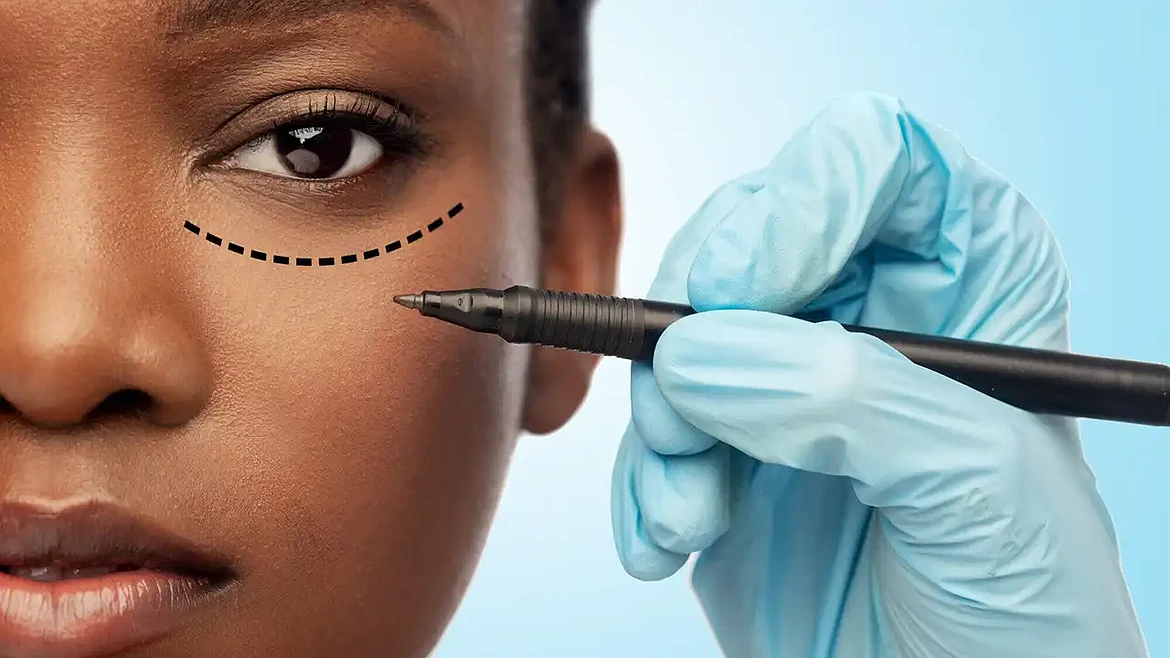
Medical tourism for plastic surgery has surged in popularity as more people seek affordable cosmetic procedures abroad. From facelifts to tummy tucks, patients are traveling to health tourism destinations like Mexico, Thailand, Brazil, and Turkey to combine surgery with travel.
The global medical tourism industry is valued at $31.23 billion in 2024 and is predicted to grow to $162.80 billion by 2032, according to Fortune Business Insights. While the opportunity to save money and receive specialized care is enticing, medical tourism also comes with notable risks.
Understanding both the advantages and potential pitfalls will help you determine whether traveling for surgery is the right choice.
What Are the Advantages of Plastic Surgery Abroad?
There are many reasons why you should consider travelling abroad for plastic surgery rather than staying in the United States. They include:
Significant Cost Savings
One of the biggest draws of medical tourism is the affordable plastic surgery. Procedures that cost thousands in the U.S. or Canada might be available for half, or even a third, of the price overseas due to lower labor and facility costs.
Access to Specialized Surgeons
Some international surgeons have extensive experience in specific cosmetic procedures because of the high demand in their region. Patients often find board-certified specialists overseas with impressive portfolios and modern clinic facilities.
Shorter Wait Times
In places where healthcare waitlists are common, medical tourism offers a faster route. Many clinics abroad can schedule surgeries within days or weeks rather than months.
Vacation Appeal
The idea of recovering in a peaceful or scenic location appeals to many. Some clinics even offer luxury packages with private recovery accommodations, transportation, and aftercare.
What Are the Risks and Drawbacks of Medical Tourism?
Medical tourism for plastic surgery comes with its risks and drawbacks. It's not all roses. Here are some things to watch out for:
Quality and Safety Standards Vary
Not all countries regulate their clinics as strictly as Western nations. Inconsistent accreditation, outdated equipment, or limited sanitation standards can increase the risk of infection and poor outcomes.
Limited Legal Recourse
If something goes wrong, pursuing legal action in another country is complicated and often ineffective. Patients may have little protection if a surgeon is negligent.
Recovery Complications and Travel Strain
Flying shortly after surgery increases the risk of:
- Blood clots
- Swelling
- Infection
Recovering far from your primary care doctor also poses challenges if complications arise later.
Hidden or Unexpected Costs
Though the initial price might be lower, additional expenses, like airfare, accommodations, follow-up visits, and potential revisions, can add up quickly. Do your research before going for overseas plastic surgery.
Weighing Your Priorities
Before deciding, consider your motivations. Are you primarily driven by cost, cosmetic specialization, privacy, or convenience?
Patients who carefully research their surgeon, verify credentials, and ensure the clinic is accredited tend to have better experiences. Look for international accreditation bodies such as the Joint Commission International (JCI) or the International Society of Aesthetic Plastic Surgery (ISAPS).
When Medical Tourism Works Well
For many people, medical tourism is a success story. Patients who choose reputable clinics, have realistic expectations, and stay for proper recovery often report excellent outcomes and significant savings. Some countries even have internationally trained surgeons using state-of-the-art techniques and technologies.
When Medical Tourism Goes Wrong
Unfortunately, there are cases where patients face infections, unsatisfactory results, or the need for corrective surgery upon returning home. Local surgeons may be hesitant to revise or manage complications from another provider, which can lead to additional costs and frustration (for example, check out how much does endolift cost in Dubai).
Inconsistent standards and limited aftercare are the biggest vulnerabilities.
Frequently Asked Questions
Is Medical Tourism for Plastic Surgery Safe?
It can be safe if you choose a reputable, accredited clinic with board-certified surgeons. However, safety standards differ by country, so verifying credentials and facility quality is essential.
How Much Money Can I Expect to Save?
Savings vary, but many procedures abroad cost 30 to 70% less than in the U.S. or Canada. Be sure to factor in:
- Travel
- Lodging
- Insurance
- Possible follow-up costs
What Should I Look for in a Surgeon Overseas?
Check for board certification, years of experience, patient reviews, and accreditation by global bodies like JCI or ISAPS. Ask for before-and-after photos and confirm the clinic's surgical safety protocols.
What Are the Biggest Risks?
The major risks include:
- Infection
- Miscommunication
- Poor surgical results
- Difficulty accessing follow-up care
- Limited legal recourse if something goes wrong
That's why getting medical insurance is a good idea.
How Long Should I Stay After Surgery?
Most patients stay at least one to two weeks, depending on the procedure. Leaving too soon increases the risk of complications during travel and recovery.
Can I Get Follow-Up Care at Home?
You can, but some surgeons may be reluctant to treat complications from procedures done abroad. If revisions are needed, it could cost more than expected.
Do I Need Special Insurance?
Yes, consider travel medical insurance or a policy that specifically covers surgical complications and medical evacuation if necessary. Make sure to get purchase insurance before you get on that flight for it to be valid.
Is Combining Vacation and Surgery a Good Idea?
While the idea is appealing, remember that surgery recovery is not leisure time. Rest, cleanliness, and medical supervision matter more than sightseeing.
When Is Medical Tourism Not Recommended?
It's not ideal for high-risk patients, those needing complex surgeries, or anyone unable to stay abroad long enough for safe recovery and monitoring. You cannot get on a plane right after some plastic surgery operations, so you need to take that into consideration.
How Do I Decide If It's Right for Me?
Weigh the cost savings against the risks, research thoroughly, consult professionals, and prioritize long-term results and health over convenience. You need to spend the time and do proper research online and offline.
Is Medical Tourism for Plastic Surgery Worth it?
Medical tourism for plastic surgery can offer compelling benefits, but it is not risk-free. If you're considering it, take time to research, consult with professionals, review the clinic's track record, and plan your recovery thoroughly. Cost savings should never come at the expense of safety, quality, and long-term health.
If you enjoyed this article, please check out the wide array of blog articles we have on our news site.
This article was prepared by an independent contributor which helps us continue delivering quality content to our audiences.