
Where Should You Check for Asbestos If You're Moving Into an Older Home?
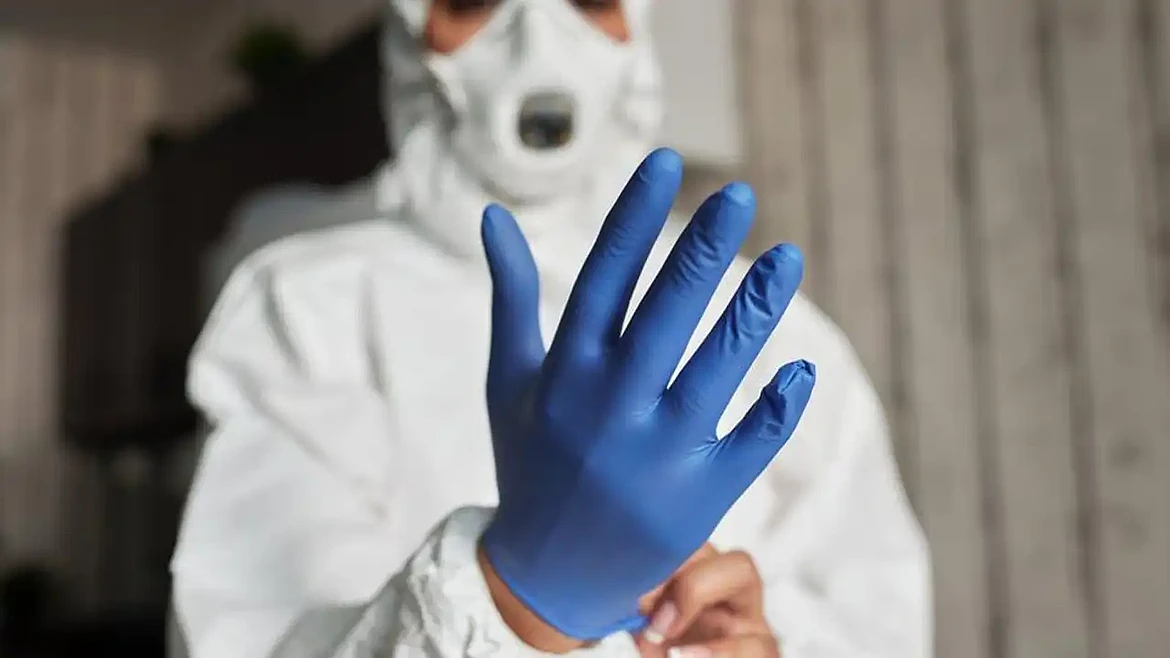
Asbestos in a home can be dangerous, especially if you are moving into a property built before the 1980s. Many older houses contain asbestos materials that, when disturbed, release fibers into the air. Breathing in these fibers can lead to serious asbestos health risks.
According to the World Health Organization, asbestos exposure causes more than 200,000 deaths globally each year. While asbestos was once praised for its durability and fire resistance, we now know the dangers it poses. That's why it's important to know where asbestos may be found in an older home and what steps to take if you suspect its presence.
In this blog, we'll look at common sources, warning signs, when to worry, and how to stay safe. Let's get started.
Where Is Asbestos Found in Older Houses?
In older houses, asbestos was used heavily in construction materials because of its durability and fire resistance. It was applied to many areas of the home, often without homeowners realizing it. Common locations include:
- Attic insulation
- Floor tiles
- Foofing shingles
- Siding
- Ceiling panels
It can also be present around old pipes and in textured paints or spray coatings that were popular decades ago. These materials may still look intact but could release fibers if disturbed.
Since asbestos cannot be identified by sight alone, testing is the only reliable way to confirm it. For anyone moving into an older property, especially one built before the 1980s, a professional inspection is a smart step before making repairs or renovations.
What Are the Symptoms of Asbestos in Your Home?
A house does not show symptoms in the same way a person does, but there are signs that asbestos may be present. Over time, materials break down and may give subtle warnings.
Crumbling insulation, damaged ceiling tiles, brittle siding, or worn flooring can suggest asbestos-containing materials. These items often weaken as they age, particularly if exposed to moisture or heavy use.
Not all damaged materials contain asbestos, so appearances can be misleading. The only way to confirm is through testing. If you notice aging or deteriorating materials in an older home, it's best to avoid touching them until a professional has assessed the situation.
When to Worry About Asbestos in a House?
Asbestos is most concerning when materials that contain it are damaged or disturbed. In these cases, fibers can be released into the air and pose health risks.
Renovations, drilling, sanding, or demolition in older houses can all trigger exposure. Even small repair jobs may increase danger if asbestos-containing materials are involved.
You should worry if you plan to remodel or if you notice visible damage in older construction materials. In those cases, a professional inspection before beginning work is the safest approach. Acting early protects both the home and the people living in it.
Contacting professionals for asbestos removal is essential because they have the training, equipment, and certification to handle the material safely and prevent dangerous exposure.
Health Risks Linked to Asbestos Exposure
The health risks of asbestos come from breathing in its tiny fibers. Once inhaled, they can lodge in the lungs and remain there for years, slowly causing damage. Diseases linked to asbestos exposure include:
- Asbestosis
- Mesothelioma
- Lung cancer
These conditions develop over decades, making the risks easy to underestimate at first. Even low levels of exposure carry danger, as there is no completely safe amount.
People living in homes with deteriorating asbestos materials are more vulnerable. Because of these risks, asbestos should always be handled by trained professionals. Proper testing and removal, when necessary, greatly reduce the chance of long-term health problems.
Frequently Asked Questions
How Common Is Asbestos In Older Homes?
Asbestos was widely used in construction materials until the late 1970s, so many homes built before the 1980s may contain it. Common places include insulation, floor tiles, siding, and ceiling materials. Not every older home has asbestos, but it is common enough that professional testing is strongly recommended before renovations.
Can I Test For Asbestos Myself?
It is not advised to test for asbestos on your own because disturbing materials can release fibers into the air. Professional inspectors are trained to take safe samples and send them to certified labs. This ensures accurate results while keeping you and your family safe from exposure.
Is It Safe To Live In A House With Asbestos?
Asbestos is generally not harmful if the materials containing it are in good condition and left undisturbed. The danger arises when materials become damaged, worn, or disturbed during remodeling. In those cases, fibers can be released, making professional removal or containment necessary.
Will A Standard Home Inspection Check For Asbestos?
Most standard home inspections do not include asbestos testing. Inspectors may point out suspicious materials, but confirming asbestos requires specialized testing. If you are buying an older property, it is best to schedule a separate asbestos inspection.
Can Asbestos Be Sealed Instead Of Removed?
Yes, in some cases asbestos can be safely sealed, or "encapsulated," rather than fully removed. Encapsulation keeps fibers from escaping and can be a cost-effective option. However, the method depends on the condition of the material, and only licensed professionals can determine if it is safe.
What Should I Do If I Suspect Asbestos In My Home?
If you suspect asbestos, avoid disturbing the area. Do not drill, sand, or cut into suspicious materials. Contact a certified asbestos professional to conduct testing and recommend the safest next steps for managing or removing it.
Dealing With Asbestos in a Home
Moving into an older property can be exciting, but it also comes with certain risks. One of the most serious concerns is the presence of asbestos in a home. While it may not always be visible, asbestos can be found in many building materials and poses long-term health threats when disturbed.
Taking the right asbestos safety measures, such as professional inspections and proper removal, helps protect your family's well-being. If you found this post helpful, check out more of our blogs to stay informed and make confident choices for your home.
This article was contributed by Next Net and published on cdapress.com as part of our contributed content program. Contributed content provides perspectives from businesses and organizations. These contributions help support local journalism through financial support, ensuring we can continue delivering trusted local reporting to our readers.