
Flamboyance of flamingoes, that makes sense ... but an implausibility of gnus?
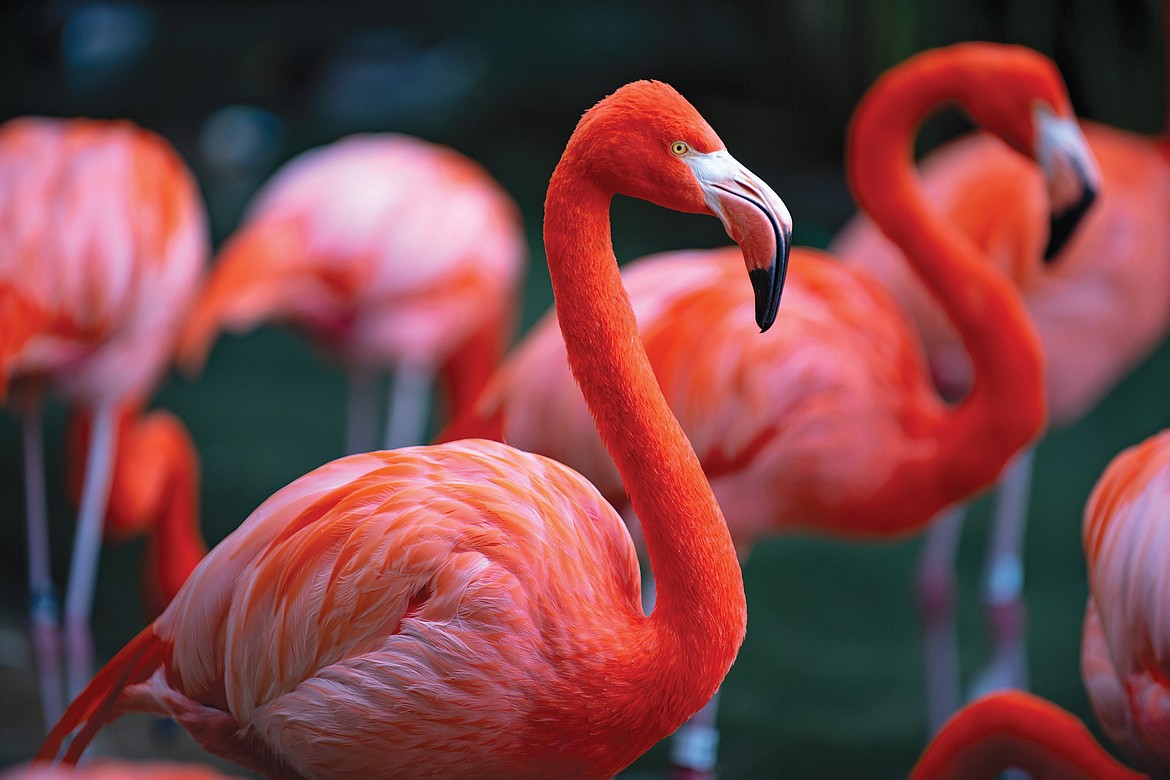
A "flamboyance" of flamingoes makes sense.
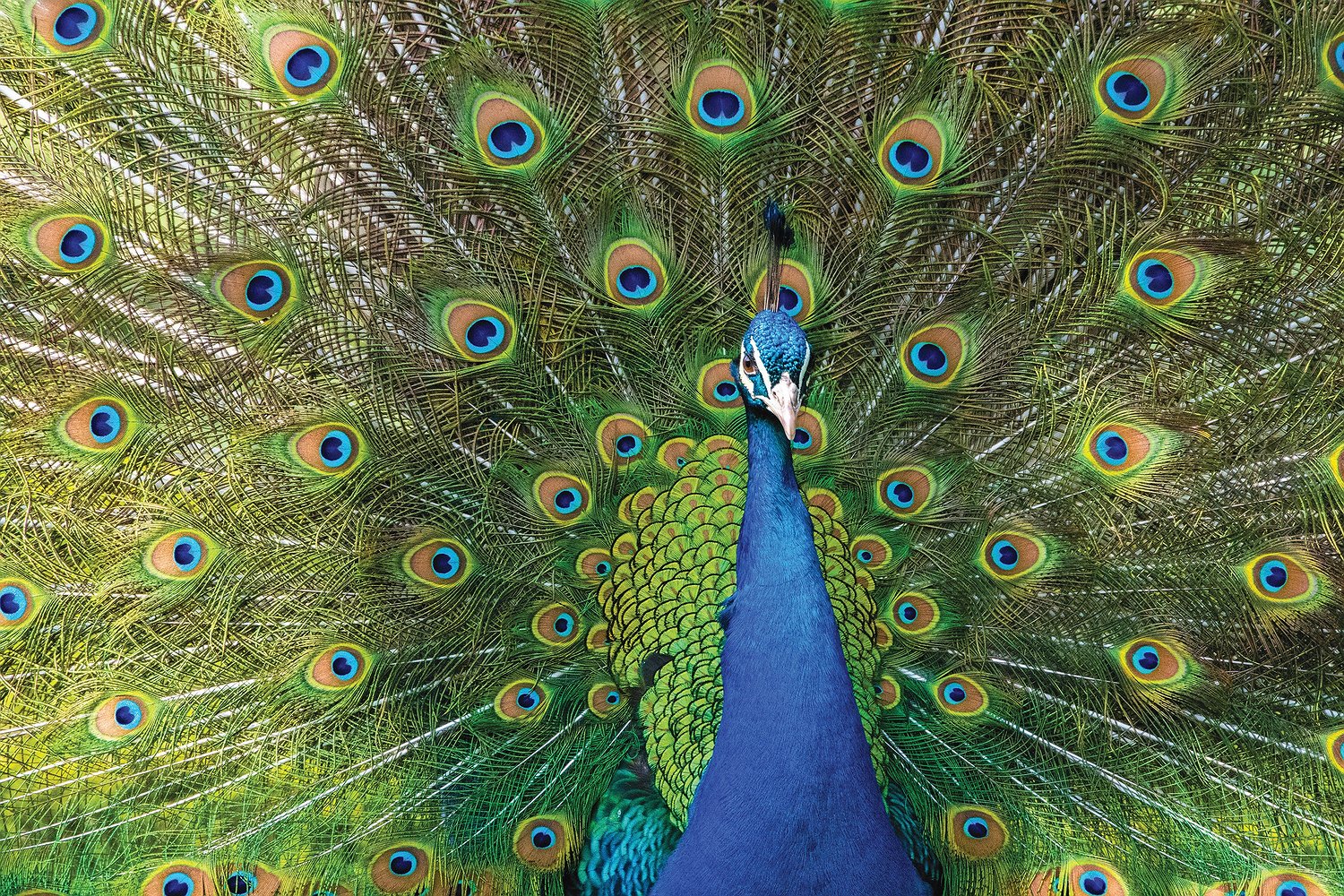
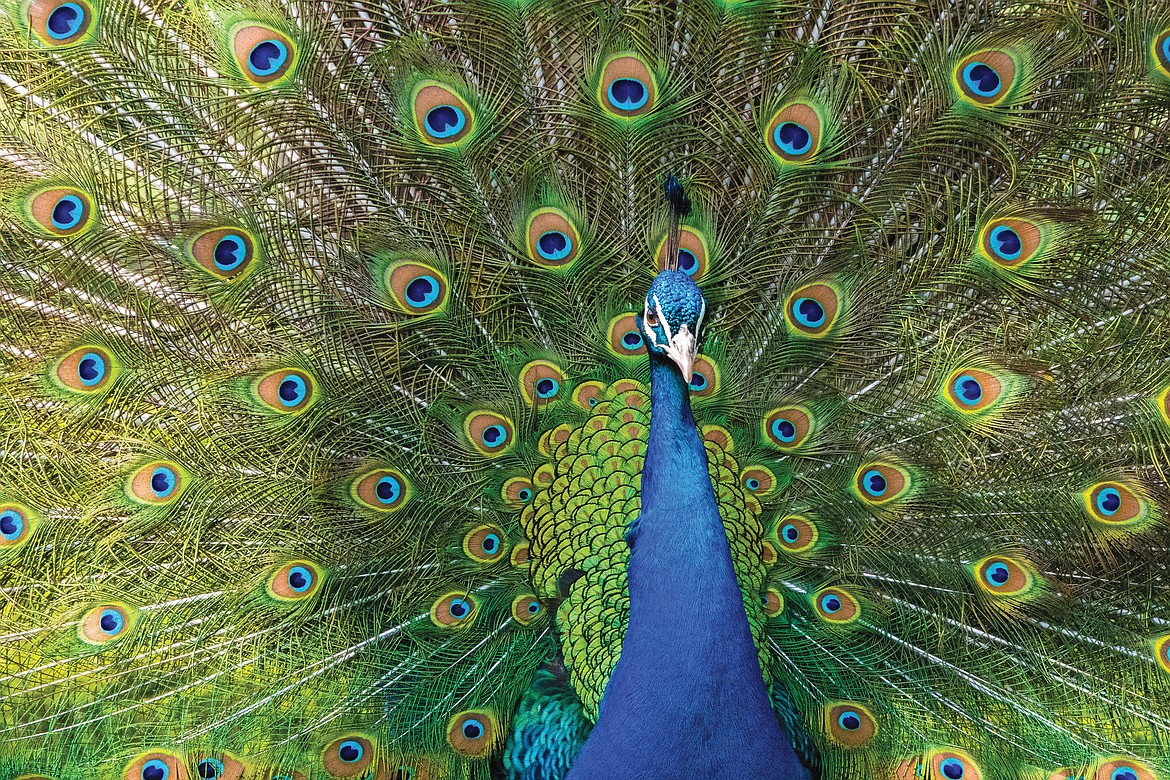
A creature more flamboyant than those pretty pink long-legged lagoon lovers is difficult to imagine, until the peacock comes to mind. When those royal blue and emerald beauties congregate, it's called an "ostentation" — a fitting moniker for a showy, vocal bird known for its dazzling displays.
Not quite known for showmanship but rather for its distinctive walk (among other cute characteristics) is the penguin, which, like its bird brethren, has a fitting collective noun. A group of penguins is called a "waddle."
Authors, hunters, linguists and cultural influencers over hundreds of years have contributed creative and even comical names for specific groups of the animal kingdom, known as "terms of venery." According to allcollectivenouns.com, the terms of venery refer to specialized language used to describe animal groups, especially in a hunting context. They originated in England and France in the late Middle Ages, closely tied to the medieval aristocratic tradition of going on countryside hunting parties.
"The word 'venery' comes from the Latin word 'venari,' meaning 'to hunt,'" the website states. "These terms had practical uses in medieval hunting but also came to reflect the culture and social hierarchies of the nobility."
Many terms of venery come from Old French words introduced to England after the 1066 Norman conquest. The group names seem to reflect the unique qualities, personalities and idiosyncrasies of the creatures within, in most cases.
Common examples:
• Pride of lions
• Murder of crows
• School of fish
• Swarm of bees
• Colony of ants
• Gaggle of geese
• Herd of: buffalos, bison, cattle, caribou, deer, elk, horses, impalas, reindeer oxen, seahorses, manatees, walruses (Wait a minute. Seahorses? Manatees? Walruses? Some of these things are not like the others.)
Maybe not-so-common terms of venery, but they make sense:
• Shrewdness of apes
• Battery of barracudas
• Cloud of bats
• Sloth of bears
• Sounder of boars
• Wake of buzzards
• Glaring of cats
• Bed of clams
• Intrusion of cockroaches
• Bask of crocodiles
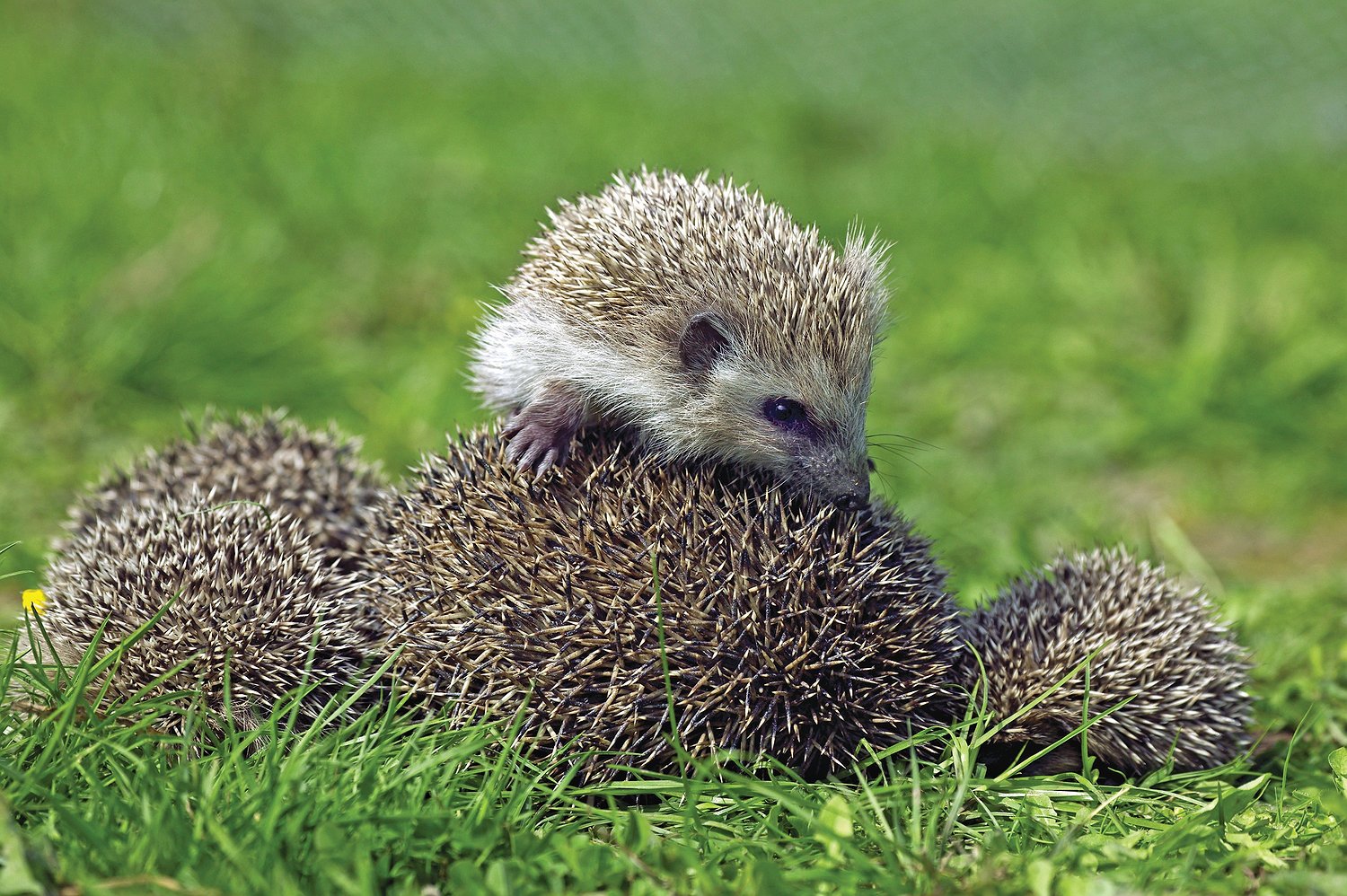
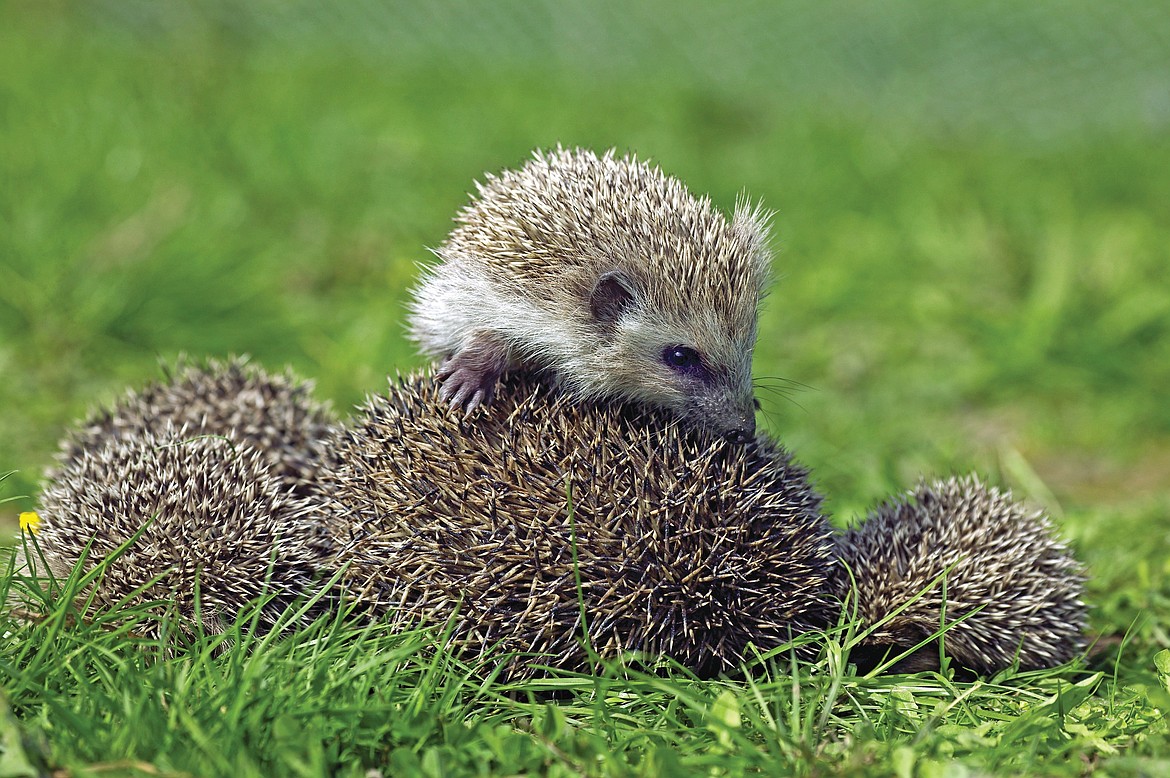
• Prickle of hedgehogs
• Business of ferrets
• Tower of giraffes
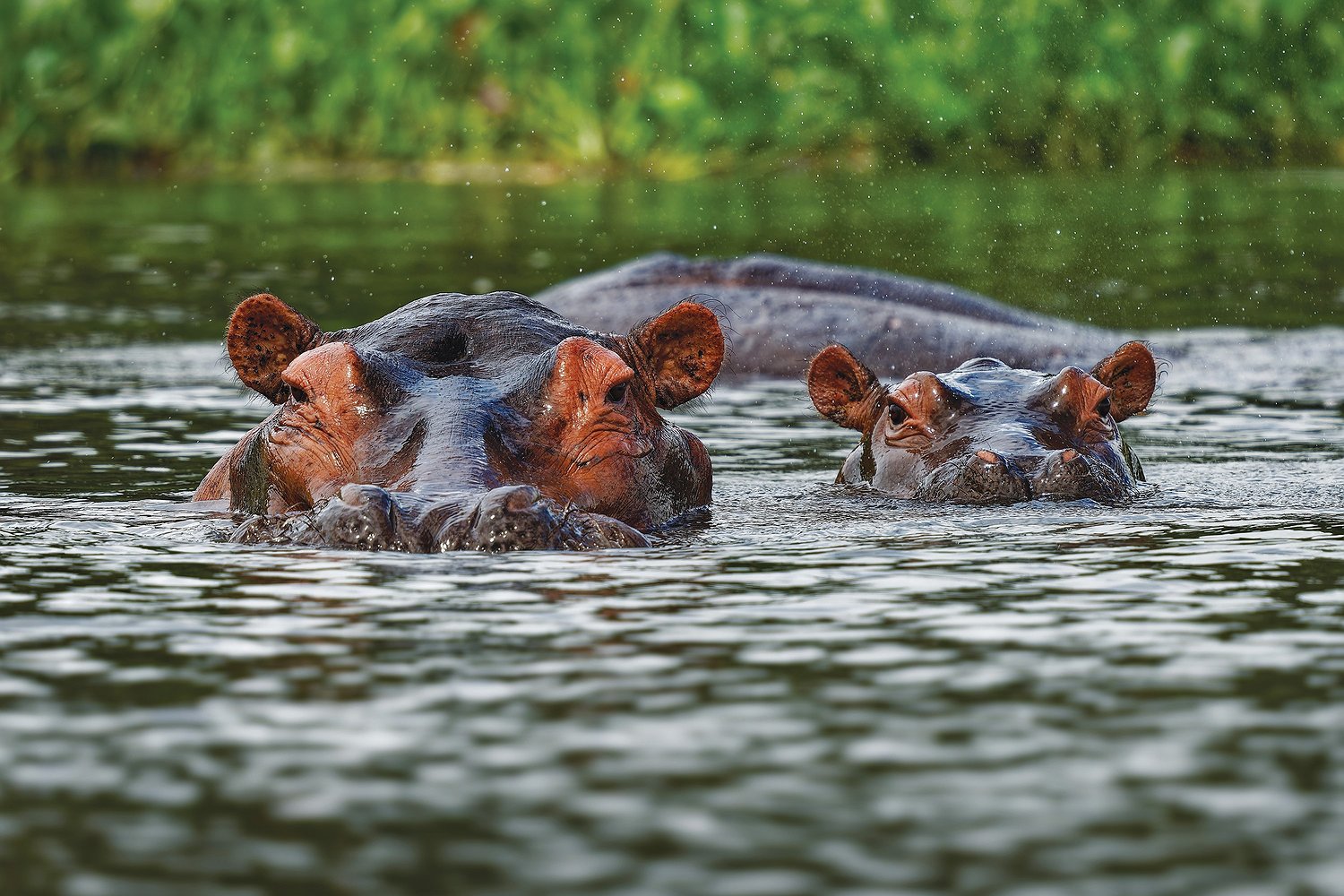
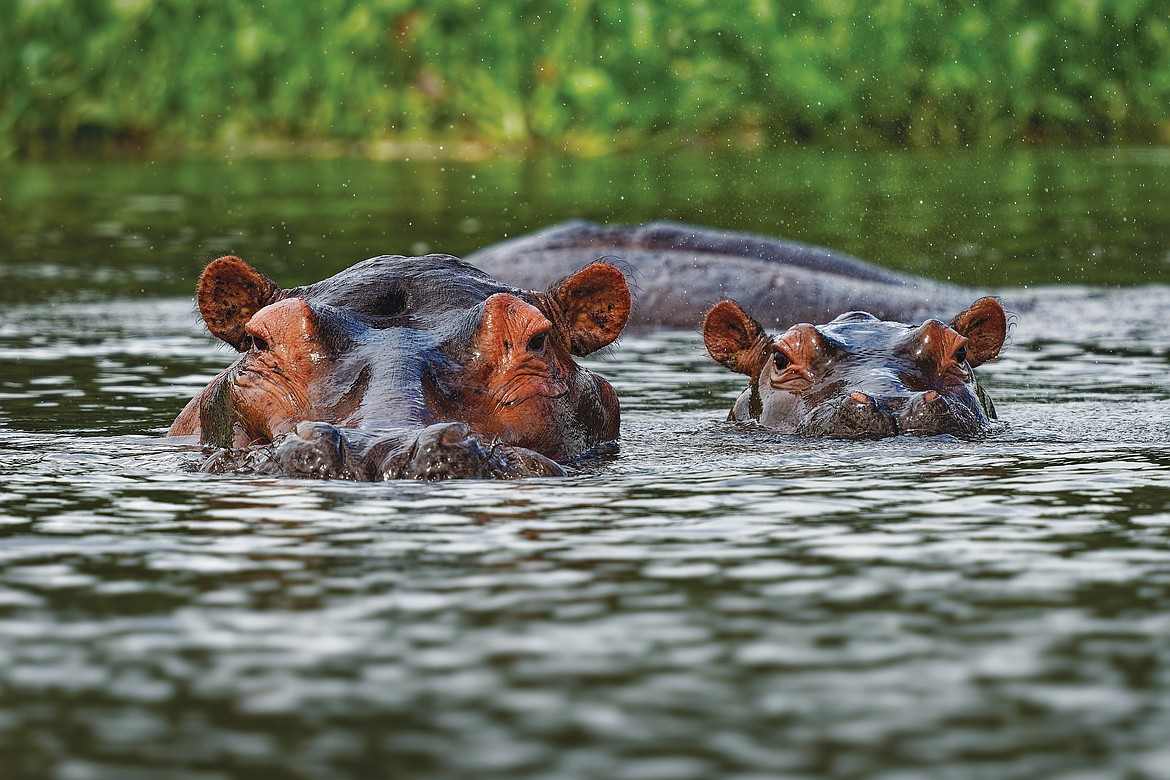
• Bloat of hippopotamuses
• Charm of hummingbirds
• Tiding of magpies
• Pandemonium of parrots
• Crash of rhinoceroses
• Stench of skunks
• Squad of squid
• Dazzle of zebras
• Pod of dolphins or whales
• Conspiracy of lemurs or ravens
A few in the "what the heck?" category:
• Smack of jellyfish
• Husk of jackrabbits
• Mess of iguanas
• Horde of gerbils
• Implausibility of gnus (who gnu?)
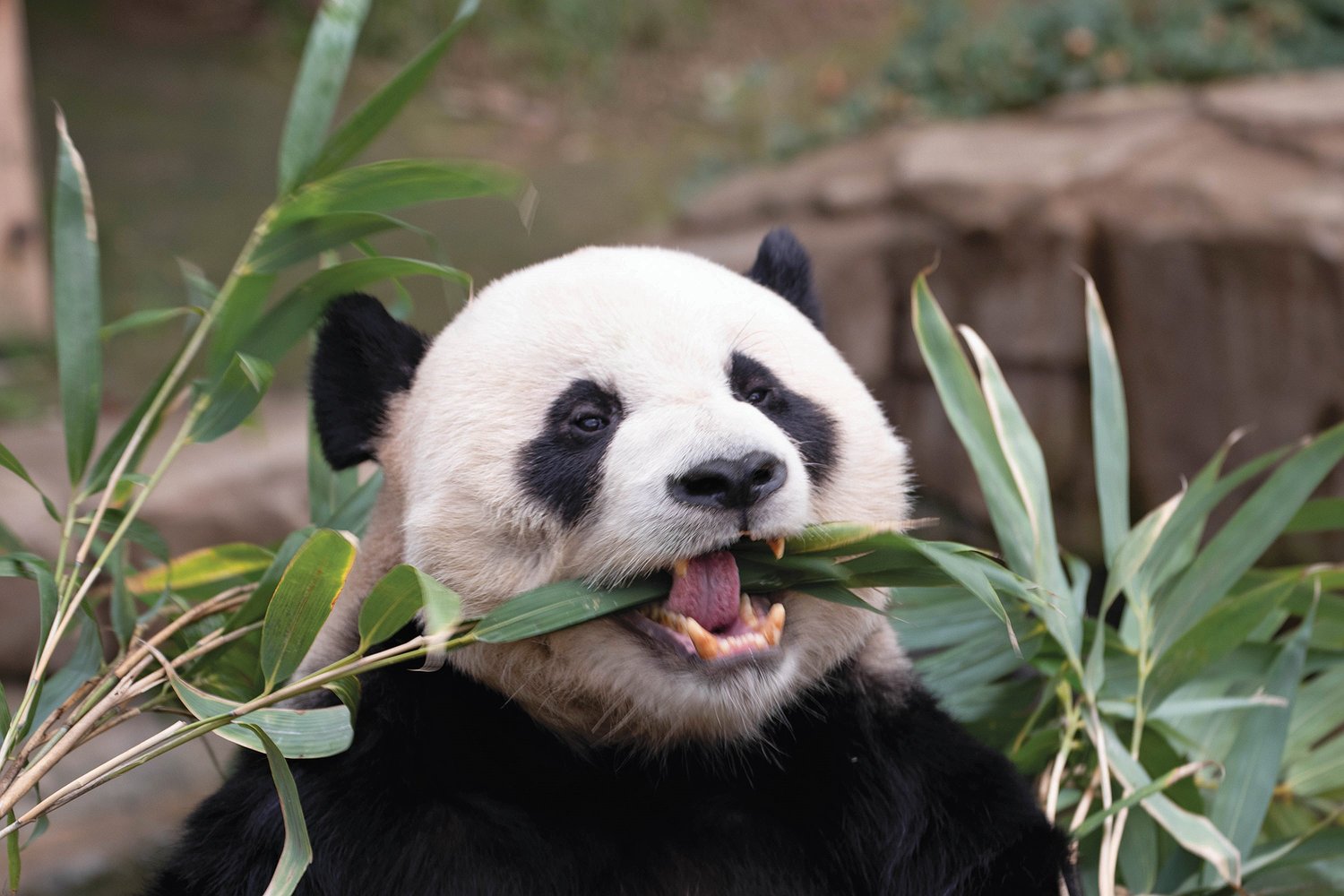
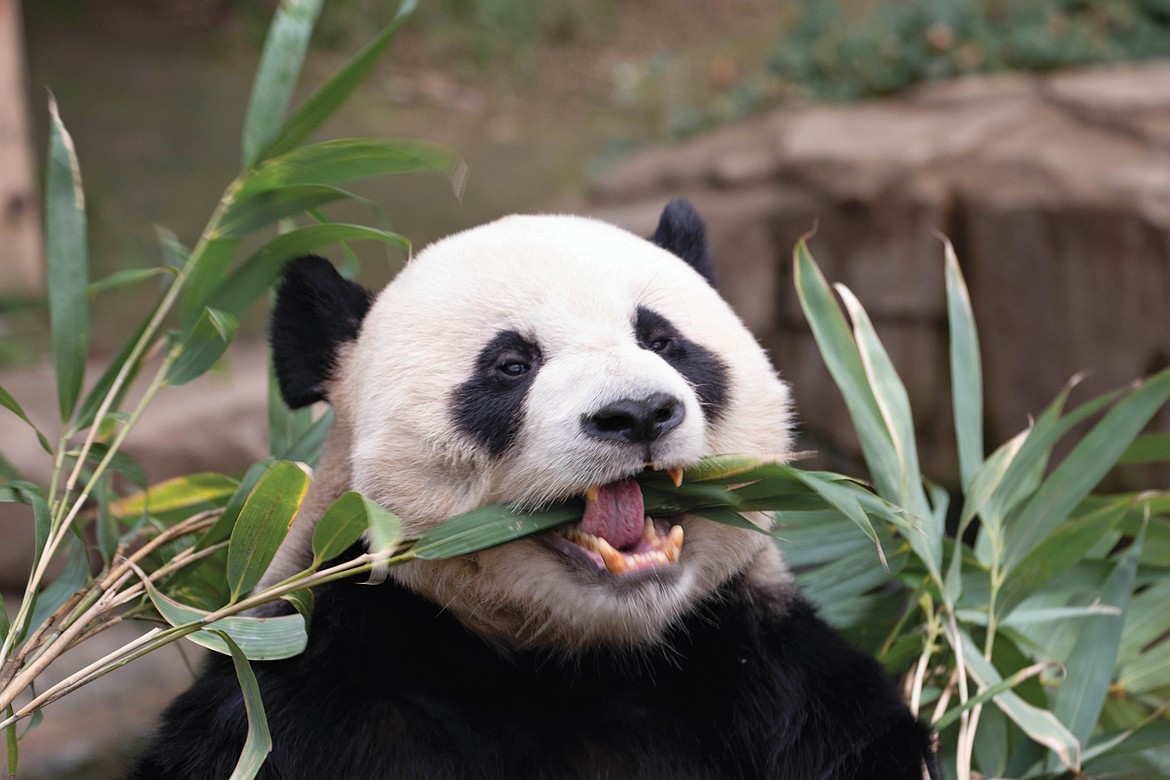
• Embarrassment of pandas
• Aurora of polar bears
• Lamentation of swans
If these came about through hunting, who in the world is hunting seahorses? Next question: How in the world does one hunt a seahorse?
Many terms of venery are used on more than one creature group. Some make absolute sense. Some are headscratchers. Not all of them are listed here, nor is a complete history of how these things came to be, so for those who enjoy diving into online rabbit holes, enjoy! Oh, and by the way, a group of rabbits is a colony.
Whatever the case, the variety of venery vocabulary is veritably vast, versatile and vibrant ... maybe even flashy enough to impress those ostentatious peacocks.