
Auto Parts Manufacturing: Top Ways to Reduce Costs
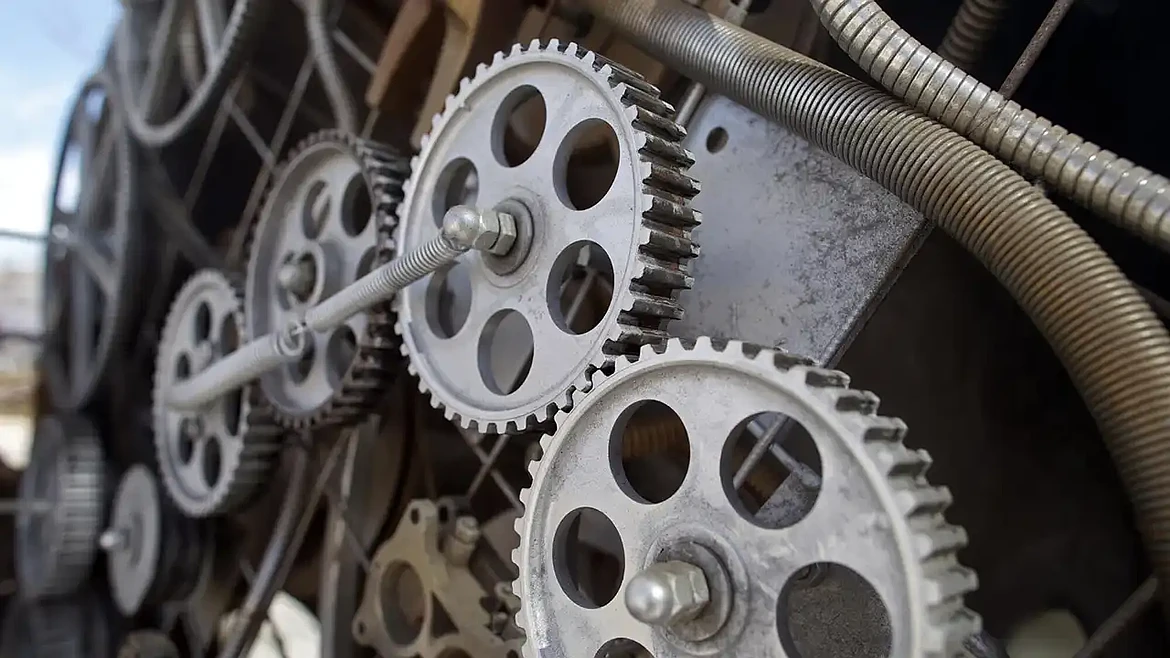
To reduce costs in auto parts manufacturing, focus on improving efficiency, optimizing production processes, and strengthening supply chain management.
Think about the last time you bought a car or replacement part. Behind that purchase lies a vast network of companies that work tirelessly to design, produce, and deliver the components that keep vehicles running.
The truth is that the auto parts manufacturing industry is one of the most competitive in the world. Reducing costs is the key to staying profitable while delivering quality.
Fortunately, there are proven methods to cut expenses without sacrificing performance or safety.
By embracing manufacturing efficiency and implementing smart cost-reduction strategies, businesses can achieve long-term success while meeting the demands of a constantly evolving market.
What Is Manufacturing in the Automotive Industry?
Manufacturing in the automotive industry refers to the large-scale process of producing vehicle components, from engines and transmissions to electronics and safety features. This involves:
- Raw material sourcing
- Machining
- Assembly
- Quality control
Auto parts are then supplied to automakers or distributed in aftermarket channels for repairs and upgrades.
The industry is capital-intensive and highly regulated, requiring precision and strict adherence to standards. Because of its complexity, operational efficiency plays a central role in keeping costs manageable while maintaining quality.
Who Is the Largest Auto Part Manufacturer?
The global automotive supply chain is dominated by multinational companies. Among them, Bosch stands as the world's largest auto parts manufacturer. With operations spanning multiple continents, Bosch produces everything from braking systems and electronics to powertrain solutions.
Other notable players include Denso, Magna International, and Continental. These companies set the standard for production optimization and cost management, serving as benchmarks for smaller manufacturers seeking to enhance competitiveness in the marketplace.
Improving Manufacturing Efficiency
One of the most effective ways to lower expenses is by improving manufacturing efficiency. This involves minimizing waste, streamlining workflows, and adopting advanced technologies. Lean manufacturing principles, such as just-in-time production, reduce excess inventory and unnecessary labor costs.
Automation also boosts consistency and reduces human error, leading to faster turnaround times. Training employees to work with modern systems ensures higher productivity across the entire production line.
Cost-Reduction Strategies for Auto Parts Manufacturing
Businesses can implement cost-reduction strategies without compromising quality. For instance, sourcing alternative raw materials, when safe and approved, can significantly lower costs. Bulk purchasing agreements with suppliers may also secure better pricing.
Implementing predictive maintenance reduces downtime by identifying equipment issues before they cause costly disruptions. Energy efficiency improvements, such as upgrading lighting or optimizing heating and cooling systems, also reduce overhead expenses.
Small adjustments across operations add up to substantial savings over time.
Enhancing Operational Efficiency
Operational efficiency is essential for long-term sustainability in auto parts manufacturing. This means examining every aspect of production, from machine setup times to quality inspection methods.
Standardizing procedures helps minimize variation and boost consistency. Digital tools, including manufacturing execution systems (MES), allow real-time monitoring of production lines, enabling quick responses to problems.
Effective employee communication also plays a vital role. When workers understand objectives and responsibilities clearly, delays and errors are reduced.
Production Optimization Techniques
Production optimization focuses on maximizing output while reducing unnecessary costs. Techniques include:
- Scheduling production to match demand
- Reducing bottlenecks
- Utilizing advanced analytics for planning
Data-driven insights highlight inefficiencies and allow managers to adjust workflows quickly. For example, reconfiguring assembly lines to reduce travel distance between tasks saves both time and energy.
Continuous improvement programs, where employees contribute suggestions for refinement, often lead to innovative cost-saving measures that management alone might overlook.
Supply Chain Management as a Cost-Saving Tool
Strong supply chain management is critical for reducing expenses in auto parts manufacturing. Building solid relationships with reliable suppliers ensures the timely delivery of quality materials at competitive prices.
Diversifying supplier networks reduces the risk of disruptions from political instability, natural disasters, or transportation delays.
Technology such as supply chain management software provides visibility into every stage of procurement and distribution. With real-time data, companies can track costs, forecast demand, and prevent shortages or surpluses.
Effective logistics planning further reduces transportation and storage costs.
Frequently Asked Questions
How Can Small Companies Save Money Compared to Big Ones?
Small companies can focus on doing one thing really well, like making a specific type of part. They can also save money by buying from local suppliers and keeping their operations lean and simple.
Does Automation Really Help?
Yes. Machines and robots can do repetitive tasks faster and with fewer mistakes than people. This saves time and money while letting workers focus on jobs that need more skill.
Is Outsourcing a Good Way to Cut Costs?
It can be, but you have to be careful. An outsourced accounting department for manufacturers can help save money, though you still need to make sure quality stays high.
Why Do Energy Costs Matter So Much?
Running large machines and keeping factories heated or cooled costs a lot of money. Simple changes like switching to LED lighting, fixing air leaks, or upgrading old machines can lower bills.
Do Employees Really Need Extra Training?
Yes. When workers are well-trained, they make fewer mistakes and get the job done faster. This saves money in the long run and helps improve quality.
Can Digital Tools Really Make a Difference?
Definitely. Software programs can track what is happening in the factory in real time. This helps managers spot problems early and avoid wasted time or materials.
How Often Should a Company Look at Its Costs?
Checking costs every few months is best. Regular reviews help businesses catch new problems quickly and find fresh ways to save money.
Cut Expenses the Right Way
Reducing costs in auto parts manufacturing is not about cutting corners; it's about finding smarter ways to work.
By focusing on manufacturing efficiency, improving operational efficiency, using production optimization techniques, and strengthening supply chain management, companies can stay competitive while keeping quality high.
Cost-reduction strategies such as automation, better training, and energy savings make a real difference over time. Success comes from reviewing processes often and making changes that add value.
To learn more practical ideas and insights, explore our blog and keep building a stronger, more efficient manufacturing future!
This article was prepared by an independent contributor which helps us continue delivering quality content to our audiences.