
5 Essential Lawn Mowing Tips for a Perfect Backyard
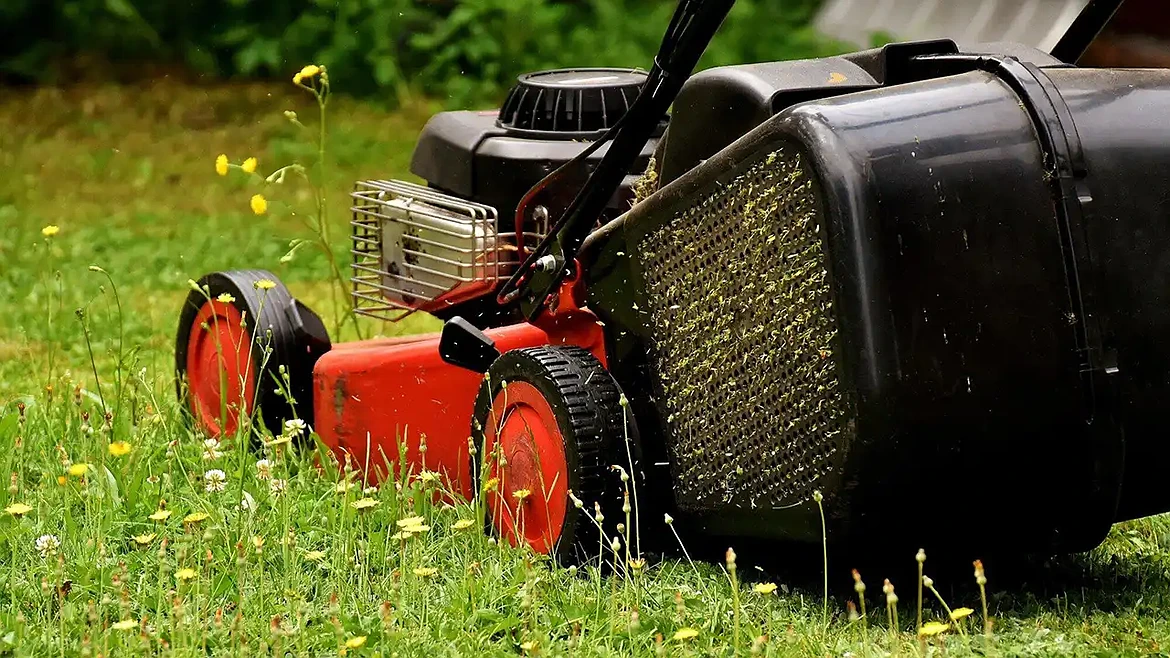
A perfectly manicured lawn doesn't just happen; it requires consistency, technique, and care. Mowing is more than simply running your lawnmower over the grass; it's about encouraging healthy growth, keeping pests away, and enhancing the beauty of your home's outdoor space.
94% of Americans care about their lawn's appearance, according to Angie's List. Whether you're a new homeowner or a seasoned gardener, knowing the right way to mow can transform your backyard into a lush, green retreat.
Below, we'll walk through five essential lawn mowing tips to help you achieve a perfect backyard and maintain it throughout the growing season.
What Is the Best Technique for Mowing the Lawn?
The best grass cutting techniques involve mowing at the right height, using sharp blades, and alternating your mowing patterns. Always follow the one-third rule to avoid cutting too much at once, which stresses the grass.
Additionally, mow when the grass is dry to ensure a clean, even cut and to prevent clumping. By combining these practices, you'll promote healthier growth, reduce the risk of disease, and keep your lawn looking lush and even.
What Is the 1/3 Rule in Mowing?
The one-third rule in mowing means you should never remove more than one-third of the grass blade's height during a single mowing session. Cutting too much at once weakens the plant by reducing its ability to photosynthesize and grow strong roots.
Following this rule encourages a healthier, denser lawn while reducing stress and preventing bare patches. It also ensures your grass recovers quickly and maintains its vibrant green appearance.
How to Make Mowing the Lawn Easier?
To make mowing the lawn easier, start by maintaining your mower; keep the blades sharp and the machine well-fueled or charged. Choose the right mower for your lawn size; for example, a stand on mower leaf blower works well for larger or sloped yards.
Mow regularly to avoid overly tall grass, which requires more effort to cut. Planning your mowing route with consistent rows and alternating patterns also saves time and energy while improving the lawn's appearance.
1. Mow at the Right Height
One of the biggest mistakes people make is cutting their grass too short, often referred to as "scalping." While it may seem like shorter grass means fewer mowings, it actually weakens your lawn.
Grass cut too low struggles to photosynthesize, leaving it vulnerable to:
- Weeds
- Pests
- Heat stress
A good rule of thumb is to mow so that only the top third of the grass blade is removed. For most grass types, this means keeping your mower blade set between 2.5 and 4 inches. Taller grass shades the soil, keeping it cooler and reducing water evaporation, essential for a vibrant, resilient lawn.
2. Mower Maintenance - Keep Your Mower Blades Sharp
Sharp mower blades make a world of difference. Dull blades tear the grass rather than cutting it cleanly, leaving jagged edges that turn brown and make your lawn look uneven. Even worse, torn blades are more susceptible to disease.
To prevent this, sharpen your mower blades at least once per season or more frequently if you mow often. A sharp blade ensures smooth, clean cuts that promote healing and healthier growth.
3. Follow the One-Third Rule
The "one-third rule" is a golden standard in lawn care: never cut more than one-third of the grass blade's length in a single mowing. Cutting too much at once shocks the grass, weakens the root system, and leaves your lawn stressed.
If your grass is overgrown, gradually lower it over multiple efficient mowing sessions. This approach helps your lawn adjust naturally, preventing bald spots and maintaining overall health.
4. Alternate Your Mowing Pattern
Mowing in the same direction week after week creates ruts, compacts the soil, and encourages grass to lean in one direction. To keep your lawn looking full and upright, switch up your mowing pattern each time.
Alternate between horizontal, vertical, and diagonal passes. This not only promotes even growth but also prevents soil compaction, helping water and nutrients penetrate more effectively. Plus, a change in pattern creates those attractive, professional-looking stripes many homeowners love.
5. Mow When the Grass Is Dry
Timing matters when mowing your lawn. Wet grass:
- Clumps together
- Clogs your mower
- Leaves uneven patches
It's also slippery, creating a safety hazard.
For the best results, mow in the late morning or early evening when the grass is dry but not stressed by midday heat. Dry grass cuts cleanly, disperses evenly across the lawn, and avoids the patchy look that wet mowing can cause.
Frequently Asked Questions
How Often Should I Mow My Lawn?
Most lawns need mowing once a week during the growing season. However, frequency depends on grass type, weather, and growth rate, sometimes every five to seven days in peak summer.
What Time of Day Is Best for Mowing?
Late morning (after the dew has dried) or early evening (before nightfall) are the best times. This avoids cutting wet grass and reduces stress caused by midday heat.
Should I Bag or Mulch Grass Clippings?
Mulching is usually the best option since it returns valuable nutrients to the soil. Bagging may be necessary if the grass is too long or clumpy.
How Can I Avoid Lawn Mower Stripes Turning Brown?
Brown stripes often mean dull mower blades or mowing too short. Keep blades sharp and adjust your mower to cut at the recommended height.
Can Mowing Help Prevent Weeds?
Yes. Regular mowing at the proper height encourages dense grass growth, which crowds out weeds and prevents them from spreading.
Should I Mow Before or After Fertilizing?
It's generally best to mow before fertilizing. This allows nutrients to penetrate the soil without being blocked by tall grass or clippings.
Bringing It All Together - Lawn Mowing Tips
A beautiful backyard starts with a healthy lawn, and healthy lawns depend on smart mowing habits. By mowing at the proper height, keeping your blades sharp, following the one-third rule, alternating patterns, and cutting only when the grass is dry, you'll set the foundation for a vibrant, lush lawn. These lawn mowing tips not only enhance curb appeal but also strengthen your lawn's ability to withstand weather, weeds, and pests.
We are a regional news outlet serving North Idaho, providing comprehensive coverage across local, state, national, and world news. Check out some of our other articles if you enjoyed this one.
This article was prepared by an independent contributor which helps us continue delivering quality content to our audiences.