
Winter roof damage signs you shouldn't ignore
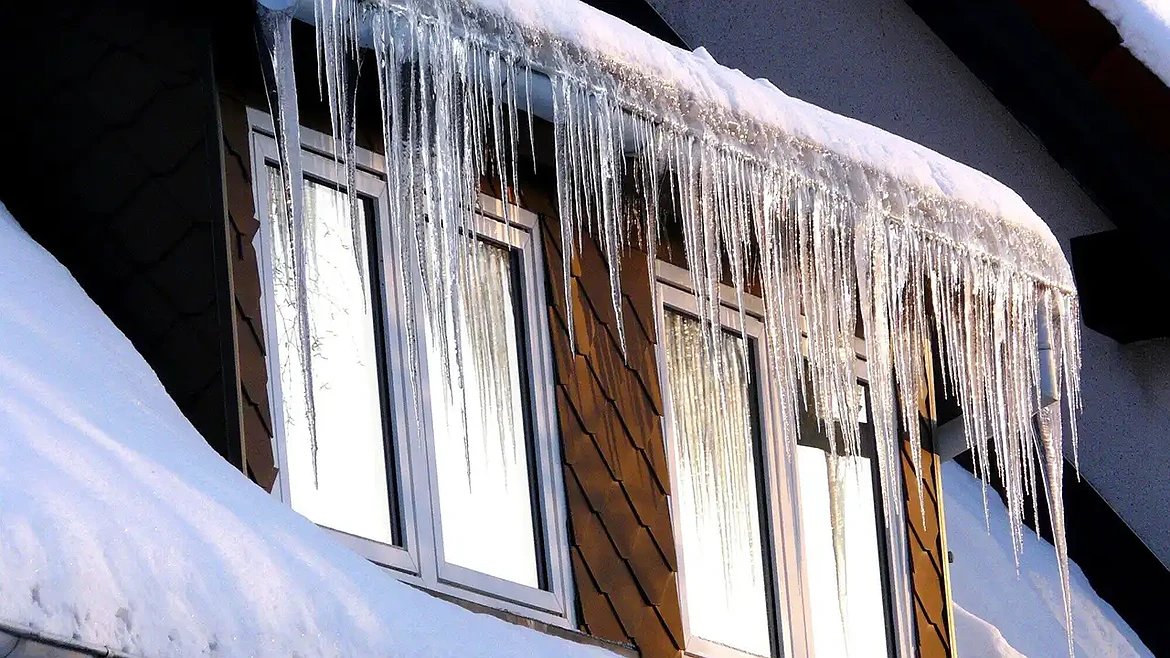
Winter roof damage usually shows up long before a leak hits the living room, and knowing these early warning signs can save homeowners from expensive repairs. Spotting signals like ice damming or clogged gutters early keeps the structure protected and prevents small issues from turning into full winter emergencies.
A cold snap settles in, the first storm passes, and everything seems fine, until a faint stain appears near a ceiling corner. That small mark often tells a bigger story. Many homeowners miss the early cues because winter damage rarely starts dramatically.
A slow melt under an ice ridge, a tiny crack hidden beneath frost, or a few lifted shingles after a gusty night can change the whole season for a property. These quiet shifts add up quickly, which is why paying attention right now gives homeowners the strongest chance of staying ahead.
When Should You Worry About Snow on Your Roof? Indoor Signs of A Problem
Indoor symptoms often appear before exterior damage becomes visible because water and cold air can move through small openings long before a homeowner notices changes on the roof.
Ceiling stains remain one of the most common indicators during winter. These stains frequently form in rounded or irregular shapes and may deepen in color after a thaw.
Uneven room temperatures also provide useful clues. A sudden draft in an upper-level bedroom or hallway may signal that cold air is entering through gaps created by shifting shingles or deteriorated flashing. Damp insulation in the attic allows heat to escape more easily, which may cause heating costs to rise unexpectedly during colder months.
Subtle changes in interior materials can reveal seasonal roof issues as well.
- Paint that begins to bubble
- Drywall that warps slightly
- Trim that separates at the edges
- Faint discoloration
- Loosening wallpaper
Often indicates that moisture has traveled behind the surface and you need to take measures ASAP to prevent winter roof damage. A persistent musty smell in rooms near the attic may also suggest that water is collecting where airflow is limited.
Home Roof Safety: Ice Damming
Ice damming develops when snow on the upper portion of the roof melts during the day and the runoff refreezes near the colder roof edge. The resulting ridge of ice traps additional meltwater, which forces it to sit behind the frozen barrier instead of draining into the gutter system.
The early stages of an ice dam often appear as small icicles forming along specific sections of the roofline. These icicles indicate that water has reached an edge where temperatures remain low enough for refreezing. A more advanced ice dam creates visible ridges across the eaves and may weigh down gutters, causing the hardware to bend or separate from the fascia.
Ice damming becomes especially concerning when meltwater follows the path of least resistance. Once water slips beneath shingles, it can travel several feet before appearing inside the home.
Wind
Winter wind often places extra stress on roof surfaces because cold temperatures make shingles and sealants less flexible. Strong gusts can lift shingle edges that have stiffened in freezing conditions, which exposes the underlayment to snow and meltwater.
Windstorms also push debris across the roof, which creates impact points that weaken shingles already strained by winter weather. Branches that strike the surface may cause cracks that expand during freeze-thaw cycles.
Homeowners sometimes notice granules collecting near downspouts after a storm, a sign that shingle surfaces have begun to wear away. Gutters may shift as well if wind drives snow or ice against the hardware, which alters the angle of the drainage system.
The effects of wind become even clearer during thaws. Meltwater may move in unexpected directions if shingles have lifted or shifted during a storm.
Roof Age
Roof age becomes a critical factor during winter because older materials lose flexibility and protective strength as they near the end of their service life. Shingles rely on a layer of granules to shield the asphalt beneath from moisture and temperature swings.
Age also affects the underlayment beneath the shingles. Underlayment that has dried out or shifted over the years may no longer provide a reliable secondary barrier against meltwater.
FAQs
Are Clogged Gutters a Winter Roof Hazard?
Clogged gutters are a significant winter roof hazard because blocked drainage prevents meltwater from moving away from the home. When leaves, ice, or compacted snow fill the gutter channel, water backs up and settles along the roof edge.
That trapped moisture can seep beneath shingles during daytime thaws and refreeze at night, which gradually lifts roofing material and increases the likelihood of leaks.
Gutters weighed down by ice may also bend or pull away from the fascia, creating gaps that direct water toward siding or attic spaces. Roofing companies in Colorado know how to catch signs of a problem before they get worse.
Can Winter Critter Activity Damage a Roof?
Critter activity can have a major winter weather impact. Small openings that form after freeze-thaw cycles sometimes become entry points for squirrels or birds. Once inside, they may:
- Disturb insulation
- Chew through wood
- Pull at shingles while creating nesting areas
- Leave droppings that contaminate attic spaces
- Drag in nesting materials that block vents
Homeowners often hear scratching sounds in the attic or notice debris near vents when animals have moved in.
How Can You Tell if Flashing Failed During Cold Weather?
A failed flashing seal usually reveals itself through changes that appear during a cold snap. Moisture often slips through tiny gaps that widen as metal contracts in low temperatures.
Homeowners frequently notice water stains forming around chimneys or vent pipes because these areas depend on tight flashing contact to stay watertight. Damp insulation in the attic near these structures also signals trouble.
Flashing that has:
- Shifted out of position
- Appears lifted at the edges
- Shows visible rust
- Creates small gaps
May no longer protect the underlying roof surface. A roof inspection can confirm whether freezing temperatures caused separation or if the flashing deteriorated over time.
Winter Roof Problems: Now You Know
Now that you know about these winter roof signs, you'll be able to keep your home safer.
Do you want more home maintenance and repair advice? Make sure you check out some of our other posts.
This article was prepared by an independent contributor and helps us continue to deliver quality news and information.