

OPINION: Thanksgiving: A tradition forged in the hardest chapters of our history
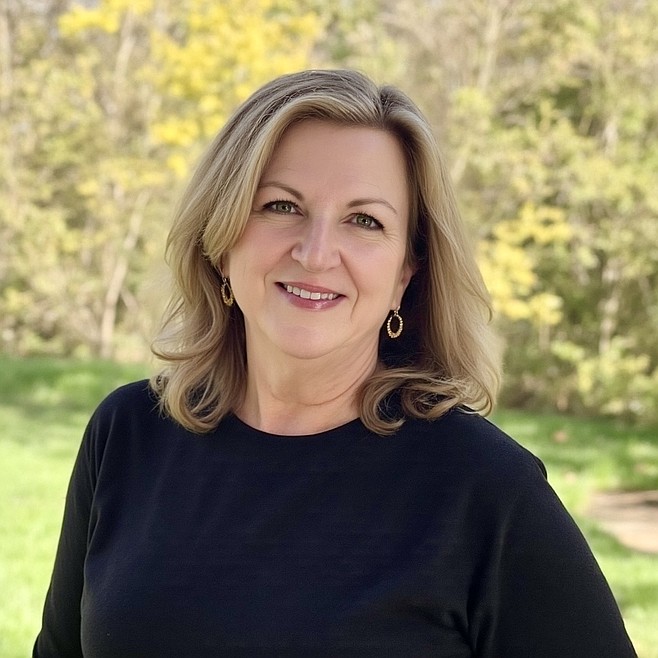
Becky Funk
As Thanksgiving approaches, most of us focus on the familiar traditions of the food preparations and gathering of family and friends. But Thanksgiving is about something deeper. Two presidents, George Washington and Abraham Lincoln, understood that better than anyone. And their insights still matter today.
Both leaders called the nation to pause and give thanks not when life was calm, but when the country was strained and anxious about the future. That’s the part of Thanksgiving we often forget and the part we need most right now.
In 1789, during the first year of our Constitution, President George Washington issued the very first national Thanksgiving proclamation. The country was young, fragile, and far from stable. Americans disagreed about everything from federal power to foreign alliances. The success of the entire constitutional experiment was far from guaranteed.
Washington knew the nation needed more than laws and newly formed institutions. Americans needed a shared sense of purpose and a reason to see themselves not as scattered states or competing factions, but as one people. In his proclamation, Washington challenged citizens to acknowledge their blessings and give thanks. Gratitude, in his view was a civic discipline. It helped bind people together by shifting attention to what they held in common.
More than two centuries later, that lesson still stands. Intentional gratitude softens division. It helps communities stay anchored in the values and institutions worth preserving.
Fast-forward to 1863, the bloodiest year of the Civil War. Families were grieving. The Union’s survival was uncertain. The country was literally split apart. And in that bleak moment, Abraham Lincoln made Thanksgiving a permanent national holiday.
Why would a president choose the darkest season in American history to formalize a day of national gratitude? Because Lincoln believed that even in turmoil, people needed a moment to step back and recognize what still held them together. His proclamation lists the nation’s blessings: abundant crops, growing industry, functioning government as a reminder that hope and possibility still existed. Lincoln understood something profound: gratitude doesn’t deny hardship. It gives people the clarity and strength to face it.
Our challenges today are different, but the temperature of our politics and the level of distrust feel uncomfortably familiar. Communities everywhere, including our own, are feeling stretched and divided. People are tired of the noise, the conflict, and the constant sense that every disagreement is a battle line. This is exactly when gratitude becomes more than a personal virtue. It becomes a civic necessity.
Thanksgiving reminds us that anger and suspicion cannot hold a community together. What does hold us together are the things we often overlook: neighbors who help without being asked, teachers who care deeply about their students, volunteers who give their time, and local public servants who still believe their work matters. Gratitude makes us more aware of the good that’s all around us and of our responsibility to protect it.
Washington used gratitude to steady a young nation. Lincoln used it to begin healing a wounded one. We can use gratitude now to reconnect with one another as people who share the same streets, schools, and hopes for the future.
This Thanksgiving season, we have the chance to do what those presidents asked of Americans generations ago: pause, reflect, and recognize the blessings that remain, even in complicated times. Their message is the same today as it was then: gratitude is how a nation, and a community, holds itself together.
• • •
Becky Funk is a member of North Idaho Republicans and is the former Legislative District 4 Republican Chair.