
What dog panting from anxiety reveals about your pup's emotions
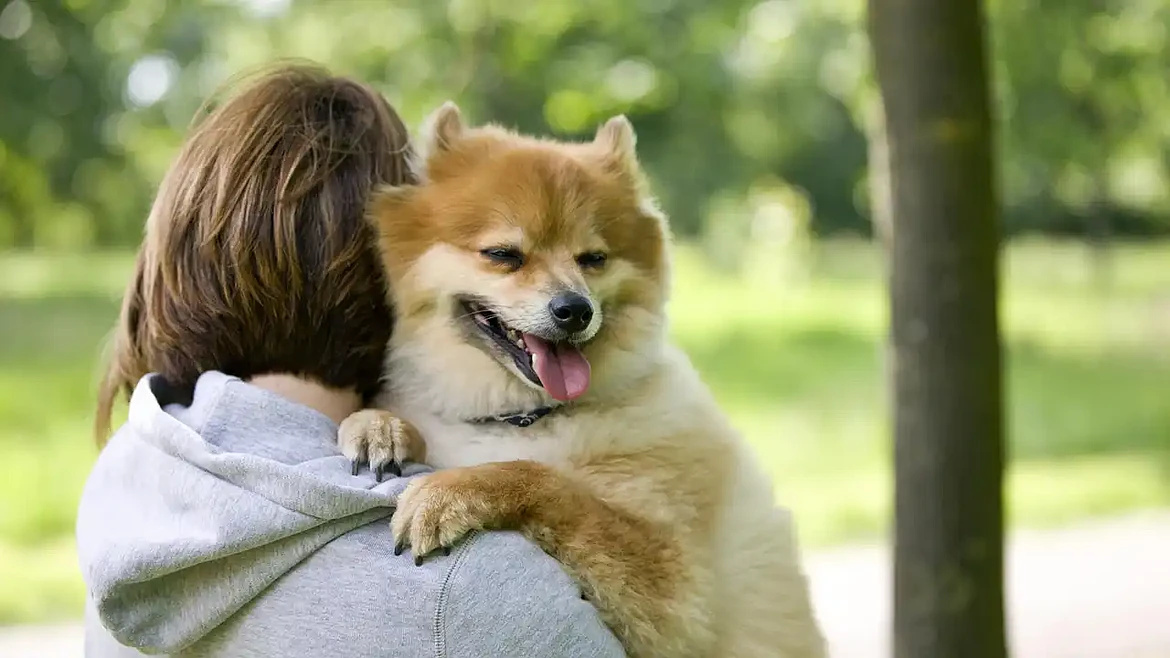
Dog panting from anxiety shows that your pup feels stressed, uneasy, or overwhelmed. This type of panting signals emotional strain rather than heat or physical activity. Understanding what triggers this response helps you support your dog with calm, confident care.
You call their name, but they keep pacing. Their chest rises fast, tongue out, eyes wide. You check the room; no heat, no play, no reason. Just the sound of your dog panting from anxiety, and you're left unsure how to help.
Panting can be one of the first and clearest signs that your dog is overwhelmed or afraid. In this article, you'll learn what it really means, how to spot the difference, and what you can do to ease their mind, starting today.
What Anxious Panting Really Means
Anxious panting doesn't look much different from the panting dogs do after a run or on a hot day. That's part of what makes it so easy to miss.
Yet when panting shows up in a quiet room with no physical reason, it usually signals emotional stress. Your dog's nervous system is on high alert, even if the space seems calm to you.
When a dog is anxious, their body releases stress hormones like cortisol and adrenaline. These increase heart rate, blood pressure, and breathing speed. Panting is a physical reaction to that internal tension.
Some dogs use panting as a coping tool. It's one way their body tries to self-regulate during times of fear or overstimulation. It can look subtle, yet it reflects real discomfort.
That's why dog panting from anxiety deserves attention, especially if it happens regularly without a clear cause.
Recognizing the Signs Beyond Panting
Panting on its own might not seem serious, but when paired with other behaviors, it becomes a clear warning. These additional signs often appear in the same situations, revealing that your dog's emotional state is unsettled.
You might notice your dog panting with:
- Tense body posture
- Low tail or ears pinned back
- Avoiding your gaze or leaving the room
In fact, the full picture of dog anxiety symptoms usually includes more than one signal. Dogs try to tell us how they feel through their body language and behavior. You just need to know what to look for.
Here are some common signs of dog anxiety that often show up with panting:
- Pacing or restlessness
- Whining or vocalizing
- Hiding under furniture
- Drooling more than usual
- Shaking or trembling
You'll sometimes see these symptoms in settings that most dogs find stressful, like during storms or car rides. Yet if your dog pants inside the house during calm conditions, that's a clue their discomfort might be internal rather than triggered by noise or activity.
Why Is My Dog Panting and Restless All of a Sudden?
Dogs can go from calm to restless fast. If you notice your dog panting hard and pacing for no clear reason, pay attention to what's changed.
Sometimes the shift is environmental. Other times, it could be medical.
A sudden behavior change may point to anxiety. Loud sounds outside, new people in the home, or even a different routine could throw your dog off balance. Separation anxiety is another common cause of restless panting, especially if you've just left or returned home.
However, this behavior can also signal pain. Dogs sometimes show physical discomfort through behavioral changes before more obvious symptoms appear. For instance, joint pain, digestive upset, or illness might make them act nervous or unsettled.
How Can I Help My Dog Panting From Anxiety?
Helping a dog cope with anxiety doesn't always require major changes. Often, small adjustments in routine, space, and how you respond go a long way. Dogs look to you for safety, and how you manage stressors matters.
Begin by removing obvious stressors and offering a predictable, calm space. For instance, avoid chaotic environments, especially during loud events or unfamiliar visits. Keep your reactions relaxed and steady.
In some cases, calming aids help reduce emotional spikes. You can help your dog feel more confident by using tools and support techniques like these:
- Create calm environments with low noise and minimal movement
- Use desensitization to reduce sensitivity to common triggers
- Try calming tools like thunder shirts or dog-safe pheromone sprays
- Stick to regular feeding, walking, and rest times
- Avoid punishment and instead reward calm behavior
- Introduce safe chew toys or enrichment puzzles for stress relief
In some cases, support goes beyond what you can provide at home. If your dog shows signs of extreme fear, aggression, or long-term anxiety, talk to your vet or a certified trainer. This is especially helpful for choosing the best CBD for dog anxiety or identifying deeper medical causes.
Frequently Asked Questions
Can Dogs Pant From Excitement, Not Just Anxiety?
Yes, dogs sometimes pant when they're excited, like during play or when greeting someone. You'll often see tail wagging, happy body language, and a more relaxed face. Yet if your dog looks tense or avoids eye contact, the panting could point to anxiety instead.
Is Panting at Night a Red Flag?
It can be. If your dog is panting at night in a cool, quiet space and hasn't exercised recently, they might be anxious. Common causes include separation stress, loud outside noises, or cognitive changes in older dogs.
Should I Punish Anxious Behaviors Like Panting or Whining?
No. Punishment can make anxiety worse and break your dog's trust. Instead, focus on creating safety. Use calm verbal cues, give space if needed, and reward calm behaviors with treats or attention.
Are There Fast Dog Panting Solutions?
There are a few things you can try when your dog starts panting anxiously. These include short-term steps like moving them to a quiet area, using a calming chew, or turning on soft music. In some cases, physical comfort like gentle touch or a secure shirt helps.
Supporting Calmer Days Ahead
Dog panting from anxiety highlights how strongly your pup reacts to stress and emotional discomfort. Recognizing the behavior and knowing how to respond helps your dog feel safe and understood. With the right strategies, you can reduce their stress and create a more secure home environment.
Want more tips for happier, healthier pets? Head over to our News section for expert-backed advice and real-life solutions that work.
This article was prepared by an independent contributor and helps us continue to deliver quality news and information.