
Signs that a raccoon infestation is happening in your home
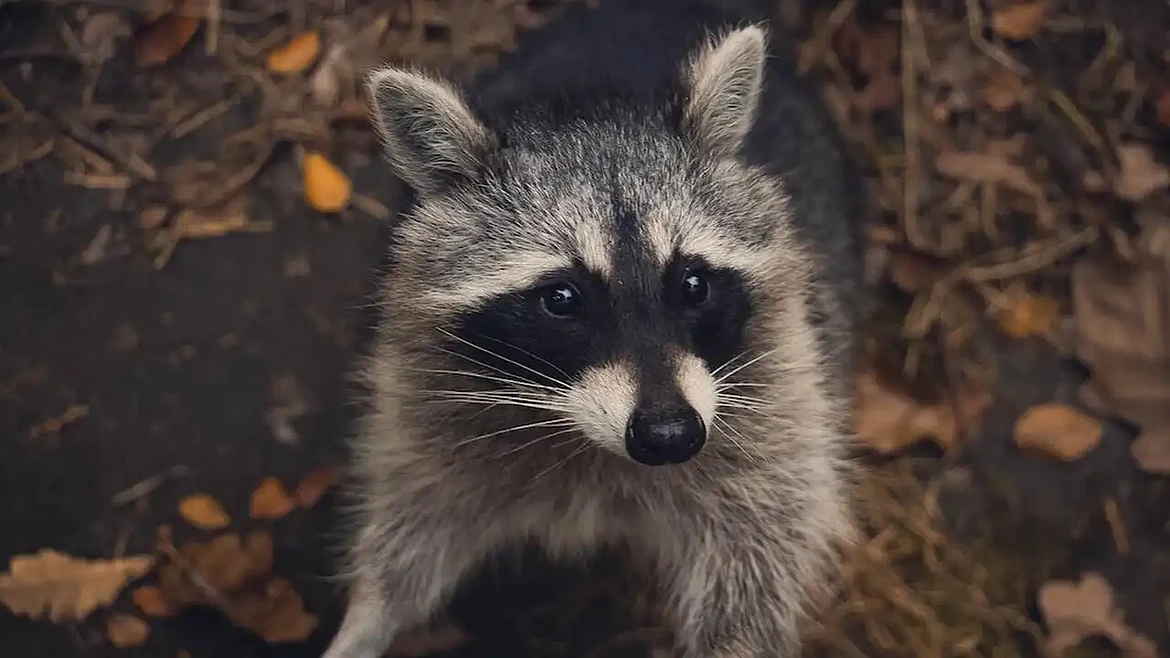
A raccoon infestation can be annoying at best and devastating to your home's infrastructure at worst. By learning about the habits of these crafty creatures, you can successfully remove them from your home and use tactics such as sealing entry points and removing food sources to prevent their return.
A recent BBC report highlighted the continual domestication of raccoons and how they may eventually become pets. However, their cuteness and adaptability do not stop them from causing major damage to your home and property when they invade.
Do Raccoons Sleep in the Same Place Every Night?
No, and this behavior can make it even trickier to identify and catch them. Since raccoons are opportunistic, they take advantage of optimal conditions when bedding down to sleep, meaning that the location of their dens can change constantly.
For the best chance of finding a raccoon den, start your search during the winter months or breeding season, when they may remain in the same den for longer periods.
Signs of Raccoon Infestation
How will you know when there is a raccoon infestation in your home? Here are some key signs to look for:
- Raccoon droppings
- Damage to the exterior of your home
- Trash strewn everywhere
- Nesting materials
- Damage to insulation
- Unfamiliar noises, such as scratching
- Household pets changing behavior
If you see or hear any of the above, it is crucial to contact wildlife removal experts or pest control to take care of the problem before it worsens.
How Do You Get Rid of a Raccoon Infestation?
Once you have identified the raccoon problem, you must take appropriate steps to rid your home of these furry fiends. Action items to add to your list may include:
Contact a Pest Control Company
A local pest control company may be able to help with trapping the animals and identifying their points of entry. They can use mitigation measures and check them regularly to see if raccoons can still access your home.
Work With Wildlife Removal Experts
Since raccoons can be tricky to remove, you may need to work with wildlife removal experts. Wildlife removal companies often use compassionate and humane tactics and have more local wildlife knowledge than a typical pest control company.
Set Humane Traps
By setting humane traps, you can capture the raccoons and release them elsewhere. However, this may not prevent them from returning. It is important to learn about local laws and codes regarding the release of captured wildlife before trapping raccoons yourself.
How Do You Prevent Raccoons From Returning?
Once you have rid your home of raccoons, you must take an active approach to prevent the furry pests from returning. Since raccoons have a strong sense of smell and are incredibly opportunistic, they are likely to come back if you do not take appropriate measures.
Remove Food Sources
Pay attention to the types of food sources that raccoons are attracted to. They often like to go through garbage cans, so in that case, you should move your garbage receptacles into a garage or another inaccessible area. Some of the things that attract raccoons include:
- Pet food
- Bird seed
- Unsecured scraps of food in trash
- Fallen fruit
Seal Entry Points
If you spot any entry points that raccoons have used, seal them as soon as possible. Look for cracks and small openings that they may use in the future to carve out an entrance to your home.
You should also check vulnerable parts of your home after major weather events to make sure no new entry points have appeared. After a storm, for example, there may be holes or weak spots in your roof that could allow creatures to enter.
Feed Pets Indoors Rather Than Outdoors
Raccoons are often attracted to pet food bowls outdoors. If you feed stray cats, make sure to remove the food source as soon as they are finished eating. Avoid feeding cats and dogs outdoors and opt for the kitchen instead.
Use Strong Scents as Repellents
Raccoons have an incredible sense of smell, and while this can lead them to many different food sources, you may be able to use it to your advantage. Strong smells that are unpleasant to raccoons include peppermint oil, vinegar, and garlic and onion, which can cover up the attractive scents and ward off raccoons.
Frequently Asked Questions
What Are Common Raccoon Entry Points?
Raccoons are incredibly intelligent, so it is important to look at common raccoon entry points and ensure they are sealed against further infestations. Some of the most prevalent raccoon entry points include:
- Open or broken windows
- Underneath porches and decks
- Crawl spaces and attics
- Vents
- Chimneys
- Roof shingles and flashing
- Openings for electricity or plumbing
- Foundational cracks and holes
When Are Raccoons Most Active?
Do not be surprised if you cannot spot raccoons during the day. These furry pests are most active during the nighttime, typically emerging at dusk and retreating at dawn.
Additionally, raccoons are more active during the warmer seasons, such as spring and summer, and tend to be less active in the autumn and winter months. Since raccoons are highly adaptive, you may also spot them more frequently in urban areas because of the availability of food sources.
When Do Raccoons Typically Breed?
The raccoon mating season usually occurs at the beginning of the year, beginning in January and ending when spring emerges in March. You may notice an increase in raccoon activity during mating season, as they become more competitive when trying to find a mating partner.
Baby raccoons, also known as kits, have a gestation period of around two months. Litters have anywhere from two to five babies, and female raccoons give birth to one litter every year.
Learn More About Wildlife Removal
If you are combating a raccoon infestation, it can be difficult to determine where to begin. With this guide, you will be able to identify the problem and work with relevant authorities to rid your home of raccoons, as well as keep them from returning.
Would you like to learn more about pest control and wildlife removal? Check out our lifestyle section for more tips, tricks, and guides.
This article was prepared by an independent contributor and helps us continue to deliver quality news and information.