

Coeur d'Alene native joined U.S. Army Reserve to help others deal with trauma of war
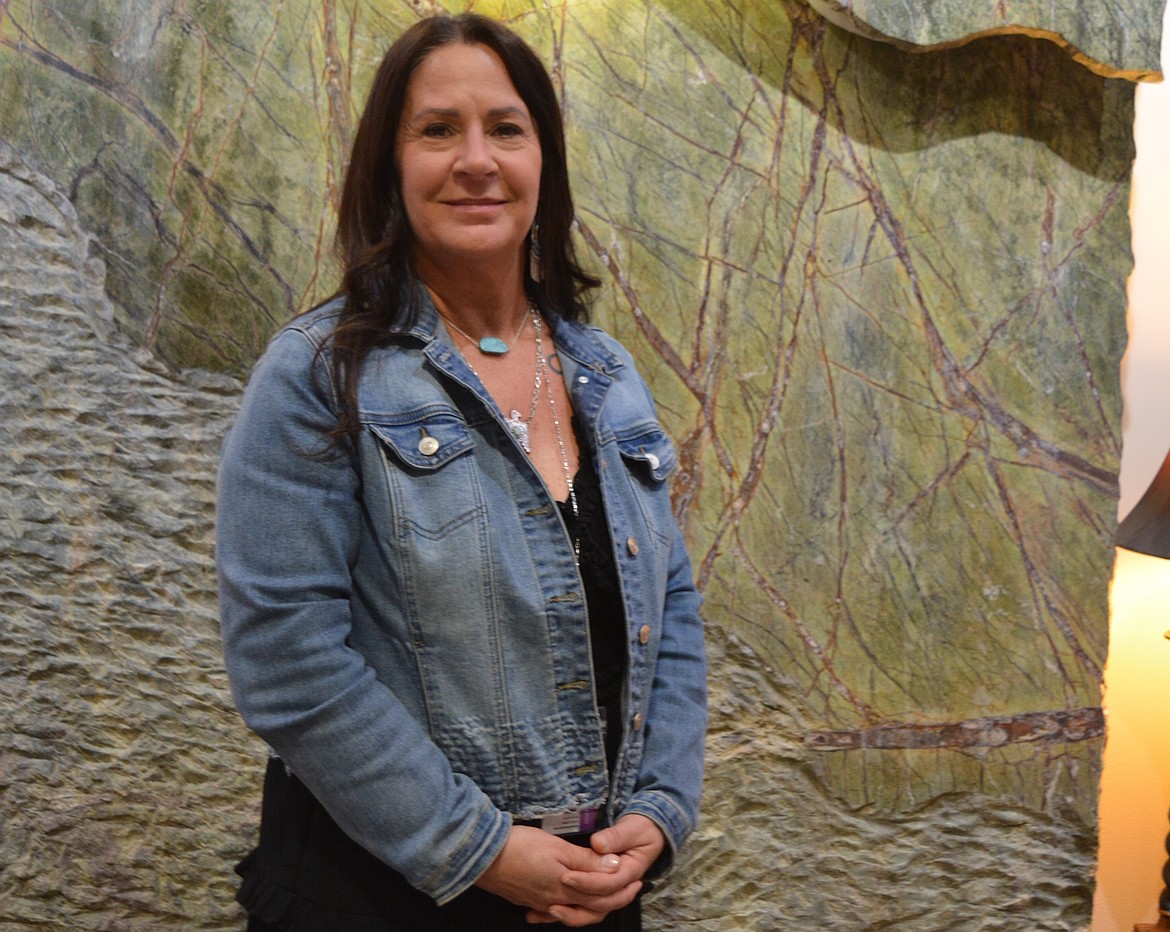
Coeur d'Alene native Johanna Matthews served 13 years in the U.S. Army Reserves as a psychiatric nurse.
CAROLYN BOSTICK/Press
POST FALLS — Johanna Matthews joined the U.S. Army Reserve with one person in mind: her father.
Her father was a Vietnam veteran and she witnessed firsthand how his experiences during the war caused strain to his relationships while trying to adjust to civilian life for years to come.
When she became a nurse, she fell in love with helping others work on their mental health and be there for people like her father.
"My motivation is to be able to support those who served first,” Matthews said.
Matthews found a path forward with the Army Nurses Corps a psychiatric nurse.
Her designation was 66 Charlie and Matthews eventually became a major in the U.S. Army Reserve.
When she wasn’t called on by the Army Reserve to serve, she worked as a psychiatric nurse for the DOD in her civilian life.
Matthews hopes to be a bridge for service members to get critical mental health help if they are struggling.
“One of the biggest barriers that I’ve seen is service members being comfortable coming forward because it could ruin their career and this is their livelihood,” Matthews said.
More military leadership needs to be better educated on how earlier identification of mental health issues results in better outcomes.
Matthews is now a psychiatric-mental health nurse practitioner helping patients with PTSD, traumatic brain injuries and other mental health issues at Serene Integrative Services in Post Falls.
Watching mental health tools develop to help treat major depressive disorder through technologies such as the transcranial magnetic stimulation treatments have been encouraging.
These mental health tools arm specialists with more of an array of options to help people work through their experiences and understand the way their minds are structured.
For families of members of the military past or present, Matthews urges family members and friends who see loved ones struggling to find a network to access helpful resources and realize they are not alone in the struggle to provide support.
“Extend that hand to get them the help your loved ones need. It does help people,” Matthews said.