

HUCKLEBERRIES: A new leash on life
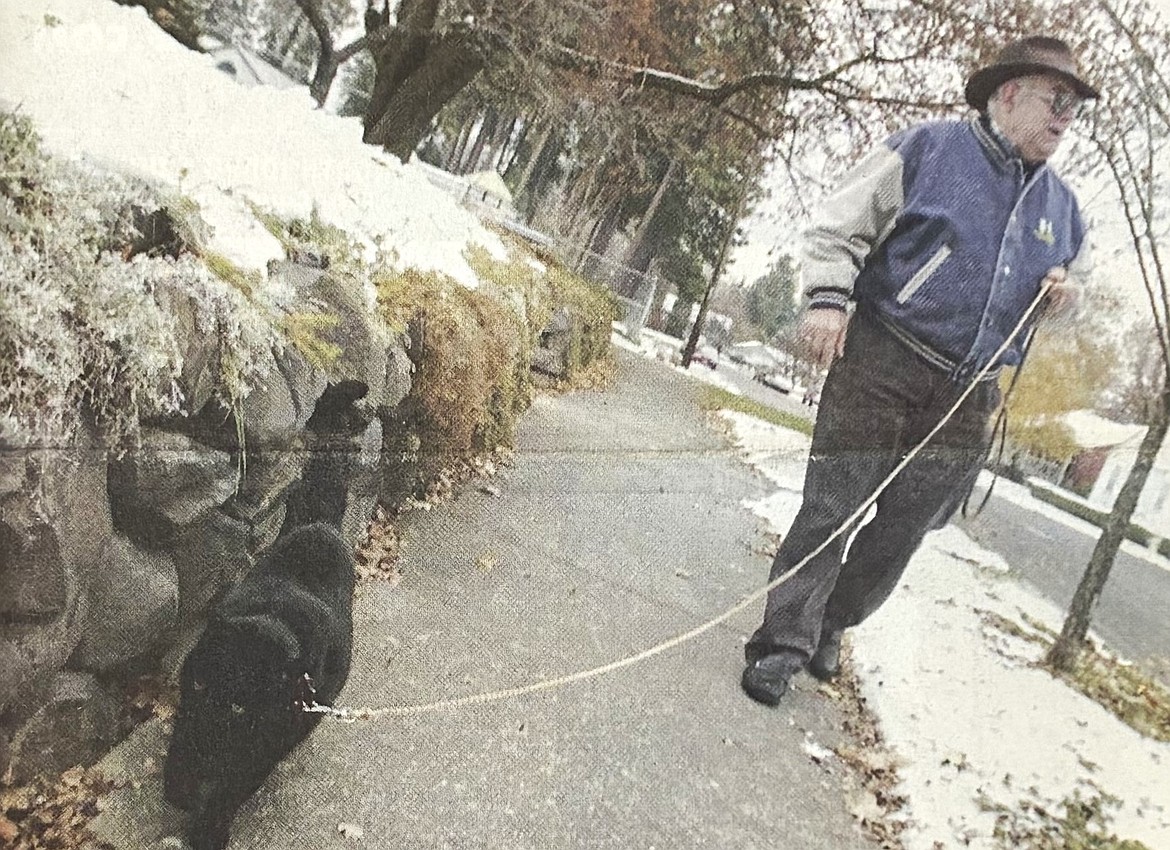
Don Moormann walks his cat, Rat, in 2000.
Photo courtesy of the Coeur d'Alene Press archives
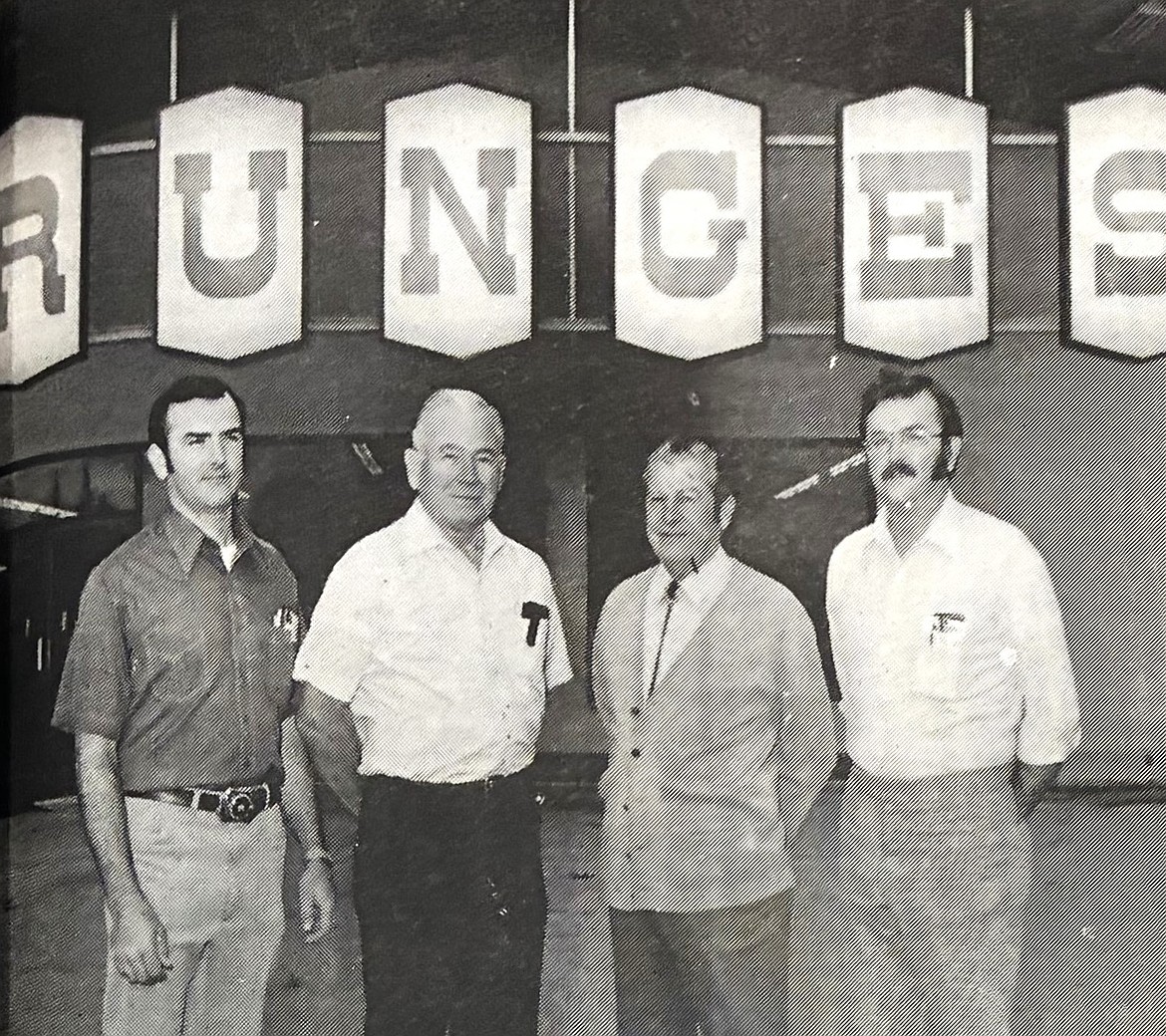
The Runges relocate their furniture business to Spokane Street in midtown in 1980. Among those at the opening of the new store are, from left, Jim Runge, business associate Bill Richards, Floyd Runge and John Runge.
Photo courtesy of the Coeur d'Alene Press archives
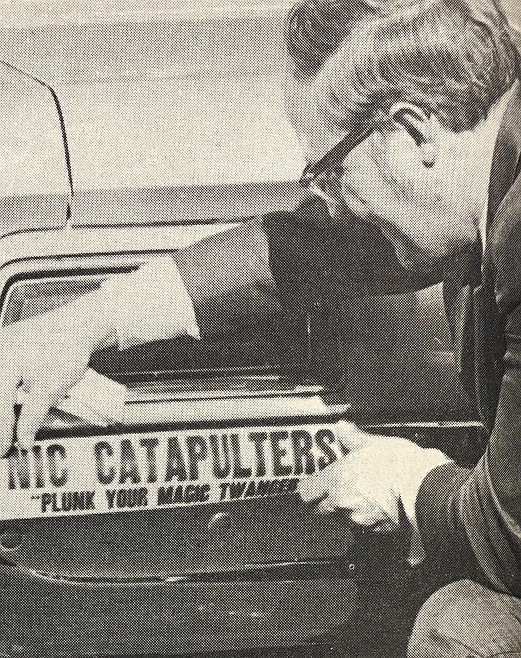
President Barry Schuler of North Idaho College places a “Plunk Your Magic Twanger” bumper sticker on his car in 1975.
Photo courtesy of the Coeur d'Alene Press archives
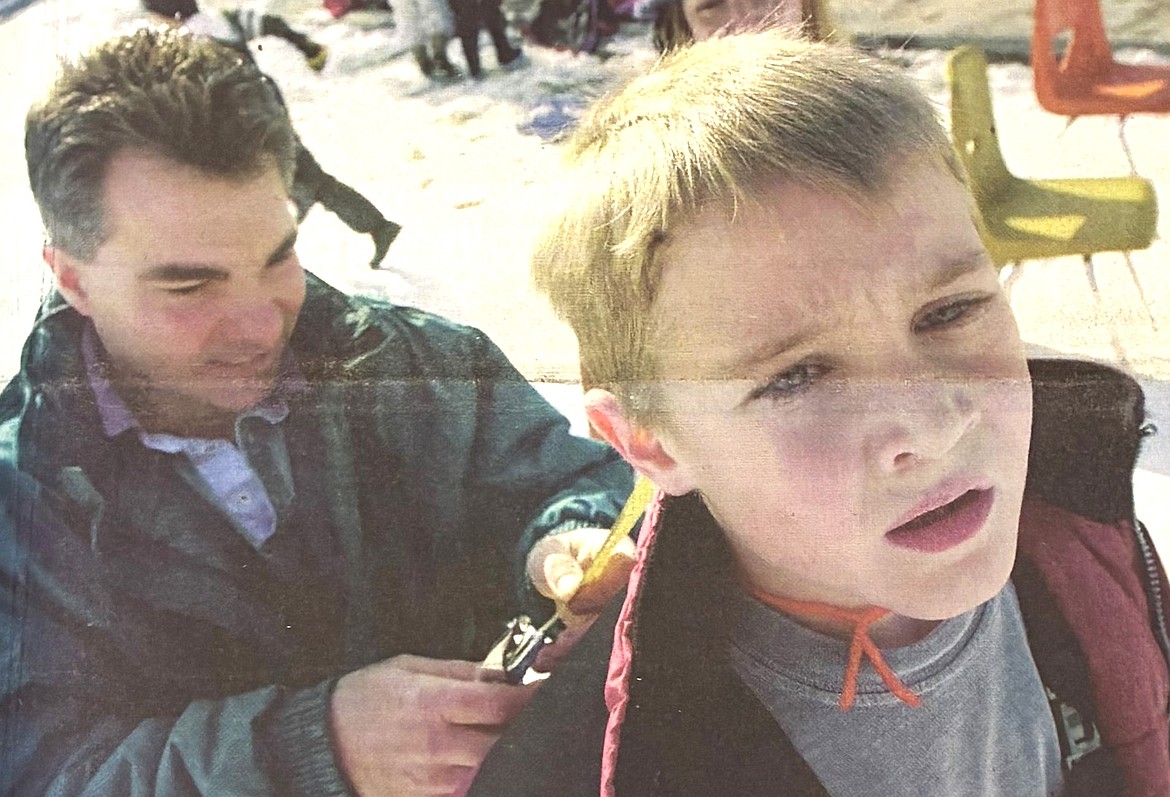
Teacher Clark Campbell punches fifth grader Kyle Page’s ticket for trotting around the Bryan School yard in 2000.
Photo courtesy of the Coeur d'Alene Press archives
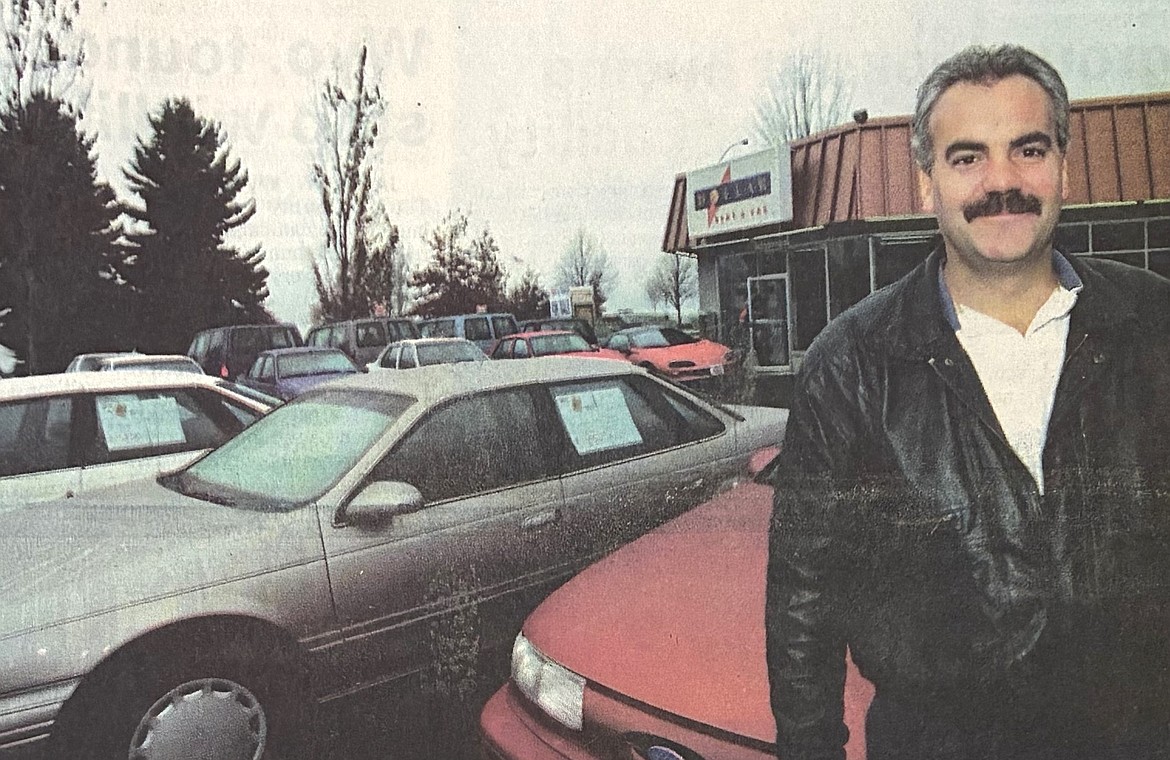
Sales manager Paul Victorino stands outside Dollar Rent A Car at First Street and Sherman Avenue in 1995.
Photo courtesy of the Coeur d'Alene Press archives
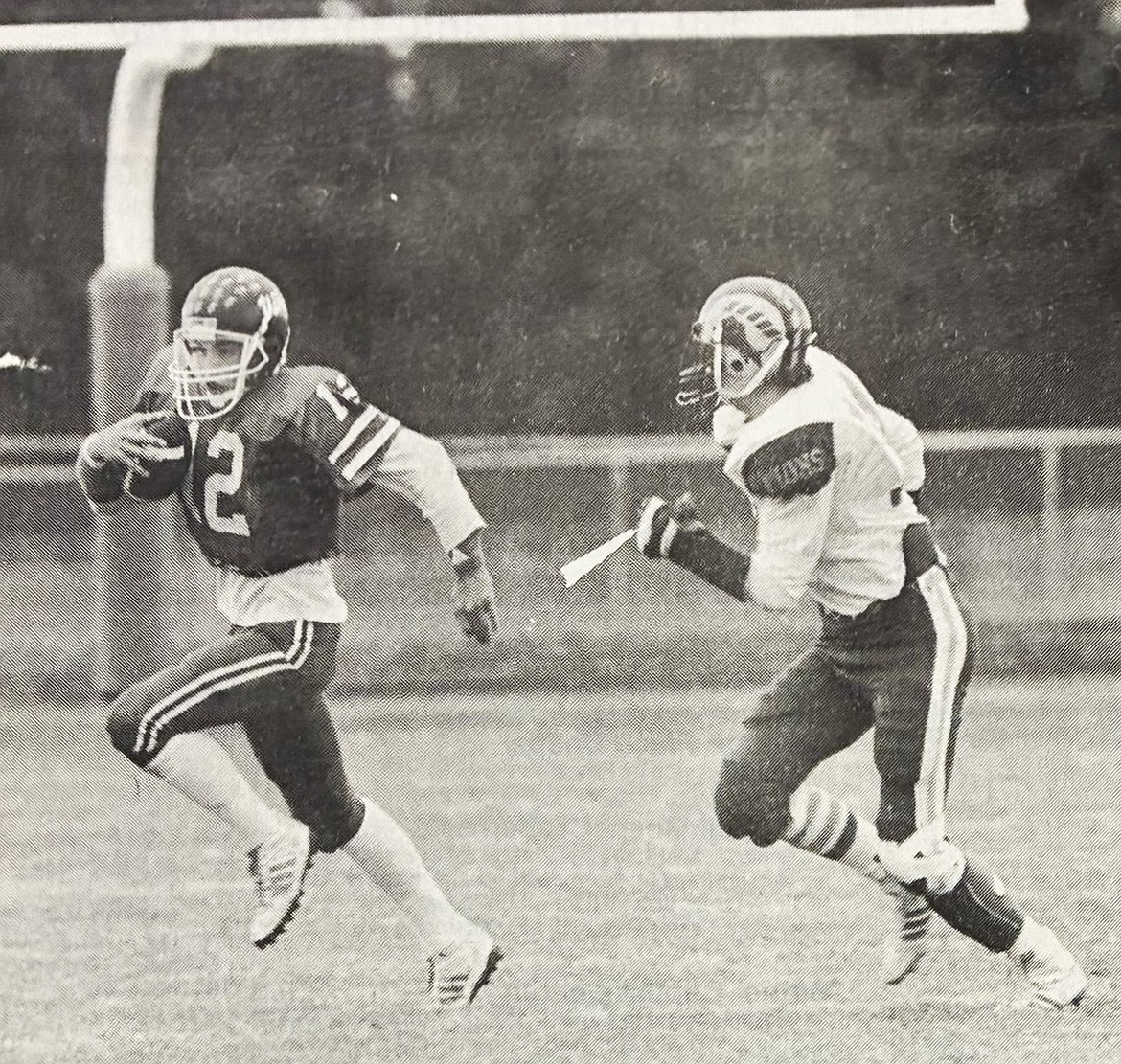
Quarterback Duane Halliday of Coeur d’Alene High evades a Boise High tackler in the Idaho state semifinal game in 1985.
Photo courtesy of the Coeur d'Alene Press archives
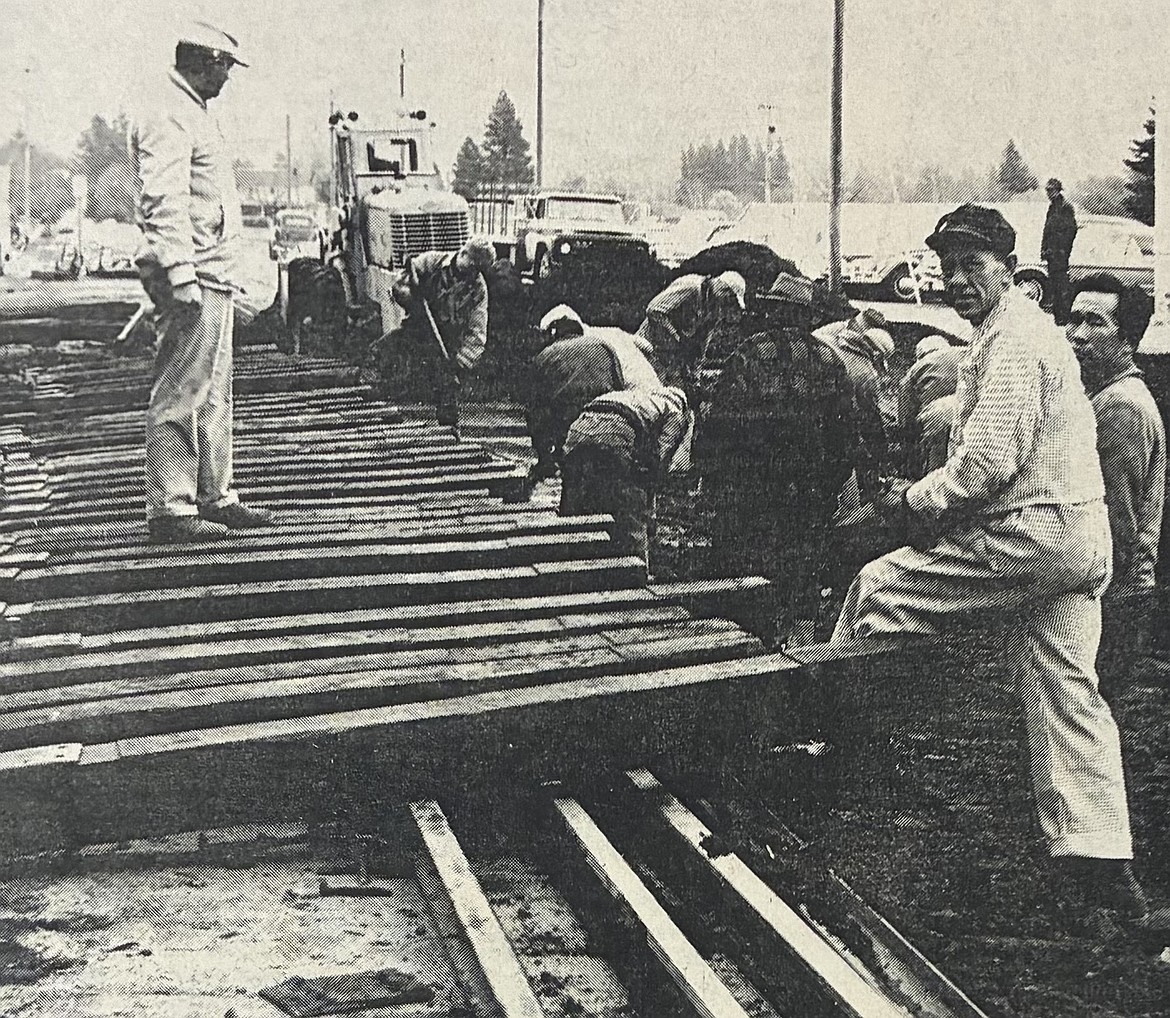
General foreman Tom Demopolis watches a Great Northern Railway crew lay ties and track along Front Avenue from Third to Fifth streets in 1965.
Photo courtesy of the Coeur d'Alene Press archives
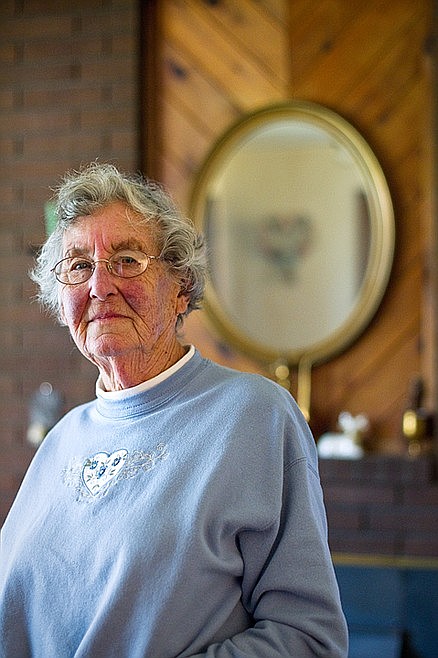
Shown in 2010, Corinne MacDonald wrote letters to the editor annually to remind readers of grandson Ryan Hoeffliger’s unsolved murder.
Photo courtesy of the Coeur d'Alene Press archives
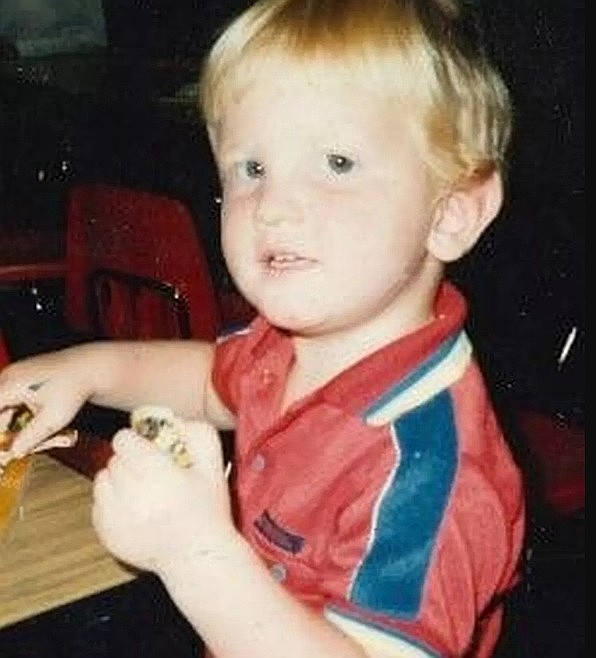
Ryan Hoeffliger is shown at age 2 in 1984.
Photo courtesy of the Coeur d'Alene Press archives
The idea of a cat leash law didn’t bother Don Moormann and his cat named Rat.
At the turn of the century, the 69-year-old Coeur d’Alene man regularly walked Rat, age 5, on a leash around the block near his Indiana Avenue home.
“He’s just like a dog,” Don told the Coeur d’Alene Press. “He just loves to be outside.”
In November 2000, Don Moorman was aware of a local controversy launched by a proposed cat-leash law. Don didn’t mind cats running loose in his neighborhood. But he understood why residents fumed when stray cats soiled their yards and gardens.
“I wouldn’t be opposed to it (leash law), not at all,” Don said. “You just take care of your animals, that’s all.”
Other cat owners weren’t as open-minded.
Tamara Wells told The Press that her five free-range cats provided a service to her Huetter Road neighbors. She estimated that they killed 10 to 12 mice daily, reducing the disease risk. She dismissed the proposed ordinance bluntly: “Plain stupidity.”
“Either you live with cats, or you live with rats,” she said.
When the matter reached the City Council on Nov. 21, 2000, Heidi Pickard of Best Hill Meadows said that the proposal was foolish. And she punctuated her public testimony with other adjectives: “insane, unenforceable, ethically wrong.”
Cats, she said, stating the obvious, aren’t like dogs: a fence won’t keep them in.
“(Under the proposal), they are either inside or outside under restraint," she said. "Is it right to punish a cat for being a cat, and is it fair?”
The council was divided when a surprise speaker approached the City Hall mic: animal control officer Justin White. His employer, The Watson Agency, had contracted with the city to catch stray dogs for $42,550 annually. Justin didn’t want to handle stray cats either.
He offered three objections: Cats are hard to track down. It’s a waste of time to chase one stray cat when there are 20 others on a block. And said he: “If you pass this law, there’s going to be a lot of irate people. And I will have to deal with all of them.”
Before the council rejected the proposed leash law on a 4-2 vote, Councilwoman Dixie Reid asked: What would it cost the city? Councilwoman Nancy Sue Wallace had the answer:
“A lot of Kibbles and Bits.”
Rained out
The name Runge has meant quality furniture in Coeur d’Alene for almost 80 years.
But Floyd and Edna Runge hadn’t planned to settle here until they visited rainy Seattle.
In a Coeur d’Alene Press story Nov. 12, 1980, the Runges described why they moved to Coeur d’Alene instead of western Washington. At the time, they were celebrating the relocation of their business from 12th & Sherman to 303 Spokane Ave.
In 1946, the Runges decided to move west from Missouri. So, they conducted a farm sale, leased their ranch and packed up the family.
Edna Runge described the life-changing event that happened as the family approached Coeur d’Alene: “We saw the beautiful lake on our way and decided to stay a few days and look the country over. Little did we know we were destined to live in this town.”
They continued to Seattle to visit friends. But they encountered constant rain in the “Emerald City.” So, they returned to Coeur d’Alene, rented motel rooms and found a building to start their furniture business at Second Street and Indiana Avenue.
Today, Runge Furniture shares a midtown block with another notable business: Trader Joe’s.
Magic Twanger
In the 1950s, host Andy Devine of the TV show, “Andy’s Gang,” summoned invisible Froggy the Gremlin with the phrase: “Plunk your Magic Twanger, Froggy.” In the jargon of the day, “plunk” meant “play” and “twanger” was a “guitar.”
In November 1975, the North Idaho College Engineering Club slapped the old catchphrase on bumper stickers to promote a spring 1976 catapult contest. Sold for a suggested donation of 50 cents, the sticker read: “NIC Catapulters: Plunk Your Magic Twanger.”
Even NIC President Barry Schuller bought a bumper sticker.
NIC engineers had invited eight other colleges to Coeur d’Alene to compete for catapult bragging honors. A news release about the event didn’t say what the competitors planned to launch from their catapults.
Pumpkins? Naughty Gremlins? Beer kegs? What?
Still trotting
Thirty-five years ago, Bryan School students began trotting for Thanksgiving turkeys. And nothing has stopped them since — even the 1996 Ice Storm.
On Nov. 15, 2000, The Press said the kids were as tough as mail carriers.
A year earlier, Turkey Trotters had logged 9,677 laps of 266 yards around the school yard or 1,463 miles. For each lap, the runners — and walkers — had received a ticket for a turkey drawing. One girl and one boy in each grade were awarded a turkey.
In about 1990, P.E. teacher Clark Campbell started the Turkey Trot after learning that a student’s parents couldn’t afford to buy a turkey. The family had planned to eat soup for the holiday, but their daughter won a gobbler.
The annual trot will run this week from Monday through Wednesday. That should give the kids ample time to recover before they get stuffed on Thanksgiving.
Huckleberries
• Poet’s Corner: Two things this month/for which we’ll pay:/Black Friday and/Election Day — The Bard of Sherman Avenue (“November”).
• Higher Profile: And the answer is — Dollar Rent A Car. The question: Which business occupied the triangular property at 105 Sherman Ave. before the Coeur d’Alene Chamber of Commerce? On Nov. 5, 2000, manager Jonathan Coe reported that the chamber had an option to buy the property from the Hagadone Corp. The purchase enabled the chamber to become the “front door” to the community.
• Never Give Up: The 1985 Coeur d’Alene High football team was special. Under first-year Coach Jim Clements, the Viks lost five of their first six games, rallied — and beat favored Meridian 21-14 for the state championship Nov. 15, 1985. The title was sweet. But the lesson was sweeter: Good things happen when you don’t quit.
• Work Goes On: Today, Front Avenue is teeming with high rises, including the 18-story Thomas George, which is under construction at Third Street. So, it was 60 years ago. But the construction was different. A railroad gang was busy replacing ties and track between Third and Fifth streets to keep the Great Northern Railway chugging to Potlatch’s Rutledge Mill on the east end of town.
Parting shot
Every November, on the anniversary of grandson Ryan Hoeffliger’s mysterious death, Corinne MacDonald wrote a letter to The Press.
In November 1998, her message began: “I keep this letter going in hopes that someday, somehow, the death of our grandson will be solved. This is letter No. 14.”
Then, as usual, she gave a brief account of 2-year-old Ryan’s disappearance from his Dakota Avenue home in Hayden from Nov. 10-11, 1984. Within hours, searchers found the toddler’s body floating in nearby Hayden Lake.
No one knows how the boy’s body got there. Or if a murderer remains at large.
Accounts of vanished people and unsolved murders appear in this column regularly, so readers won’t forget the victims.
Now, for a last word from Corinne, from 1998: “I hope the person or persons that did this terrible thing also think of Ryan.”
• • •
D.F. (Dave) Oliveria can be contacted at [email protected].
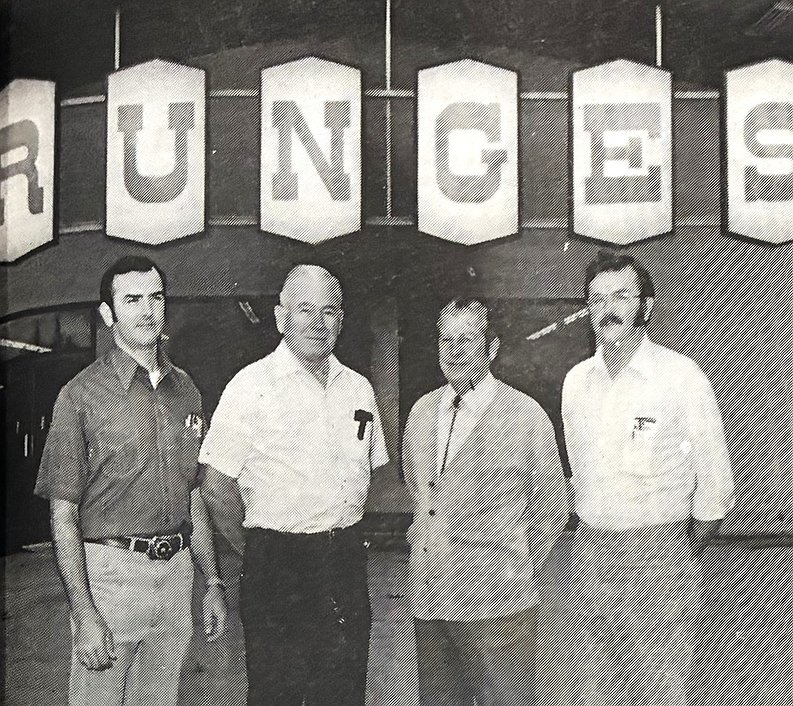 The Runges relocate their furniture business to Spokane Street in midtown in 1980. Among those at the opening of the new store are, from left, Jim Runge, business associate Bill Richards, Floyd Runge and John Runge.
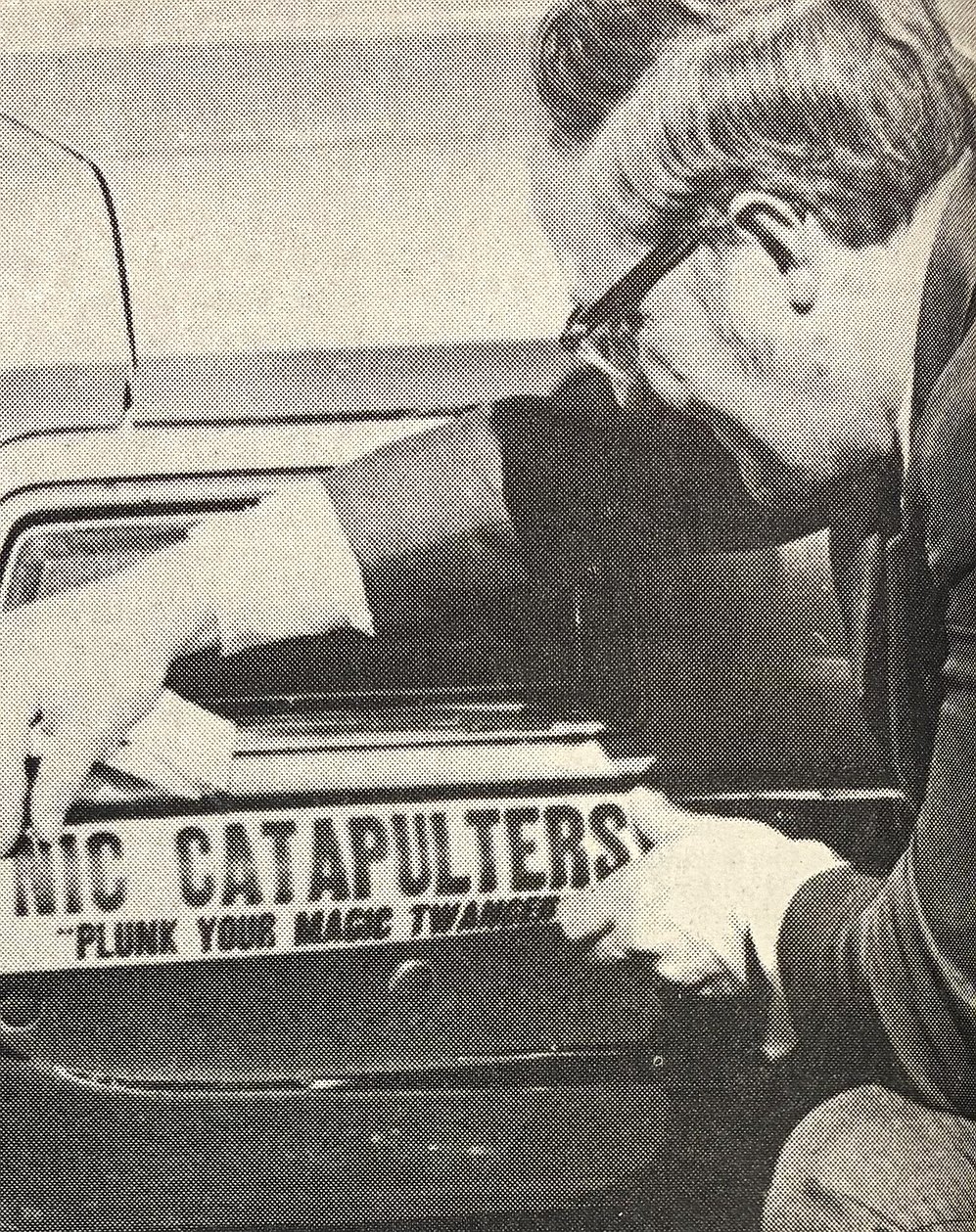 President Barry Schuler of North Idaho College places a “Plunk Your Magic Twanger” bumper sticker on his car in 1975.
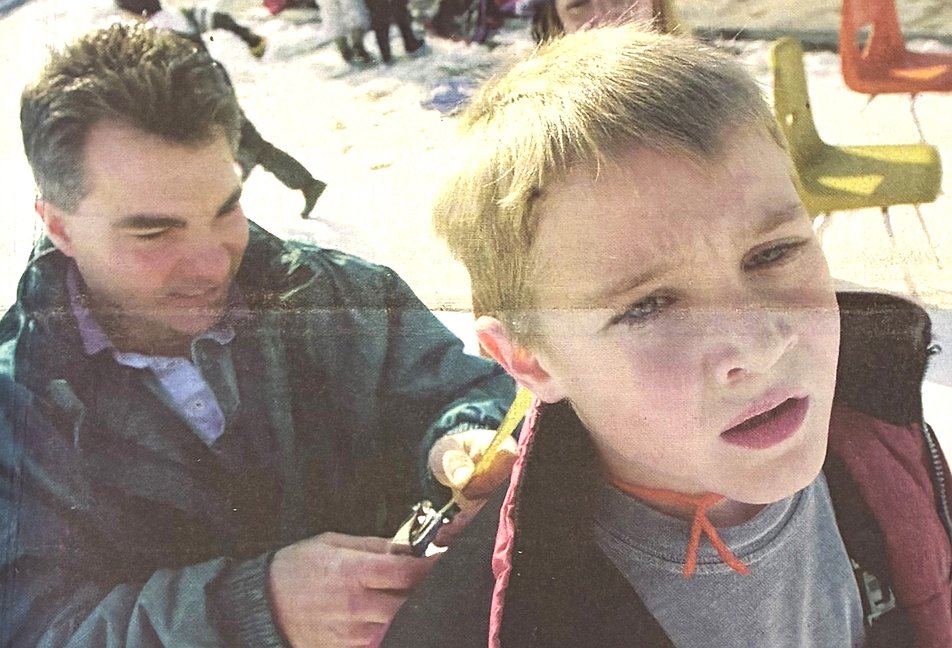 Teacher Clark Campbell punches fifth grader Kyle Page’s ticket for trotting around the Bryan School yard in 2000.
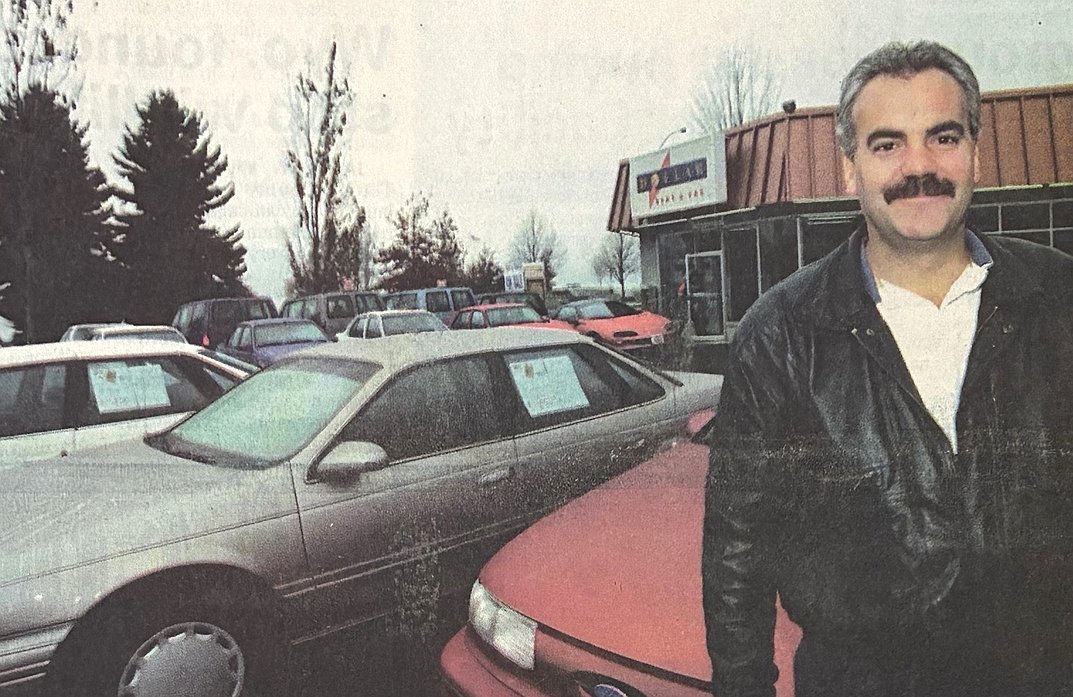 Sales manager Paul Victorino stands outside Dollar Rent A Car at First Street and Sherman Avenue in 1995.
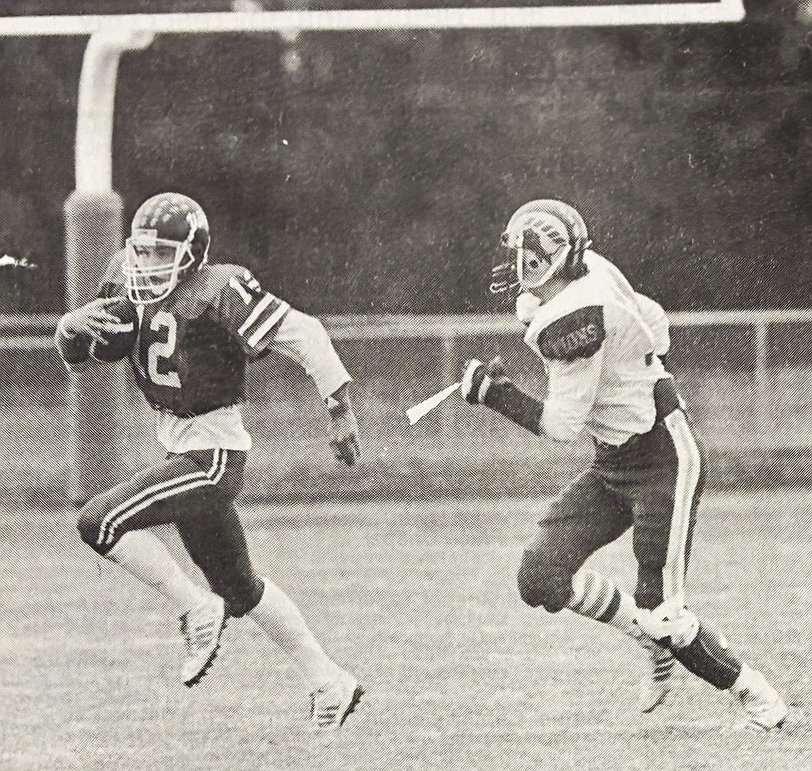 Quarterback Duane Halliday of Coeur d’Alene High evades a Boise High tackler in the Idaho state semifinal game in 1985.
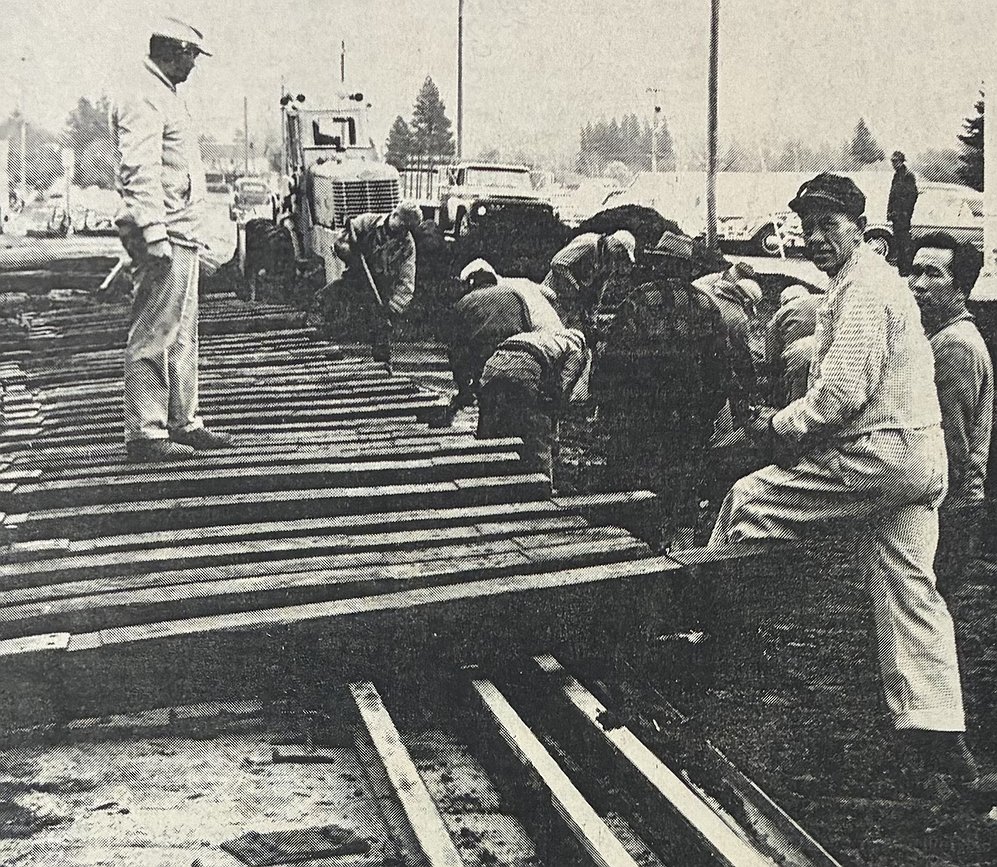 General foreman Tom Demopolis watches a Great Northern Railway crew lay ties and track along Front Avenue from Third to Fifth streets in 1965.
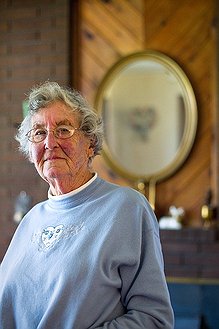 Shown in 2010, Corinne MacDonald wrote letters to the editor annually to remind readers of grandson Ryan Hoeffliger’s unsolved murder.
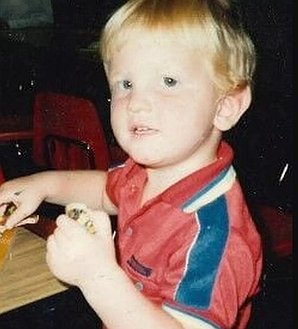 Ryan Hoeffliger is shown at age 2 in 1984.