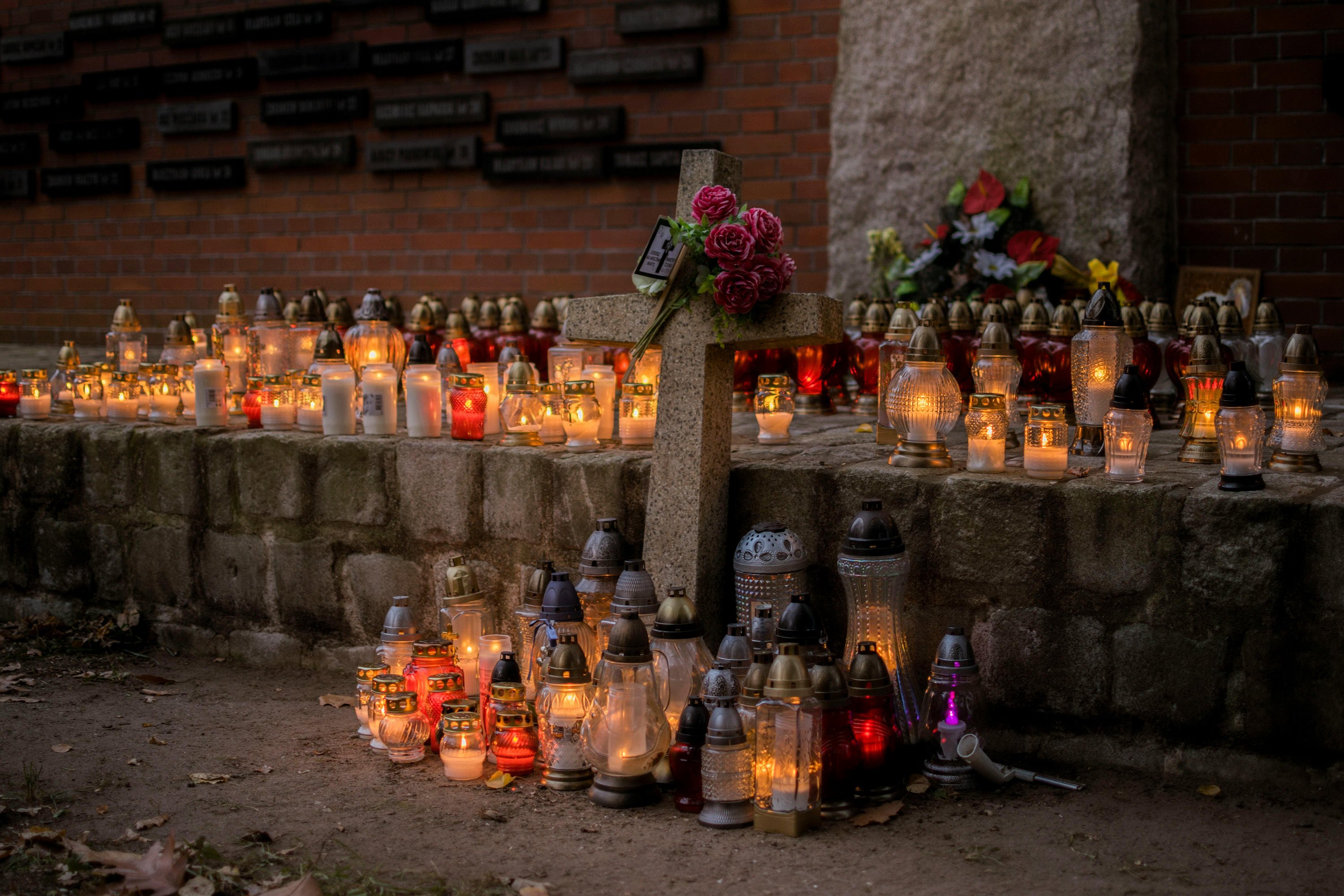

Loved ones remembered during Día de los Muertos, All Saints' Day, All Souls' Day
The costumes are back in the closet for another year, the decorations are coming down and the candles in the jack-o-lanterns have gone out.
The day after Halloween means autumn is coming to a close. The leaves will soon be swept to the curb as frosty lawns await to be covered with blankets of snow. Before too long, Christmas songs will dominate the airwaves.
But before the yuletide takeover, other ceremonies and commemorations are taking place this weekend as people around the world observe days of reflection and remember loved ones who have died. Mexican cultures are honoring family members who have passed during Día de los Muertos, or Day of the Dead. Others are attending Mass, praying and lighting candles as they observe the holy days of All Saints' Day today and All Souls' Day on Sunday.
El Día de los Angelitos — the Day of the Little Angels — began at midnight. This is the day when the spirits of deceased children are believed to be reunited with their families for one day.
"Families construct an altar, known as an ofrenda, with the departed child’s favorite snacks, candies, toys and photographs to encourage a visit from their departed children," reads the description on dayofthedead.holiday. "The names of the departed children will often be written on a sugar skull."
Día de los Difuntos, or Day of Spirits of the Adults, begins at midnight Sunday. Stories are told, laughter is shared and the ofrendas take on a more adult theme, "with tequila, pan de muerto, mezcal, pulque and jars of atole," the website states. "Families will also play games together, reminisce about their loved ones and dance while the village band plays in their town."
At noon Sunday the grand finale and public celebrations will occur.
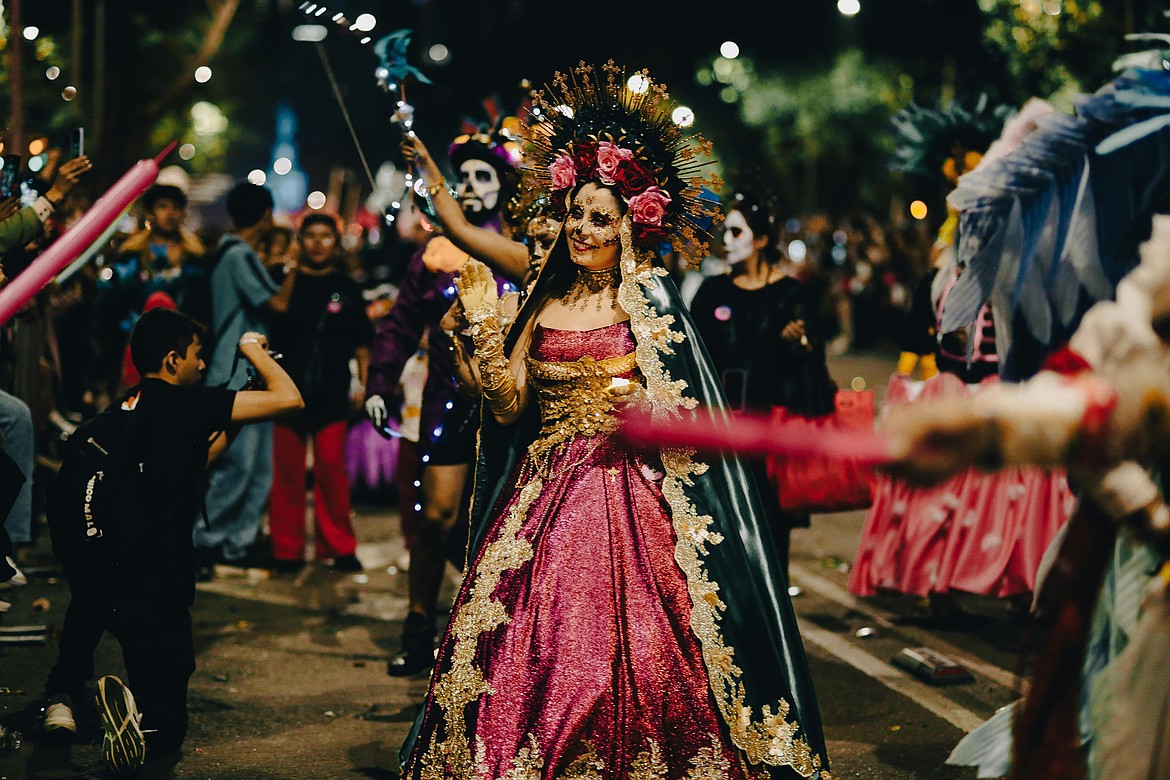
"People come together in their cities, dressed up with calavera painted faces (skeletons) and have parades in the streets," according to the website. "Cemetery visits are also common on the last day as families will go to decorate the grave sites with marigold flowers, gifts and sugar skulls with the departed’s name on them. It’s customary to clean the gravestone and restore the color."
All Saints' Day is one of the reasons All Hallows' (All Saints') Eve exists. According to USA Today guest columnist Jeff Gill in his Oct. 24 piece "What's the difference between All Saints' Day and All Souls' Day?" these holy days also attributed to Día de los Muertos.
"The core observance for the faithful is Nov. 1, with Nov. 2 marked as All Souls' Day," Gill writes. "This crossed the Atlantic and mixed with ancient Mexican traditions to give them, and us, the Day of the Dead, which in much of Central America is a multiday observance centered in and around both churches and cemeteries."
He explains how "the declaration of a saint in the Catholic tradition is the church saying someone has displayed heroic virtue in some form and has given proof that they are in heaven."
"This is why the process of sainthood involves the verification of miracles on earth as a sign of the honored person’s presence with God," Gill writes.
All Souls' Day, he explains, is just that: A day to honor all of the dead.
"But without the assumption that just by being deceased they are in heaven," Gill writes. "Some we might be pretty sure about; others we wonder, 'but who of us knows for sure?' And a few we’re pretty certain went somewhere else entirely — diplomatically, we honor them all, everyone on All Souls' Day."
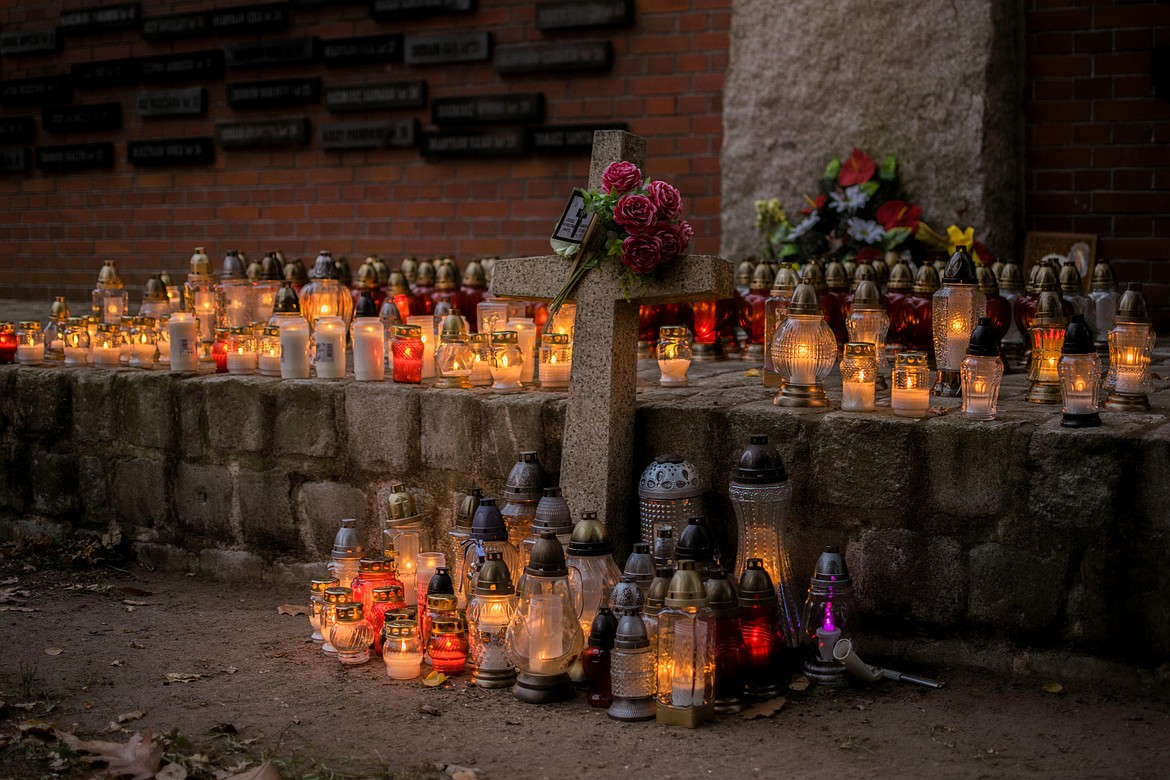
To celebrate and observe All Saints' Day, many will attend Mass, pray the Litany of the Saints, venerate relics, light candles and visit cemeteries. Similar practices are conducted for All Souls' Day. Some may erect altars in their homes, perform acts of kindness and charity and partake in symbolic foods, such as soul cakes. Soul cakes traditionally are small, spiced cakes that have long been a part of the Allhallowtide season, which encompasses Halloween, All Saints' and All Souls' days.
Daniel Dougherty on goodcatholic.com explains how they're all intertwined as the three parts of Allhallowtide.
Halloween is the gateway to the days when the dead are remembered.
"Even Halloween’s more ancient title, All Hallows’ Eve, indicates that it is a harbinger of what is to come, both in this life and the next," he writes.
All Hallows' Day, or the Feast of the Holy One, "is commemorated as a day of such importance that it was granted a vigil, or eve, by the Church," he explains. "This compelling evening was a time of anticipation, an occasion of rejoicing and prayer. Moreover, it was a night to be watchful in preparation for the great celebration that dawn would bring. Thus sprang Halloween."
"The day after All Saints, however, is marked by somber solemnity, and is known as the Commemoration of All Souls," Dougherty writes. "Here, the faithful turn their thoughts to those who have died."
These ancient practices have evolved through the years, but the sentiment has remained: Remember to honor and celebrate loved ones, here and departed, and memento mori — no one lives forever.