
FAST FIVE Marietta Hardy: The joy of music and mentorship
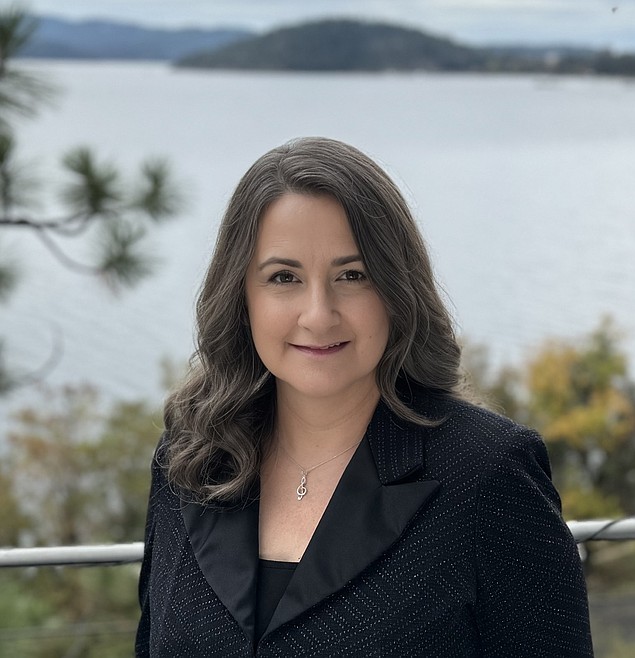
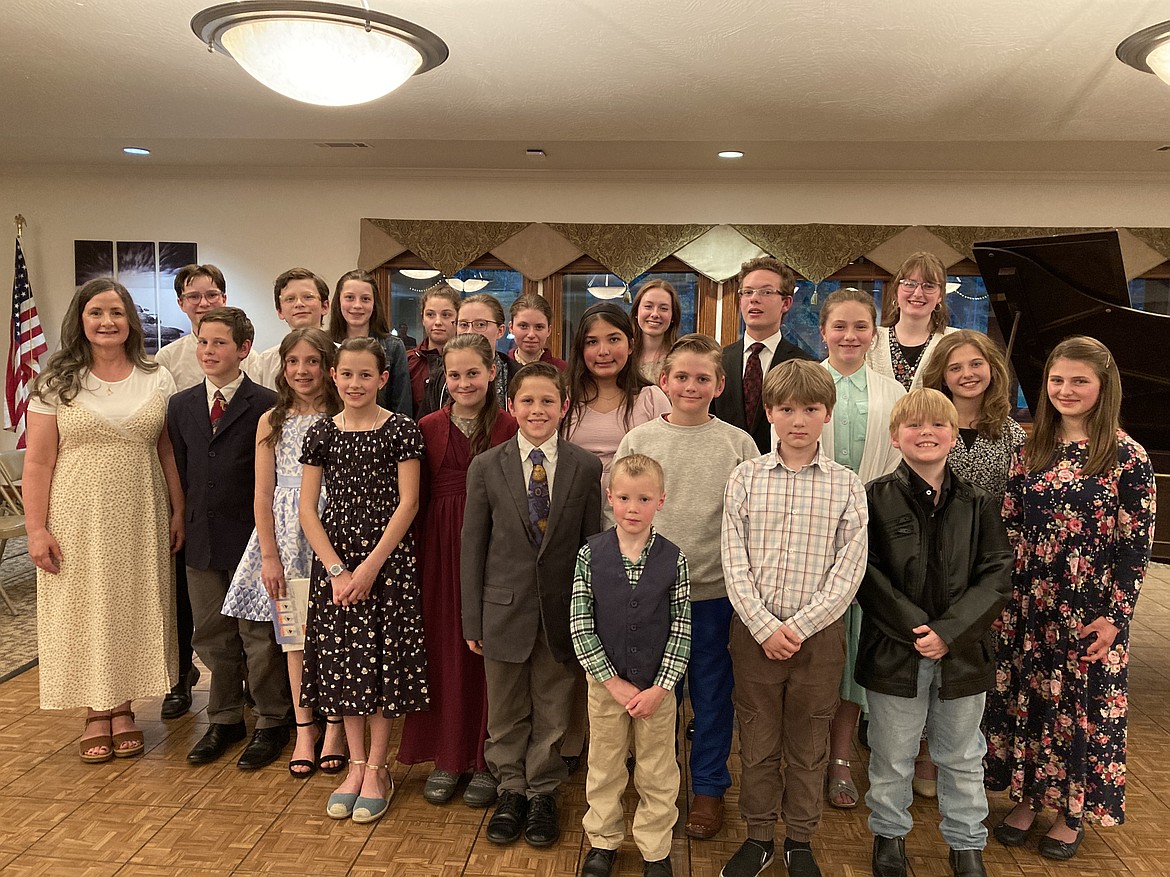
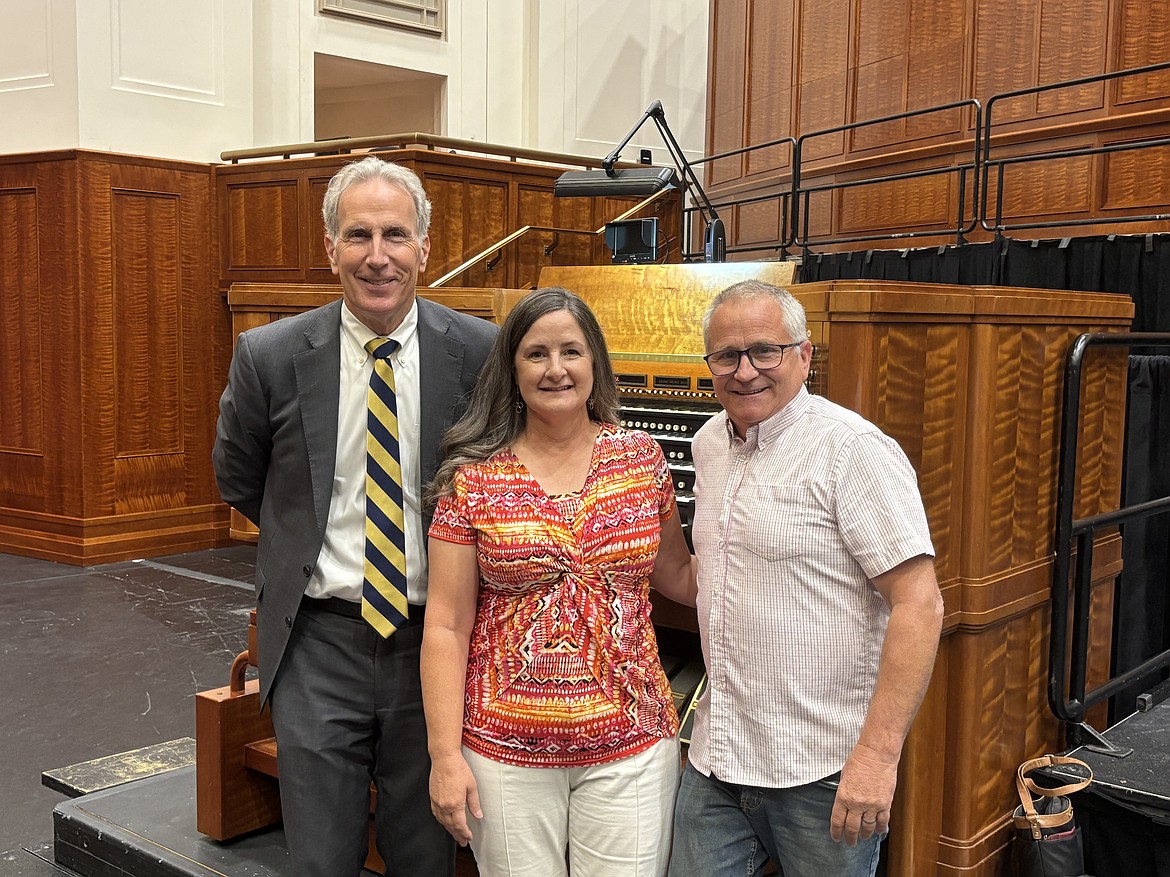
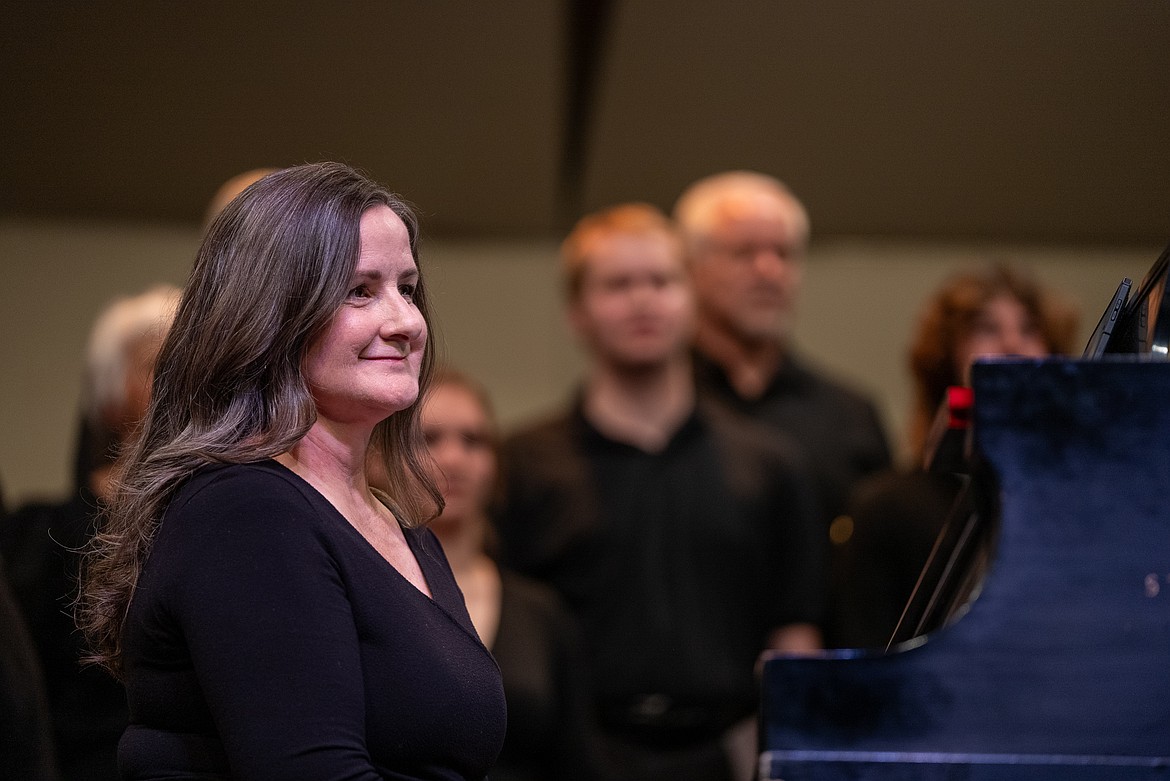
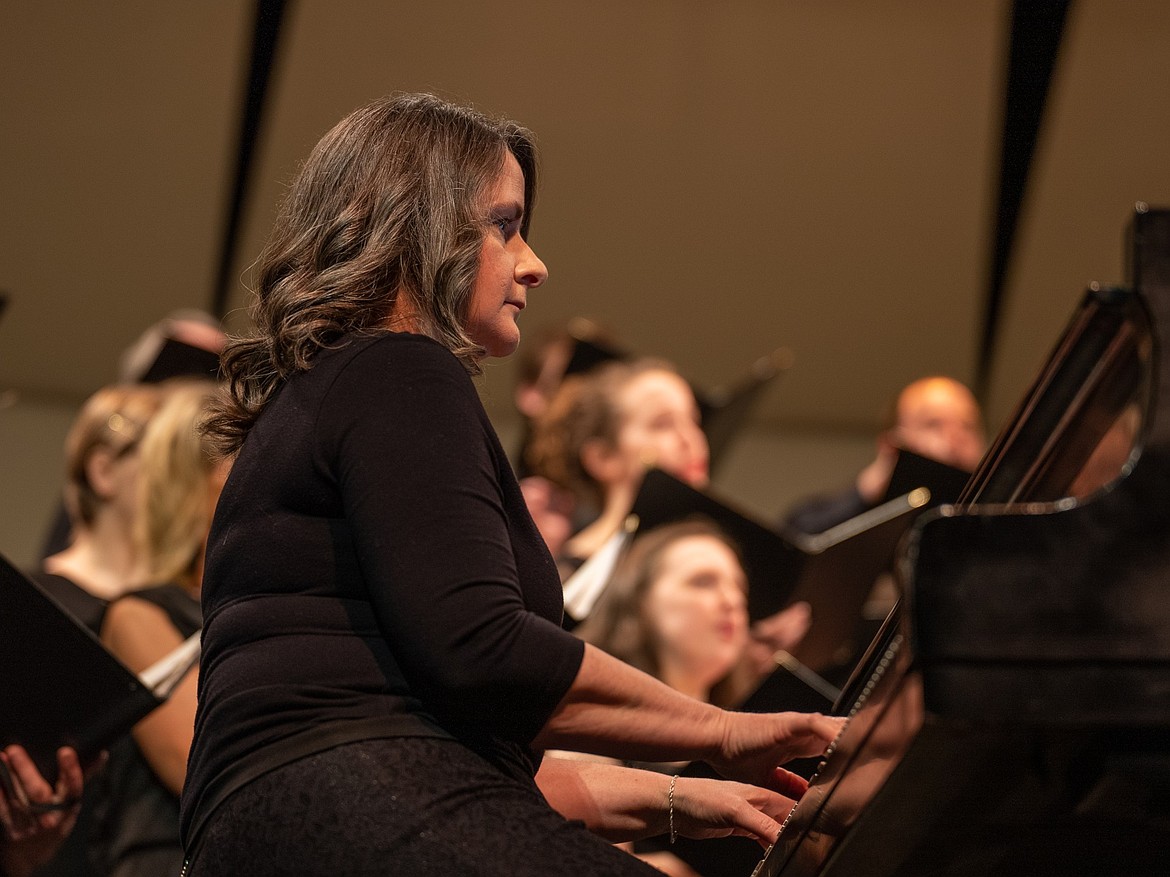
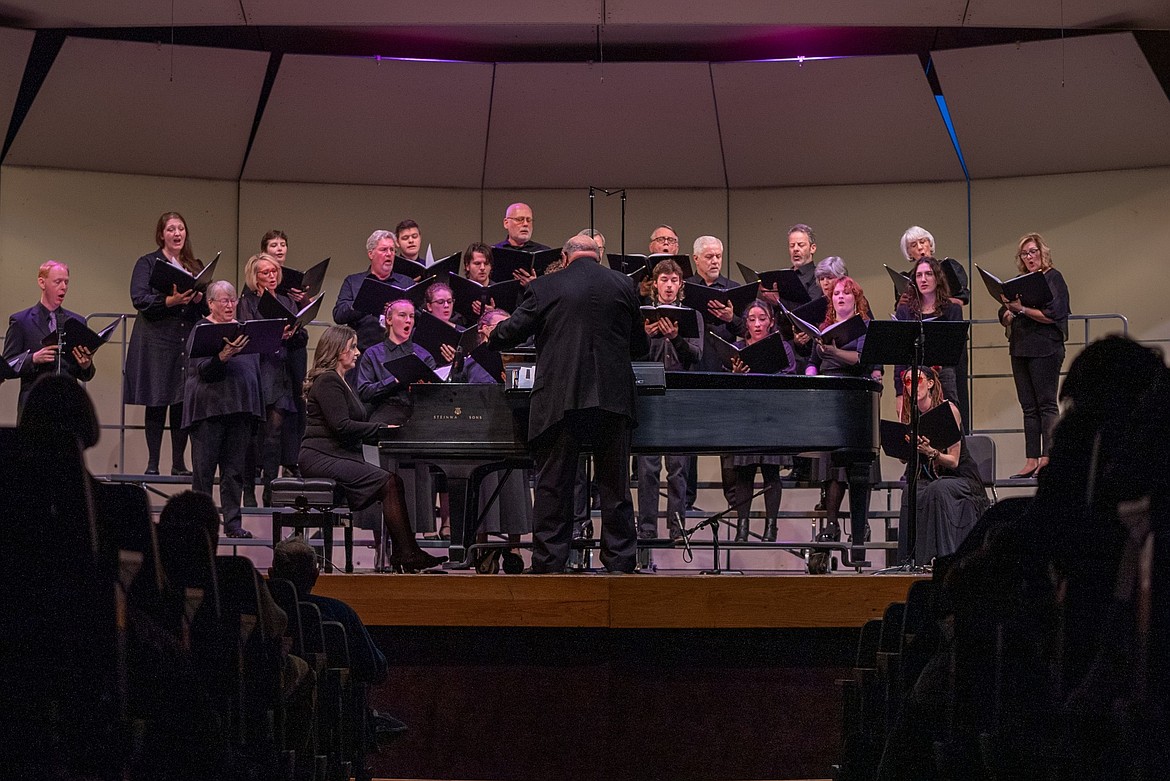
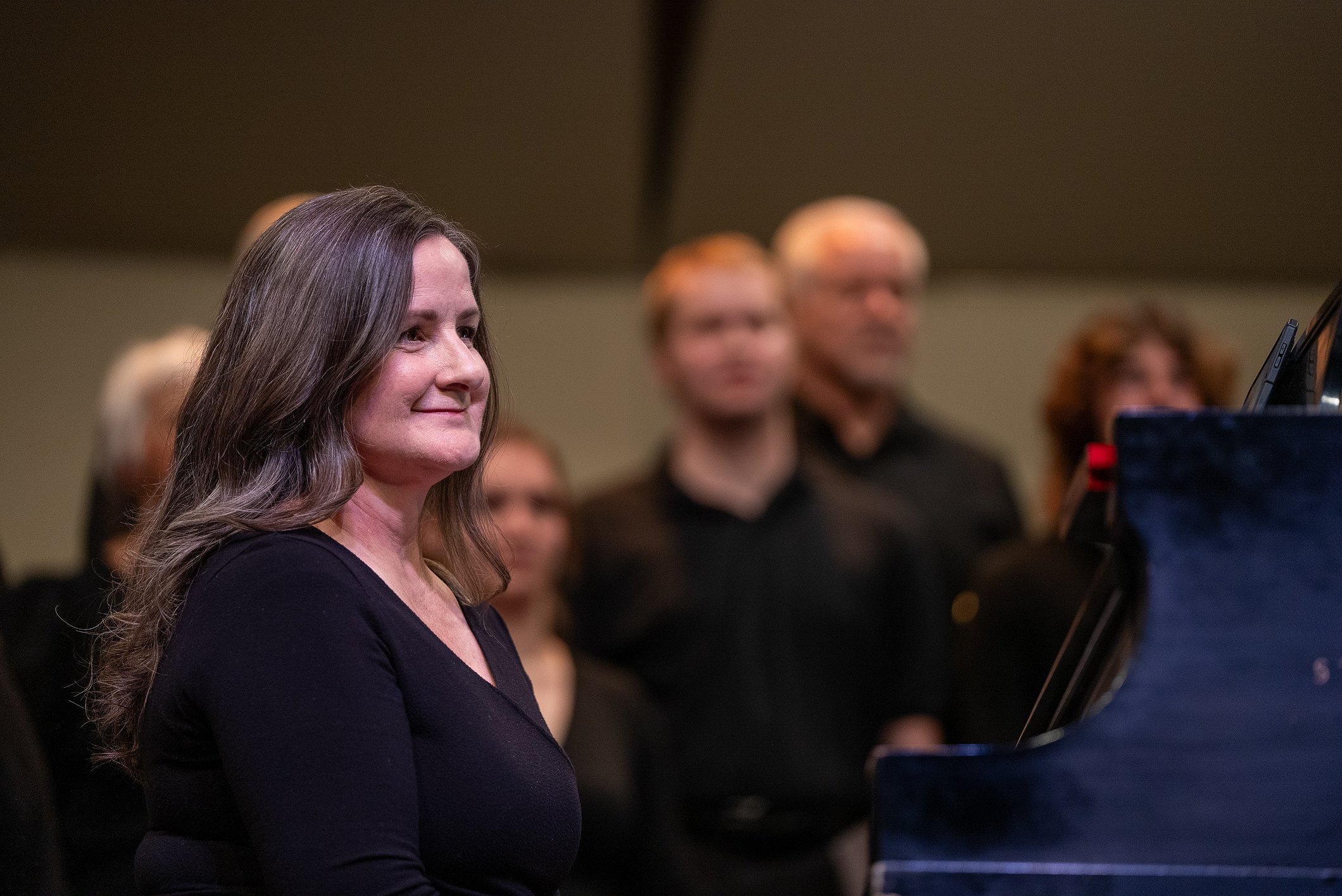
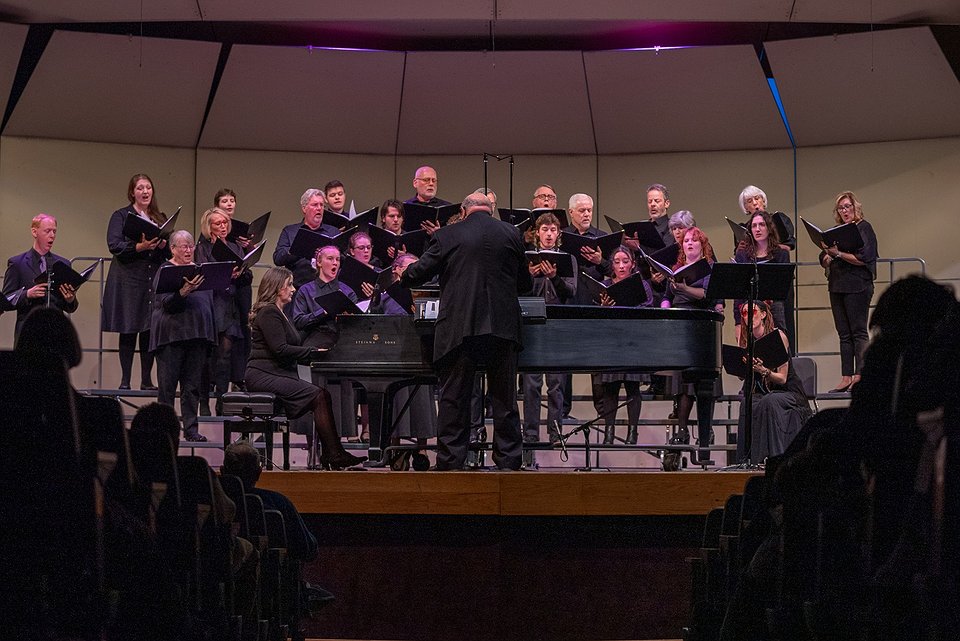
Meet Marietta Hardy, a musician whose life’s work blends faith, family and a deep joy in helping others find their own voice through music.
Info: hardymusicstudio.com
1) How long have you been a music teacher?
I’ve been a professional music teacher since I finished college in 1989. I earned my Bachelor of Music degree in organ pedagogy from Brigham Young University. So, it’s been quite a few years now. Teaching has really been my lifelong career and passion.
2) Who were some of the music instructors in your life who made an impact on you today?
My mom was definitely the first. She was the one who gave me my foundation — not just musically, but in the way she approached learning and teaching.
Then there was Mary Noble Bennett, who was the top piano teacher in our town in Tennessee. She set a very high standard and really pushed me to grow.
At Ricks College, I studied with Darwin Wolford, who had such a strong background in pedagogy. Through his teaching lineage, I can actually trace my pedagogical line all the way back to J.S. Bach, which I think is such an amazing connection to music history.
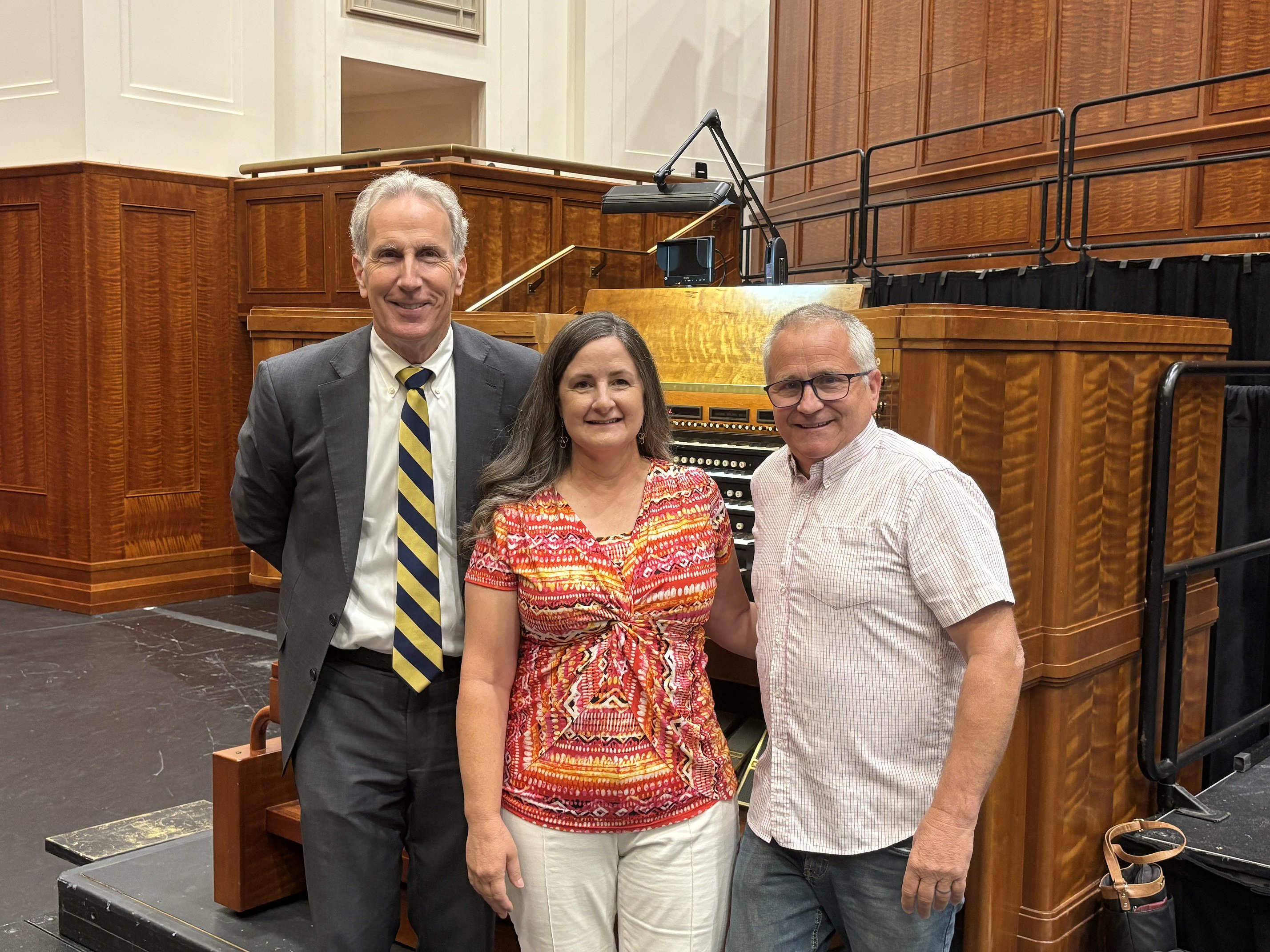
And at BYU, I studied under Richard Elliott. He was another major influence in my life, and we still keep in touch today.
I would also like to mention Debby O’Dell as an influence in my life. We taught piano together at North Idaho College for several years. I learned many advanced teaching techniques from her during that time, and I’m grateful for the professional and personal growth that came from our collaboration.
Each of these teachers shaped not just my musicianship, but the kind of teacher I’ve become.
3) What joy do you experience when you see students grow in their musical abilities?
It’s immense. Honestly, what greater purpose do we have in life than to bring joy to others? Watching students grow and discover what they can do brings me such deep happiness.
A lot of my students want to learn piano or organ so they can be better equipped to serve in their church, which makes their progress especially meaningful to me. I started playing for my own church’s children’s Sunday School services when I was just 11 years old, and I’ve been serving in church music ever since. It’s a joy to see that same desire in my students as they use their talents to bless others.
The best part is knowing that this kind of joy isn’t temporary. It’s something they can return to again and again throughout their lives. Music becomes a source they can draw from whenever they need it. That’s incredibly meaningful to me.
4) What is something people would be surprised to know about you?
Most people are surprised to learn that I’m the baby of eight children! Growing up in a big family definitely shaped who I am.
Another fun fact is that I used to be a ballroom dancer. It’s such a joyful and expressive form of movement. I’ve always loved the rhythm and flow of music so much.
And here’s one more surprise: My husband and I actually own a couple of race cars! He drives on the track, and I work as a turn worker, which means I use flags to signal certain things to the drivers while they are on the track. It’s a completely different world from music, but it’s thrilling and full of energy.
5) What are some benefits to learning how to play an instrument, and is it something we can learn at any age?
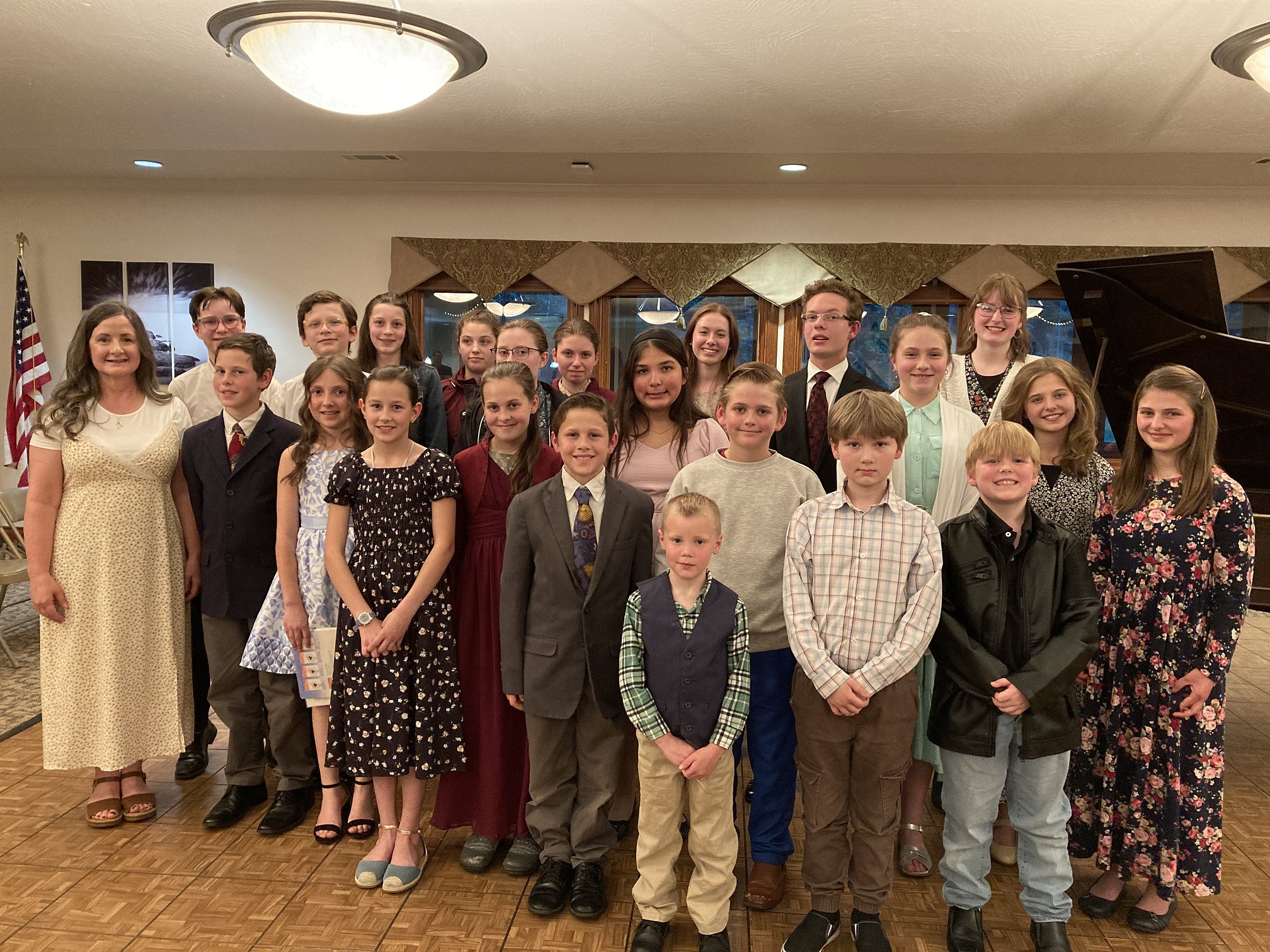
Absolutely! I have taught students from ages 5-87. You can learn music at any age! In fact, that’s one of the great joys I find in teaching older adults. Yes, it can take a little longer to develop certain skills, but it’s so good for the brain.
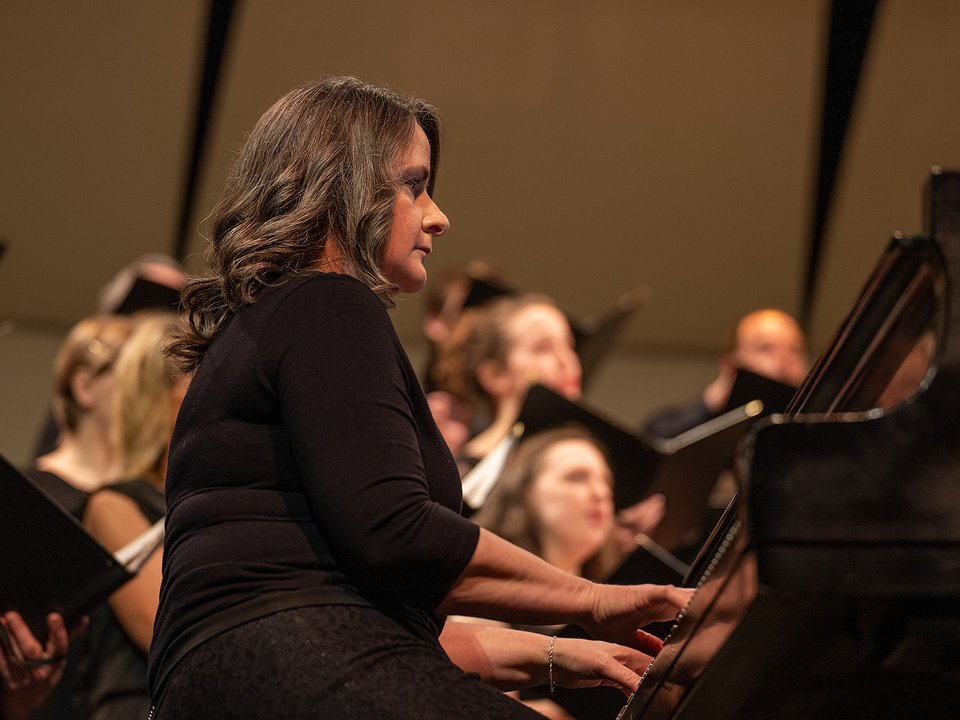
Playing an instrument engages both the body and the mind in a remarkable way. The physical movements you make while playing connect directly to your brain, keeping you young and mentally sharp. When I’m sight-reading, for example, I can almost feel my brain “click in.” It’s exhilarating!
There’s something so powerful about translating what you see on the page into what comes out through your hands. It’s better than sugar! This musical language brings order and structure to the brain. There’s a great deal of research showing that fine motor skills like these help keep neural pathways active and open.