
MY TURN: Mid-year fog
Mitchell
In January 2025, the U.S. economy was expected to continue to grow, but more slowly than in 2024 with tight labor markets, lagged effects of tightened monetary policy, fading pandemic fiscal stimulus and capacity constraints. The new administration implied a mix of pro-growth deregulation and fiscal policy and drags from trade and immigration policy. Job openings had declined, but unemployment remained low, and inflation hovered above the Fed’s target.
The spring has been marked by chaotic trade policy, tariffs on specific goods such as cars, steel and aluminum announced “reciprocal tariffs” on April 2 then delayed on the 9th, a 145% tariff on China, since relaxed, and a general 10% tariff on imported goods. The final nail was hammered in the coffin of the post World War II system of generally falling trade barriers.
The full impacts of the new policies, which are very fluid now, are not yet clear. We do not know what the final result will be, but likely a world with higher trade barriers. We sit with our morning coffee from Columbia, our cellphones with rare earths from Congo, our Madagascar vanilla scones, avocado from Mexico and clothing from Bangladesh not fully cognizant of our myriad global connections.
The U.S. dollar is a reserve currency, much of the world’s trade is conducted in dollars, and dollar assets make up more than half of countries’ international reserves. The dollar succeeded the British pound, the Dutch florin and the Spanish juro over the last 500 years (Rogoff, 2025). The world has been happy to hold dollars, which gives the U.S. the ability to use more than we produce by importing more goods and services than we export. We have lower interest rates as non-residents want to hold U.S. assets. Nations that export more goods and services than they import use less than they produce. (China, Germany) The dollar status reflects our stability, the deep capital markets, the rule of law and the strength of the Federal Reserve. Whether we keep that status, which De Gaulle’s finance minister in the 1960s called an “exorbitant privilege,” is an ongoing question.
The imposition of tariffs and vacillating rates constitute a threat to the price level as higher import prices work through to consumers and domestic firms raise prices. We await the data in the price indices. Policy uncertainty leads to delays in projects. Would you build not knowing the costs or what the supply chain might look like? The Fed is facing the prospects of upward price pressures and weakening in the labor market as it seeks its twin goals of low inflation and high levels of employment. Outlooks for 2025 have been revised downward for GDP and upward for inflation with an increased range of plausible outcomes and decreased confidence. The Policy Uncertainty Index has soared.
Idaho continues atop the national job growth rankings with an April unemployment rate of 3.7%, half a point below the national average. The state’s leading export destinations include Mexico, Canada and Japan, and products atop the list are ag products, electrical equipment and chemicals. I suspect producers are worried. The ghosts of Smoot and Hawley are out of the crypt and about the land. We do not know the end game. The signals are changing for billions of people and millions of firms across the globe. The summer promises to be an exciting one. Meanwhile I sit and wonder whether I should be concerned with my 55-year trade deficits with Albertson’s, Safeway, Yoke's, Super 1 and FM.
• • •
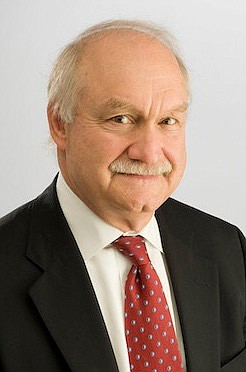
John W. Mitchell is a Coeur d'Alene resident.