
ADVERTISING: Advertorial — Healing without the knife: How chiropractic care and non-surgical spinal decompression work together
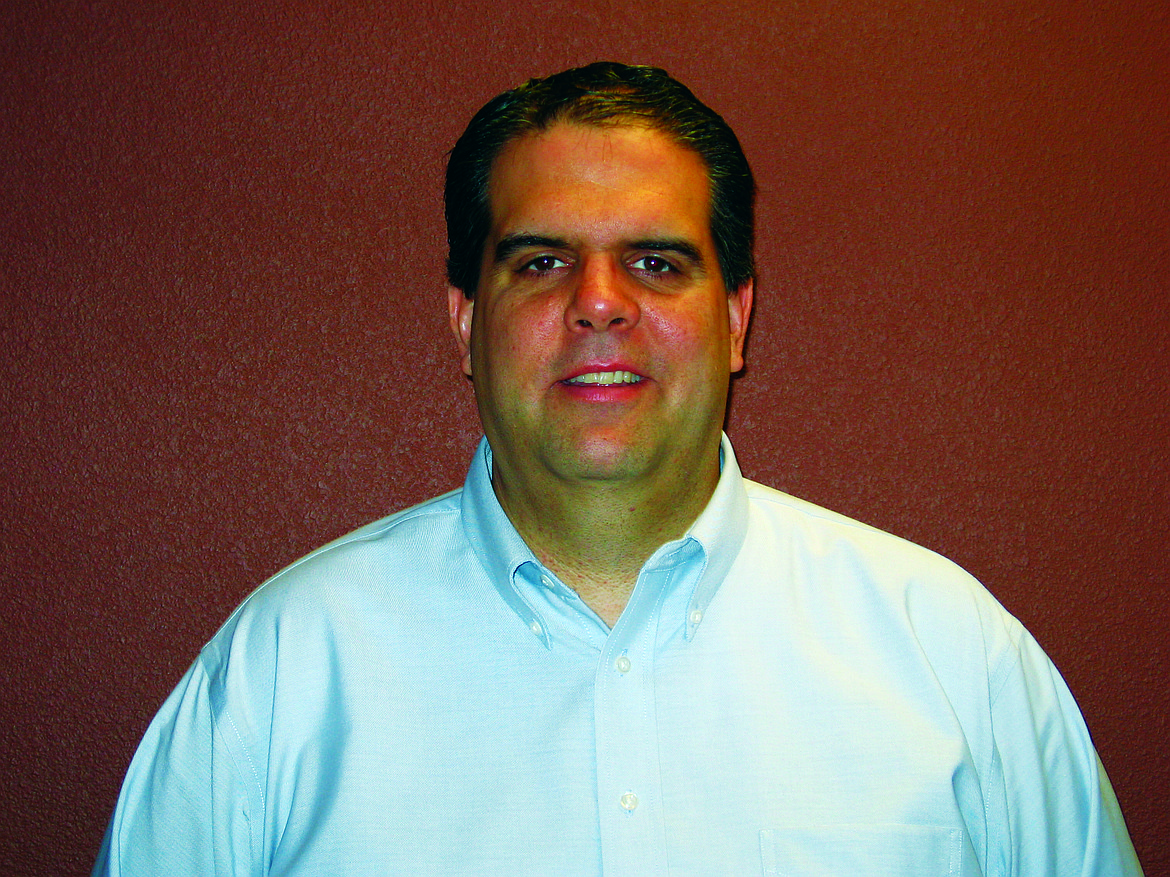
Dr. Wayne M. Fichter Jr.
In a world where back pain has become a common complaint — from desk jobs to physically demanding labor — many are searching for relief that doesn't involve surgery or long-term medication. Chiropractic care, long known for its holistic, hands-on approach to musculoskeletal health, has increasingly partnered with a powerful, non-invasive treatment: non-surgical spinal decompression therapy.
Together, these two modalities offer a promising path to healing for those suffering from chronic back and neck conditions.
What Is Non-Surgical Spinal Decompression?
Non-surgical spinal decompression is a traction-based therapy that gently stretches the spine using a specialized motorized table. This decompressive force creates negative pressure within the spinal discs, which can:
• Retract bulging or herniated discs
• Reduce pressure on pinched nerves
• Improve nutrient and oxygen flow to the spine
• Promote the natural healing process
It’s commonly used to treat conditions like:
• Herniated or bulging discs
• Sciatica
• Degenerative disc disease
• Spinal stenosis
• Chronic neck and lower back pain
Treatment is pain-free, and most sessions last about 30 minutes. A full course typically involves multiple visits over several weeks, depending on the severity of the condition.
The Chiropractic Connection
Chiropractors specialize in spinal health and nervous system function. They focus on identifying and correcting misalignments in the spine (subluxations) that can disrupt nerve communication and cause pain or dysfunction.
When combined with chiropractic adjustments, non-surgical spinal decompression can enhance results. Here's how they complement each other:
• Alignment Before Decompression: A chiropractor may adjust the spine before or after decompression therapy to ensure the spine is properly aligned, maximizing the effectiveness of the decompression process.
• Reducing Muscle Tension: Chiropractic care often helps reduce muscle spasms and improve joint mobility, allowing decompression to be more comfortable and effective.
• Whole-Body Wellness: Chiropractors assess the body holistically. Along with decompression, they may recommend lifestyle changes, exercises, posture tips, and nutritional support to accelerate healing and prevent recurrence.
What to Expect During Treatment
Patients lie fully clothed on a decompression table, secured with a harness around the hips. The machine applies gentle, controlled traction and relaxation cycles to the spine. Most patients describe the sensation as a light stretch and find the treatment relaxing — some even fall asleep during sessions!
Side effects are rare but may include mild soreness, similar to what you might feel after a light workout.
Is It Right for You?
Non-surgical spinal decompression is an excellent option for many people looking to avoid spinal surgery or reduce dependency on pain medication. However, it’s not suitable for everyone. Those with severe osteoporosis, spinal fractures, tumors, or certain types of surgical implants should consult a doctor before starting treatment.
Your chiropractor will perform a detailed evaluation — including physical exams, medical history, and possibly imaging like X-rays or MRIs — to determine if you’re a good candidate.
For many, the combination of chiropractic care and non-surgical spinal decompression is a game-changer. It offers natural, drug-free pain relief and supports the body's ability to heal itself. Whether you're dealing with chronic back pain, recovering from an injury, or just looking to improve your spinal health, this dynamic duo may be just what your body needs.
• • •
Dr. Wayne M. Fichter Jr., D.C., is a chiropractor at Natural Spine Solutions. The business is located at 3913 Schreiber Way in Coeur d’Alene. For more information, please contact us at 208-966-4425.