

How to garden without pesticides: Natural ways to fight pests
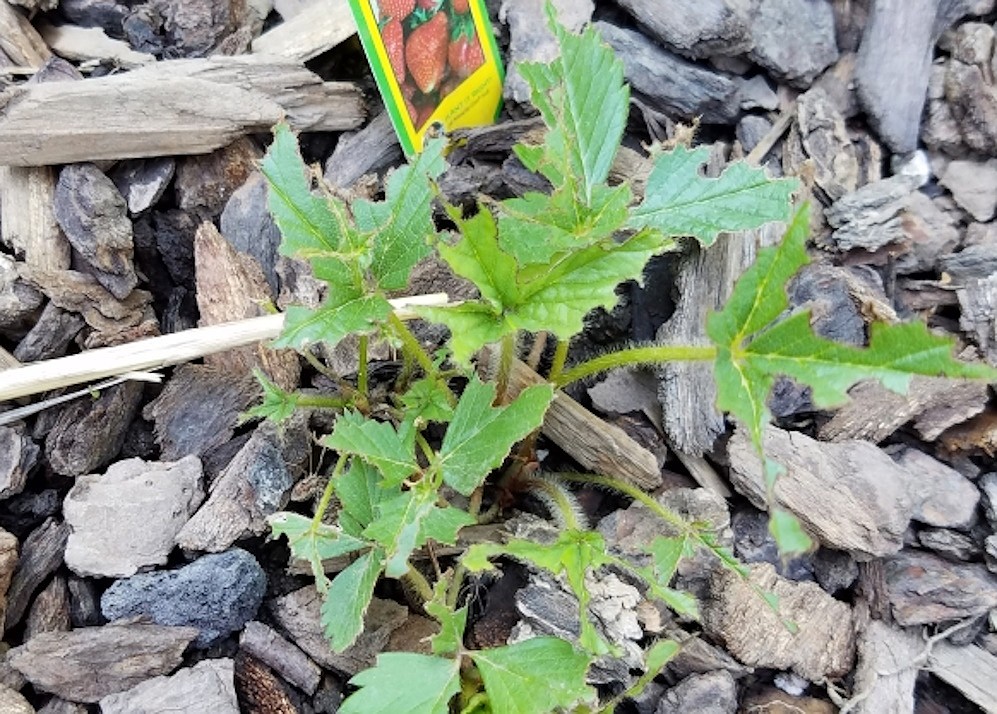
This strawberry plant was nearly eaten to the ground by a leaf-cutter bee gathering nesting materials.
Photo by CANDACE GODWIN
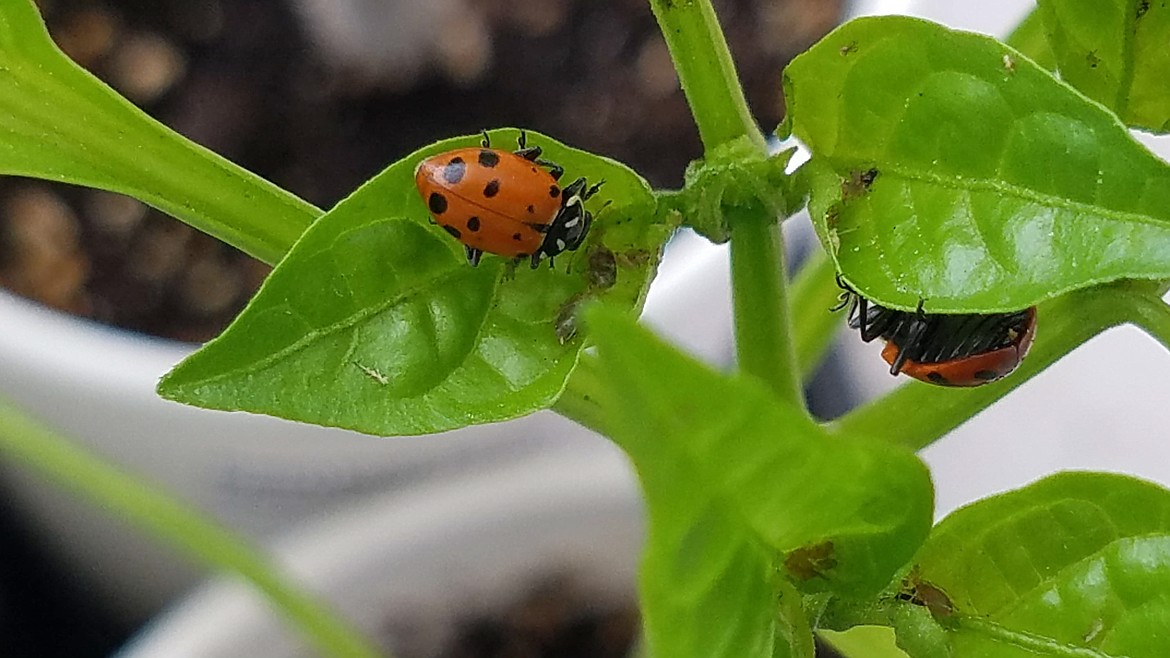
Ladybugs are one of the most voracious predators in the garden, consuming hundreds of aphids during their life cycle.
Photo by CANDACE GODWIN
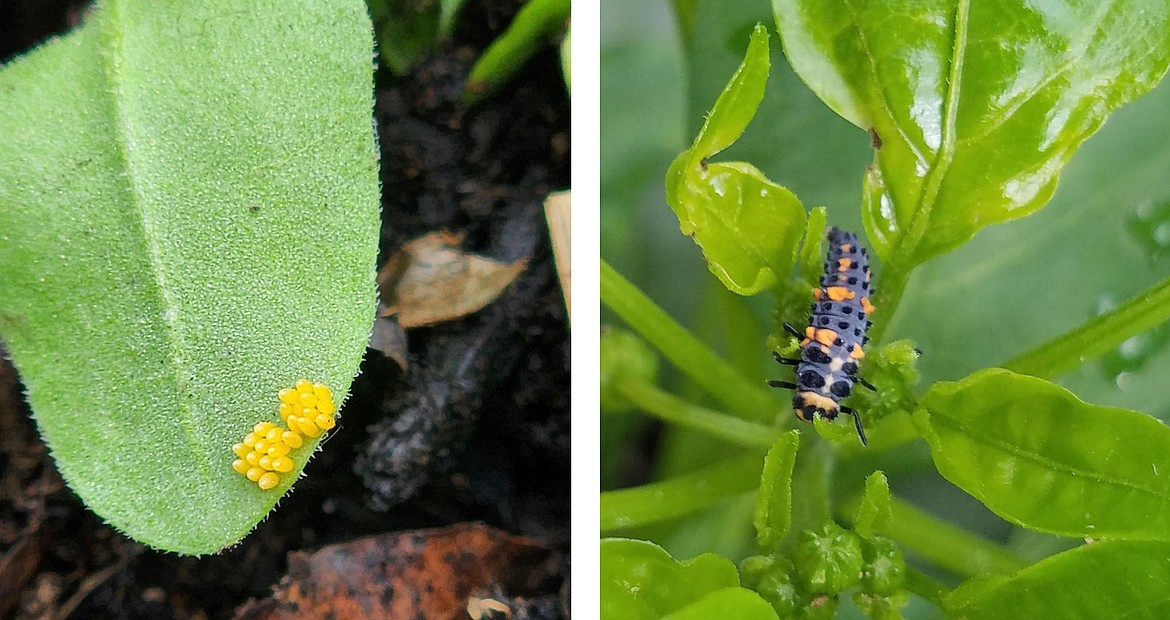
Insecticidal soap is often used to kill soft-bodied aphids. Unfortunately, it will also kill ladybug eggs and the larvae that feed on aphids. Check for all stages of ladybugs before spraying.
Photo by CANDACE GODWIN
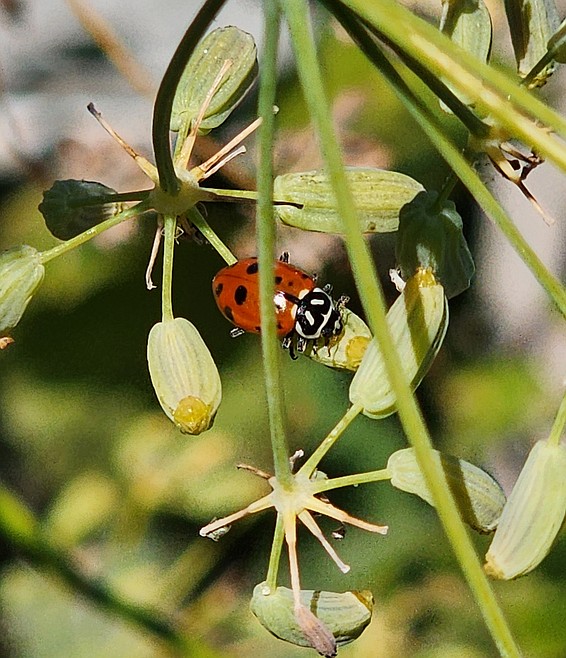
Fennel is an excellent decoy crop in the garden, enticing aphids away from more valuable vegetables and hosting ladybugs as well.
Photo by CANDACE GODWIN
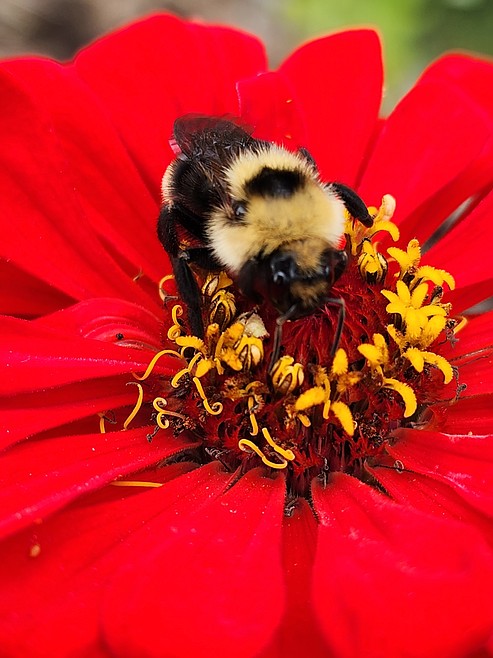
Flowers like zinnias, calendula, nasturtiums, and marigolds play dual roles by attracting pollinators and acting as decoy plants for pests.
Photo by CANDACE GODWIN
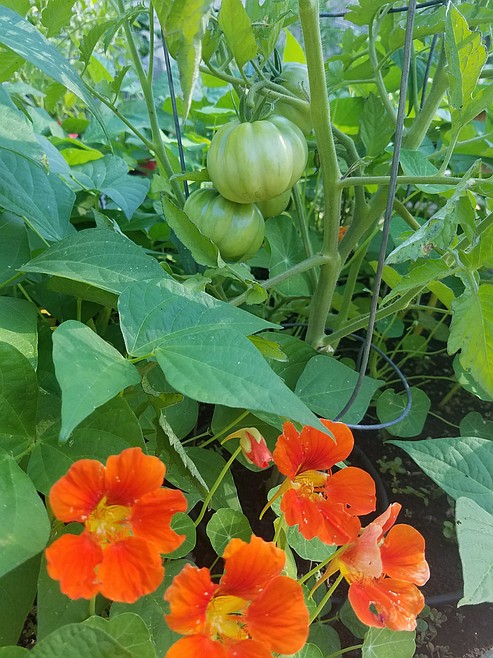
Planting nasturtiums in your vegetable garden brings in pollinators and keeps aphids off your tomatoes.
Photo by CANDACE GODWIN

The leaf-cutter bee cuts nearly perfect circles from plant leaves for her nesting materials. Most plants can withstand this minor leaf damage.
WHITNEY CRANSHAW/Colorado State University, Bugwood.org

The adult green lacewing feeds on pollen and nectar, but it is a super predator on aphids in the larval stage.
WHITNEY CRANSHAW/Colorado State University, Bugwood.org
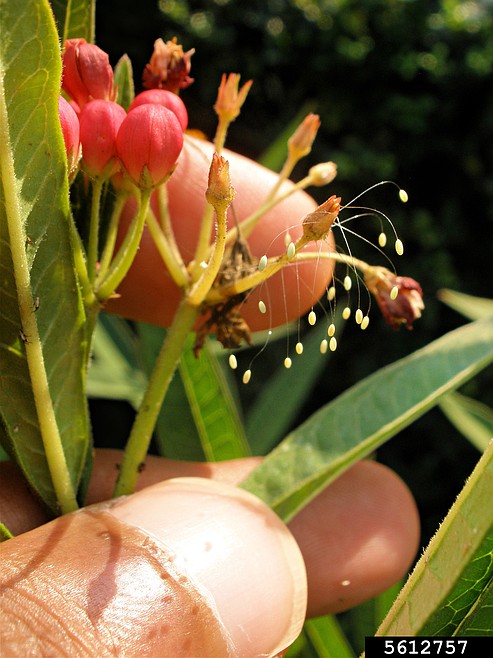
Lacewing eggs dangle from threads on leaves. If you find this in your garden, consider yourself lucky!
ANSEL OOMMEN/Bugwood.org
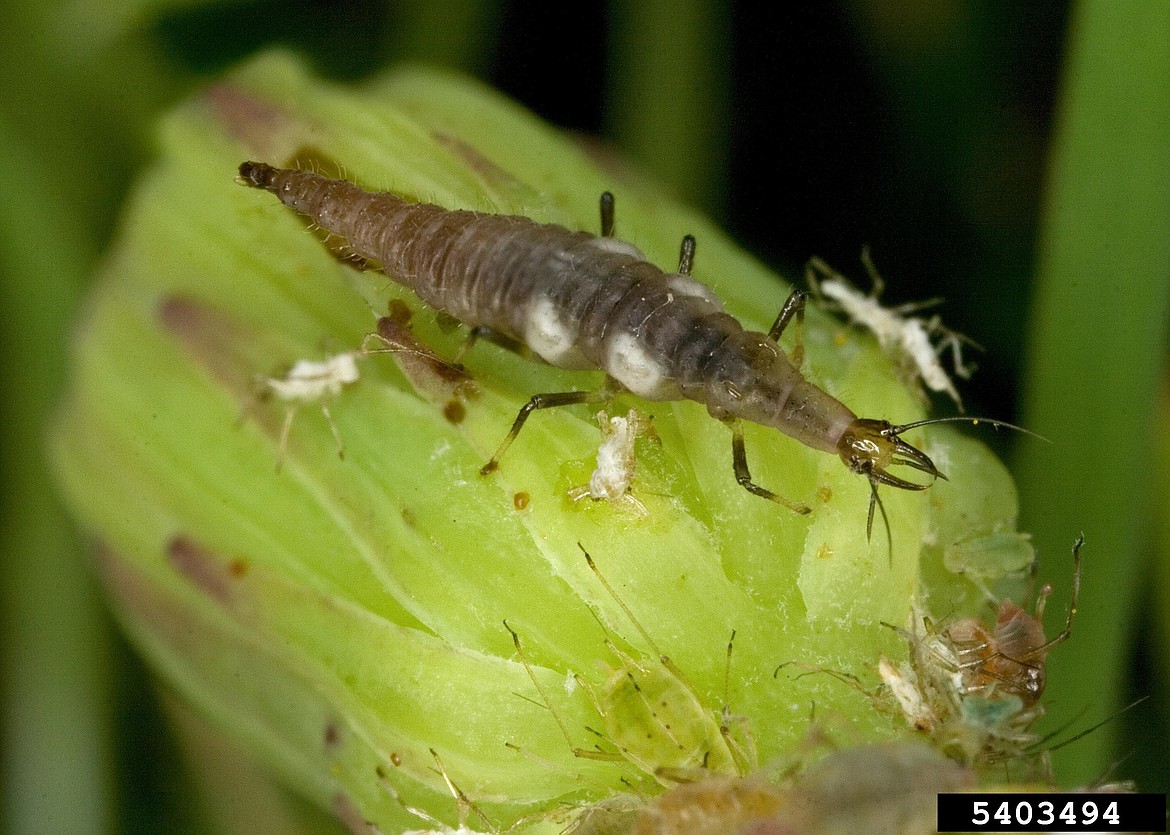
Known as the “aphid lion,” lacewing larvae are voracious predators of aphids and other soft-bodied insect pests.
DAVID CAPPAERT/Bugwood.org
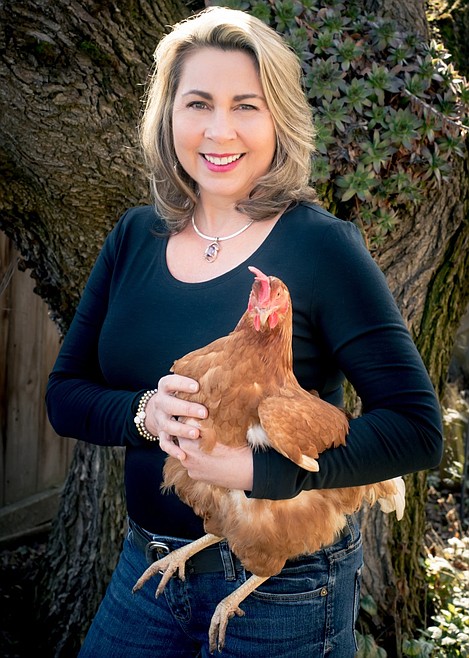
Candace Godwin
Planting nasturtiums in your vegetable garden brings in pollinators and keeps aphids off your tomatoes.
Photo by CANDACE GODWIN
A few springs ago, I was engaged in my daily ritual of observing the garden, walking around to see what was coming up, ready to bloom or perhaps what needed attention. As I dodged the giant bumblebees emerging from their underground lairs, I stumbled upon a strawberry plant nearly eaten to the ground.
I was stunned.
The once-full leaves were chewed nearly to the plant stems. Gone from my mind were the plump, juicy strawberries I imagined I would pick later in the summer. As I stood looking, a little bee flew in and landed on what was left of a leaf. Was that the culprit?
Indeed, a leaf-cutter bee was gathering material to build her nest; unfortunately, she zeroed in on my strawberry plant.
And what did I do? I walked away, pleased to find this valuable pollinator in my garden. What I didn’t do was panic and run for the “bug” spray.
Hit the pause button
“Argh! Something is eating my plants, and I need to get rid of it!” This is often the first reaction many home gardeners have when they find damage on their plants.
Unfortunately, when we rush to solve an issue with an insecticide, we often eliminate the good insects right along with those we perceive as bad.
Years of successful marketing from chemical companies have promulgated a desire for manicured, pest-free landscapes, which don’t exist in nature. They’ve taught us to immediately reach for a pesticide to eliminate any bugs or weeds we see.
Pesticides can effectively aid gardens, but we must use them wisely. This involves accurately identifying the issue and pest before application. A pesticide may not be the only option or the best one.
The non-spray way to reduce pests
You don’t need to apply chemicals in your landscape to manage pests. Nature has maintained balance long before chemical companies began producing insecticides.
Had I used an insecticide on my strawberry plant, I would have killed off important pollinators and doused my food-producing plant with a poisonous substance. Yuck.
But I knew the leaf-cutter bee only gathers nesting materials for a few weeks, and the strawberry plant would likely bounce back — it did and went on to produce berries. This was a win for everyone.
Healthy plants are resilient and can withstand much greater insect pest pressure than we think. If we can wait and be patient, nature will do her work.
The key to reducing chemical use is knowing your garden. Observe it daily, note plant health and check for pest damage. Being proactive alleviates reactive panic when issues arise.
Know the garden good guys
Not all bugs in the garden are nasty. In fact, only 1% of all the bugs in the world are what we call “bad” bugs. According to the USDA, most insects are either beneficial or neutral (neither helpful nor harmful).
Beneficial insects — predators like ladybugs, lacewings and parasitoid wasps; decomposers like beetles and pillbugs; and pollinators like my friend the leaf-cutter bee — are crucial in your garden’s ecosystem. They control pests, create nutrient-rich organic matter in the soil and pollinate plants.
Of course, they need a food source to stick around, and that means, you guessed it, insect pests. It’s just how nature works: you need a few bad guys around to keep the good guys working.
Two of the most ferocious predators in your garden are the ladybug and lacewing. Small but oh so mighty in the number of aphids they consume at all life cycle stages.
Ladybug larvae are tremendous aphid predators, consuming about 400 aphids during their short larval stage. They look a bit like tiny alligators, and if you see one, count yourself lucky and do nothing!
Lacewings are another voracious predator. The “aphid lion,” as it is called, consumes up to 600 aphids in the larval stage. Lacewings lay their eggs on the underside of leaves, attached by thin threads. If you see these or the scary-looking larvae, let them be.
Insecticidal soap is commonly used to eliminate aphids, essentially smothering them. Unfortunately, it also kills the soft-bodied eggs and larvae of ladybugs and lacewings. Instead, use water to knock aphids off the plants.
Insect repelling plants
Consider adding pollinator-friendly and pest-repellent plants to your garden. These enhance the landscape's beauty while supplying food for beneficial insects and deterring common garden pests.
First up are the defenders, your “first line of defense” plants, which help keep pests away from the garden.
The intense aromas of plants in the mint family — mint, basil, lavender, rosemary and sage — the onion family — chives, garlic and onions — and the marigold flower repel pests like aphids, carrot flies and squash bugs. Consider planting a border of defenders to deter pests from reaching your plants.
Tomatoes and basil naturally complement each other in the kitchen and garden. Basil’s spicy scent repels flea beetles, protecting tomatoes and other vegetables.
Marigolds are excellent insect-repelling flowers that thrive with many vegetables. Cheerful blooms deter aphids, nematodes and whiteflies, making them perfect companions for tomatoes, peppers, potatoes and eggplant.
Next are the decoys. These sacrificial plants are placed strategically in the garden to attract pests away from your more valuable crops.
Plants in the brassica family make excellent decoys, including radishes, collard greens and mustard (finally, a good use for mustard greens!). These pest magnets keep cabbage loopers, cabbage worms, slugs and flea beetles from harming other crops.
Some plants serve a dual purpose as decoys and attractants. Calendula, zinnias, nasturtiums, dill and fennel draw in pests like aphids and cabbage moths and beneficial insects such as ladybugs and native bees.
By observing, learning and collaborating with nature, we can cultivate healthier gardens with greater resilience and fewer chemicals. Each small step to reduce pesticide use — attracting beneficial insects, adding companion plants or simply pausing before spraying — makes a significant difference. Your garden and its countless tiny allies buzzing about will appreciate your efforts.
• • •
Candace Godwin is a certified Idaho Master Gardener, garden consultant, writer, and owner of The Coeur d’Alene Coop (thecoeurdalenecoop.com), a licensed nursery offering seasonal online plant sales.
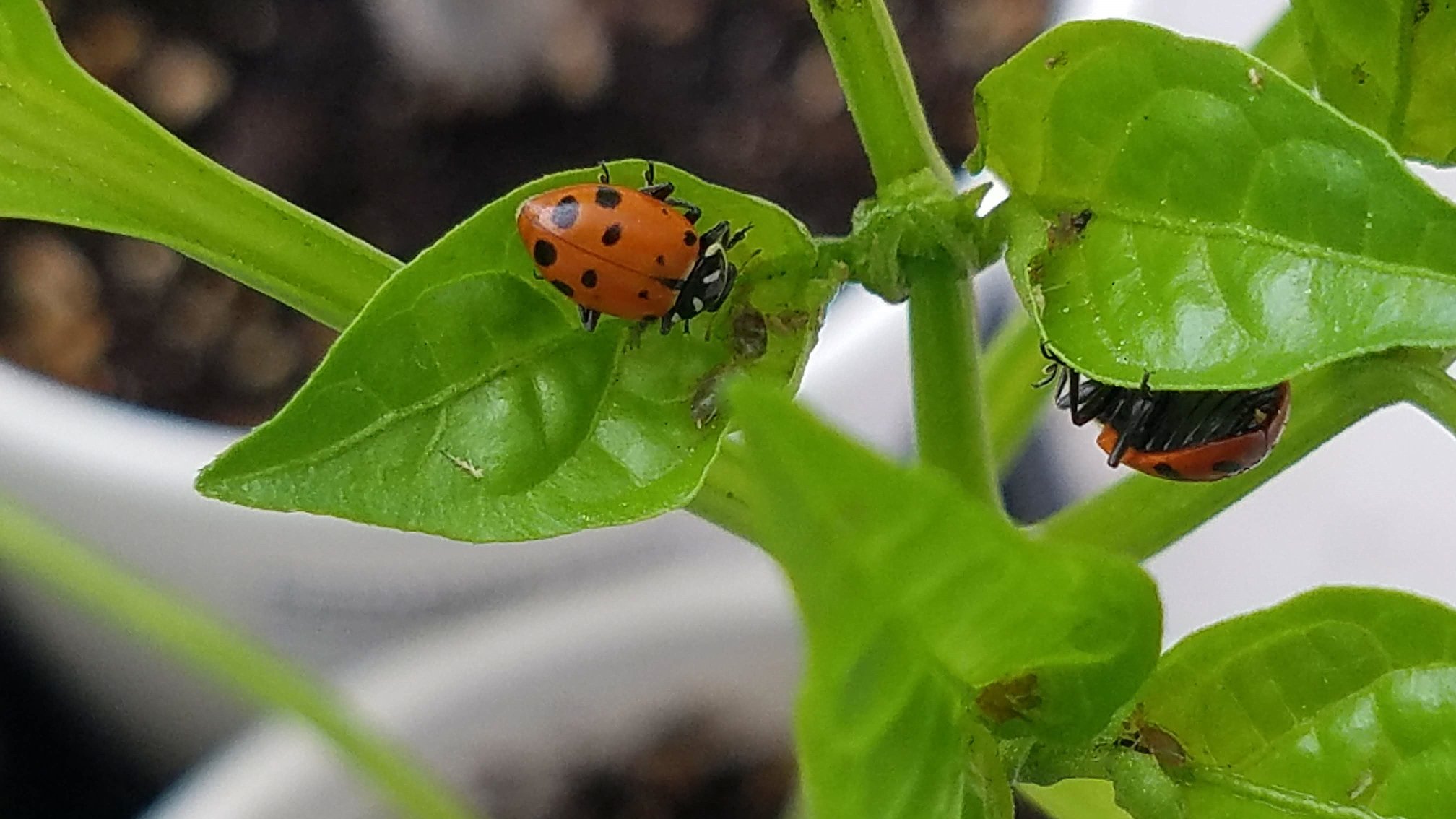 Ladybugs are one of the most voracious predators in the garden, consuming hundreds of aphids during their life cycle.
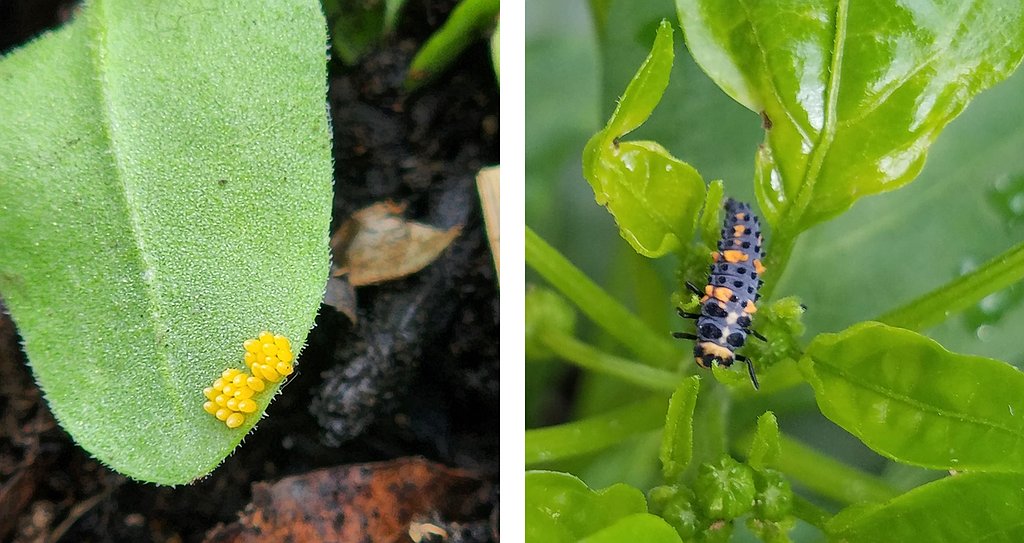 Insecticidal soap is often used to kill soft-bodied aphids. Unfortunately, it will also kill ladybug eggs and the larvae that feed on aphids. Check for all stages of ladybugs before spraying.
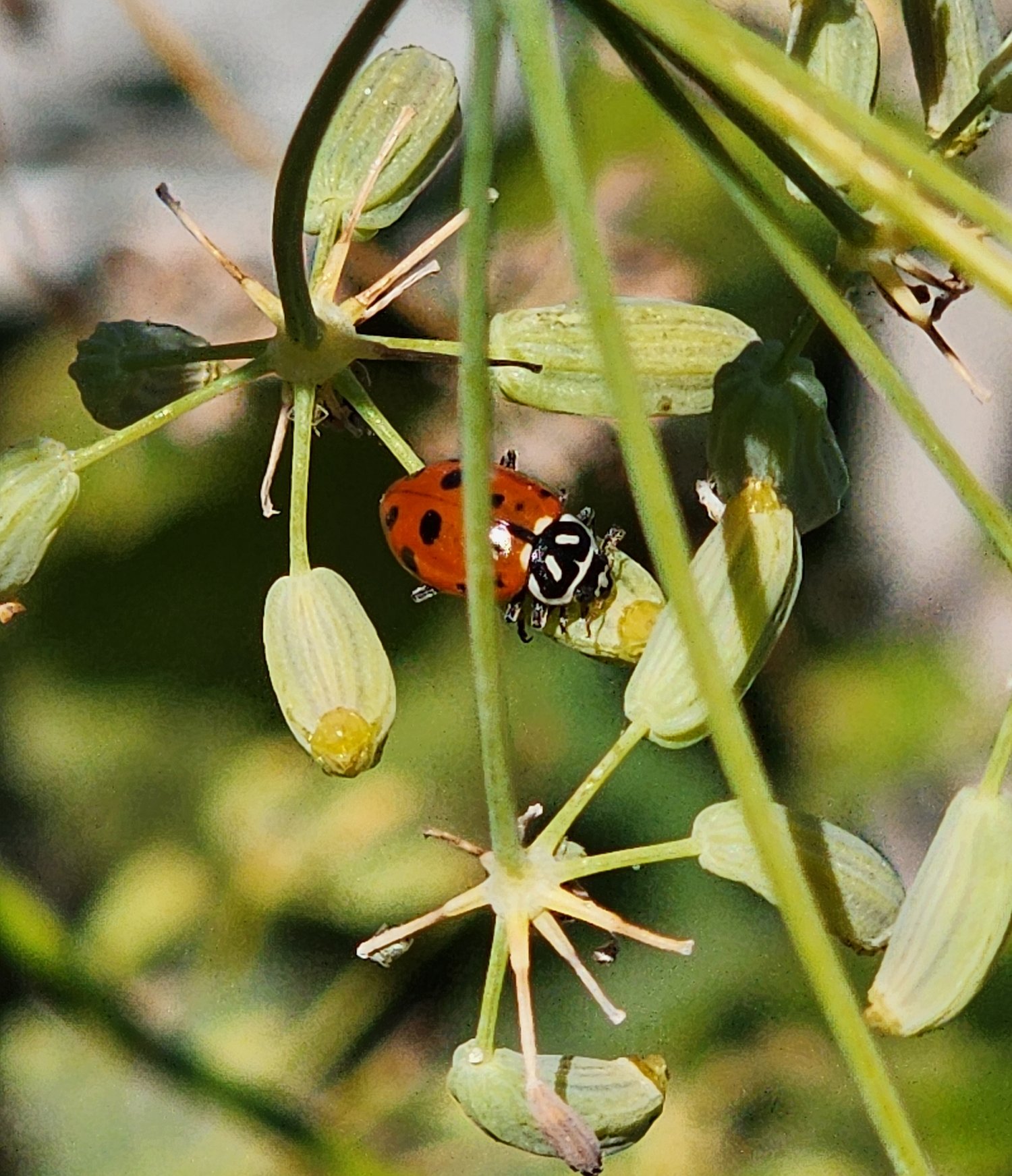 Fennel is an excellent decoy crop in the garden, enticing aphids away from more valuable vegetables and hosting ladybugs as well.
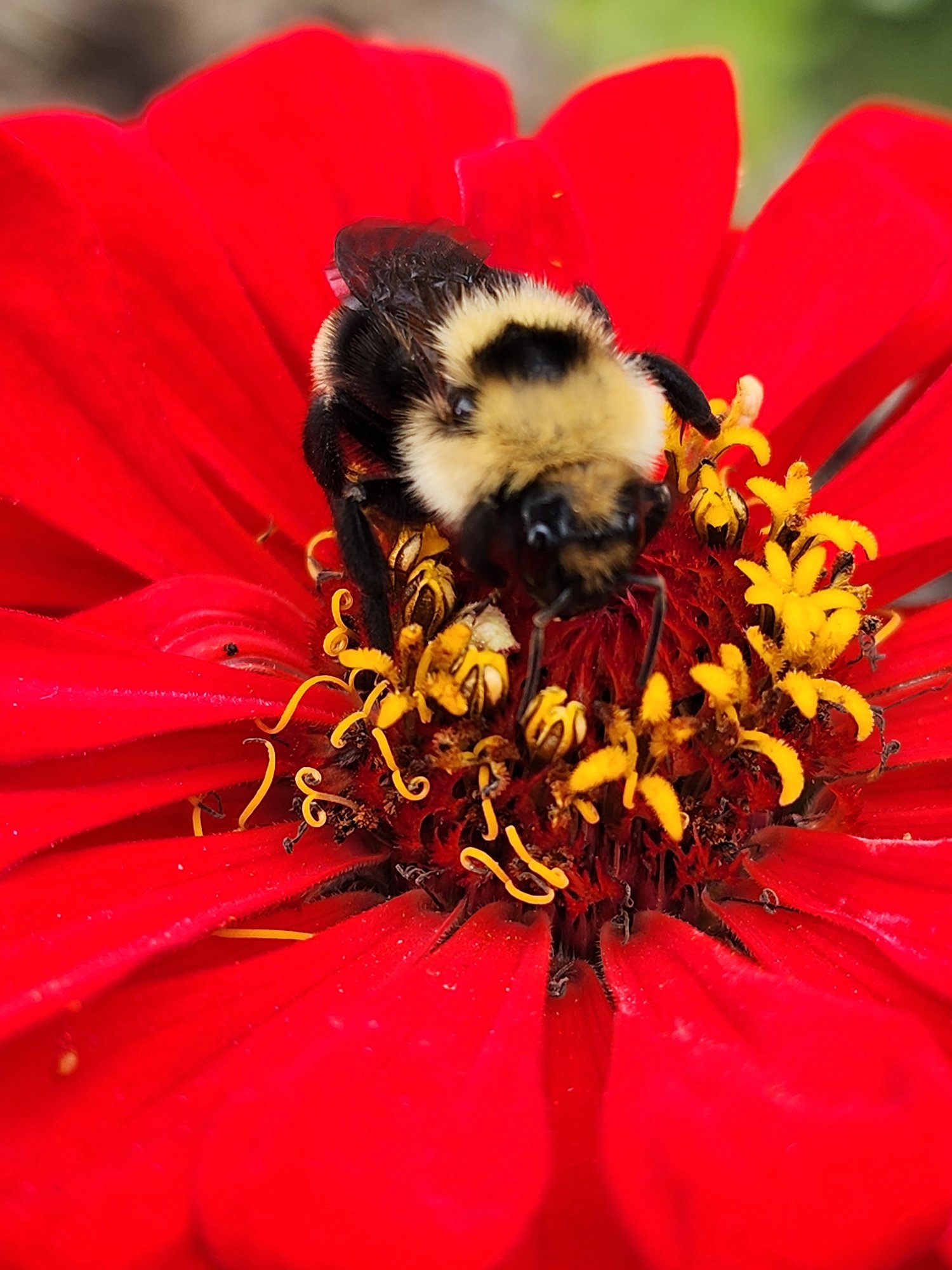 Flowers like zinnias, calendula, nasturtiums, and marigolds play dual roles by attracting pollinators and acting as decoy plants for pests.
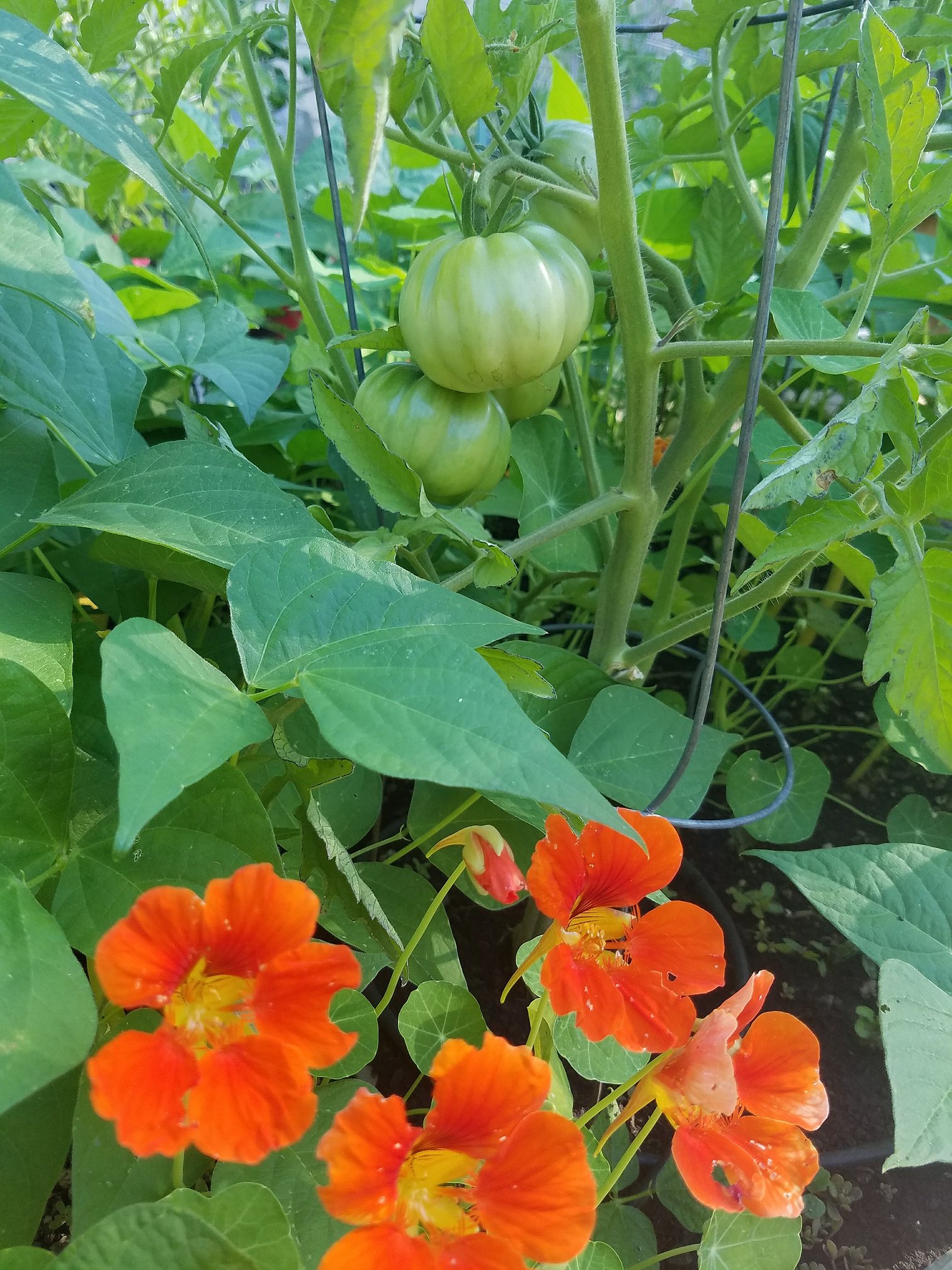 Planting nasturtiums in your vegetable garden brings in pollinators and keeps aphids off your tomatoes.
 The leaf-cutter bee cuts nearly perfect circles from plant leaves for her nesting materials. Most plants can withstand this minor leaf damage.
 The adult green lacewing feeds on pollen and nectar, but it is a super predator on aphids in the larval stage.
 Lacewing eggs dangle from threads on leaves. If you find this in your garden, consider yourself lucky!
 Known as the “aphid lion,” lacewing larvae are voracious predators of aphids and other soft-bodied insect pests.
 Candace Godwin