
From Wilt to Wow: 10 great garden tips you need now
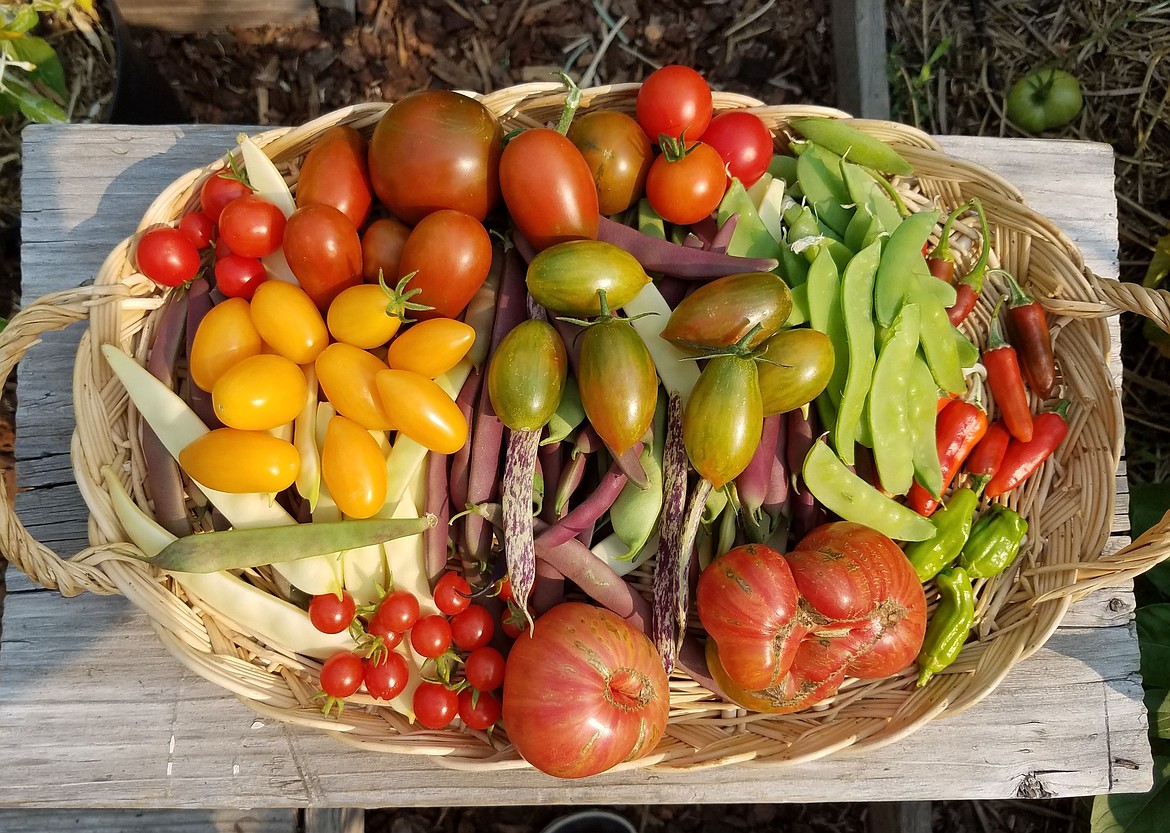
Summer may bring sunshine and ripe tomatoes, but it also tests a gardener’s patience — and their plants' endurance. Amid scorching heat, thirsty soil and sneaky pests, it’s the season when your vegetable garden needs a little extra care.
The good news? A few smart moves can keep your garden growing strong from mid-season into fall. Here are 10 simple tips to help your garden not just survive, but thrive.
1. Water deeply and consistently
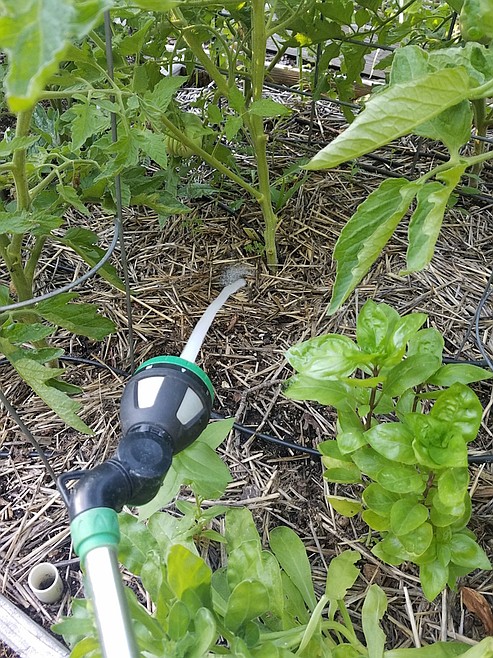
When it’s hot, shallow watering isn’t enough; slow, deep and consistent watering is key to keeping the garden hydrated. Water early in the morning or early evening, giving plants a deep soak two to three times a week instead of daily sprinklings. This promotes deeper root growth and reduces stress.
Always water at the base of the plant. Why? Plants need water at their roots, and it helps prevent disease caused by wet foliage. Also, remember that container plants require frequent watering, especially in extreme heat.
2. Mulch, mulch, mulch
Mulching your garden offers numerous benefits, particularly during midsummer. A 2- to 3-inch layer of organic mulch, such as clean straw, compost or dried, shredded leaves, helps conserve soil moisture and keeps the soil cooler.
Plus, mulch helps prevent soil from crusting in the hot sun and suppresses weed growth — that’s enough reason to mulch.
3. And speaking of weeds …
Yes, weeding is an endless chore, but it’s crucial for a healthy garden (see above!). Weeds compete for water and nutrients — two vital resources in midsummer — at the expense of your vegetables. A weekly pass with a hoe will quickly remove weeds and can significantly improve plant health and your harvest.
Consider a no-dig gardening approach. Instead of cultivating the soil or mixing in amendments, add them to the surface. When you dig the soil, dormant weed seeds are brought to the surface, where they will quickly sprout. Less soil disturbance results in fewer weeds.
4. Watch for heat stress
It may seem counterintuitive, but our heat-loving vegetables, like tomatoes, peppers, eggplant and beans, don’t produce well in hot weather. Blossom drop, caused by incomplete pollination, often occurs when temperatures rise above 90 degrees.
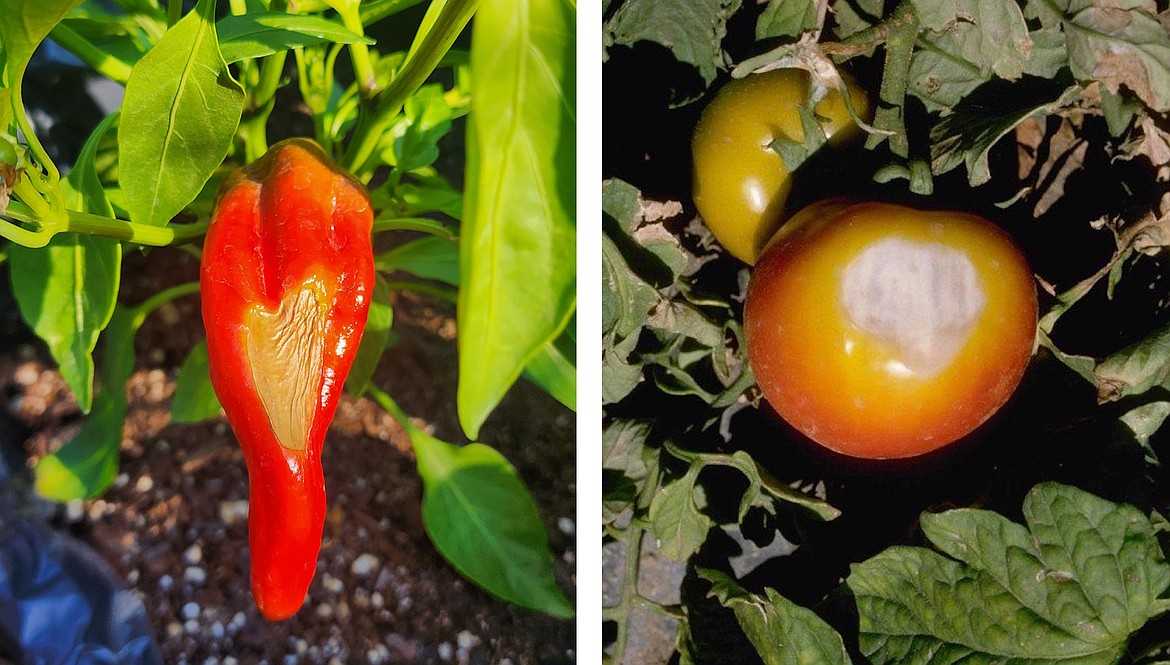
Developing fruit can also suffer from sunscald, a white, leathery patch that appears on the fruit's skin. This happens due to a lack of shade from plant leaves or when the fruit is exposed to intense sunlight for an extended period.
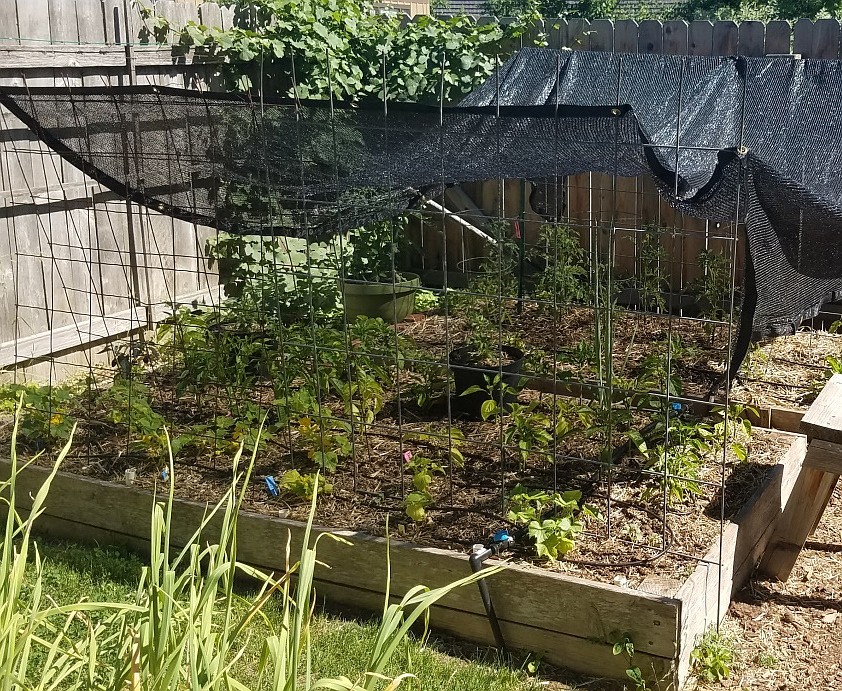
The solution? Offer temporary shade with a shade cloth, row cover, old sheets or even a patio umbrella. Shade cloths are made from lightweight, sun-blocking material and can reduce the surrounding temperature by up to 10 degrees, helping to keep the soil cool. For container plants, try using a patio umbrella.
5. Prune it out
Continue pruning and thinning plant material as the plants grow to improve airflow and prevent disease. Check for leaves or stems touching the soil and remove them as needed. By midsummer, tomatoes and peppers should have at least 6 inches of space between the lower leaves and the soil.
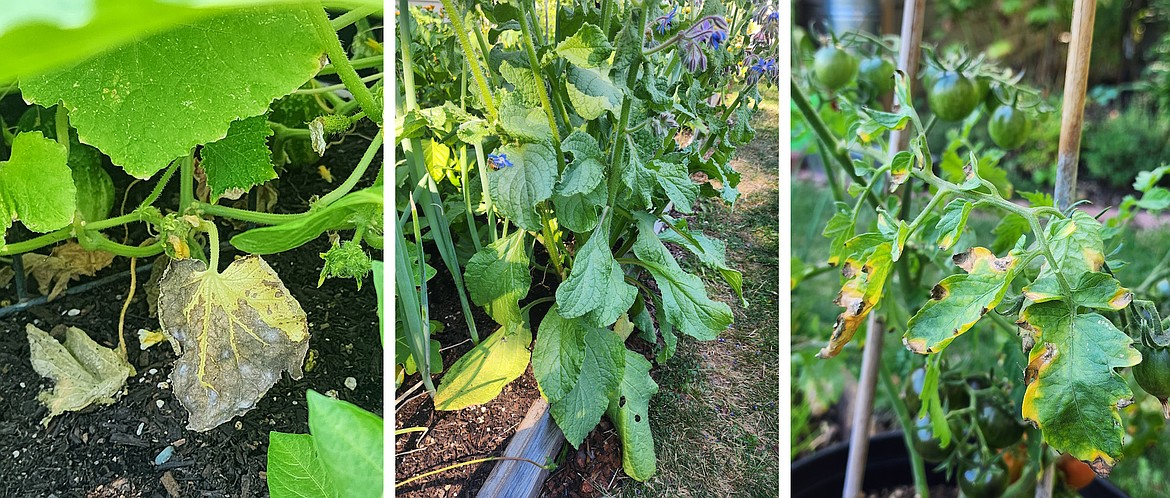
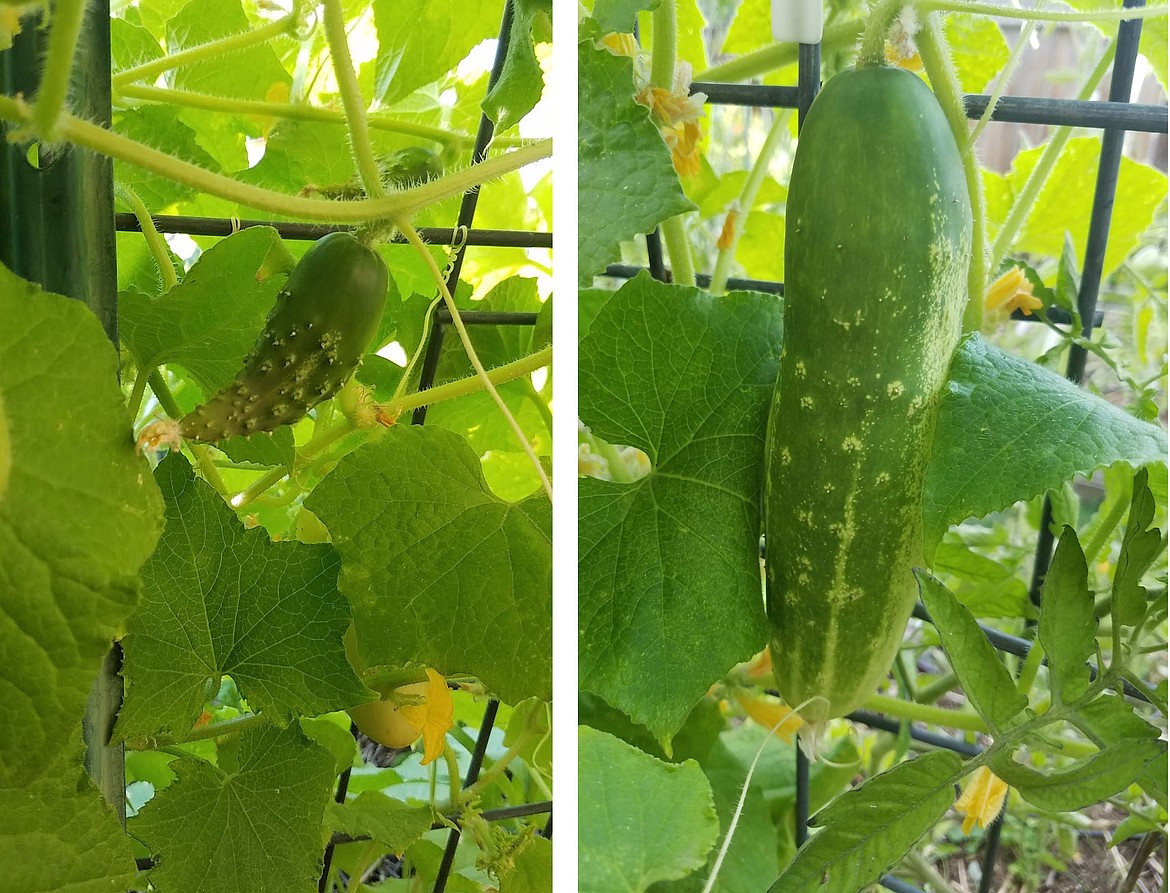
Prune older, decaying or dying lower leaves — often found on cucumber and squash plants — that attract nuisance pests, like pillbugs, slugs and earwigs.
Watch out for common diseases like early blight. When you see yellowing or spotted leaves, remove the affected foliage to prevent the spread. Always spray your snips with alcohol between cuts to stop the transfer of pathogens.
6. Monitor pests and take action early
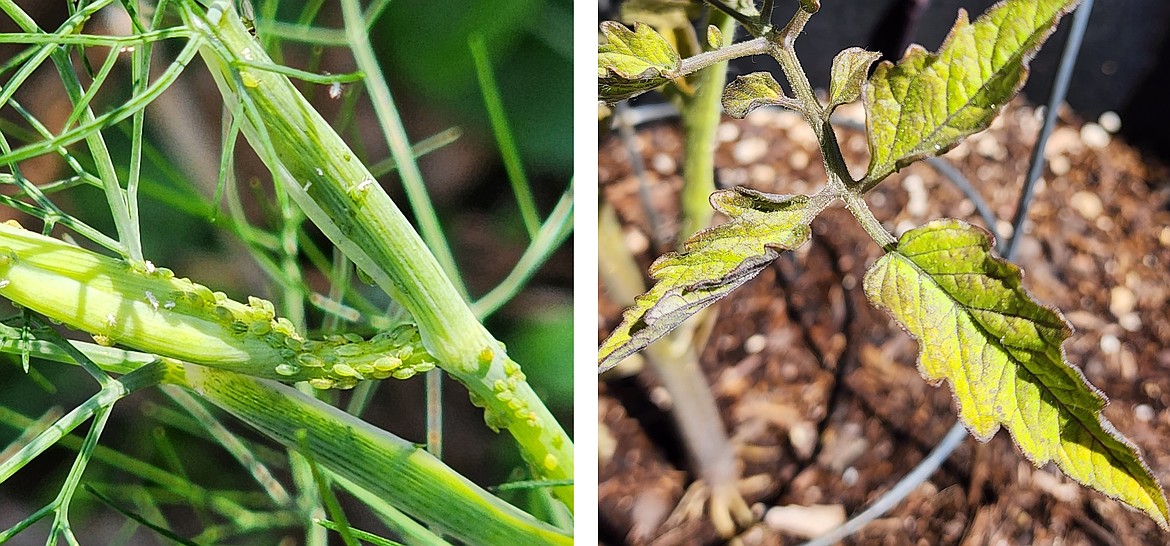
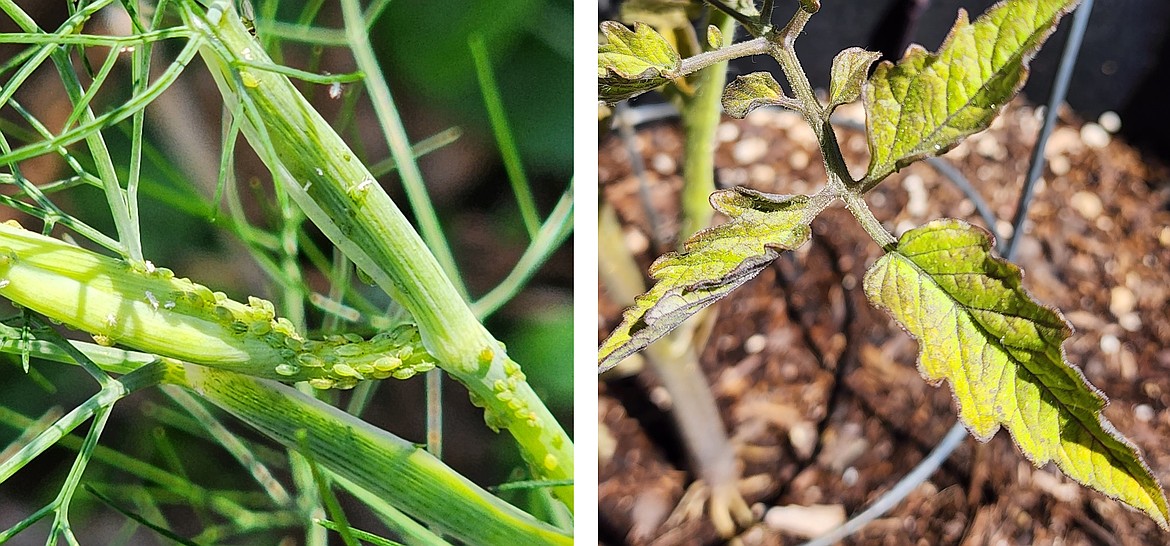
Summer is peak season for pests like aphids, spider mites, flea beetles and cabbage worms. Check plants regularly, especially the undersides of leaves, and watch for signs of insect damage such as chewed leaves, honeydew (a sticky substance on leaves) and yellowing or brown-spotted leaves.
If needed, insecticidal soap can be used; however, a safer choice for beneficial insects is to thoroughly spray the plant with water to wash off the pests.
7. Get ruthless
It’s OK to give up on plants that are struggling, diseased or dying. Our growing season is too short to waste time and garden space on plants that aren't thriving or meeting your expectations. Doing so frees up space for healthy plants and new beginnings. It’s OK — pull them out and move on.
8. Keep it growing
Keep your garden productive into the fall with succession planting. As summer crops start to fade, remove them to make room for a second planting of cool-season vegetables, like carrots, beets, kale, spinach, peas and lettuce.
Choose early-maturing varieties (60 days or less) for the best success. Start lettuce and spinach seeds in partial shade or indoors, then transplant them once the temperatures drop slightly.
9. Feed your soil
Mid-season, your veggies may need a nutrient boost. Keep heavy feeders like cucumbers, squash, melons, corn, tomatoes and peppers productive with a top dressing of quality compost, compost tea, diluted fish emulsion or an all-purpose organic fertilizer.
These plants extract a significant amount of nutrients from the soil. To keep them healthy, it’s important to replenish what is lost from heavy growth. Avoid synthetic fertilizers like Miracle-Gro, as they only provide a short-term boost — requiring frequent reapplications — and do nothing to enhance the soil's natural ecosystem.
10. Keep harvesting
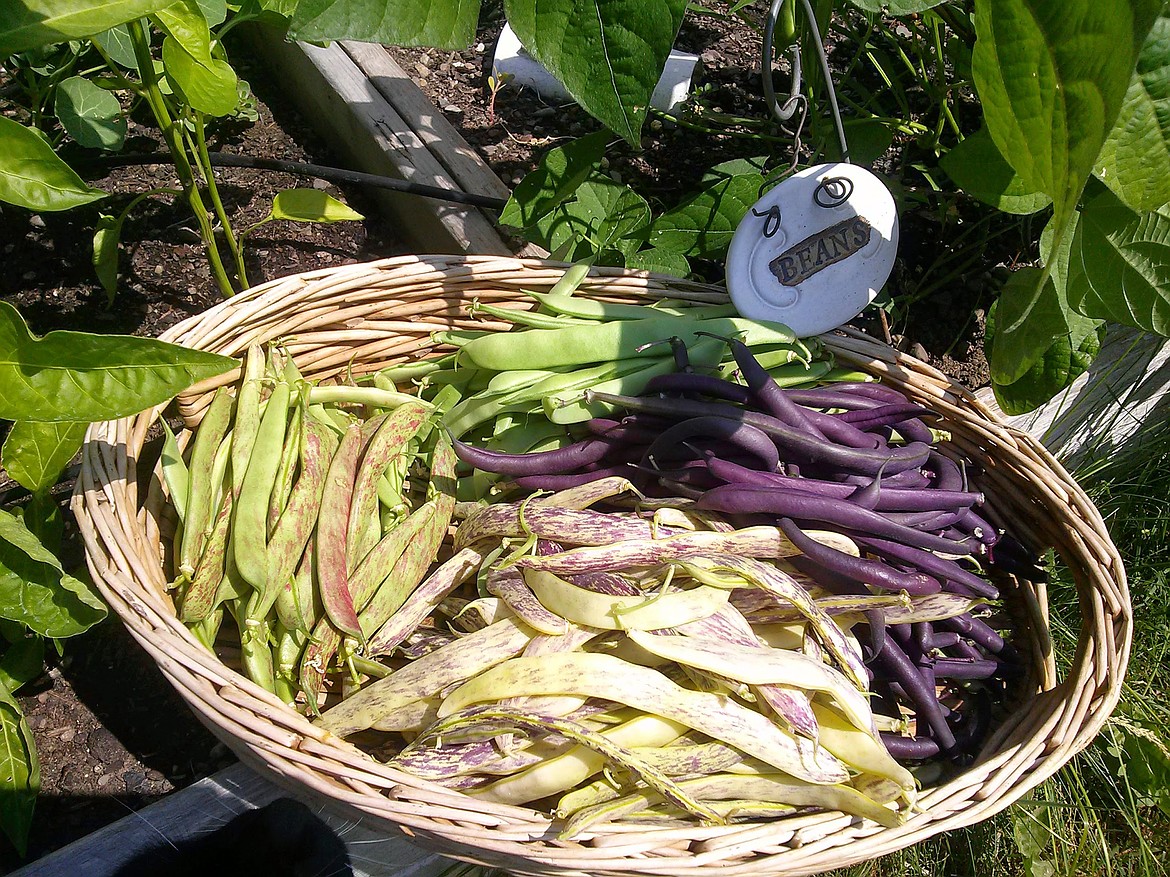
Pick vegetables regularly — especially zucchini, cucumbers and beans — to promote ongoing production. Hanging, overripe fruit can signal the plant to slow down its production.
Store your bounty in the refrigerator for several days, share it with friends or donate it to the food bank. Of course, you can always freeze or can your harvest to enjoy a taste of summer during the winter.
There you go — 10 ways to keep your garden cool, thriving and productive during the hot summer months. With a bit of extra care and thoughtful planning, you’ll be harvesting fresh veggies well into fall. For now, water deeply, stay cool and remember to hydrate yourself as well!
• • •
Candace Godwin is a certified Idaho Master Gardener, garden consultant, writer, and owner of The Coeur d’Alene Coop (thecoeurdalenecoop.com), a licensed nursery offering seasonal online plant sales.