
The Rising Need for Special Care Services in America Explained
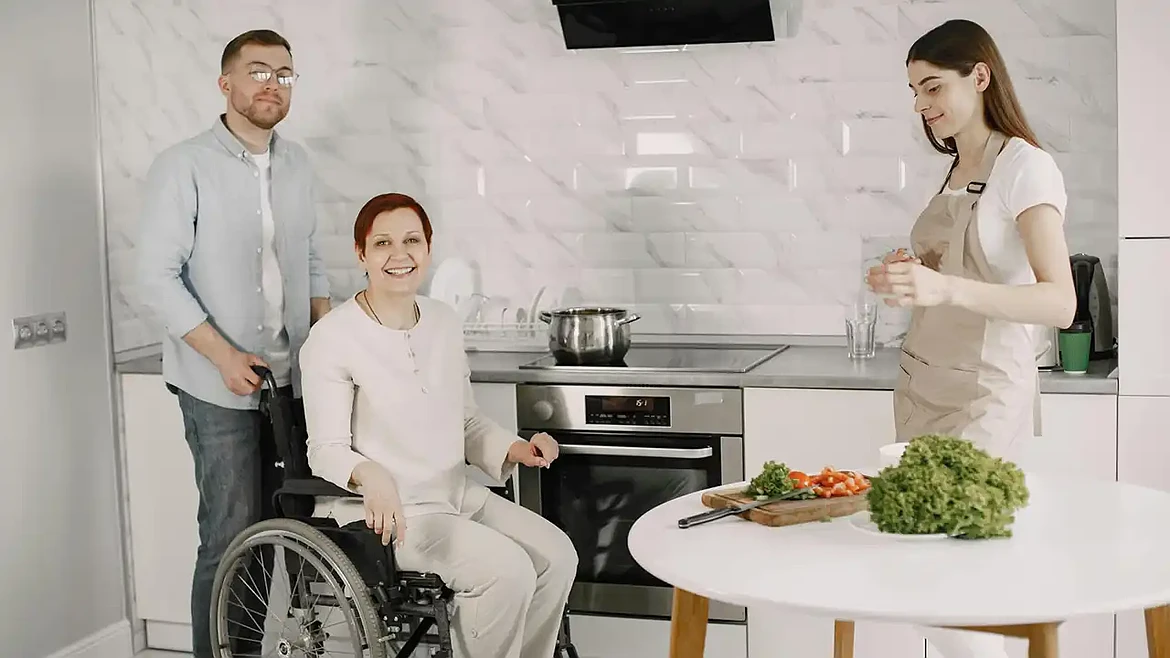
In the U.S., the need for special care is constantly evolving, given its aging population. Advances in medical technology, which help people live longer even with disabilities, and a shifting focus on home-based care, are also driving the need.
The nation's aging population is particularly notable, as it's among the fastest-growing demographic segments. As reported by the AARP, about 10,000 people in the U.S. hit the age of 65 every day. By 2050, the country will be home to over 88 million older adults, accounting for over 20% of the population.
If you or a loved one has special care needs, understanding the reasons behind their growth and the solutions available can help you develop a more informed and personalized care approach.
What Is the Meaning of Special Care?
The term "special care" refers to tailored, focused personal or medical support for individuals with unique, complex, or chronic needs that affect their physical, mental, or developmental health.
It goes beyond standard care, usually provided in specialized care units (e.g., physical rehabilitation center), or at home by healthcare experts (also called "home care"). It can involve tailored:
- Treatment and disability care strategies for specific conditions or ailments
- Recovery from injuries
- Assistance with activities of daily living (ADLs)
An example of a situation requiring special care is an older adult who has just returned home after being in the hospital for a fall injury.
Falls are prevalent among adults 65+, with over 14 million (one in four) experiencing a fall each year, according to the U.S. CDC. Over a third sustain an injury requiring medical treatment or activity restriction for at least one day.
In this scenario, special care services, such as physical and occupational therapy and in-home care and support (e.g., for meals and medications) can help with recovery.
What's the Difference Between General and Specialized Care?
General care, also called "primary care," focuses on overall health and well-being, preventive measures, and common illnesses. It includes services like:
- Routine checkups
- Vaccinations
- Diagnostics
- Management of common diseases (e.g., the flu and colds)
Special care, on the other hand, involves specific experts (e.g., physical therapists, cardiologists, and speech therapists). Its goal is to provide in-depth, focused treatment that addresses an individual's unique needs.
A physical therapist, for instance, specializes in helping people restore movement and function. A cardiologist diagnoses, prevents, and treats cardiovascular (heart and blood vessels) diseases. A speech therapist evaluates, diagnoses, and treats disorders involving communication and swallowing in people of all ages.
Why Is There an Increasing Need for Special Care in the U.S.?
From its rapidly growing aging population to medical advances and the shifting preference from facility-based to home-based care, these are the primary reasons driving the need for special care services in the United States.
By understanding these factors, you can make more informed decisions that can help improve your health outcomes or those of a loved one who needs personalized special care.
Aging Population
With aging comes an increased risk of developing diseases and chronic conditions, such as diabetes, heart disease, and arthritis. Although getting old doesn't automatically mean you'll "get sick," it can make you more susceptible, as the aging body's systems and functions decline.
Since a considerable portion of the U.S. is aging, the number of people (older adults) needing special care also increases. Some might only need help with one or more ADLs, while others may require more comprehensive support, whether it's physical therapy for fall injuries or ongoing supervision for dementia.
Advances in Medical Tech
Advances in medical technology (diagnostic tools, medical devices, prescription drugs, and procedures) are helping people live longer. However, these innovations can't completely stop senescence (the natural process of biological aging).
People living longer brings us back to aging, a primary reason behind the growing need for special care services. The increase in human lifespan is also making individuals more health-conscious, as they want not just to live longer, but healthier, too.
Preference for Home-Based Care
Traditionally, many older adults, people with disabilities, and individuals needing assistance received specialized care in institutional settings, such as:
- Nursing homes
- Acute or psychiatric hospitals
- Rehabilitation centers
- Intermediate care facilities for intellectual disabilities (ICF/ID)
Although the above facilities remain the ideal choice for many, more and more individuals are opting for home care.
Older adults, for instance, want to age in place, while the families of those with disabilities wish to be as close to and care for their loved one at home. There's also the significant benefit of home care being less expensive in most cases.
Suppose your child has autism spectrum disorder (ASD). In this case, you can get in-home special care services, like behavioral and developmental support, assistance with ADLs, or skilled nursing, according to the website of this Philadelphia, PA autism home care provider.
Frequently Asked Questions
When Does a Person Need Special Care?
If you or a loved one has a physical, mental, or developmental condition that makes ADLs (e.g., bathing, feeding, or managing medications) more challenging, you'll likely benefit from special care services.
Likewise, consider enlisting the help of care experts if your condition can lead to safety risks, such as more frequent falls. Such services can also be beneficial if you or your loved one is at risk of significant emotional or cognitive consequences.
With specialized support that goes beyond routine care, you'll likely be able to manage your overall health and well-being better.
What Are Some Practical Senior Care Tips and Home Care Advice?
Aside from enlisting the help of in-home care experts (e.g., skilled nurses or home health aides), you should also consider investing in aging-in-place modifications that improve the livability and safety of your home. Grab bars, safety rails, and ramps are some examples.
Get better lighting for enhanced visibility, too. Adapting your bathroom and kitchen for increased accessibility (e.g., opting for walk-in showers over tubs and installing pull-out shelves) can also help.
Special Care for Healthier, Longer Lives
Special care services can help make people, whether they're older adults or have disabilities, lead healthier, longer, and happier lives. From tailored, compassionate support for ADLs to specialized therapies, you or your loved one can receive these in your preferred environment, such as the comfort of your home.
Get more of the latest news in health and lifestyle by browsing the rest of our news platform.
This article was prepared by an independent contributor which helps us continue delivering quality content to our audiences.