
Truck fleet safety concerns grow as vehicles stay on the road longer
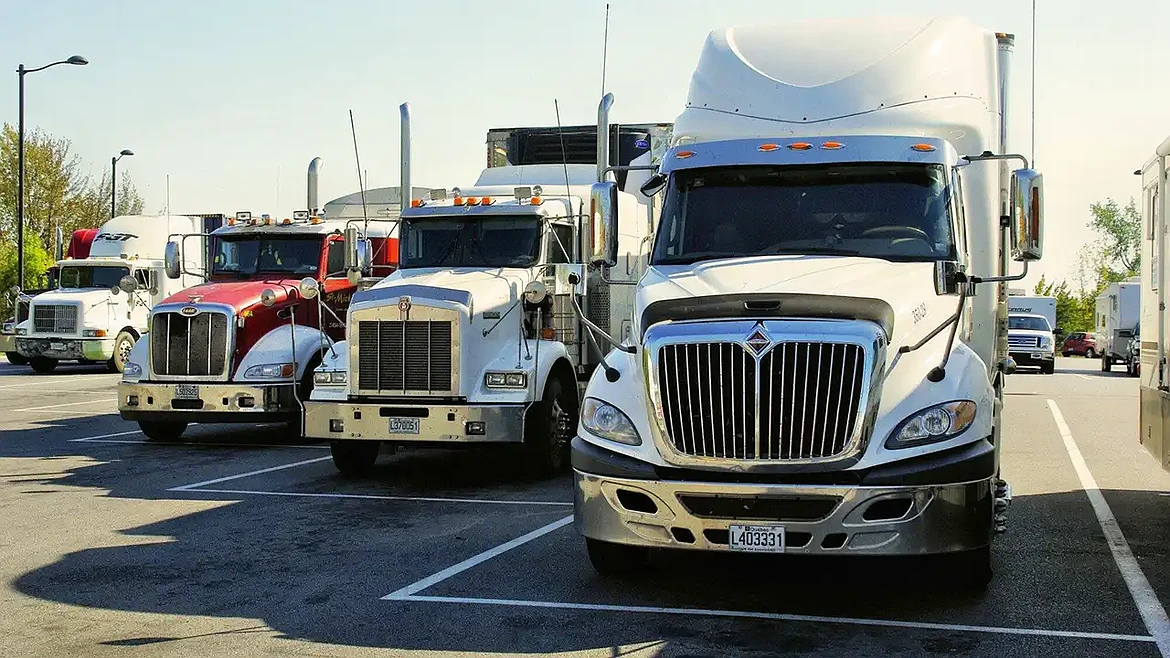
Truck fleet safety has become a huge issue because operators have to extend their vehicle service much longer because of supply chain pressures, rising replacement costs, and increased delivery demand. Many fleets require improved monitoring systems because their vehicles spend long periods on the road, which causes equipment damage, driver fatigue, and increased danger of accidents.
Truck fleets across the United States are logging more miles per vehicle than ever before. The industry faces rising equipment costs and ongoing labor shortages that force fleets to operate their trucks for longer periods. Operators must develop specific safety protocols that are supported by data-based oversight and require strict adherence to a truck maintenance schedule.
The risk of accidents and equipment downtime expenses increases when vehicles reach an older age. The focus has shifted toward developing sustainable fleet management systems, which will operate in future years instead of working to maximize current operational efficiency.
Why Are Truck Fleets Staying on the Road Longer?
Replacing equipment is affected by high investment expenses and delayed schedules for production. The present market conditions have truck prices at elevated levels, while customers face extended delivery wait times. Fleets achieve their goals through extending the operational period of their assets and having higher usage rates.
Local fleets experience additional pressure from:
- Seasonal demand
- Construction cycles
- Regional freight activity
Extended roadtime becomes a necessity rather than a choice. Key contributing factors include:
- Equipment cost inflation
- Limited availability of new vehicles
- Increased e-commerce delivery volume
- Workforce shortages
- Tighter operating margins
How Does Extended Roadtime Increase Safety Risk?
Extended roadtime accelerates wear across critical systems. Brakes, tires, steering components, and powertrains face a higher failure probability without proactive monitoring. Mechanical issues compound with:
- Driver fatigue
- Schedule pressure
- Traffic density
Fleet risk exposure increases when aging vehicles operate without structured safety oversight. Incidents often stem from small, preventable issues that escalate over time.
Safety risks linked to extended roadtime include:
- Brake degradation
- Tire blowouts
- Electrical failures
- Increased roadside breakdowns
- Driver stress and fatigue
What Safety Metrics Should Fleet Managers Track?
Modern fleets rely on measurable performance indicators to manage risk. Tracking the right metrics helps leaders identify trends before incidents occur.
Critical metrics include:
- Preventive maintenance compliance
- Vehicle downtime rates
- Driver behavior indicators
- Incident frequency
- Near-miss reporting
Regular fleet risk assessment reviews ensure data supports proactive decision-making rather than reactive responses.
The Role of Truck Maintenance in Prolonged Vehicle Lifecycles
Effective truck maintenance shifts from scheduled intervals to condition-based strategies as fleets age. Maintenance programs must evolve to address higher utilization and older equipment.
Maintenance teams in Coeur d'Alene benefit from localized service planning due to:
- Regional weather conditions
- Elevation changes
- Winter road exposure
Salt, moisture, and temperature swings increase corrosion and component fatigue. Maintenance priorities should include:
- Enhanced inspection frequency
- Brake and tire monitoring
- Fluid analysis
- Electrical system checks
- Documented repair histories
Consistent maintenance discipline directly reduces roadside incidents and unscheduled downtime.
Driver Stress and Turnover Amplify Safety Concerns
Extended roadtime affects drivers as much as equipment. Longer routes, tighter schedules, and increased vehicle age raise cognitive load and fatigue.
Driver stress correlates with incident risk and turnover. Fleets in North Idaho face recruitment challenges due to competitive labor markets and rural coverage requirements.
Supporting drivers requires:
- Realistic route planning
- Predictable schedules
- Safety-focused performance feedback
- Access to reliable equipment
Driver engagement remains a core element of road safety management.
Technology Adoption Remains Uneven Across Fleets
Safety technology adoption continues to grow, but implementation varies by fleet size and budget. Larger fleets often deploy integrated platforms, while smaller regional operators lag behind.
Video-based monitoring, telematics, and behavior analytics help close safety gaps. Solutions such as a fleet dash cam and GPS tracking system for work truck fleets support visibility, accountability, and coaching when applied correctly.
Technology supports:
- Incident documentation
- Driver coaching
- Maintenance alerts
- Route optimization
Technology works best when paired with training and policy alignment.
Building Effective Fleet Safety Strategies
Strong fleet safety strategies focus on structure rather than reaction. Clear policies, leadership accountability, and measurable goals form the foundation.
Safety frameworks should address:
- Preventive maintenance standards
- Driver training and certification
- Incident response protocols
- Continuous improvement reviews
Managing Risk as Vehicles Age
As fleets extend lifecycles, fleet risk assessment becomes an ongoing process rather than an annual review. Risk profiles change with mileage accumulation and operating conditions.
Risk management steps include:
- Vehicle age-based safety thresholds
- Mileage-based inspection triggers
- Replacement prioritization models
- Incident trend analysis
Proactive risk management protects both drivers and the public.
The Local Impact on Coeur d'Alene and North Idaho Roads
Increased freight movement affects local road networks in Coeur d'Alene and surrounding communities. Aging fleet vehicles share space with passenger traffic, cyclists, and seasonal tourism flows.
Regional safety depends on coordinated efforts between:
- Fleet operators
- Local agencies
- Infrastructure planners
Frequently Asked Questions
Why Does Extended Roadtime Create Higher Safety Risk for Truck Fleets?
Extended roadtime increases mechanical wear and reduces margin for error. Older vehicles face higher failure probability without enhanced monitoring.
Driver fatigue compounds risk when schedules stretch alongside aging equipment. Fleets must adapt maintenance and oversight strategies to offset these factors.
How Can Fleet Managers Balance Cost Control With Safety as Vehicles Age?
Balancing cost and safety requires structured decision-making. Maintenance investment often costs less than:
- Accident-related downtime
- Liability
- Reputational damage
Managers should prioritize:
- Condition-based maintenance
- Safety metrics
- Targeted technology adoption
Replacement planning should focus on high-risk assets first rather than uniform age thresholds.
What Role Does Technology Play in Managing Fleet Safety Concerns?
Technology provides visibility into vehicle condition and driver behavior. Telematics, video monitoring, and predictive analytics support early intervention.
Data enables:
- Coaching
- Maintenance alerts
- Incident review
Technology strengthens accountability when paired with training and clear policy enforcement.
These tools also help fleet managers identify recurring risk patterns before they result in costly incidents. Over time, consistent data use supports safer decision-making and long-term operational stability.
Truck Fleet Safety Requires Long-Term Planning and Accountability
Sustaining a safe truck fleet as vehicles remain on the road longer demands disciplined planning, consistent execution, and continuous improvement. Extended roadtime will remain a reality for fleets across North Idaho and the nation. Fleet leaders who prioritize safety culture, maintenance discipline, and risk assessment position operations for long-term stability.
Explore our website for more helpful guides and the latest news updates.
This article was prepared by an independent contributor which helps us continue delivering quality content to our audiences.