

Facing project delays? Logistics experts explain how to transport oversized equipment safely
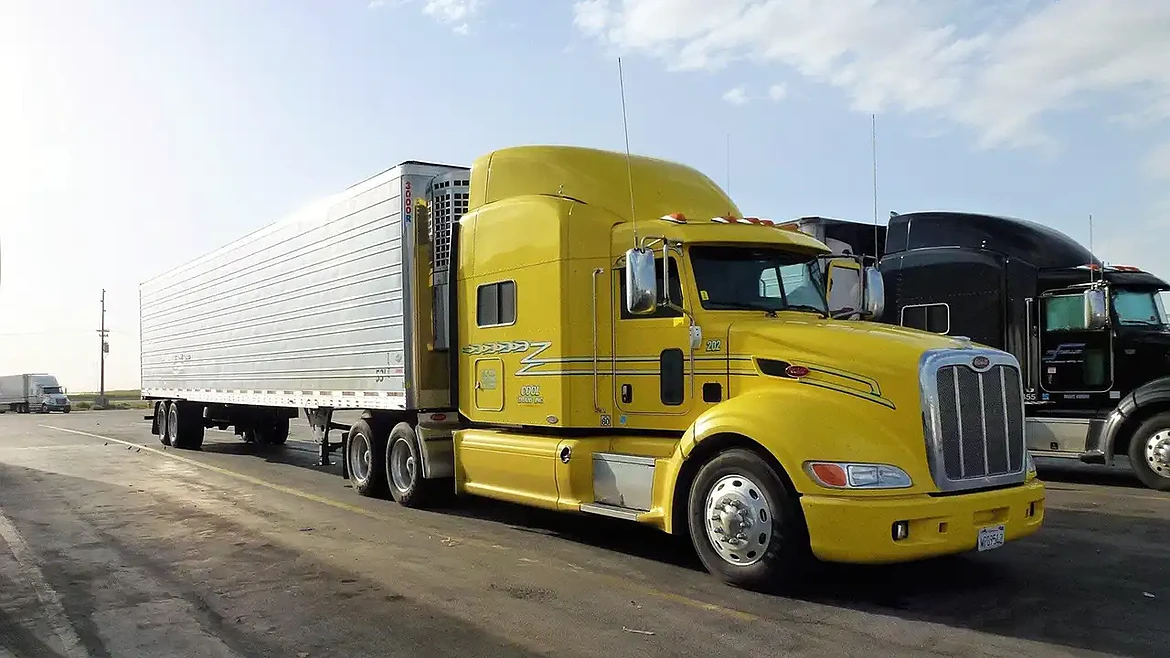
Planning your routes and getting permits early makes it easier to transport oversized equipment. You'll be able to ensure your cargo arrives safely and avoid fines if you take such steps.
According to The Digital Project Manager, up to 70% of projects don't reach their goals. Delivery issues often play a big role in how projects in fields like construction turn out.
Failing to plan oversize load transport effectively will slow down work and cause losses.
What Is an Example of Oversized Cargo?
Oversized cargo is simply anything too big or heavy for normal transport rules. It can be:
- Excavators for a road project in Coeur d'Alene
- A wind turbine blade
- A prefabricated bridge section
You can reduce stress for your neighbors and other road users when you plan equipment delivery. It's also possible to prevent damage to powerlines and roads.
How Much Does It Cost to Transport an Oversized Load?
There isn't a specific amount we can say you'll need for your oversized equipment. The cost can vary due to:
- The distance you'll be traveling
- Kind of permits needed
- The equipment type
- Timing
- The need for police escorts
Expect fees for permits in each state or county you'll be going through with your equipment.
It's easy to underestimate or forget about some costs as a project manager. Encountering any delays in your journey increases the costs since you may have to pay your crew overtime.
Be smart when budgeting by including a buffer amount. Meeting your delivery window will help you avoid costly penalties.
How to Transport Oversized Equipment Without Delays
Project management will become much easier once you know how to keep your schedule and avoid unnecessary risks. You need a clear plan anytime you're transporting oversized equipment.
Plan Routes With Local Knowledge
Don't just follow the map when planning how you'll deliver oversized equipment. The local routes may have:
- Low wires
- School zones
- Seasonal road work
- Tight turns
You can figure out how you'll navigate different roads in North Idaho if you have local knowledge. Work with a local planner to avoid wasting fuel caused by last-minute detours.
Secure Permits Early
Permits take time to process, and they can cause major delays if you aren't swift. You should research in advance because different states may have unique rules for oversized equipment transportation.
You may not be able to travel in some counties during peak hours or holidays. Getting your permits early avoids making rushed decisions. It helps you lock your escort schedules and have peace of mind as your crews prepare.
Work With Experienced Partners
Have a skilled team to be efficient as you transport oversized equipment. A reliable partner will know the transportation safety measures they should take to protect their cargo and avoid causing damage on the road. Always look for:
- Proven processes
- Years of experience
- Insurance in case damages occur
Your crews will feel more confident when planning if they know you have a reliable partner. Apply the best logistics strategies by choosing a reputable conveyance firm.
Get the Right Trailer and Rigging
You'll have several options when moving oversized cargo. Not each one will be ideal for your equipment. Your trailer options may include:
- Extendable flatbeds
- Modular trailers
- Lowboys
Choose the proper trailer and rigging so your cargo doesn't shift when you brake. You won't worry about damaging your equipment when making sharp turns if you have the most suitable transportation.
Schedule Around the Weather and Traffic
Extreme weather conditions may make it harder to reach your destination with oversized equipment. When planning your schedule, always consider how the weather will be in all the areas you'll pass through. Some things that may affect traffic are:
- Tourist seasons
- School calendars
- Events going on in North Idaho
Equipment delivery becomes much easier with smart timing.
Prepare Equipment for Transport
You need to check the tires and attachments on your equipment before moving it. Inspect the machinery and remove loose parts or secure them. Always confirm if you need to drain any fluids for safety reasons. Other preparation steps to follow are:
- Wrap sensitive areas to prevent damage
- Label or mark heavy or fragile parts for your crew
- Take photos and videos of the equipment before loading
Safety measures like these help you avoid costly damage. You can protect your crews as they load and offload the equipment if you prepare properly.
Frequently Asked Questions
How Long Does Permit Approval Take?
It depends on the region and load complexity. You may get approval in just a few days if you're just moving a simple oversized piece of equipment. The roads you'll be using may not have many turns or a lot of traffic. Such factors work in your favor and help you get your permit faster.
Applying early is a great way to reduce stress and rushed changes. Always work with an experienced partner to speed up permit processing.
What Risks Come With Poor Planning?
Your company may damage public property and have a bad reputation. Poor planning can also lead to:
- Penalties because you didn't get some permits
- Extra costs after damaging low bridges
- Frustrated crews
Projects often delay when you fail to plan how you'll transport oversized equipment. You can prevent risking public safety by coming up with a good plan and reviewing it before getting on the road.
When Should I Start Planning Oversized Equipment Transportation?
As soon as you get the equipment specs. Start looking for the best routes after knowing how big your equipment is and the kind of trailer you need to move it.
By planning early, you can coordinate with escorts better and ensure the best communication. Going over the same plan several times to ensure it's efficient gives your crew peace of mind.
Avoid Project Delays With Smart Transportation
Ensure oversight and be careful when you transport oversized equipment. Experienced partners know the best routes to use in your area and the safety measures they should apply to avoid damage.
If you get your permits early, you won't panic about meeting deadlines later. You should always consider the weather and the traffic when choosing a route to avoid delays.
Explore more logistics tips on our news page.
This article was prepared by an independent contributor which helps us continue delivering quality content to our audiences.