

HUCKLEBERRIES: Human rights, local victories
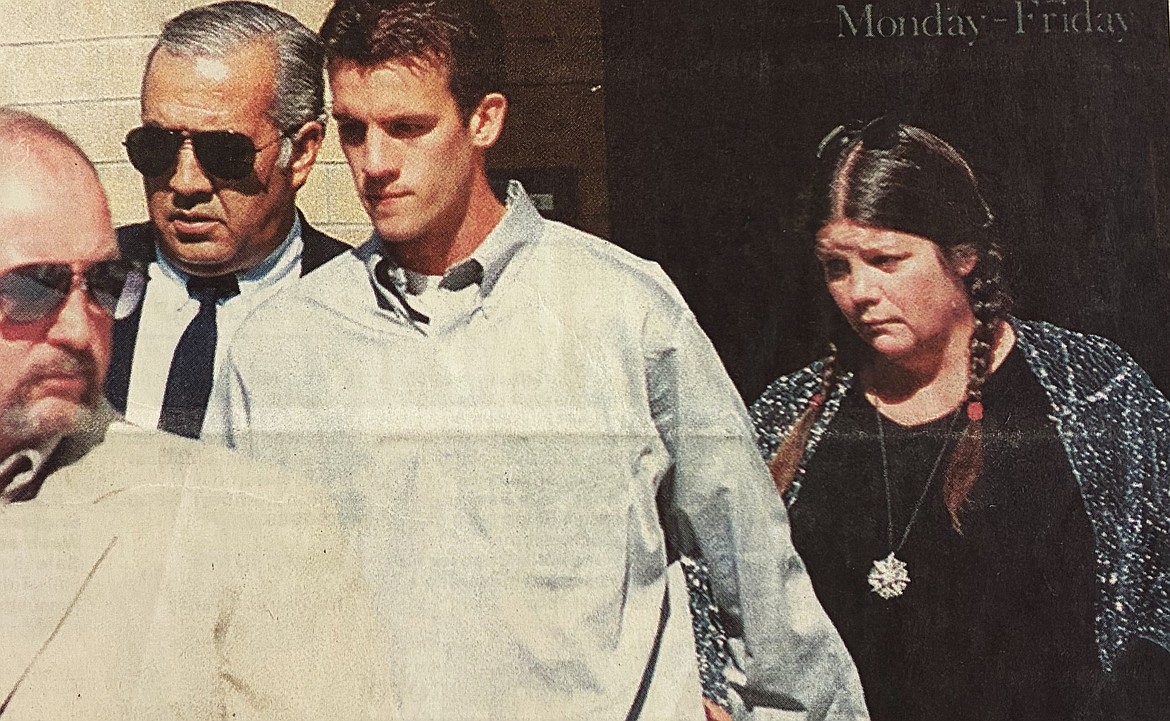
Jason and Victoria Keenan are protected by security guards provided by attorney Morris Dees in 2000.
Photo courtesy of the Coeur d'Alene Press archives
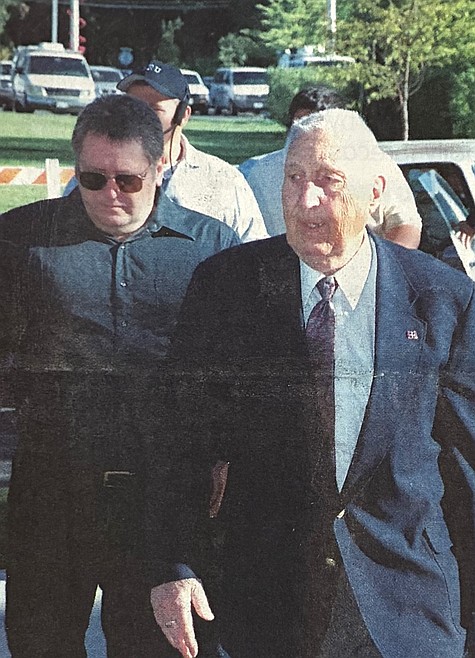
Richard Butler, right, arrives for the first day of the Aryan Nations civil trial Aug. 28, 2000.
Photo courtesy of the Coeur d'Alene Press archives
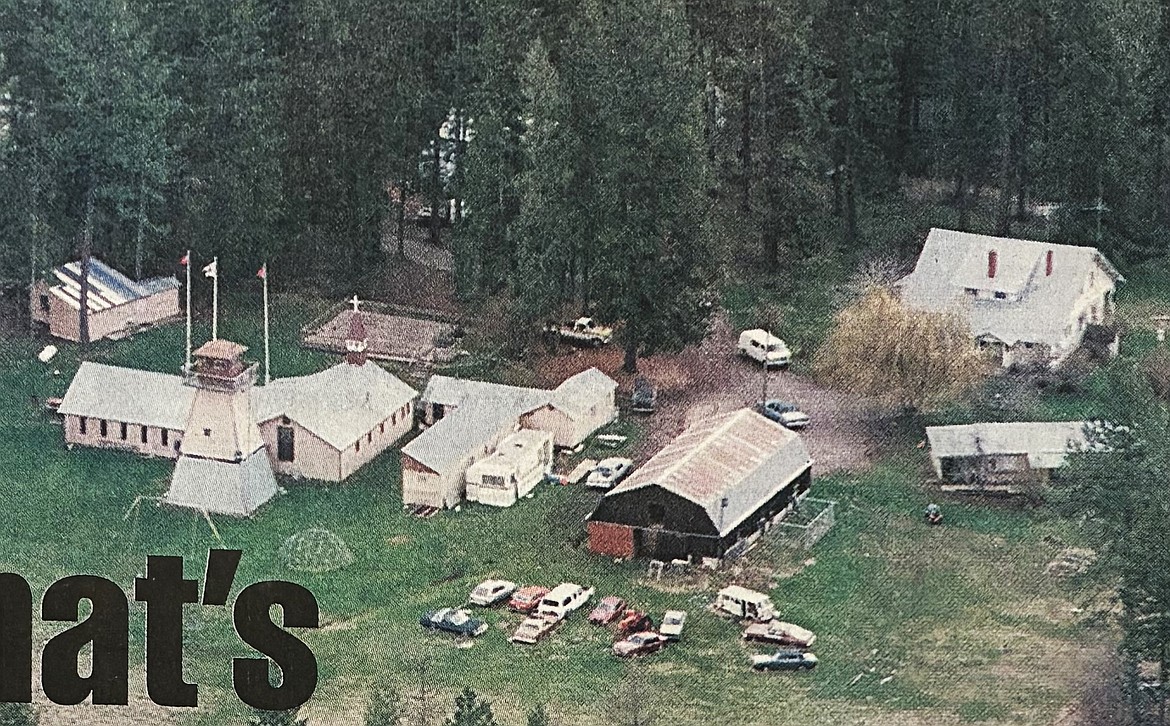
An undated photo of the Aryan Nations headquarters shows Richard Butler’s house, upper right, and his church and a guard tower, lower left.
Photo courtesy of the Coeur d'Alene Press archives
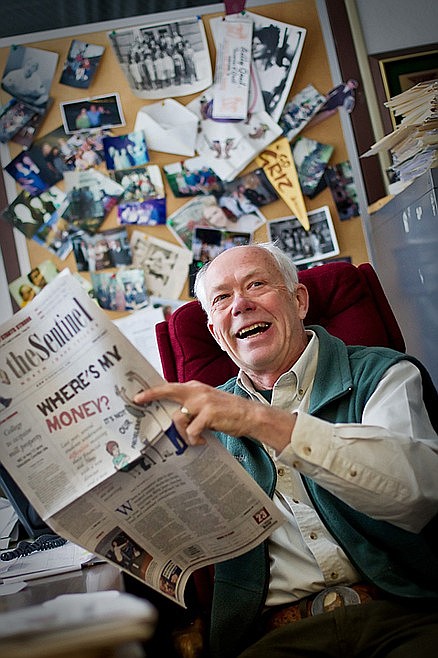
Nils Rosdahl taught young journalists at North Idaho College and covered local business news during his 44-year newspaper career.
BILL BULEY/Press file

The floating green at the 14th hole of The Coeur d’Alene Resort golf course is pushed into place by a Fred Murphy tug in 1990.
Photo courtesy of the Coeur d'Alene Press archives
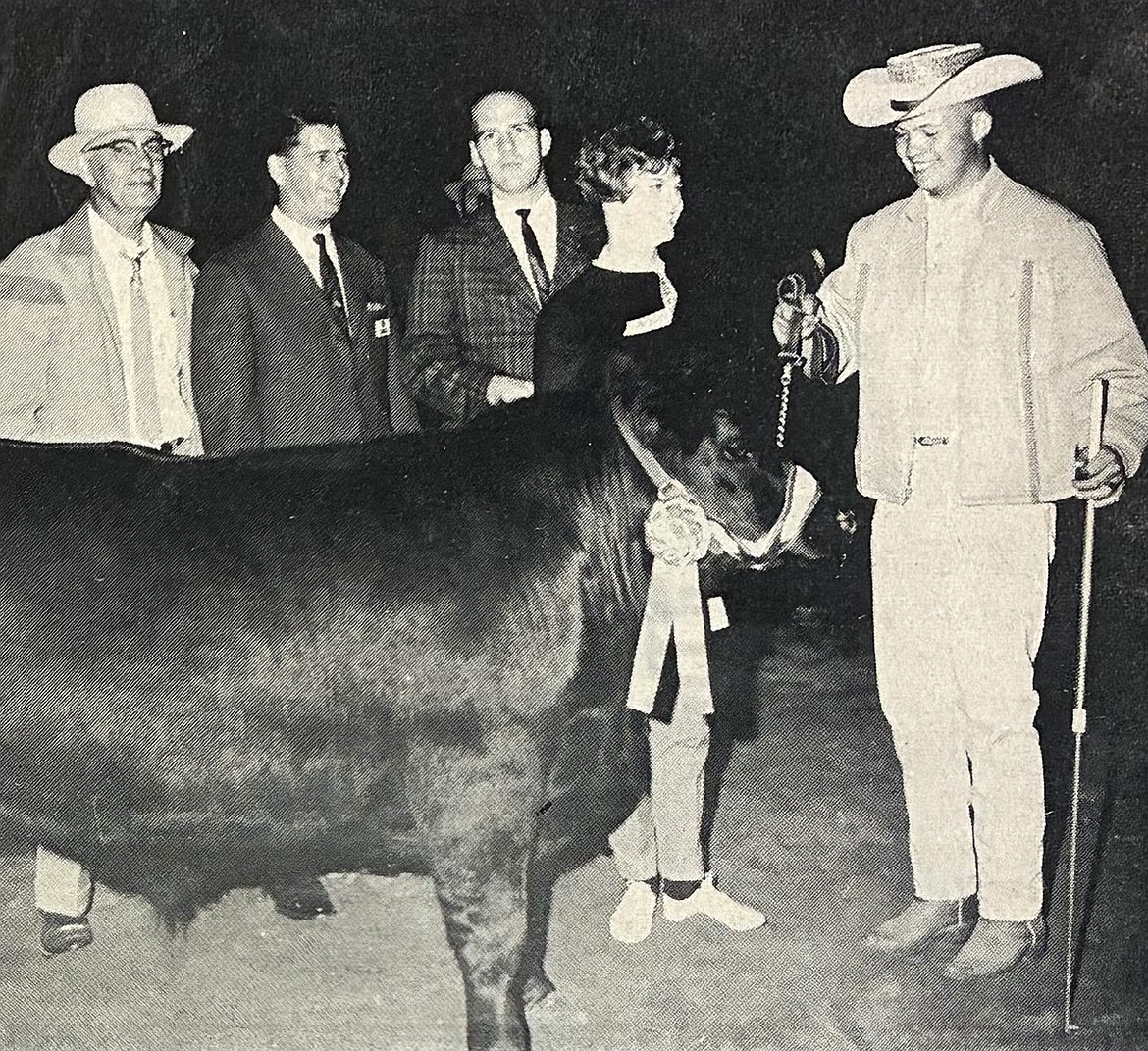
Gary Schneidmiller, right, and his Black Angus present themselves to Miss Coeur d’Alene XII Susie Wolden and Montgomery Ward officials in 1965.
Photo courtesy of the Coeur d'Alene Press archives

The old North Shore Convention Center while being razed to make way for The Coeur d’Alene Resort in 1985.
Photo courtesy of the Coeur d'Alene Press archives
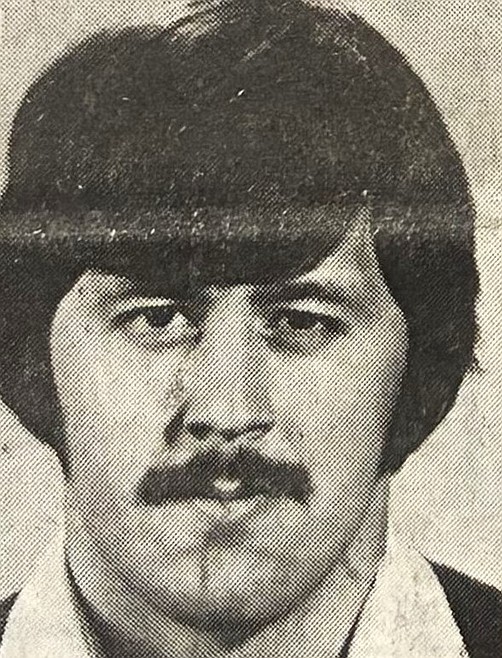
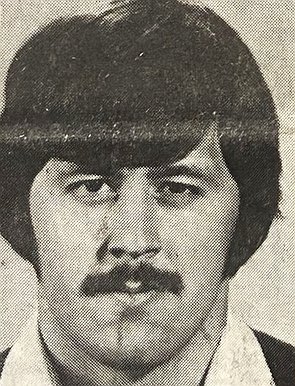
Steve Parker in 1980.
Photo courtesy of the Coeur d'Alene Press archives
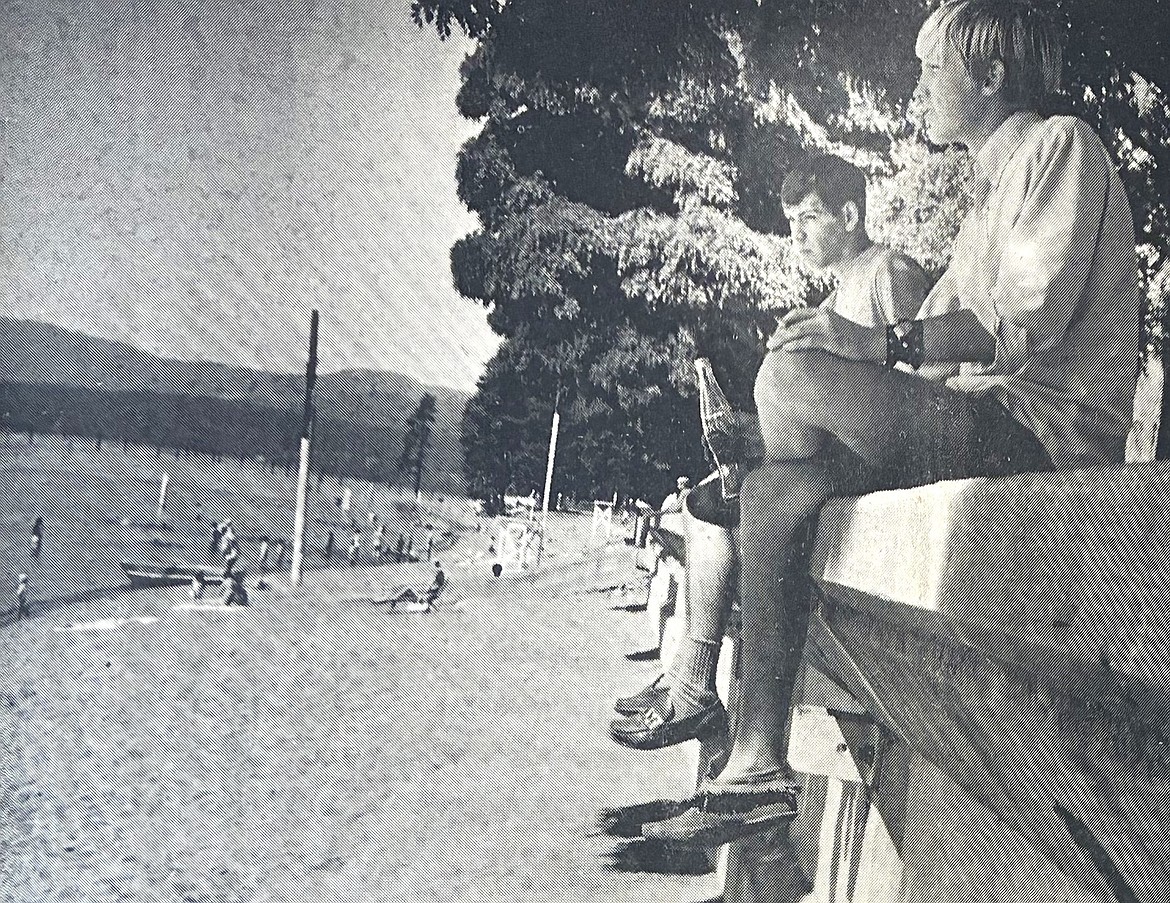
Danny Smith and Mike Freligh of Hayden Lake drink pop from glass bottles on the City Beach seawall two days before the city adopted a bottle ban in 1970.
Photo courtesy of the Coeur d'Alene Press archives
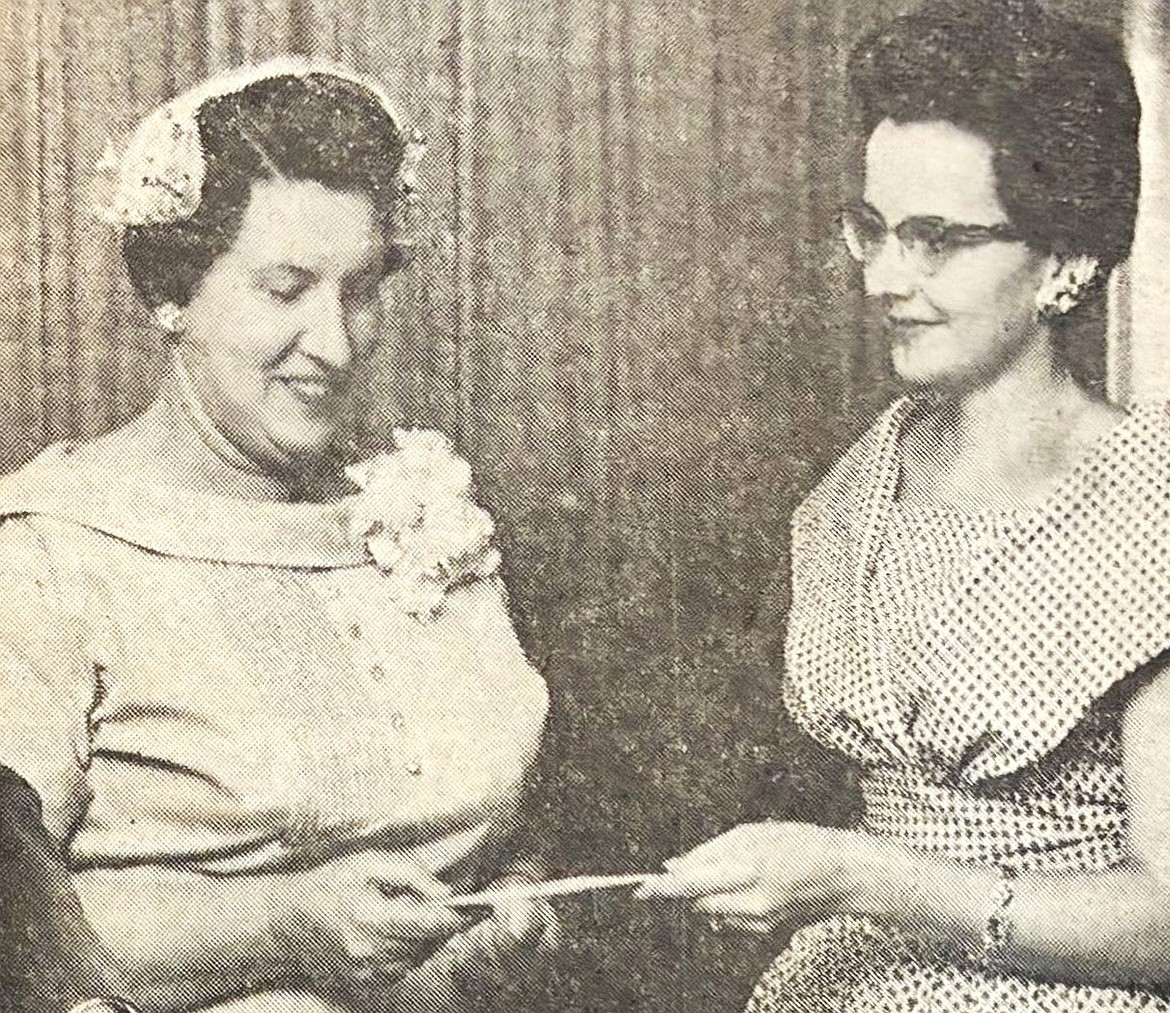
Quake survivor Irene Bennett, left, receives a $100 scholarship from Beta Sigma Phi chapter president Dallas Ator in 1960.
Photo courtesy of the Coeur d'Alene Press archives
A 96-point headline in the Coeur d’Alene Press 25 years ago announced the effective end of Richard Butler’s neo-Nazi organization: “Aryans Lose.”
On Sept. 7, 2000, a Kootenai County jury levied the largest verdict in Idaho history, up to that time, to punish Butler and fellow Aryans for a brutal attack on a woman and her son.
The $6.3 million award to Victoria and Jason Keenan ruined Butler’s hate group.
“This judgment bankrupts Butler, but he was bankrupt from the start because his ideas are corrupt and evil,” plaintiff’s attorney Morris Dees told The Press. “This group is nothing but a cult. It has nothing whatsoever to do with God or religion. The jury made that clear.”
Dees, of the Southern Poverty Law Center, joined local attorneys Ken Howard and Norm Gissel to destroy the Aryan Nations. After the verdict, Dees said he intended to force Butler to relinquish ownership of his 20-acre compound, north of Hayden Lake, to the Keenans.
And he succeeded.
On July 1, 1998, the Keenans, then of Bonner County, were chased by security guards in a pickup after their car backfired near the Aryan compound. The paranoid Aryans pursued the Keenans for about 2 miles, fired five bullets into the car and finally drove the Keenans off the road.
Later, Victoria Keenan told the Southern Poverty Law Center that Aryan security chief Jesse Warfield pointed a gun at her head and tried to pull her by the hair out of the car. Her son cried and said repeatedly: “Mom, we are going to die.”
Warfield, who was imprisoned for this crime, and two other Aryan guards released Victoria when a vehicle approached. The trio gave the Keenans a Hitler salute and left.
Later, Victoria Keenan said, “I used to feel kind of sorry for Butler. But now I see him for what he is, inciting children to be like this.”
In 1973, Butler moved here from Southern California with a scheme to create a white homeland in the Northwest. He recruited and inflamed followers with his rhetoric. Some committed crimes, from murder to armed robbery, from counterfeiting and harassment to bombings.
On Oct. 28, 2000, Butler and two dozen disciples paraded defiantly in the rain on Sherman Avenue. Later, an admirer provided Butler with a rent-free Hayden house. In 2003, he ran unsuccessfully for Hayden mayor. Without property, however, he was finished.
Meanwhile, local human-rights leaders removed every semblance of the Aryan Nations from the former compound, including trees carved with swastikas. The place became a peace park for a while. And then it was sold to raise money for human rights.
On Sept. 8, 2004, Butler, 86, died almost four years to the day after the crippling verdict.
Lots of bits
For four decades, Nils Rosdahl's Business Bits column was a highlight of the Sunday Press.
But Nils wasn’t born to be a business writer.
In a column from July 24, 1985, Nils described his reaction when former editor Doug Clark asked him to cover business: “Me? Mister anti-establishment? Bay Area resident during the Vietnam War? The Press’s resident Democrat? Business news?”
At the time, Nils edited the Lifestyles section and wrote feature stories.
He discussed the offer with his wife, Mary, who was nurturing a newborn. The couple decided: Why not? The resultant pay raise didn’t hurt either.
Soon, news tips flooded in, so many that The Press expanded the business page to twice a week. And the smaller items were compiled into a weekly column: Business Bits.
Nils continued to write the column during his 26 years (1984-2010) as a North Idaho College journalism instructor and adviser for the North Idaho College Sentinel.
On Dec. 29, 2024, he wrote his final business column and retired after 44 years as a newsman.
Floating dream
On Aug. 29, 1990, the floating green at The Coeur d’Alene Resort golf course became a reality when a Fred Murphy tug towed it into place.
It was — and remains — an engineering marvel: a 5.5-million-pound, manmade, mobile green anchored to the bottom of Lake Coeur d’Alene.
John Barlow and Larry Polin led the design team that actualized Duane Hagadone’s dream of a unique Par-3 14th hole with 6,500 square feet of putting surface.
It was built at Blue Creek Bay and floated 3 miles in five hours to the golf course.
Only two years before, a legal threat almost derailed the idea. The Kootenai Environmental Alliance opposed the lease of 6.6 acres of valuable lake surface for the green.
Ultimately, Gov. Cecil Andrus brokered a deal that gave Hagadone his dream green in exchange for public access to his eastern end of Sanders Beach. The Land Board OK’d the pact March 8, 1988.
In chamber-of-commerce speak, the accord was a win-win.
Huckleberries
• Poet’s Corner: Now he and the Fuhrer/at last get to meet/and together complain/of the unpleasant heat – The Bard of Sherman Avenue (“Richard Butler”).
• Some Steer: Huckleberries didn’t do broker-owner Gary Schneidmiller justice last week in mentioning simply that he, as a 16-year-old 4-Her, entered his Black Angus in the 1965 county fair. Gary’s steer, Shady Sam, won the grand championship and sold for 60 cents a pound to Montgomery Ward at the 4-H livestock show attended by 250.
• Out with the Old: On Aug. 28, 1985, the North Shore Resort convention center was nothing but rubble. Duane Hagadone had ordered the facility bulldozed as part of his $60 million Coeur d’Alene Resort makeover project. Bob Templin’s old convention center was replaced by one twice the size and a four-story parking garage.
• Answer Man: And the answer is — Steve Parker. The question? Who was the first Coeur d’Alene Vik since the Great Depression to play in the NFL? (Ex-Vik John Vesser was a Chicago Cardinal for three seasons: 1927 and 1930-31.) At 6-foot-7, 260 pounds, Parker, a 1975 CHS grad, signed with New Orleans. But he suffered a back injury and played in only four games total. He made one tackle.
• Just Say No: Many laws exist because people are clueless or indifferent. On Aug. 17, 1970, for example, the Coeur d’Alene City Council banned glass containers and bottles at public beaches to reduce litter and injury hazards. Today, city officials should ban dogs from City Park. Oh, wait, it has. But you’d never know it.
Parting shot
A $100 scholarship doesn’t mean much today, but 65 years ago it enabled Irene Bennett, then 40, to attend North Idaho Junior College.
You may remember her as Irene Dunn, a longtime Bonner County elementary teacher.
On Aug. 17, 1959, she and son Philip, then 16, were the only members of the Purley Bennett family of Dalton Gardens to survive the Hebgen Lake earthquake in southwestern Montana.
A plaque unveiled at the Earthquake Lake Visitor Center near Ennis, Mont., on the first anniversary of the disaster listed the 28 victims, including Irene’s husband, daughters Carole, 17, and Susan, 5, and a son, Tom, 10.
On Aug. 20, 1960, Irene was honored with a tea party and awarded the Beta Sigma Phi scholarship. She used the money to become a teacher and a writer.
And in 1998, she published a book about the hope she found in her tragedy: “Out of the Dark.”
Irene died in Sandpoint at age 87 in 2007.
• • •
D.F. (Dave) Oliveria can be contacted at [email protected].
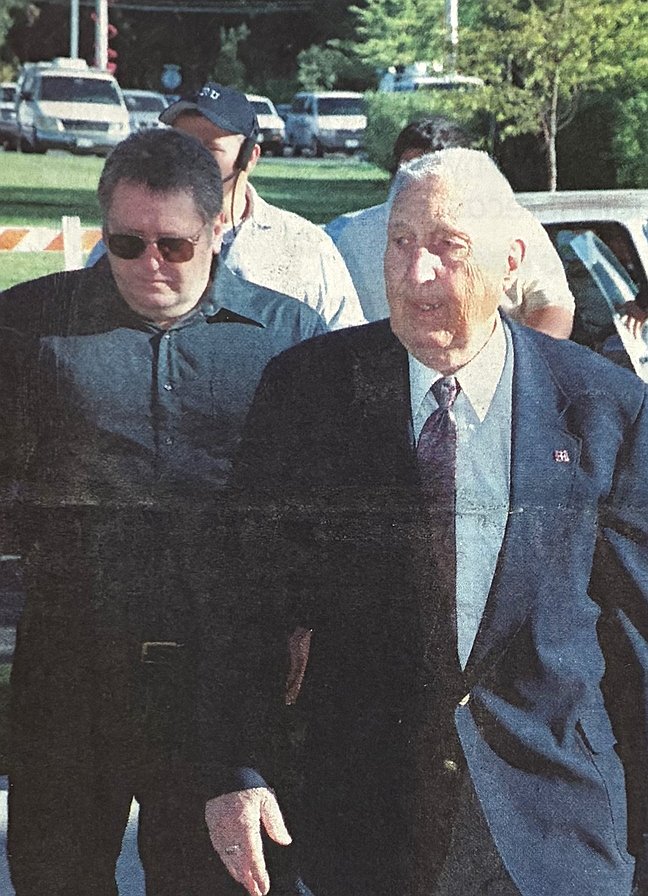 Richard Butler, right, arrives for the first day of the Aryan Nations civil trial Aug. 28, 2000.
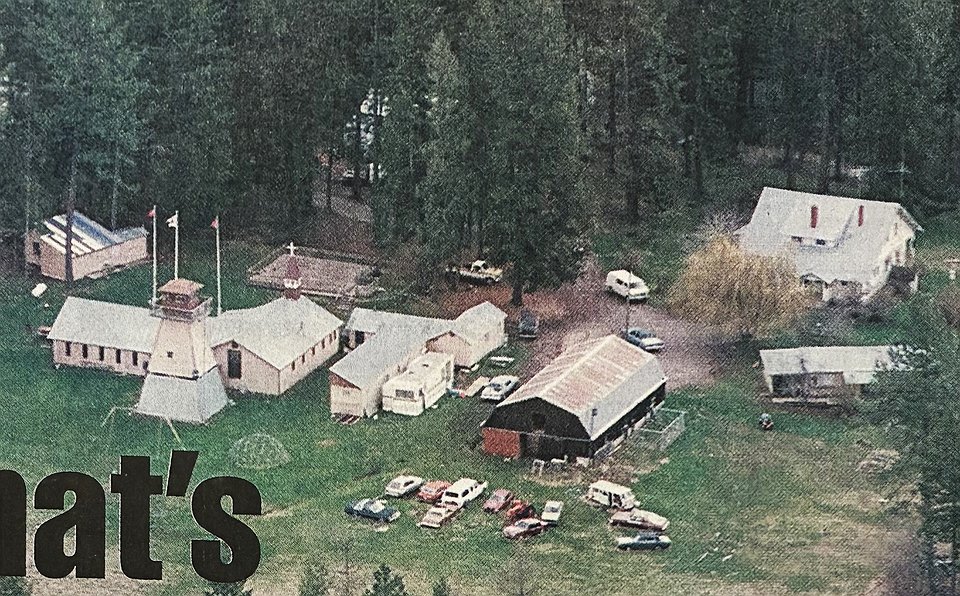 An undated photo of the Aryan Nations headquarters shows Richard Butler’s house, upper right, and his church and a guard tower, lower left.
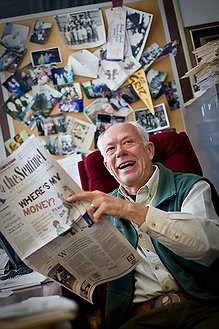 Nils Rosdahl taught young journalists at North Idaho College and covered local business news during his 44-year newspaper career.
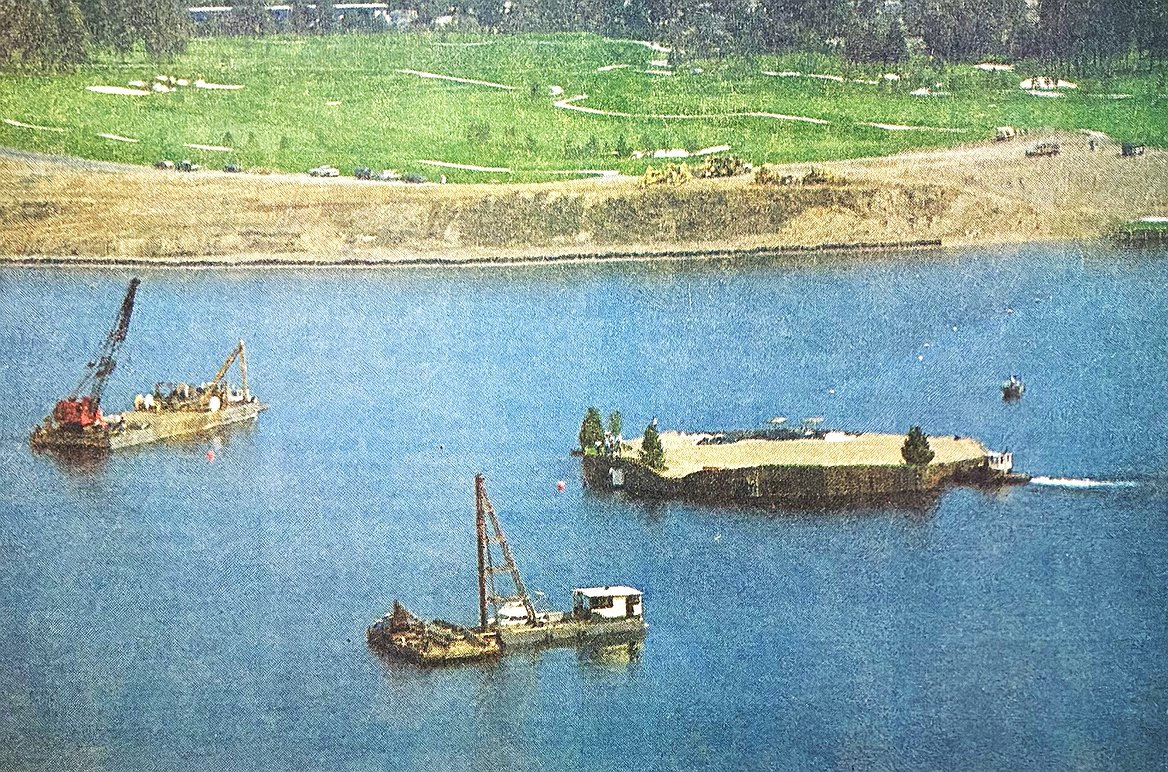 The floating green at the 14th hole of The Coeur d’Alene Resort golf course is pushed into place by a Fred Murphy tug in 1990.
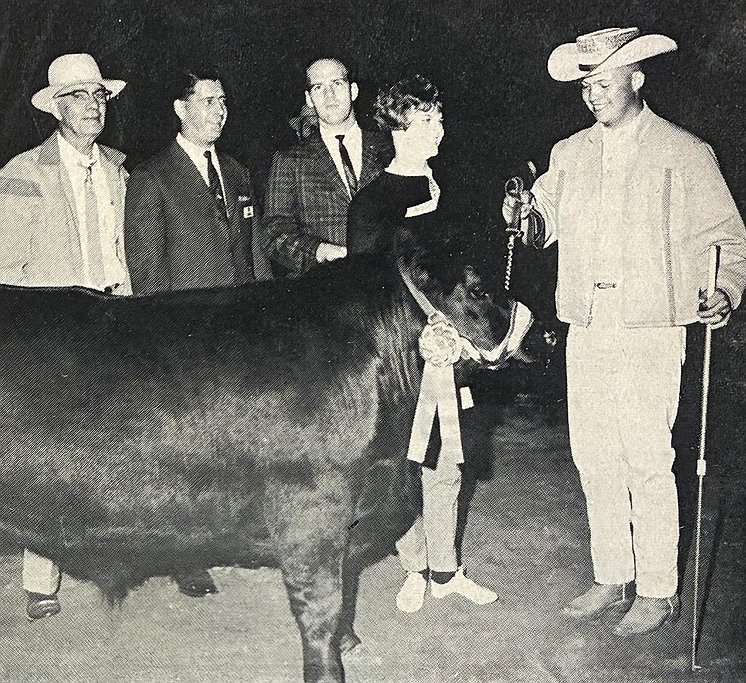 Gary Schneidmiller, right, and his Black Angus present themselves to Miss Coeur d’Alene XI Susie Woldon and Montgomery Ward officials in 1965.
 The old North Shore Convention Center while being razed to make way for The Coeur d’Alene Resort in 1985.
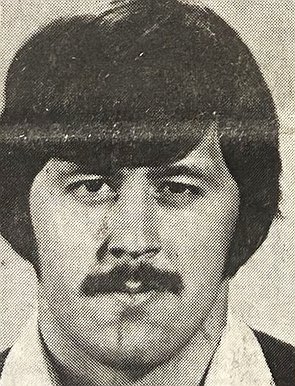 Steve Parker in 1980.
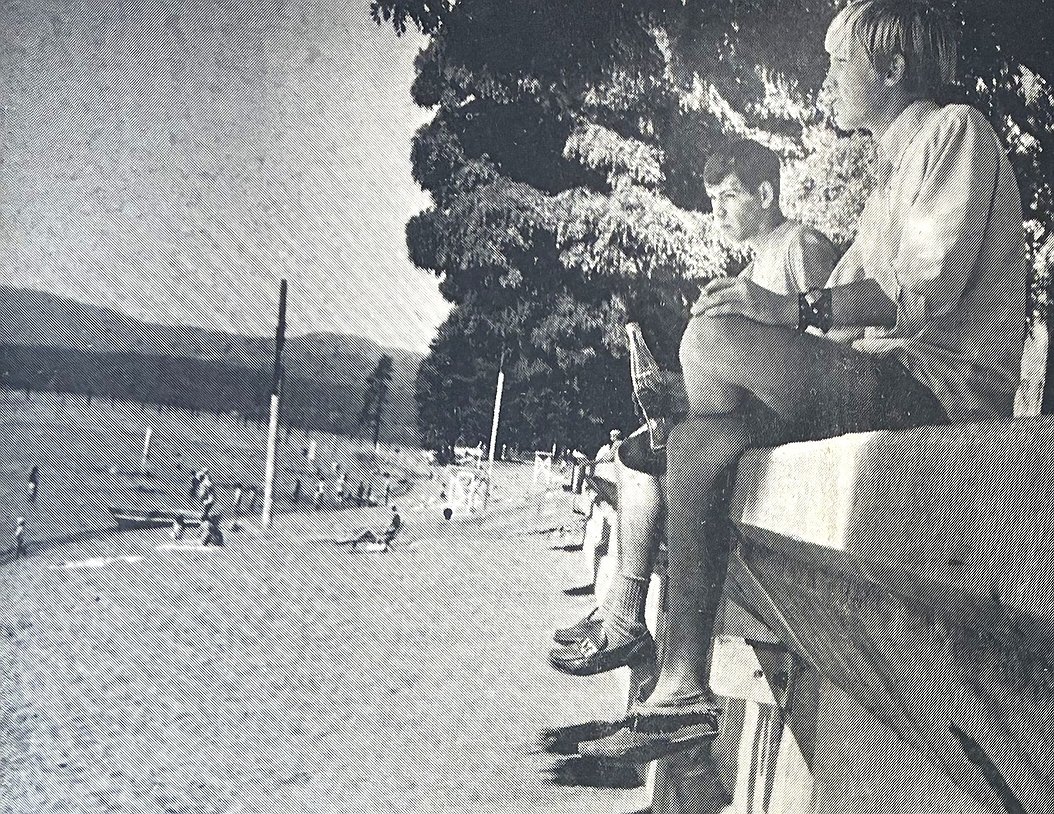 Danny Smith and Mike Freligh of Hayden Lake drink pop from glass bottles on the City Beach seawall two days before the city adopted a bottle ban in 1970.
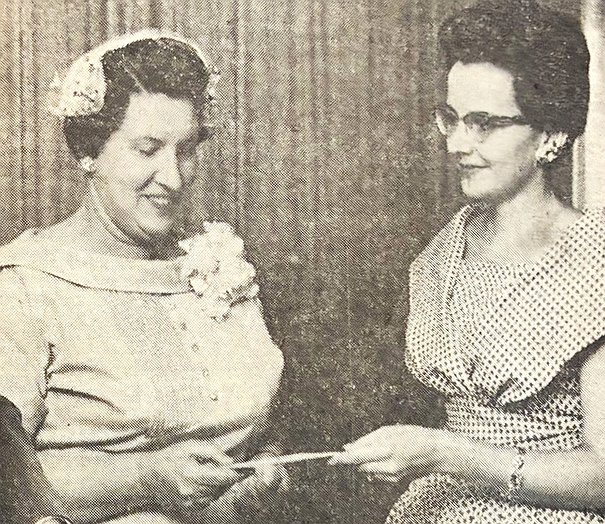 Quake survivor Irene Bennett, left, receives a $100 scholarship from Beta Sigma Phi chapter president Dallas Ator in 1960.