

The culinary flavor bomb you need to grow this fall
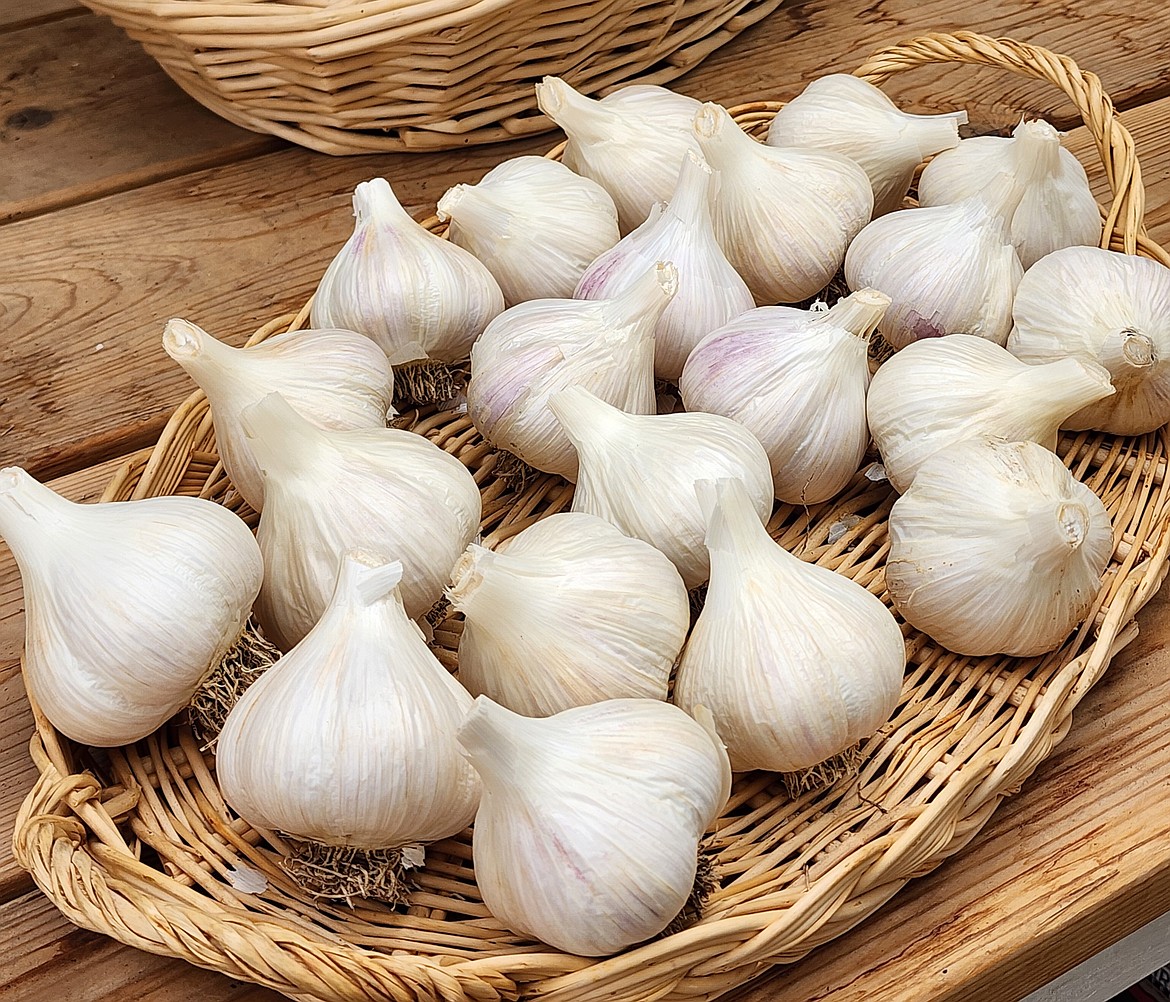
Garlic is one of the easiest and most satisfying vegetables to grow.
Photo by CANDACE GODWIN
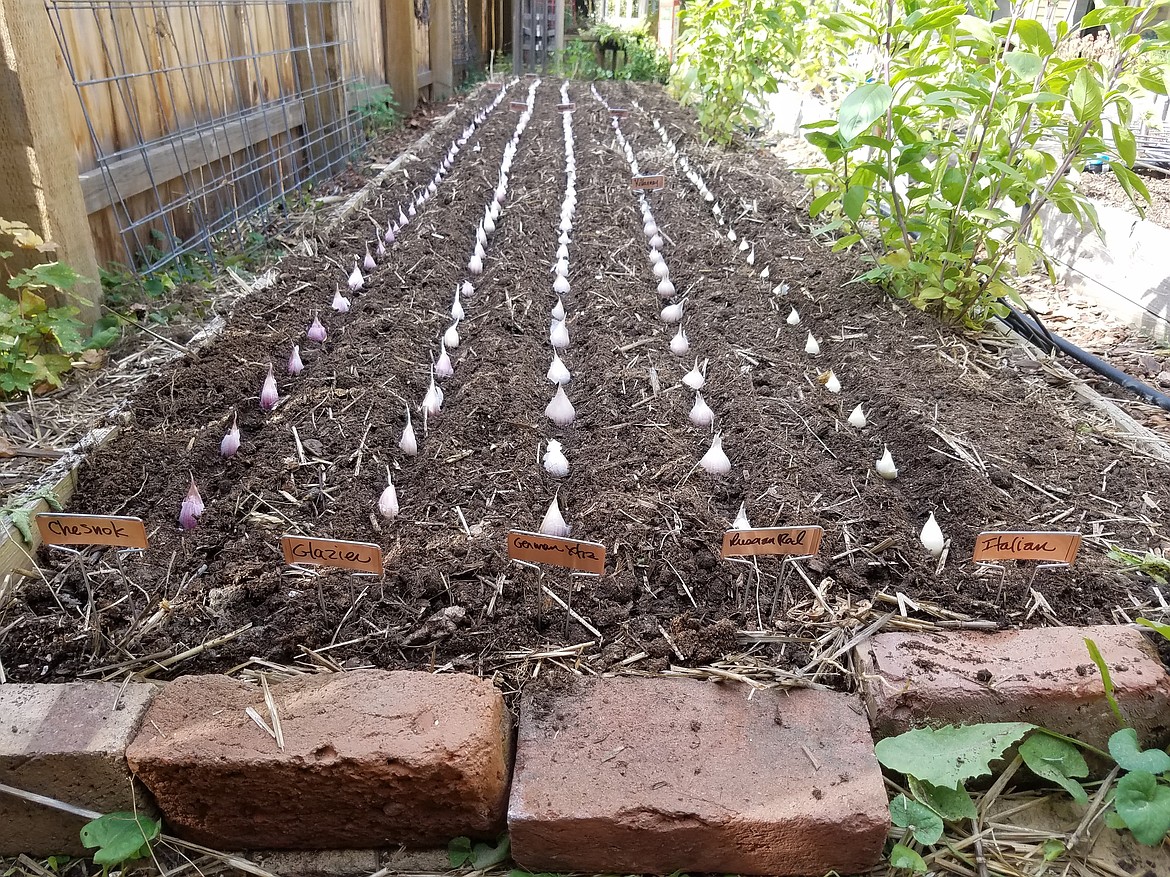
Hardneck garlic needs vernalization — or a period of cold — for proper bulb development. That’s why it is planted in the fall.
Photo by CANDACE GODWIN
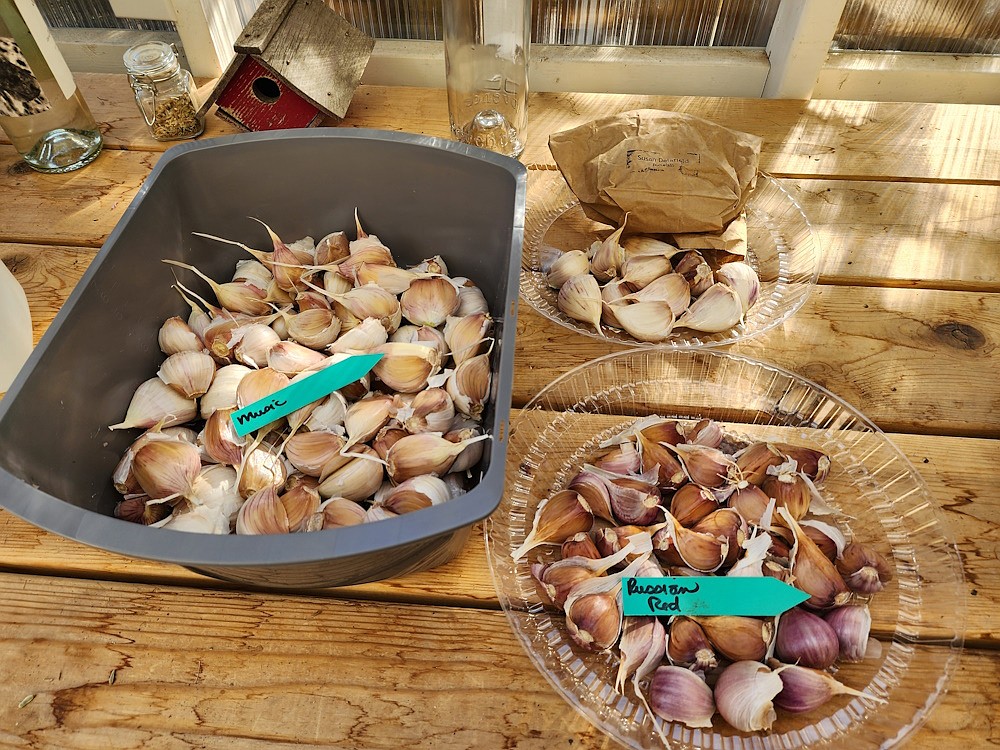
Garlic takes very little space in the garden, so you can experiment with growing several varieties.
Photo by CANDACE GODWIN
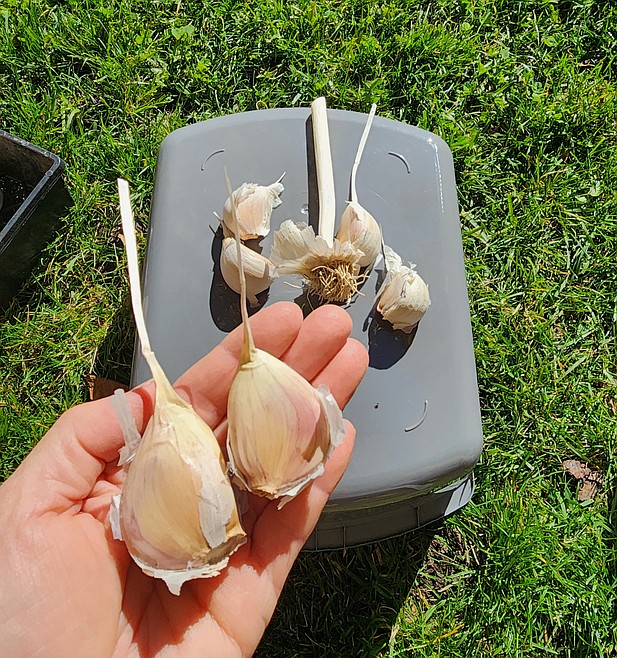
The hardneck cultivar, Music, produces large bulbs with only four or five cloves. It grows exceptionally well in our climate.
Photo by CANDACE GODWIN
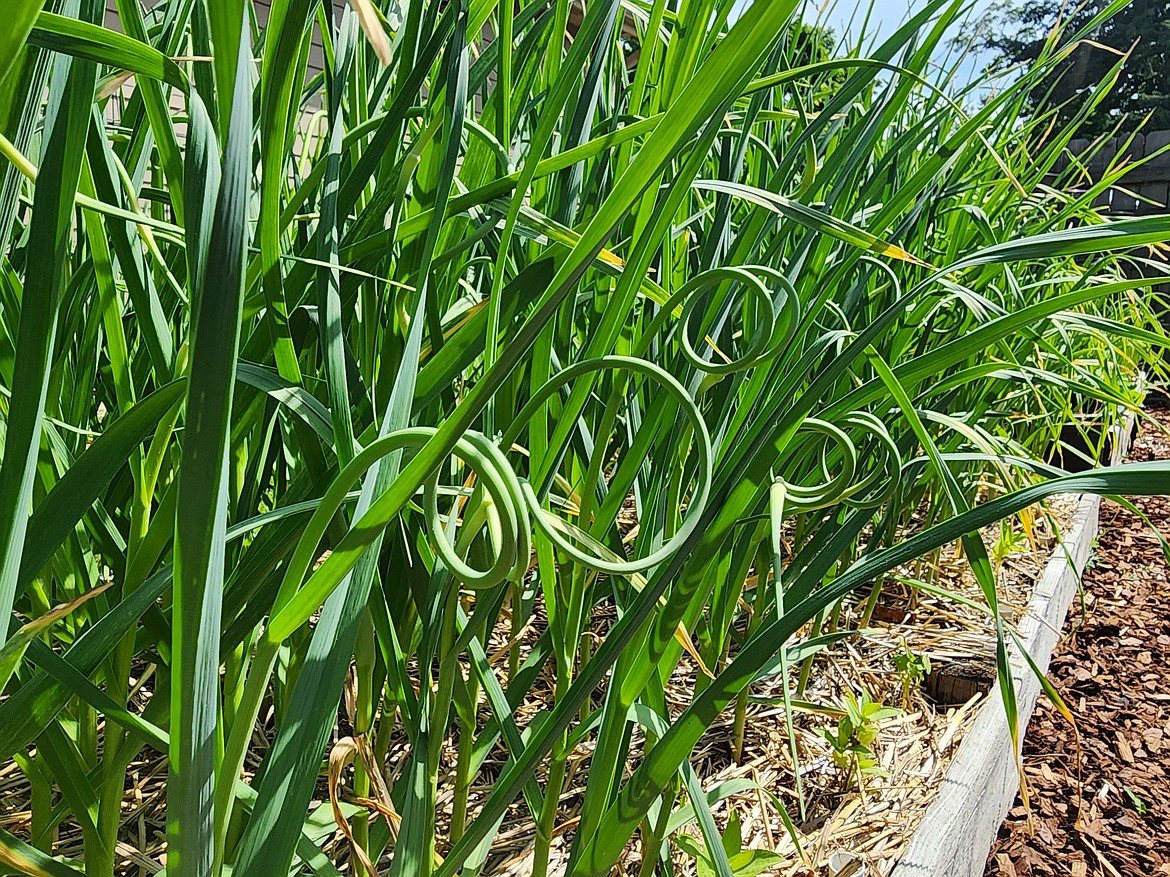
Garlic scapes are the flowing stalks of hardneck garlic and should be removed in late spring to divert plant energy into growing bigger bulbs.
Photo by CANDACE GODWIN
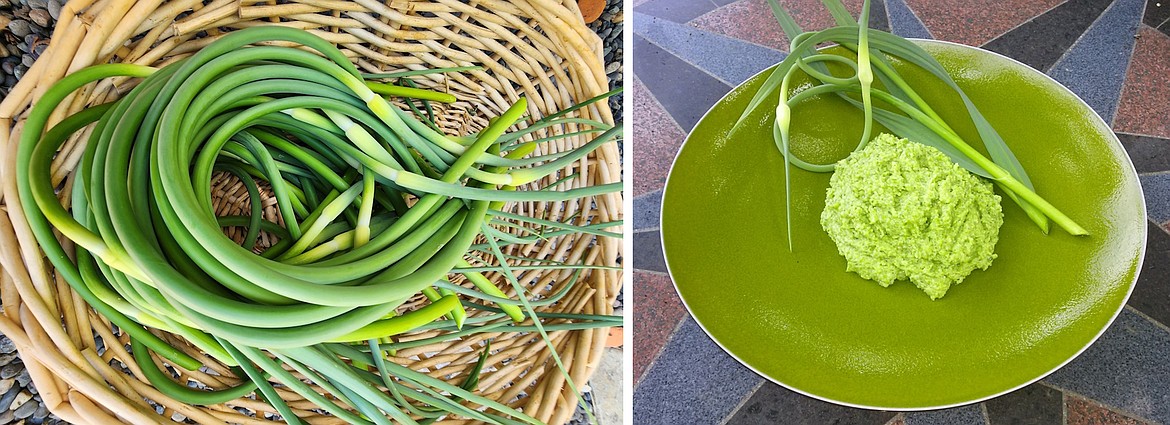
Curly garlic scapes are a culinary delight and are only available in late spring. One delicious way to use them is to make a garlic scape pesto.
Photo by CANDACE GODWIN
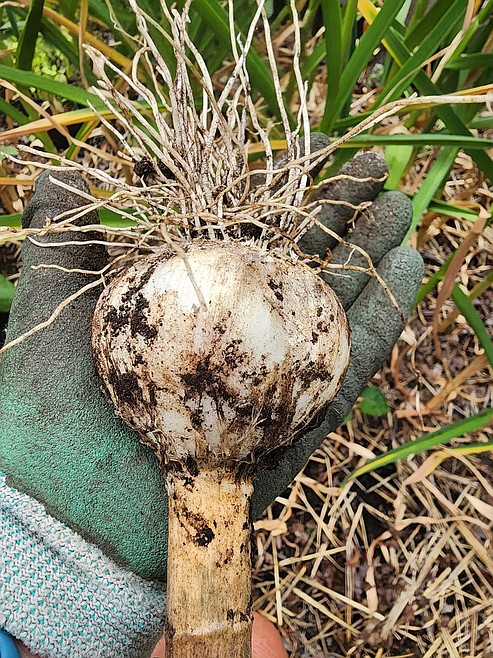
Once you taste fresh, homegrown garlic, you’ll never want store-bought again!
Photo by CANDACE GODWIN
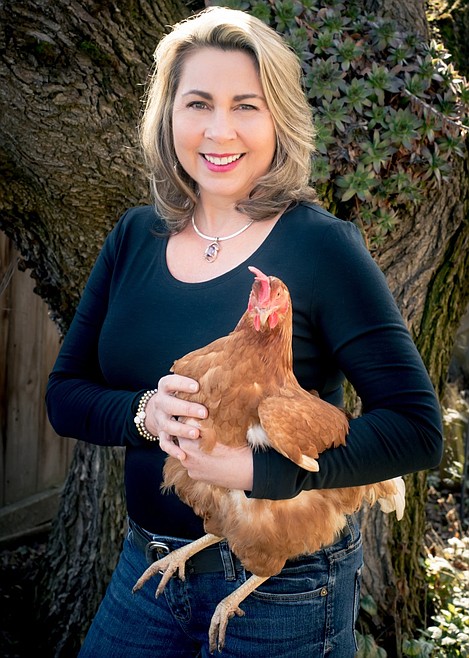
Candace Godwin
Garlic isn’t just a kitchen staple — it’s a touch of garden magic wrapped in papery skin. Whether you roast it until buttery-sweet, mince it into a zesty pasta sauce, or braid it into a rustic display, garlic deserves its superstar status.
Garlic grown from your garden is fresh, juicy and bursting with flavor, and it’s one of the simplest and most satisfying crops you’ll ever grow.
Here’s the thing: Once you taste homegrown garlic, you’ll never, ever, want grocery store garlic again.
Global garlic for domestic tastes
This nation loves garlic. Consumption has more than tripled in the United States since 1980. According to Penn State Extension, the average person consumes approximately 3 pounds of garlic per year, totaling around 850 million pounds based on U.S. population data.
In the U.S., domestic garlic is mainly cultivated in California, with smaller quantities produced in Oregon, Washington, Nevada and New York. Most of the 400 million pounds grown stay within the country; only a small portion (about 8,000 pounds) is exported.
Based on the numbers, it’s clear that we can’t produce enough garlic domestically to meet our tastes. That's where imports come in.
Today, most fresh garlic sold in grocery stores is imported from China, with smaller quantities also coming from Spain, Argentina, Mexico and Peru.
I use the term “fresh” loosely here. Depending on the source of the imports, the garlic in your grocery store could be over six months old.
Consider the time it takes garlic to cure, be processed and be stored after harvesting. Then it must clear customs at the origin point, travel across the ocean (on the slow boat, as they say), clear customs in the U.S. and be stored again before being shipped out across the country. I’m weary just writing about its journey!
However, does that make imported garlic a bad thing? No, of course not. Fresh? Hmm, maybe not so much.
Why store-bought garlic can’t match homegrown
Given that imported garlic is relatively inexpensive (for now) and widely available year-round, should you bother growing it yourself?
If you have to ask, then it’s obvious, my gardening friend, that you’ve never experienced homegrown garlic.
It comes down to one thing: taste.
Nothing compares to the incredibly fresh and juicy flavor of homegrown garlic. So, yes, grow garlic in your garden. I promise, you’ll never want to buy garlic from a grocery store again.
Plant garlic now, thank yourself later
Garlic is one of the easiest plants to grow in the garden. It’s relatively disease and pest-free and requires only a small space to yield a nice harvest. It’s magical how a single clove of garlic can turn into a plump, juicy bulb with almost no effort on your part.
In our region, garlic is planted in the fall, from late September to mid-October — a time when many gardeners are hanging up their trowels. But don’t put it away just yet; you have one more crop to plant.
While fall planting helps cloves grow roots and get established before the ground freezes, there is one key reason for planting in the fall: unlike onions and other allium crops, hardneck garlic requires vernalization — a cold period — to properly form bulbs.
Exposure to in-ground temperatures of 40 degrees or less for four to eight weeks triggers garlic to split into individual cloves, promoting healthy bulb development. By spring, tender shoots will emerge from the soil, followed by harvest time in mid-summer.
And that means garlic is an eight- to nine-month crop, but for most of that time, your garden bed would be empty, so why not put it to good use?
Another benefit: Garlic serves as a companion plant that repels pests like aphids, spider mites and cabbage loopers, as well as larger pests such as rabbits and deer. Take advantage of this by planting a garlic border around your bed, instead of in rows, to keep pests at bay when spring crops are planted.
Garlic requires full sun and thrives in well-draining, fertile, loamy soil. To grow big bulbs, layer on quality compost to boost organic matter and drainage, and add a phosphorus-rich fertilizer like bone meal for strong root development. For detailed planting/harvesting information, see: https://bit.ly/46XHLo7
Meet the garlicky cast of characters
There are two main types of garlic: softneck and hardneck, each with several subtypes and numerous cultivars — all with distinct flavor profiles, ranging from mild to spicy-hot.
Softneck is most commonly imported and grown in the U.S. — and for good reason: Its tight bulb wrappers allow it to store for up to a year. Softneck prefers warmer growing climates and is known for its braidable leaves, mild flavor and large bulbs that can contain up to 25 cloves.
A popular regional cultivar is ‘Inchelium Red’, discovered on the Colville Indian Reservation in Washington. It features a mild flavor and is great when baked.
In contrast, hardneck garlic is highly cold-tolerant and is primarily cultivated in the northern regions of the country, like ours. It’s the type that most local gardeners plant.
With hardneck varieties, you also get an extra harvest from the flower stalk called a “scape,” which appears in late spring. The curly scapes are removed to redirect the plant’s energy into producing larger bulbs. They are a fleeting culinary treat that can be used as a substitute for garlic in any recipe.
Hardneck varieties have fewer, but larger, cloves per bulb compared to softneck types, and they have a much shorter shelf life — usually under six months — but are easier to peel. A few excellent hardneck types to grow include Chesnok Red, Music or Susan Delafield.
Picking your perfect clove
With so many garlic varieties and cultivars to pick from, how do you choose what to grow? First, skip planting anything from the grocery store. Chances are, it’s been treated with a sprouting inhibitor, and you have no idea if it will grow well in your climate.
A better choice is to visit your local farmers market to explore the options and talk with the growers. Since it’s so easy to grow, you can experiment with several different types, even in a small growing space. If you decide to buy online, look for local growers to make sure the garlic will thrive in your climate.
So, should you grow garlic this fall? Definitely. With minimal effort, you’ll be rewarded the following summer with plump, fragrant bulbs — and maybe even some bonus scapes along the way. Growing garlic is a delicious way to spice up your garden and your cooking. Once you harvest your own, you’ll never view imported grocery store garlic the same way.
• • •
Candace Godwin is a certified Idaho Master Gardener, garden consultant, writer, and owner of The Coeur d’Alene Coop (thecoeurdalenecoop.com), a licensed nursery offering seasonal online plant sales.
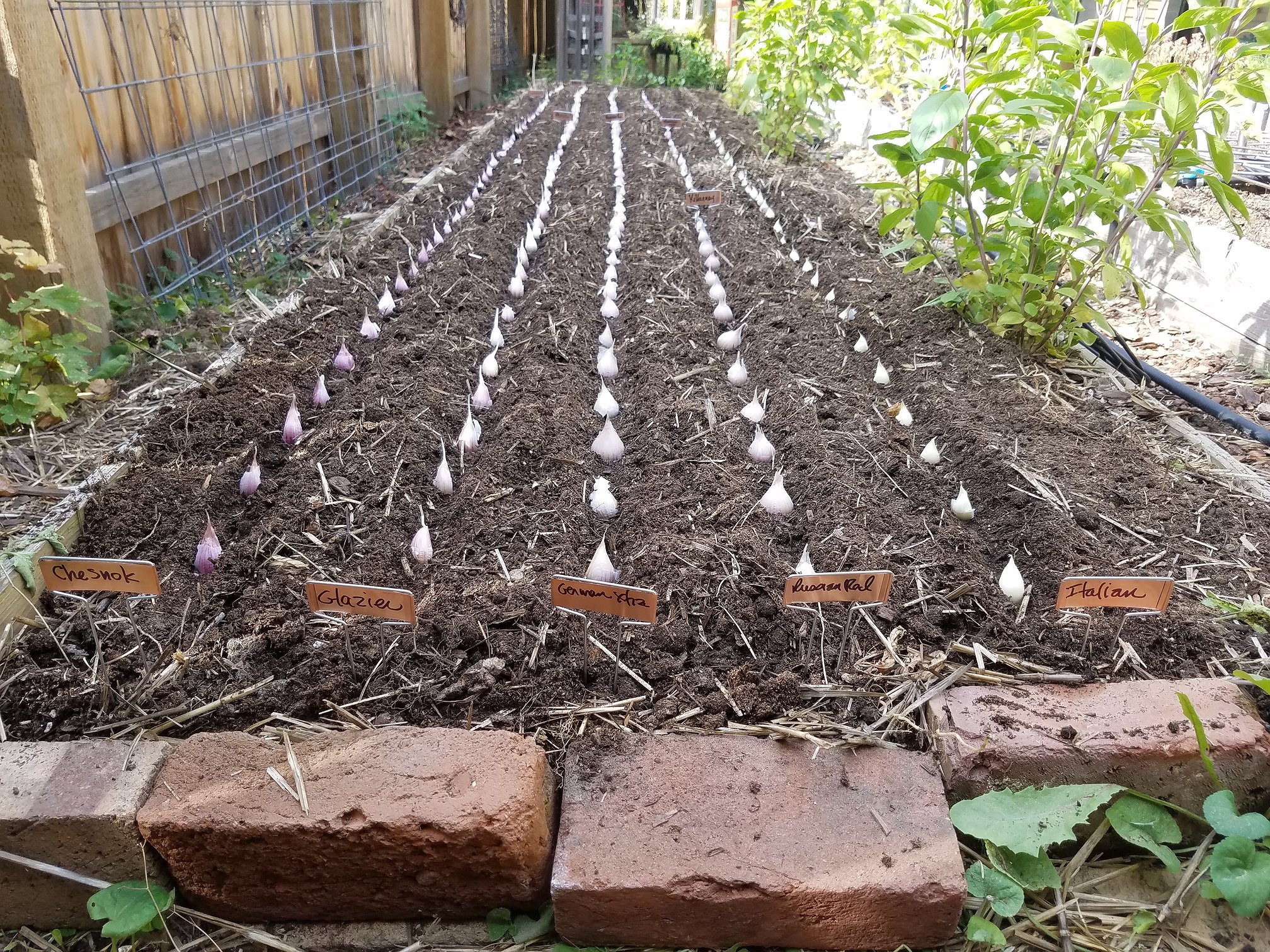 Hardneck garlic needs vernalization — or a period of cold — for proper bulb development. That’s why it is planted in the fall.
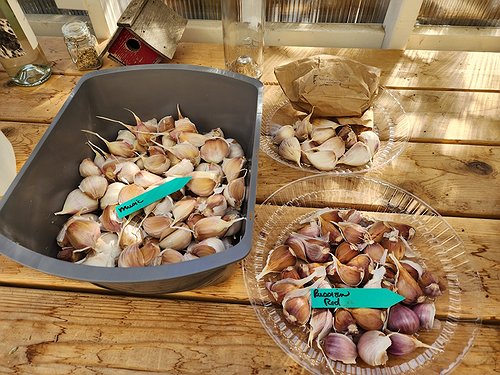 Garlic takes very little space in the garden, so you can experiment with growing several varieties.
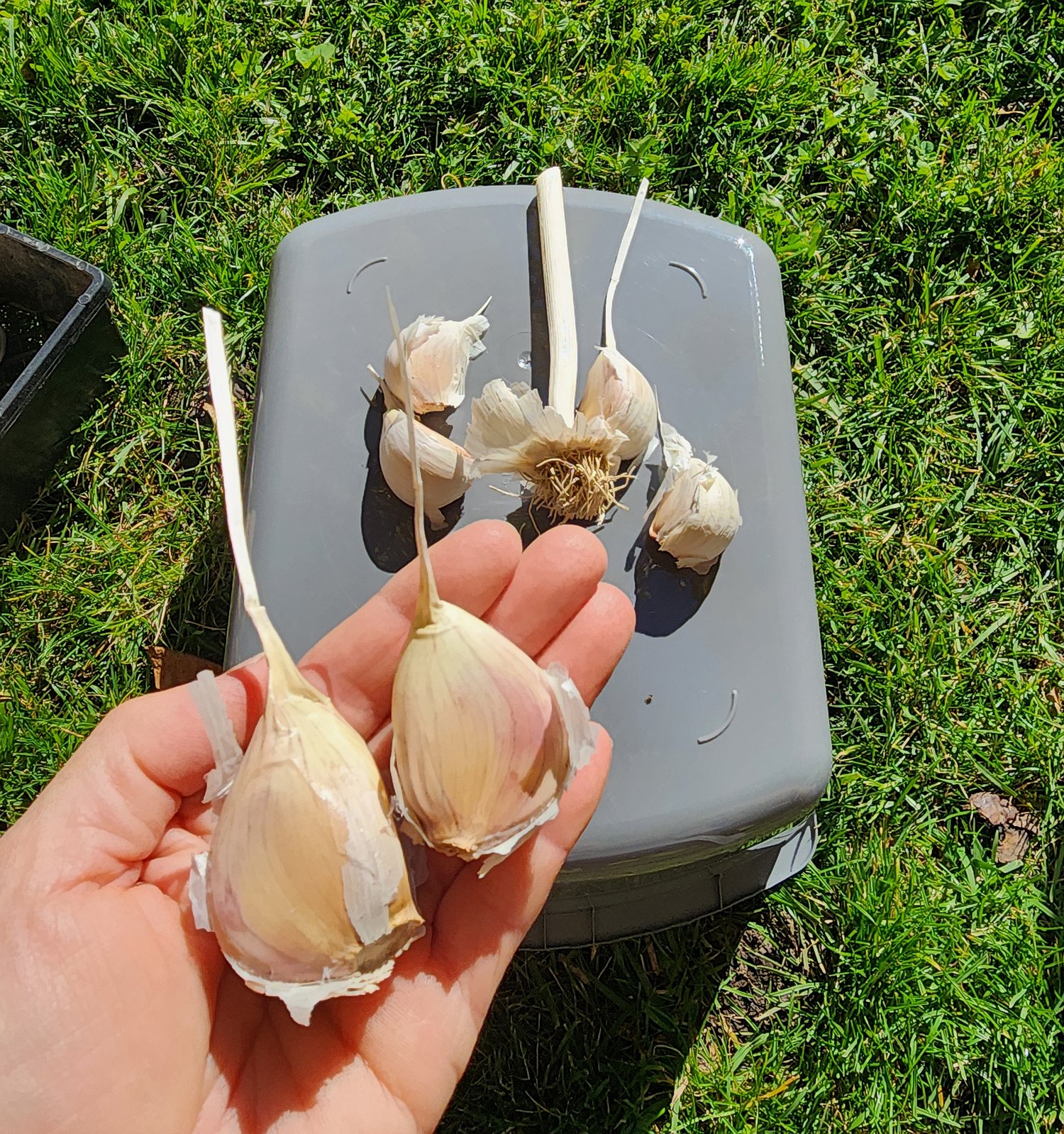 The hardneck cultivar, Music, produces large bulbs with only four or five cloves. It grows exceptionally well in our climate.
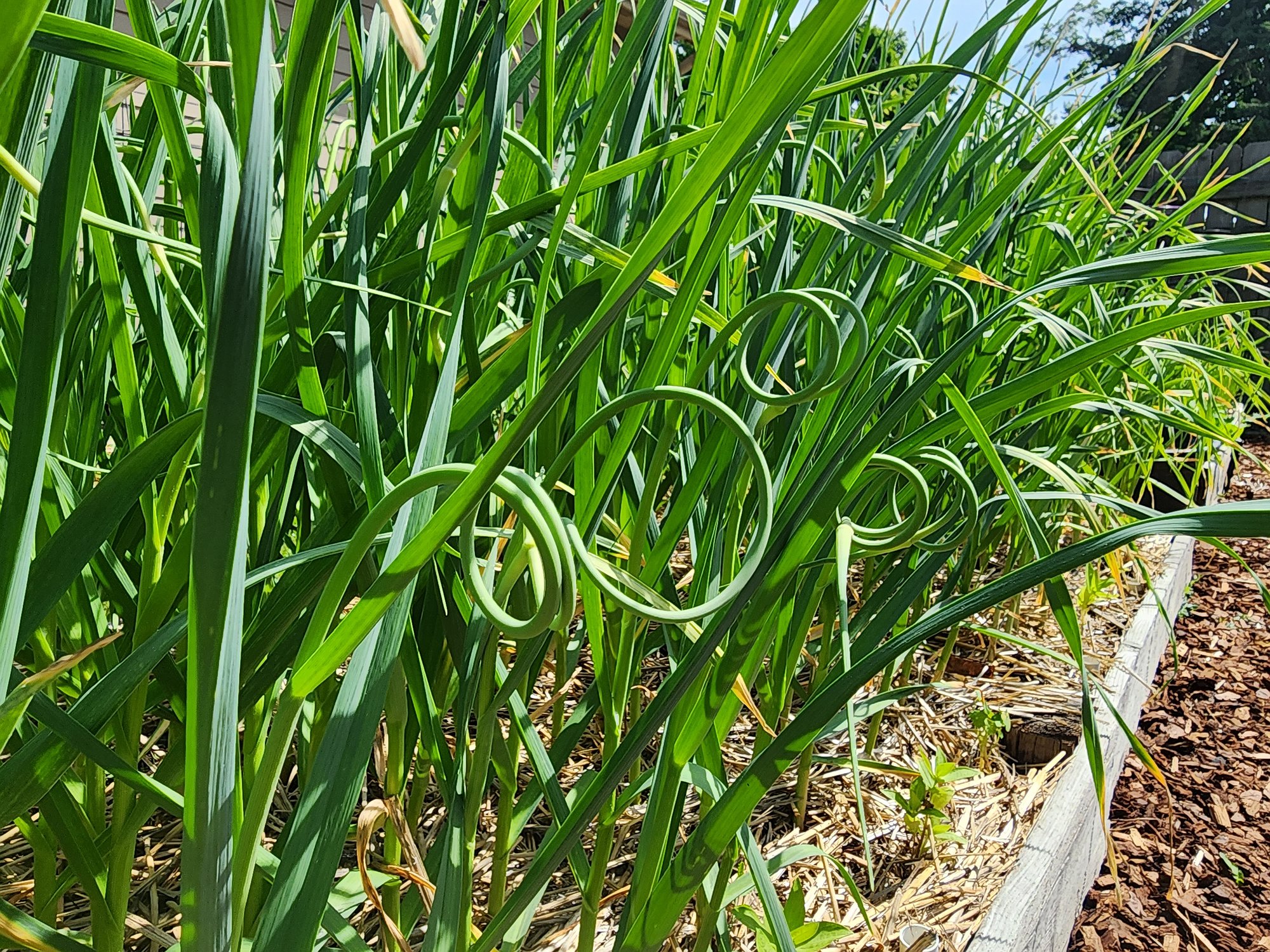 Garlic scapes are the flowing stalks of hardneck garlic and should be removed in late spring to divert plant energy into growing bigger bulbs.
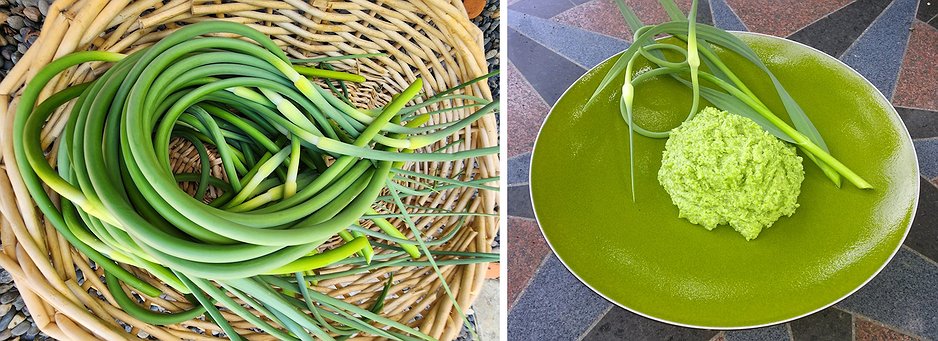 Curly garlic scapes are a culinary delight and are only available in late spring. One delicious way to use them is to make a garlic scape pesto.
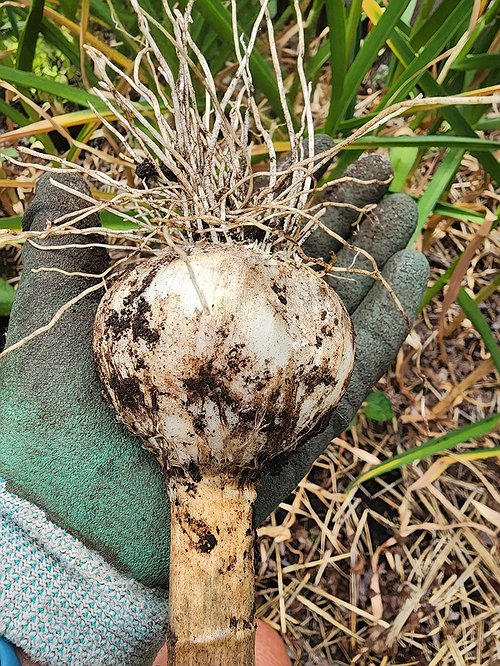 Once you taste fresh, homegrown garlic, you’ll never want store-bought again!
 Candace Godwin