
FAST FIVE Kelly Amos doesn't sugarcoat it
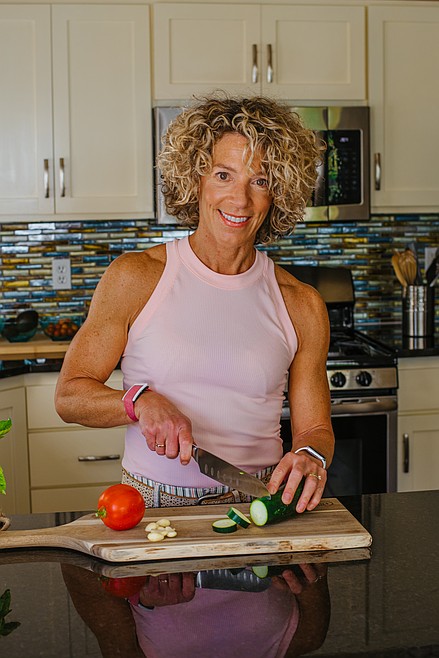
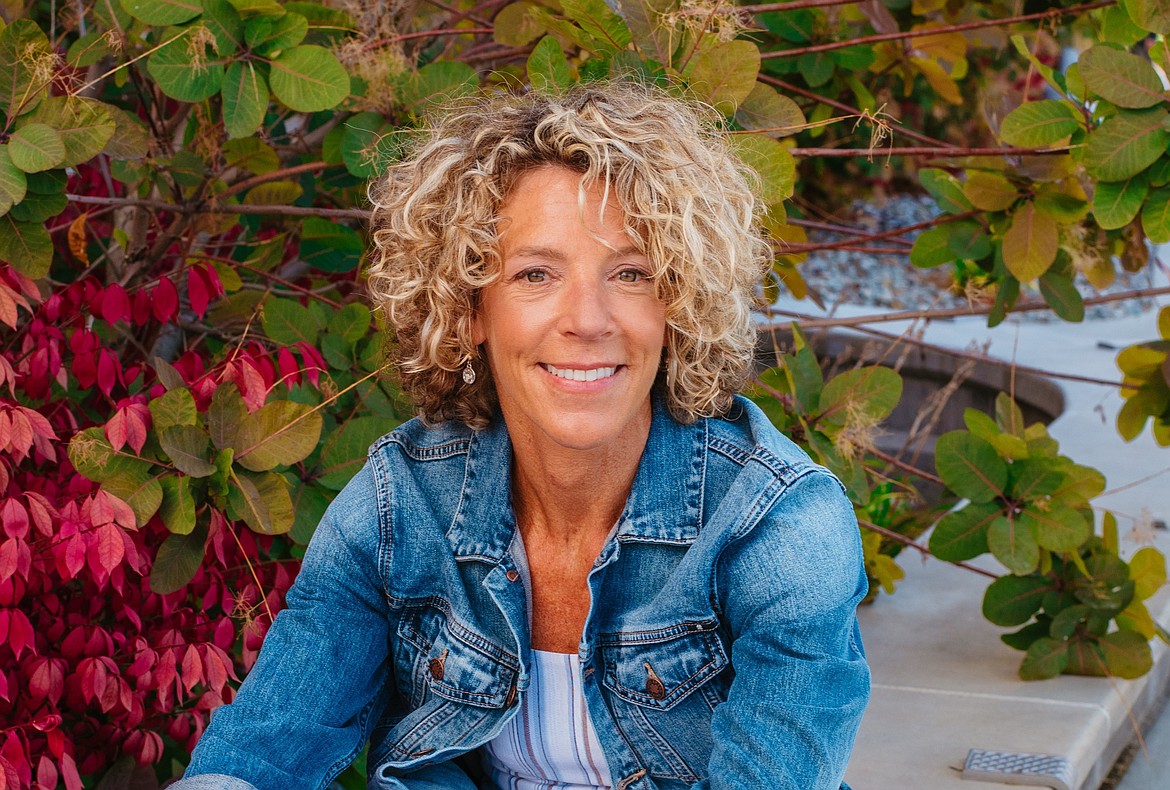
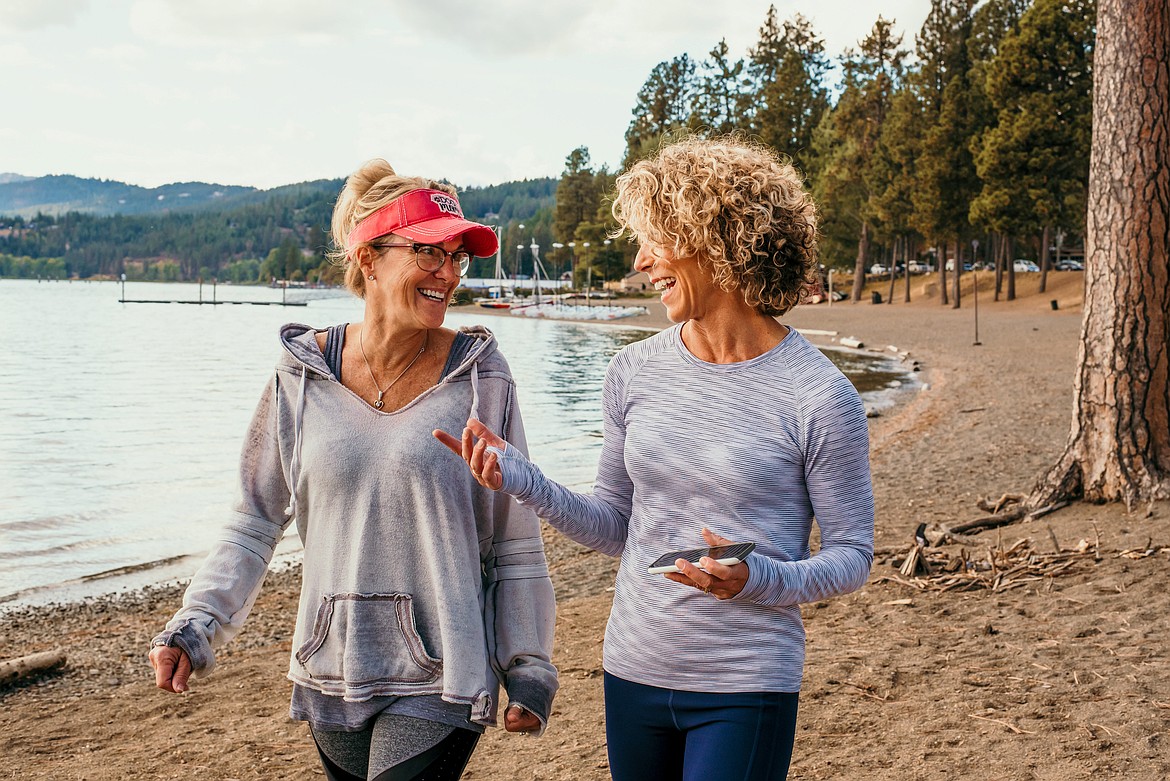
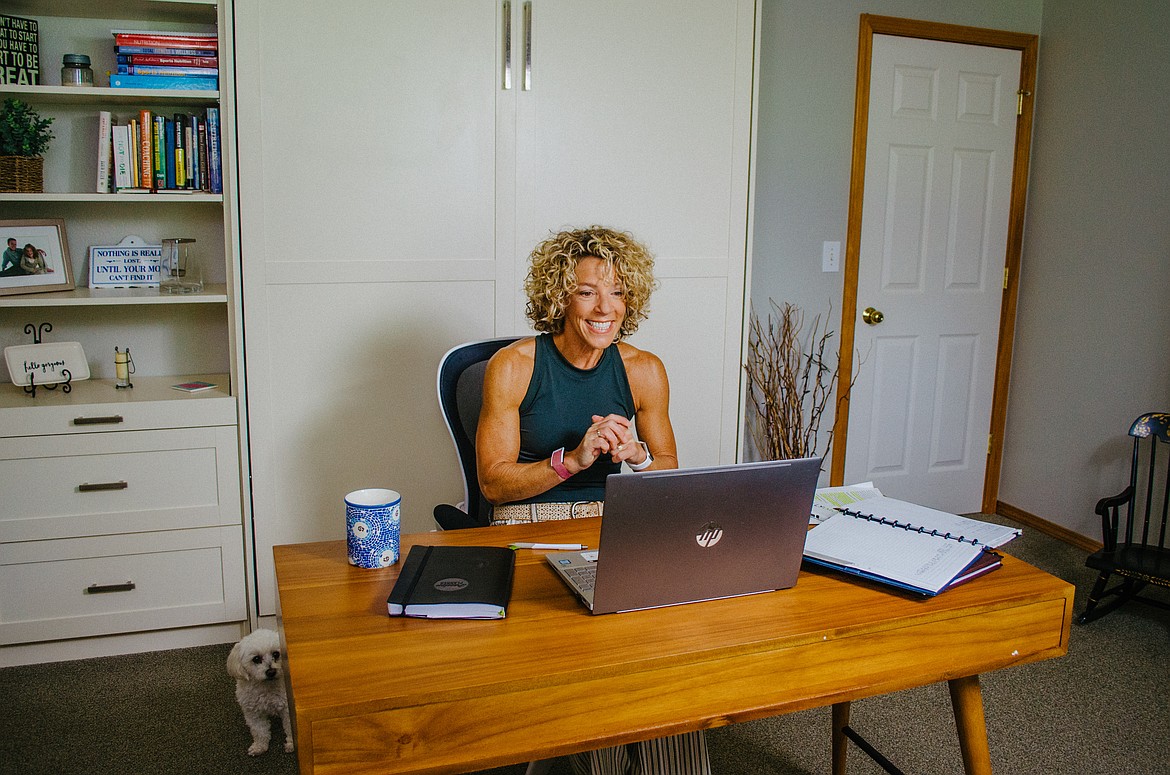
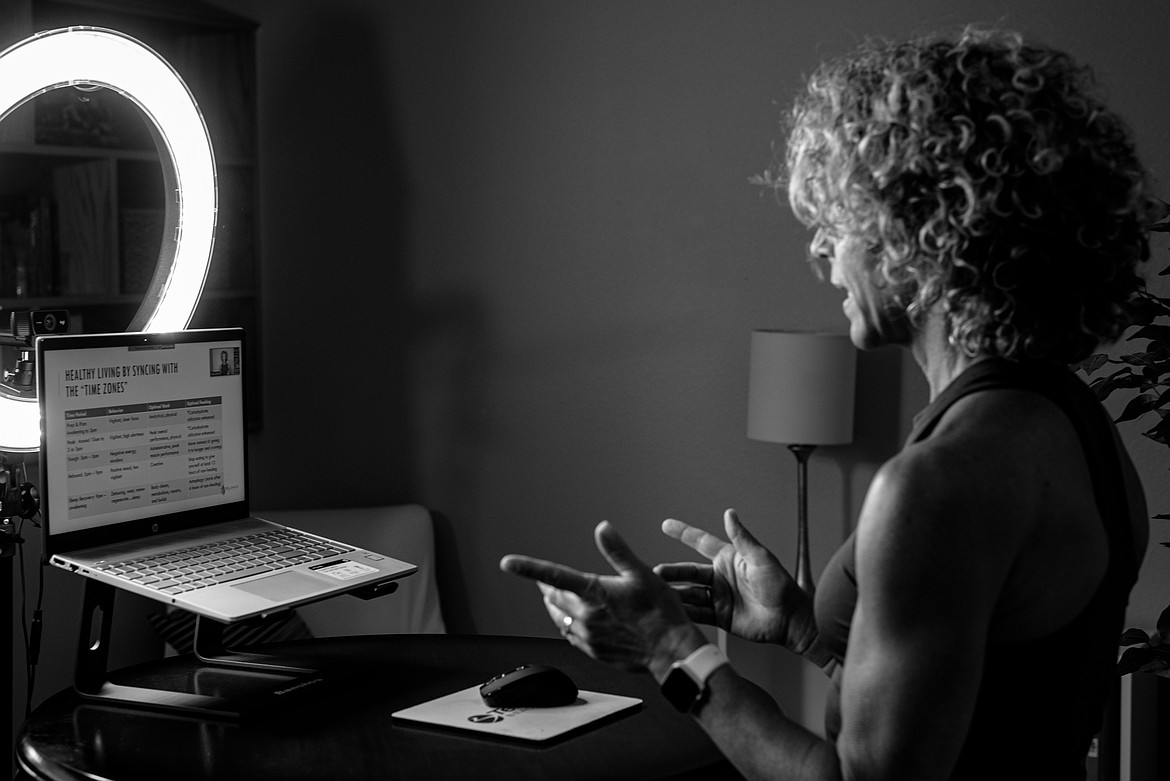
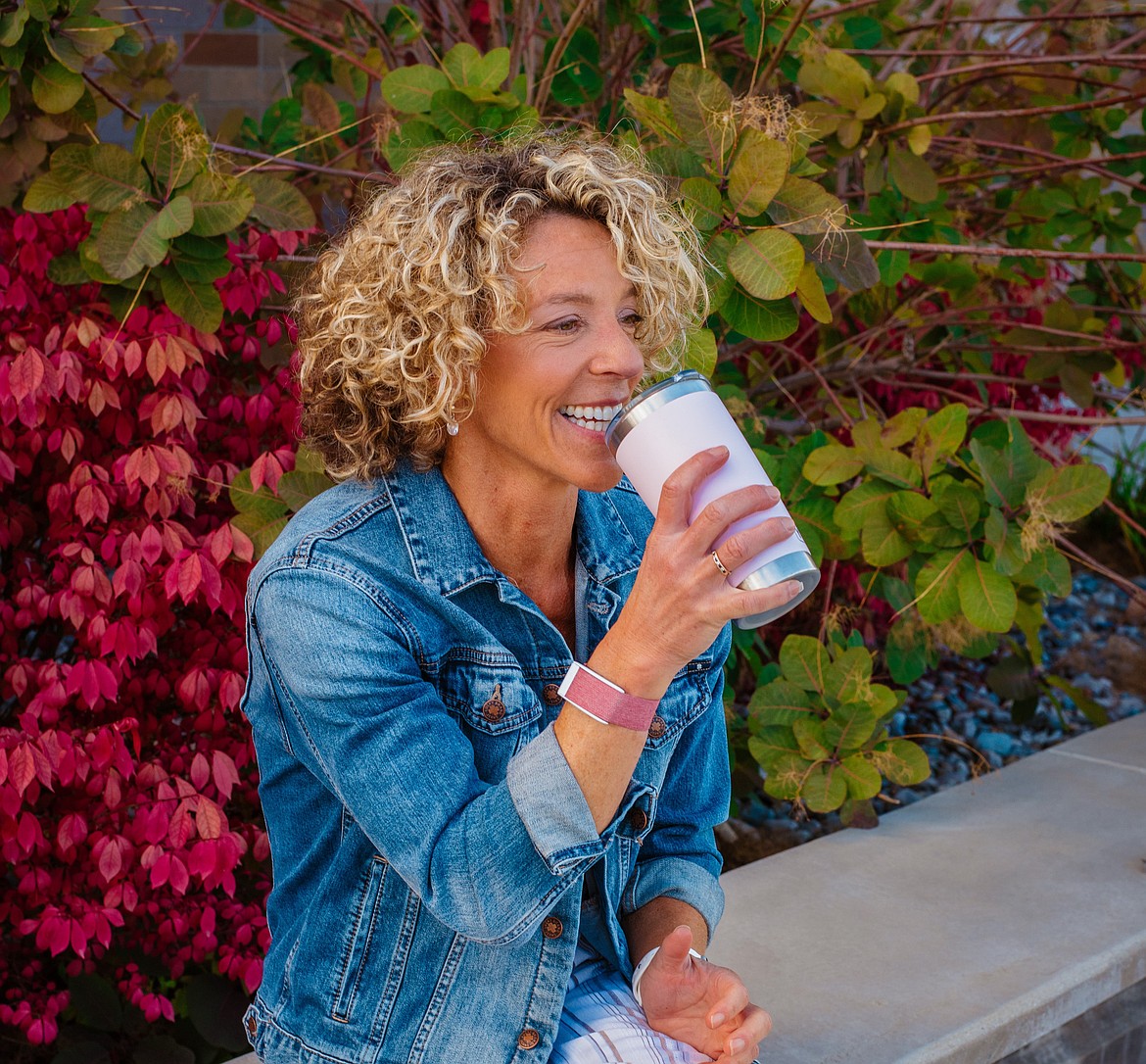
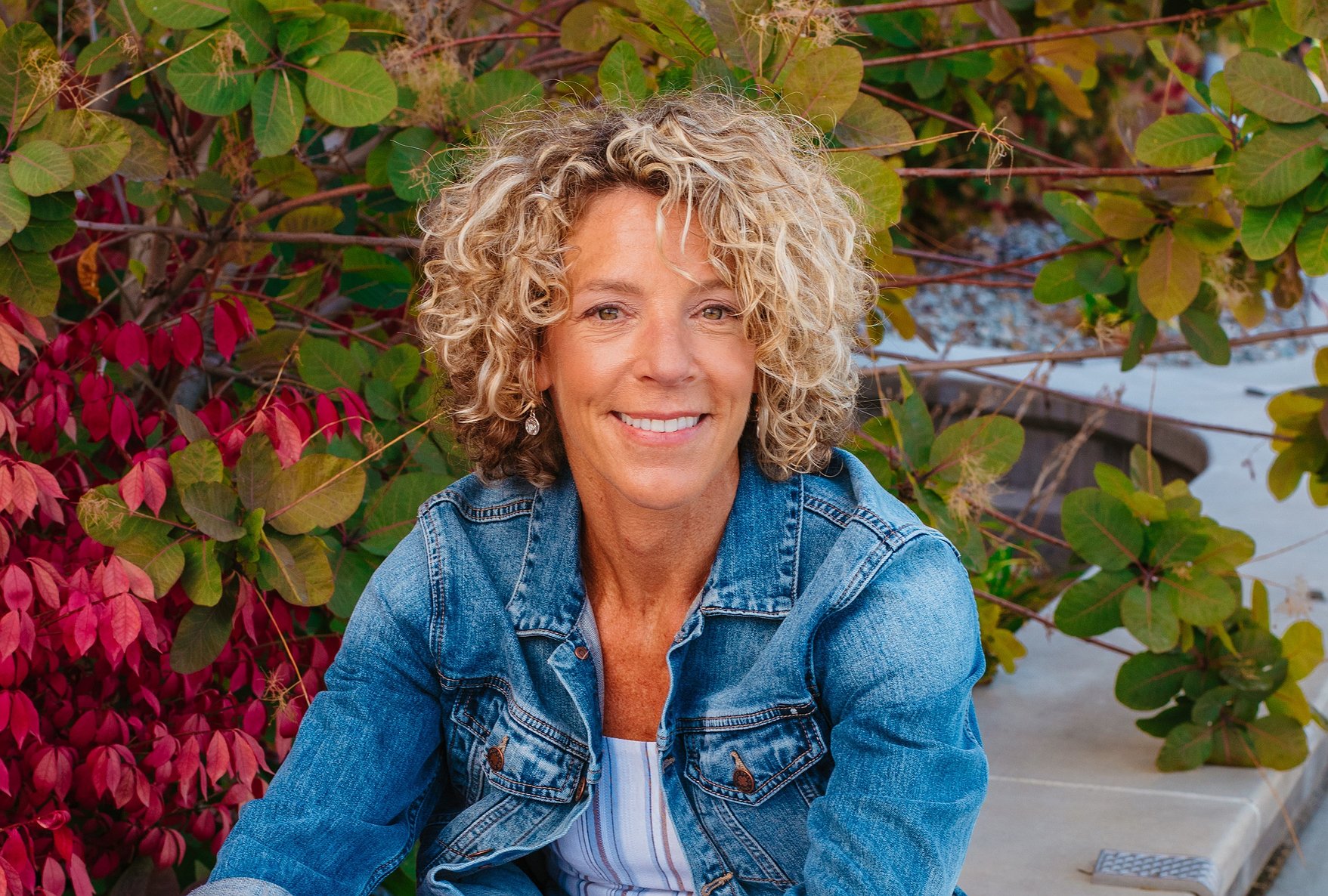
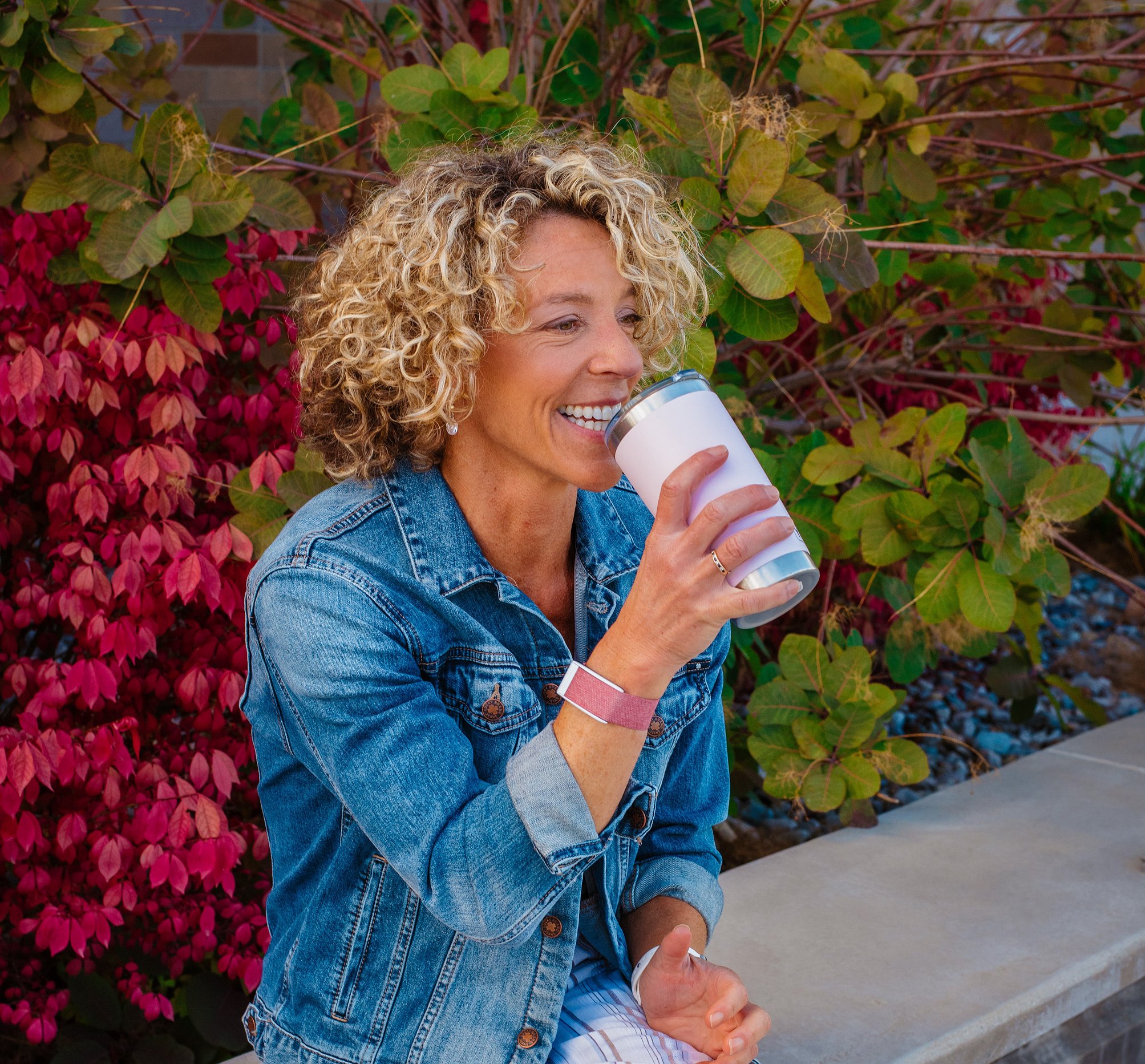
Meet Kelly Amos, a board-certified functional medicine health coach and functional nutrition counselor who helps people create personalized paths to well-being.
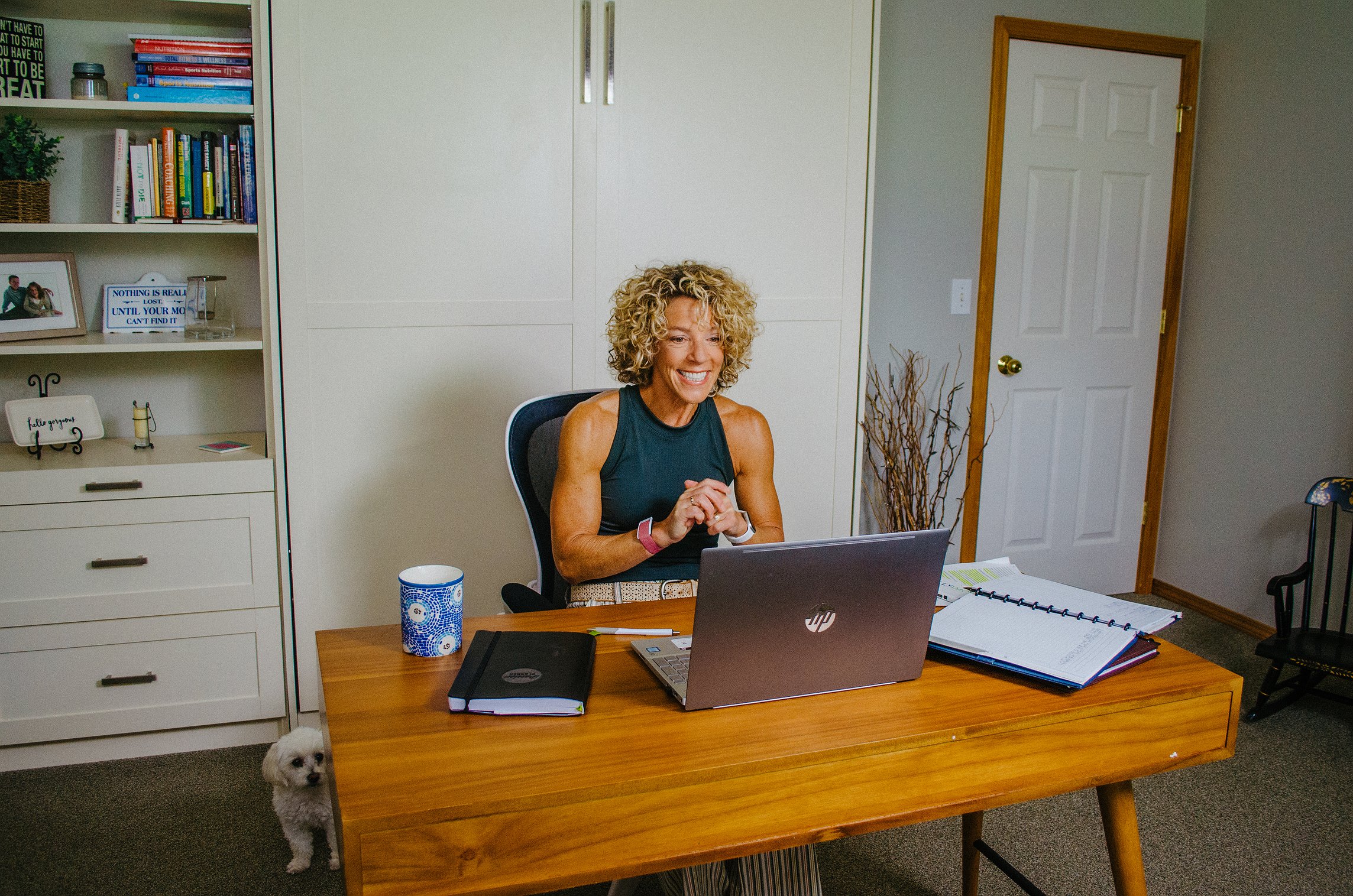
She works one-on-one with clients in Coeur d’Alene and virtually across the country while fostering community through her private wellness club, Life by Design.
Kelly supports a wide range of needs — from navigating menopause, metabolic dysfunction, osteoporosis or GLP-1 medications to preparing for bariatric surgery or managing different diagnoses. She works with individuals who want to feel their best. Many of her clients arrive feeling overwhelmed, whether by the complexity of a diagnosis, the lifestyle changes required for a medical decision or the flood of conflicting health advice. Together, they cut through the noise and co-create practical, functional strategies that fit real life.
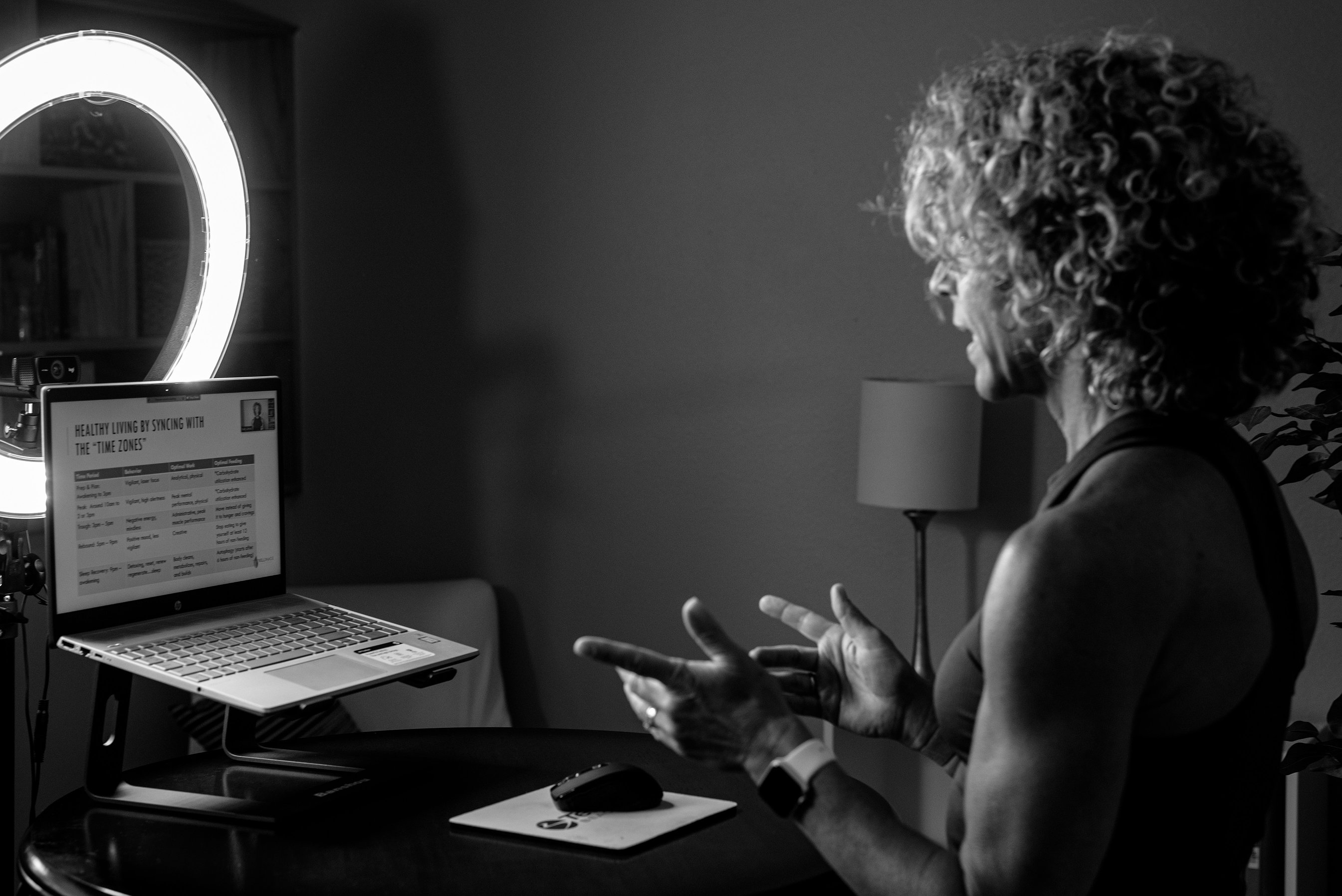
Drawing on 30-plus years in fitness, nutrition and education, Kelly translates the “language” of health into plans that build strength, resilience and vitality. Beyond coaching, she offers seminars, programs and courses for individuals, companies and community groups. She is a sought-after speaker, passionate about helping people feel their best through every stage of life.
1) What is “No Sugar Coating with Kelly?”
“No Sugar Coating with Kelly” really matches who I am, personally and professionally. I believe it’s better to be honest and open so we can get right to what matters. My clients know I’m an open book. I encourage them to be the same, because that’s when the real work and transformation can happen.
The name also reflects my approach to health. Just like we don’t need to add unnecessary ingredients to our food, we don’t need to add extra layers of confusion or “quick fixes” to our wellness journey. The name of my private group is Life by Design because I look at health through a functional, individual lens, helping people create routines that work for them. I also share this approach through seminars, courses and programs for individuals and groups.
2) How did you get into the world of health and fitness?
I grew up wanting to be a P.E. teacher. When I went to the University of Idaho, my grandfather — who was the retired president of financial aid — set up a meeting for me to talk with the head of the health, physical education, recreation and dance department. That’s where I first discovered recreation management, which felt like the perfect fit and became the focus of my bachelor’s and master’s degrees.
My senior year I was asked to teach a low-impact aerobics class. That experience lit my fire for group fitness. I wanted to pursue a master’s in exercise physiology, but the prerequisites would have taken years I didn’t have time or money for. Thankfully, the division head and my adviser helped me put together a recreation management master’s with an emphasis in corporate wellness.
There weren’t many corporations hiring wellness roles then, so I went to work for a health club as a personal trainer. Soon I was managing one of the clubs, even more entrenched in group fitness. I never looked back.
Exercise became a consistent part of my life. My childhood had a lot of dysfunction; I carried abandonment issues that came out as anger. Exercise gave me a positive release from that negative energy. The real impact was psychological. It was what helped me process, heal and grow.
Mentors, bosses, role models and my grandparents encouraged me to step into roles I didn’t feel ready for, but every time it put me on a path that fed my soul. Those roles always involved educating, inspiring and supporting others. While I’ve received recognition and awards along the way, what really mattered was the impact on the people I was serving.
3) What are a few of your mantras/routines and what keeps you going each day?
“There is a difference between interest and commitment. When you're interested in something, you do it only when it's convenient. When you're committed to something, you accept no excuses, only results.” — Ken Blanchard. Also: After observing O Sensei, the founder of Aikido, sparring with an accomplished fighter, a young student said to the master, "You never lose your balance. What is your secret?" "You are wrong," O Sensei replied. "I am constantly losing my balance. My skill lies in my ability to regain it." These capture the importance of consistency and commitment and the reality that health and life are about constantly adjusting and regaining balance.
In my life, I focus on "anchor behaviors," along with rules and boundaries (my kids roll their eyes at that part!). These keep me connected to my character, values and the kind of life I want to live. I’ve also learned to stay flexible, to notice when something isn’t serving me well and pivot. I like structure and routine, but I also appreciate that growth means allowing space for change. That balance is what keeps me grounded and moving forward each day.
4) What is something people would be surprised to know about you?
I live with several significant injuries: A full hip labrum tear, severe spinal stenosis, a protruding L5, left sacral dysfunction and two hernias. Some of these stem from my past, when I didn’t listen to my body and pushed too hard as an exercise addict. Those choices caught up with me. Learning to navigate them has been a humbling process.
I still do most of the things I want to do. I’ve just had to learn how to modify, listen closely to my body and rely on an incredible team that includes my physical therapist, chiropractor, massage therapist and the recovery specialists at BioPerformance Institute. They’ve carried me through the hard moments.
5) What advice or guidance can you share for those who wish to live healthier and happier lives but maybe don't know where to start?
Don’t try to do everything at once. Most people feel stuck because they’re overwhelmed. Health doesn’t begin with a huge overhaul; it starts with small, consistent steps.
If you want to drink more water, start with one more glass than you’re drinking right now. Do that for a week. Decide when you’ll drink it, maybe it’s first thing when you wake up in the morning, keeping the glass right by your bed so you see it — and have a way to celebrate when you follow through. It sounds silly but even saying “Yes!” or “Nailed it!” out loud and throwing in your best Napoleon Dynamite move works.
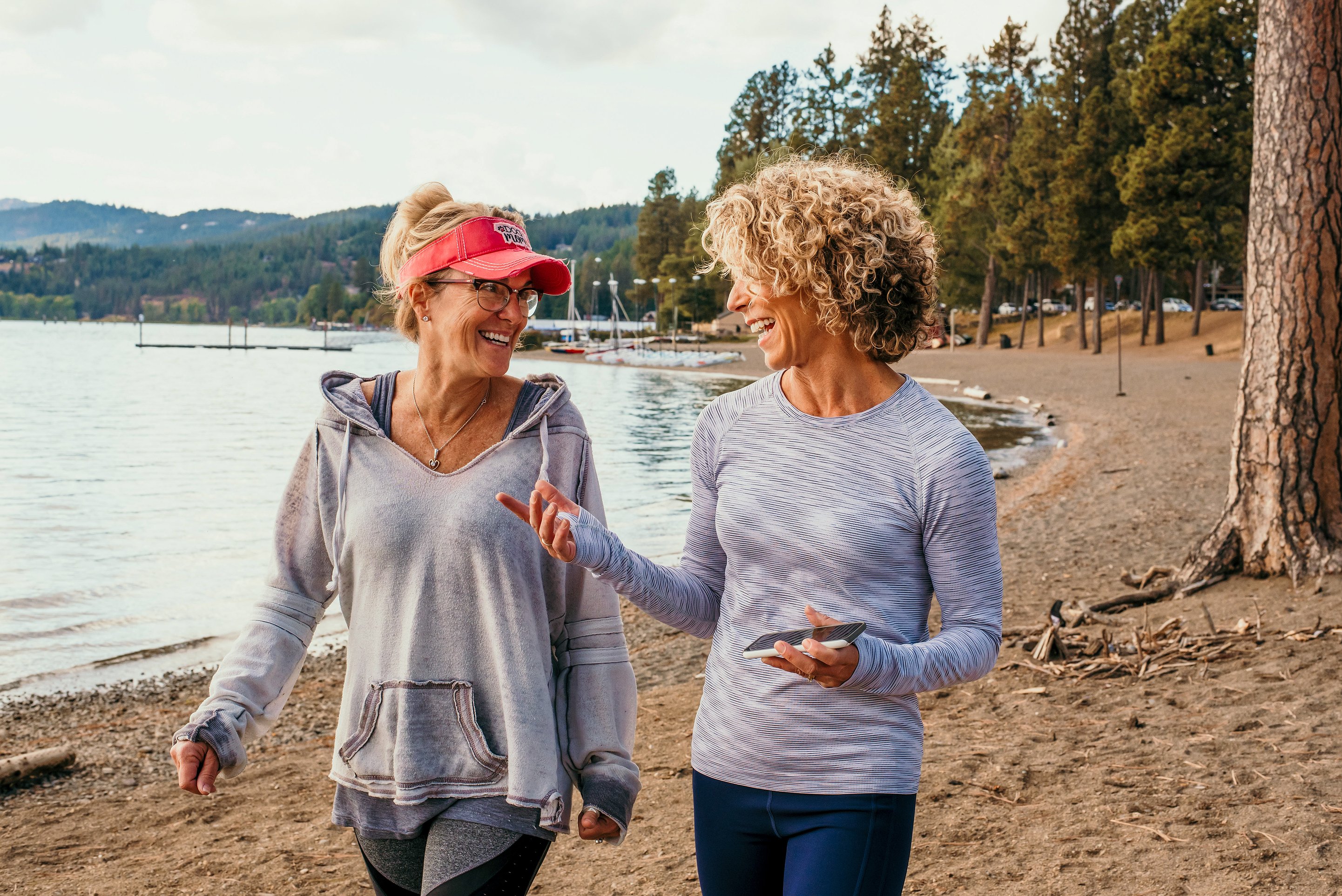
Maybe it’s movement. Instead of saying, “I’m going to work out every day,” start with 10 minutes of walking after dinner (great way to manage blood sugar, too, so win-win), or two sets of squats while your coffee is brewing. Anchor it to something you already do, then build from there. Small shifts add up. Consistency matters more than perfection.
Pay attention to what feels right for you. Don’t be afraid to ask for support. Sometimes you just need someone to help you sort through the noise, see your blind spots and create a plan that actually fits your life. That’s where coaching can be so powerful.