
Wednesday, September 30, 2026
55.0°F

Cellphone ban to lift at lunch for high schoolers in Coeur d'Alene
by DEVIN WEEKS
Staff Writer | August 22, 2025 1:09 AM

COEUR d'ALENE — The cellphone ban will be lifted at lunchtime for high schoolers in the Coeur d'Alene School District when school resumes Sept. 2.

A student-led effort to allow ninth-through-12th graders use of personal electronic devices during lunchtime — at principals' discretion — was successful thanks to collaboration between the Student Advisory Group and district administrators and with approval from trustees of the Coeur d'Alene School Board. 

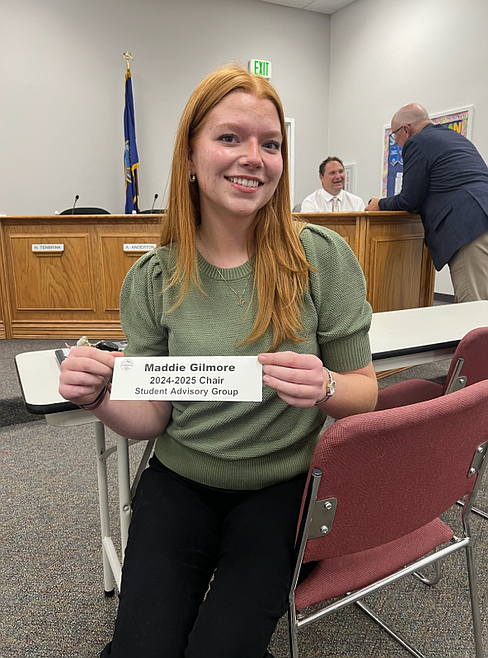
"It's been a long time coming," incoming Lake City High senior and SAG Chair Maddie Gilmore said Aug. 13.

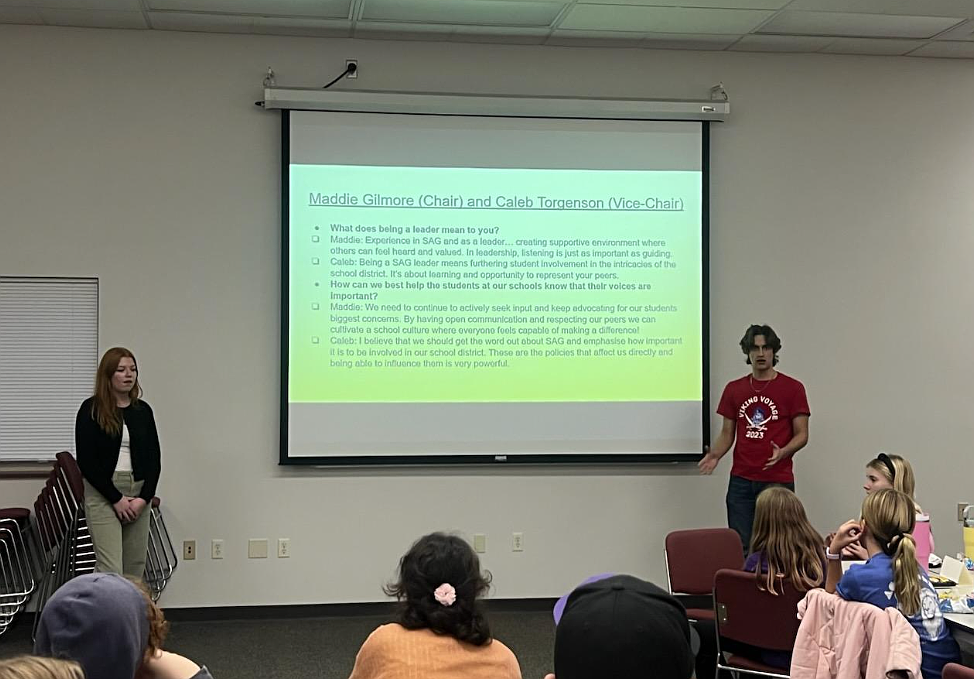
Maddie and incoming Coeur d'Alene High senior and SAG Vice Chair Caleb Torgenson shared proposed procedure changes to Policy 3265P at the Aug. 11 school board meeting during a joint presentation with Executive Director of Secondary Education Trent Derrick, with whom the students had been working on this procedure update for several months.

The district's personal electronic devices policy was revisited in November and revised three times in the 2024-25 school year as the "Phone Free Learning Act" was signed by Idaho Gov. Brad Little, encouraging all school districts and public charter schools to develop and implement district-wide policies to manage cellphones in the classroom. The act aims to create optimal school environments while reducing negative effects of social media and lessening the distractions posed by electronics, among other things.

Coeur d'Alene's policy fully restricted devices during the school day, including passing periods and lunch, for all students K-12. The policy ignited a Coeur d'Alene High student to create an online petition opposing the ban, which hundreds signed, and soon became a project of SAG. Maddie first proposed procedure changes to the board in April.

"Most of the frustration stemmed from students not being able to use their phones at lunch, so we decided do make that our main focus," she said.

The recent SAG presentation included an approach and campaign strategy and used the phrase "real breaks, real boundaries" to communicate why this procedure change matters: It supports mental health by allowing connection and personal downtime; reduces covert phone use during class by offering an appropriate outlet; and encourages a culture of trust and mutual respect between students and staff. 

“We believe that if students have an opportunity to check their phone during lunch to have their own personal time with it, they’ll be more willing to comply with the ban during the rest of the school day," Caleb said. "They’ll have a better attitude about it, it will feel more fair."

Maddie also highlighted safety concerns. Coeur d'Alene and Lake City have open campuses, so students are free to leave at lunch. She said toward the end of the recent school year, only a quarter of the cafeteria was occupied at lunch.

"Students weren't using hot lunch as much. The high schools have DECA stores — sales decreased," she said. "More students were being late to class because of going off campus to lunch ... It’s a safety risk. As soon as students leave campus, there’s a multitude of factors. We want to keep them on campus so they can be accounted for."

Digital expectations were part of the conversation, as well.

"In the real world, as we transition into young adults and we figure out what careers we’re going to have, most jobs allow you to take a break and you are able to spend it how you want," she said.

As schools prepare students for careers, she said it makes sense that high schoolers could use that 30-minute non-instructional break how they want.

"A lot of students have jobs," she said. "They have to figure out how they’re getting home that day. They need to spend that time how they want to — it's their 30 minutes."

She said even though this procedure update is a small change, it reflects a larger message about hearing from those who are most affected.

"Student voice has a place in schools," Maddie said.

To support effective implementation, associated student body and SAG students will work with building administration to uphold the procedure and serve as phone-free role models for their peers. Feedback will be frequent. 

"It's an example that the process works," Derrick said. "We have SAG for a reason; the purpose of SAG is to achieve and receive student voice. This is what happened. We implemented a change in our procedure. We talked to SAG about that. They were great, they said, 'OK, we understand.' They knew it wasn't implemented to try to make our students' lives miserable."

    Gilmore