

HUCKLEBERRIES: Pappy's place
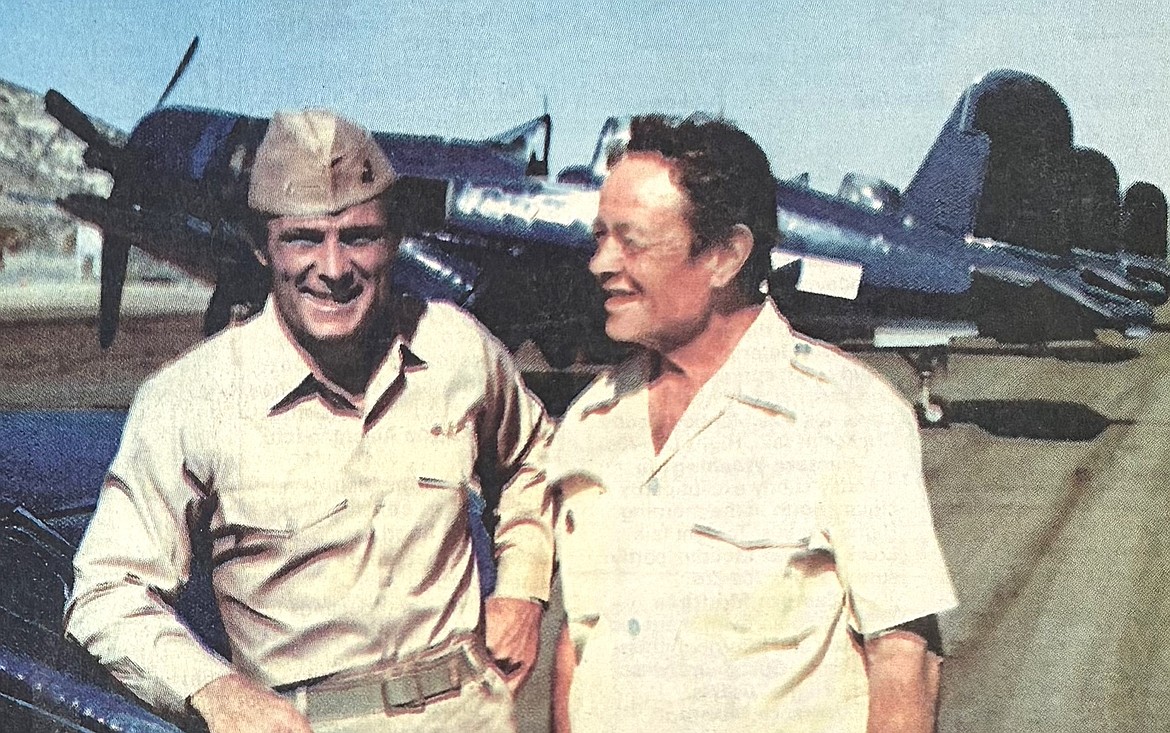
Pappy Boyington, right, meets with actor Robert Conrad on the set of the TV series, “Baa Baa Black Sheep,” in the mid-1970s.
Courtesy photo
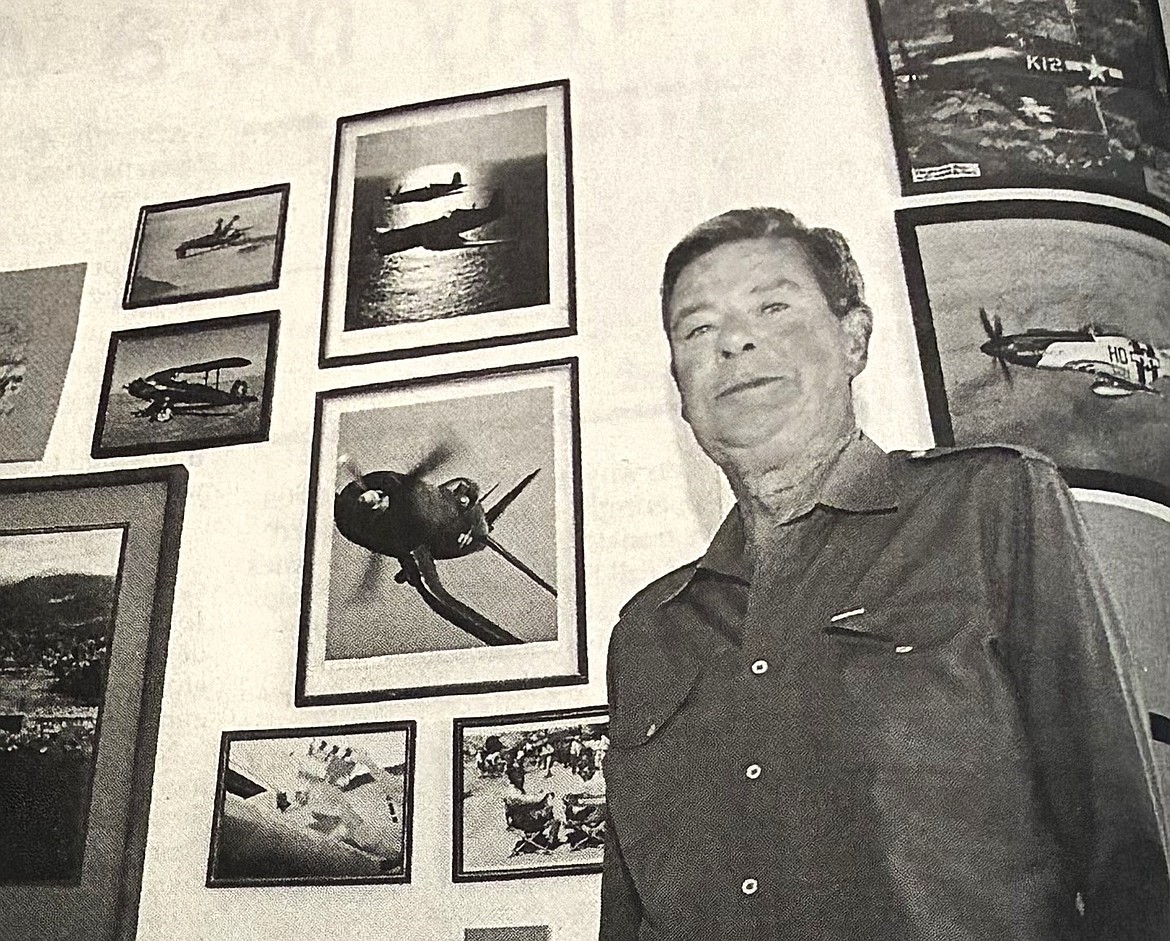
John Schafhausen of Hayden recalls his days as a World War II Navy pilot and flying Corsairs for the TV series “Baa Baa Black Sheep" in 1995.
Photo courtesy of the Coeur d'Alene Press archives
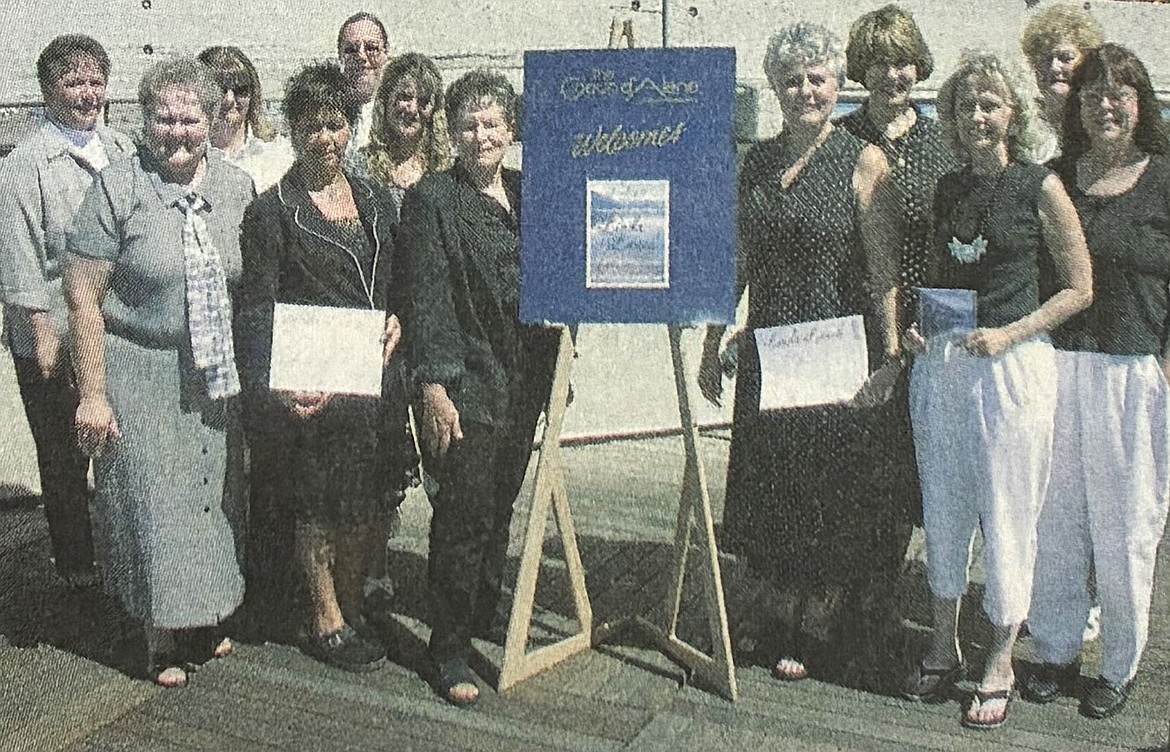
A “Linda Lunch” at Dockside in 2005 attracted the following Lindas, from left, Stolley, Harms, Mitcham, Salamina, Godin, Weisbaum, Whitehead, Ferguson, Coppom, Shane, Boyd and Sanders.
Photo courtesy of the Coeur d'Alene Press archives
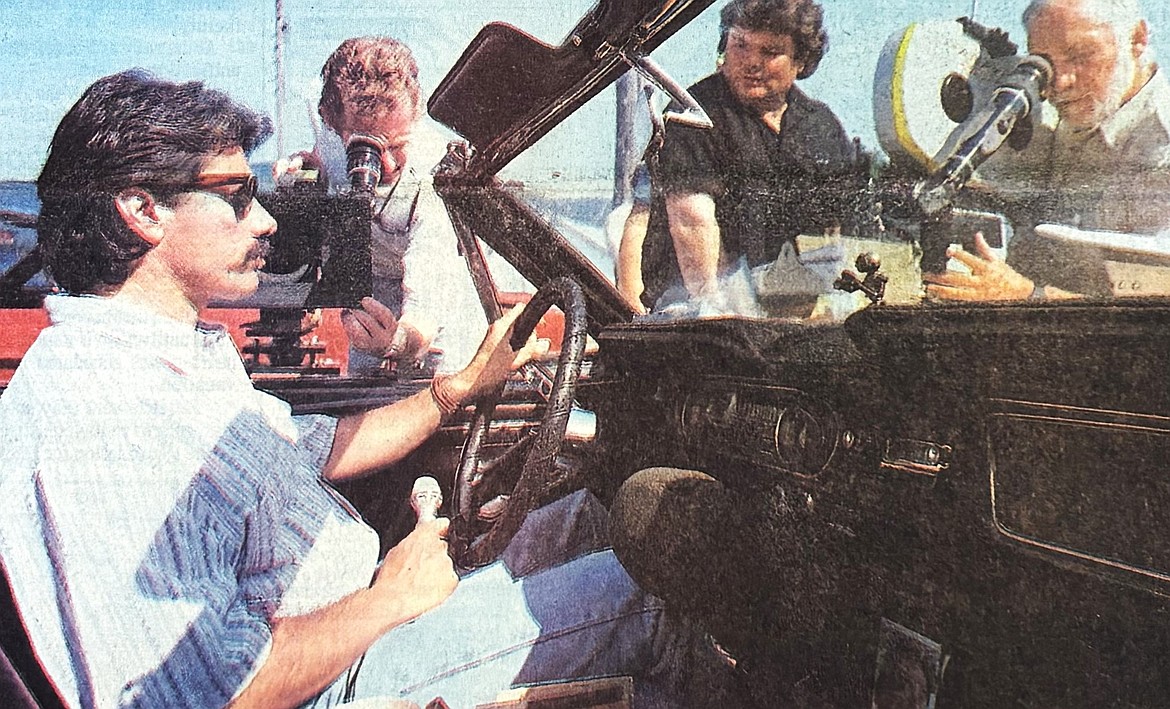
Actor Edward James Olmos awaits direction during a scene for “Talent for the Game” that was shot near Fighting Creek in 1990.
Photo courtesy of the Coeur d'Alene Press archives
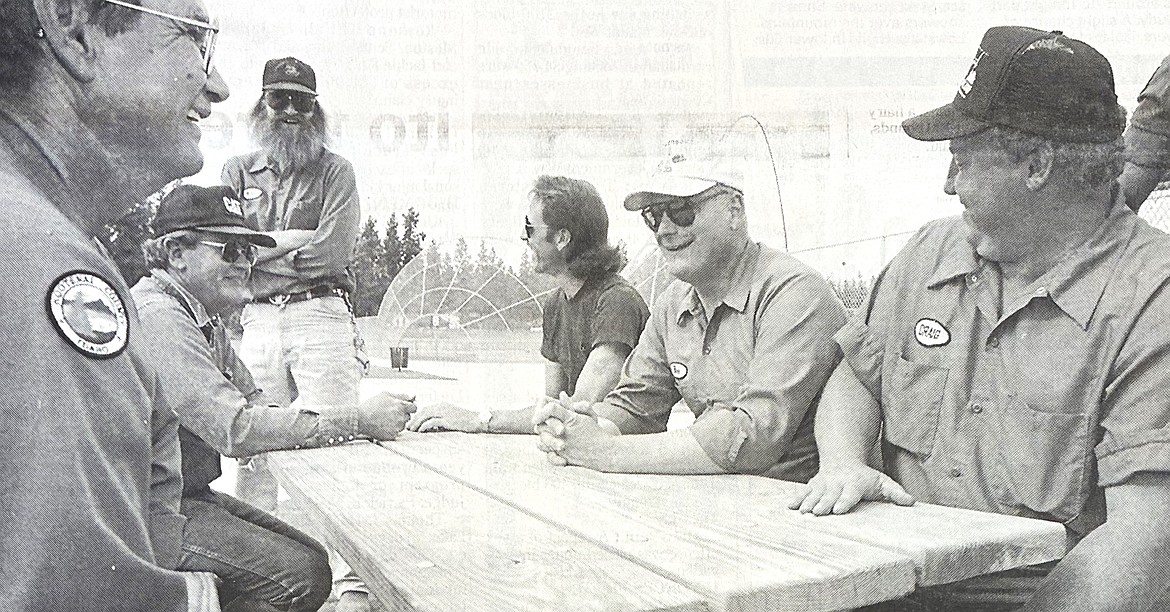
Solid Waste Department employees attend the Ramsey Park dedication in 1995. Among them are Dennis Knudsen, left, Craig Ross, second from right, and Bob Meyers, right.
Photo courtesy of the Coeur d'Alene Press archives
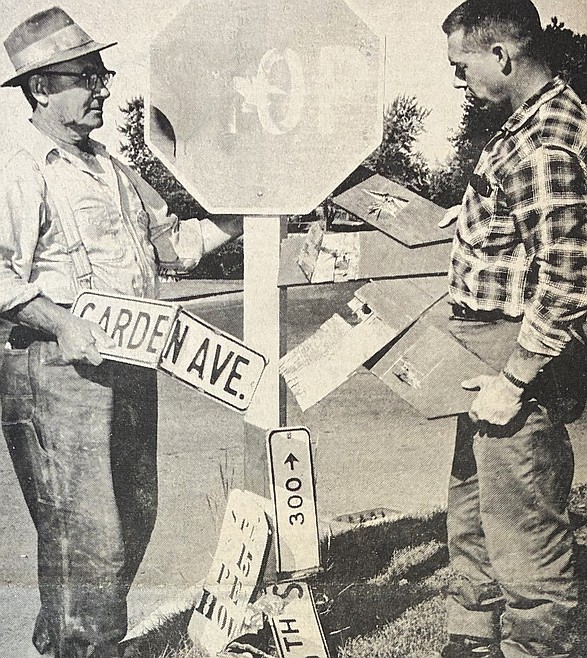
Superintendent Reed Walker of the city streets department and sign maker Carl Erickson survey vandalism at 11th and Garden in 1965.
Photo courtesy of the Coeur d'Alene Press archives
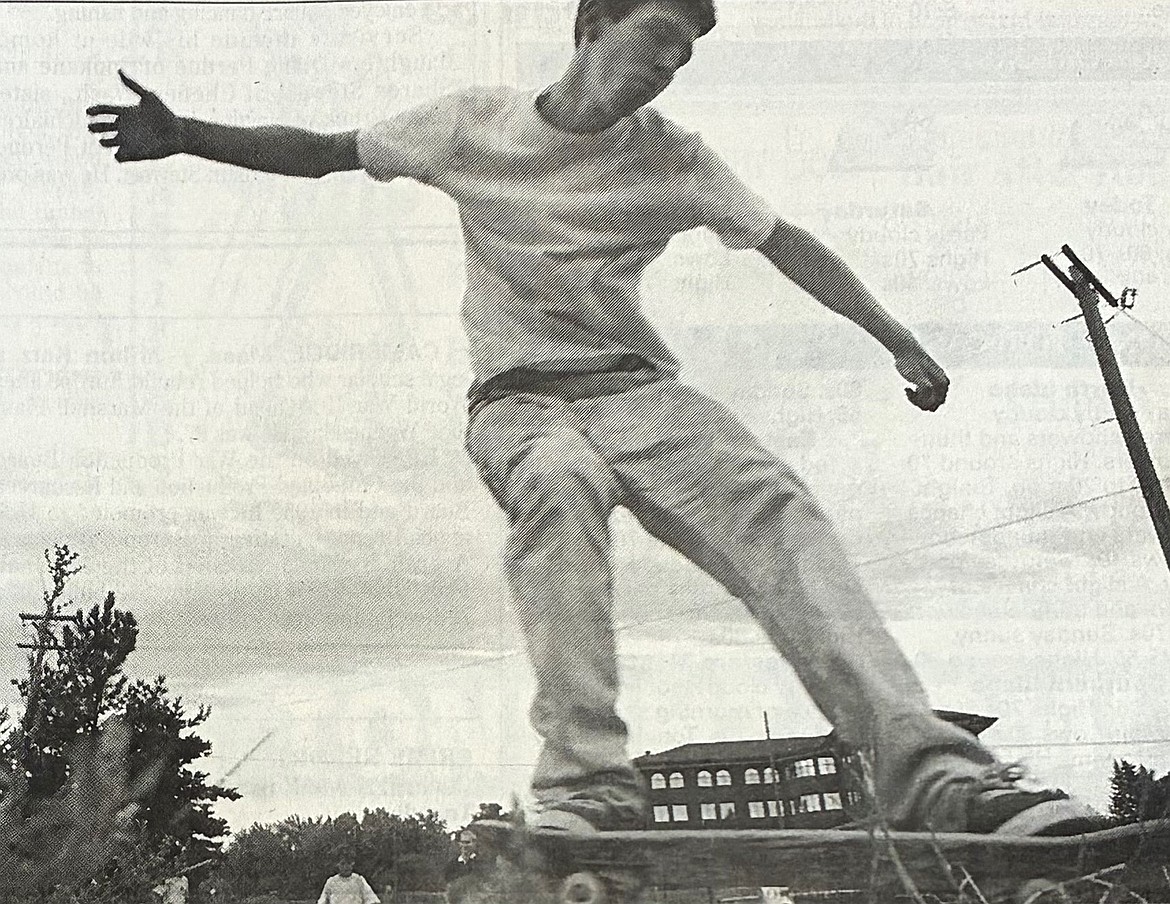
Skater Will Nesse enjoys riding his board at the new skate park near Memorial Field in 1995.
Photo courtesy of the Coeur d'Alene Press archives
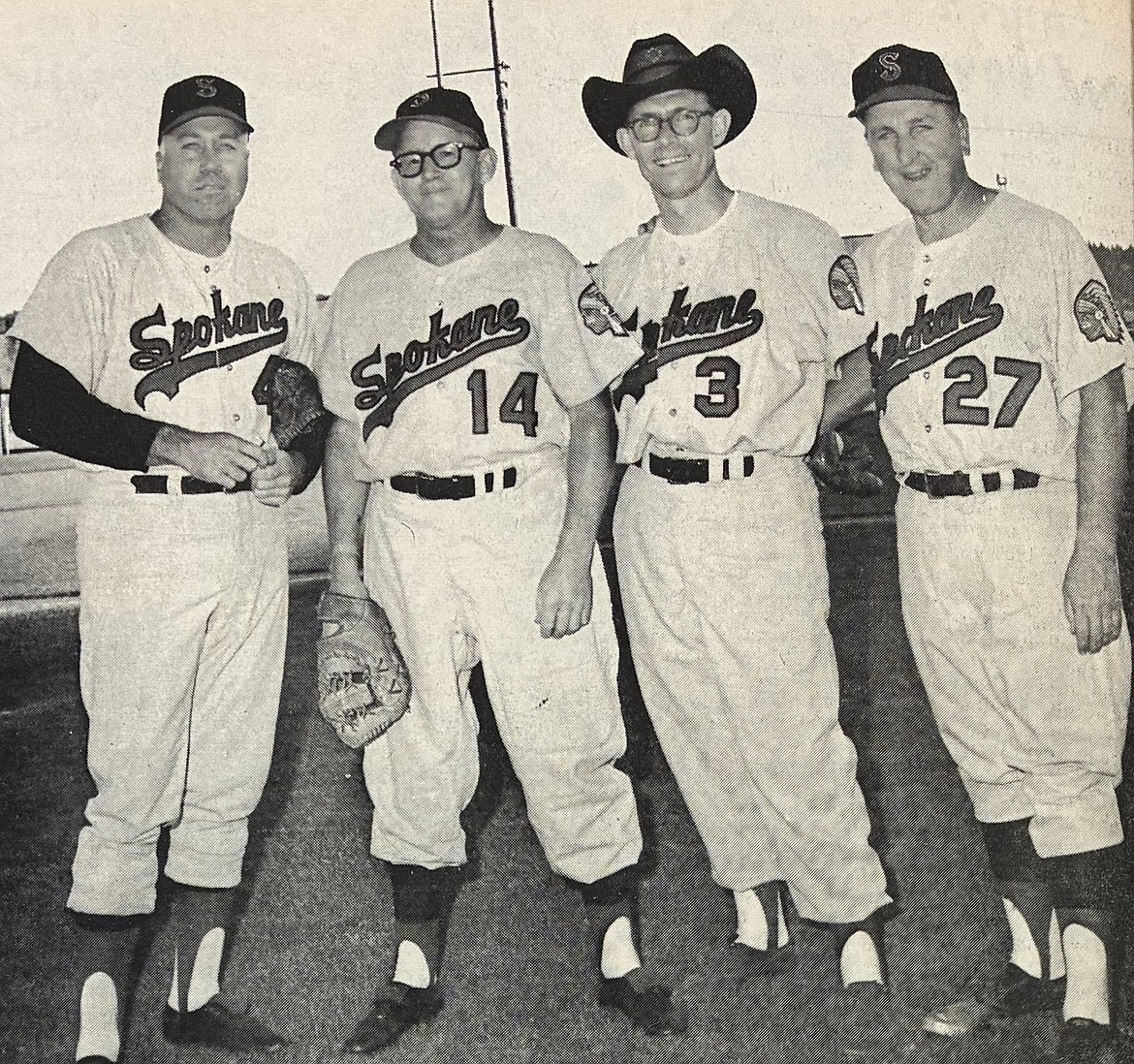
Future KVNI broadcaster Bob Hough, second from right, and sports editor Bob Maker of The Press, right, play in a Spokane celebrity game in 1965. Baseball hall of famer Duke Snider, left, hit two home runs to win the game for the celebs, 7-6.
Photo courtesy of the Coeur d'Alene Press archives
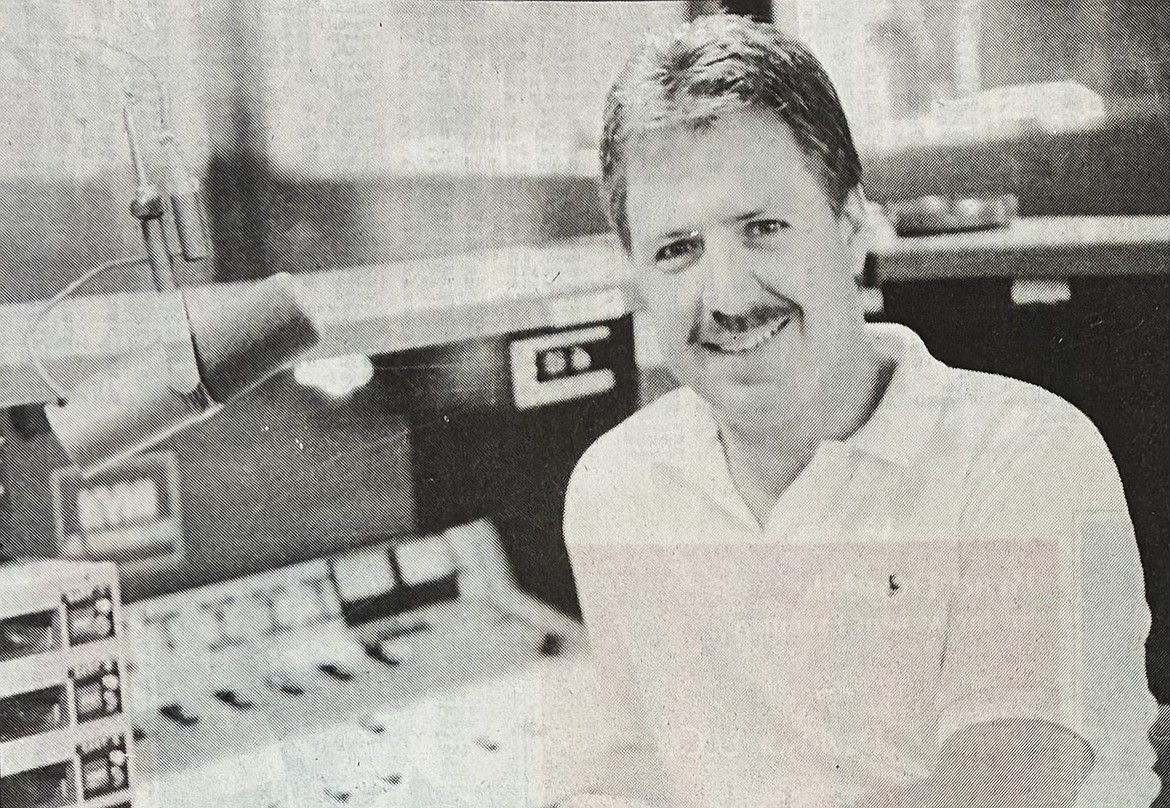
Dick Haugen replaced retiring Bob Hough as KVNI’s “Voice of North Idaho" in 1990.
Photo courtesy of the Coeur d'Alene Press archives
Gregory “Pappy” Boyington was a hero who debunked heroes.
“Just name a hero, and I’ll prove he’s a bum,” the World War II warrior from Coeur d'Alene said in his autobiography, “Baa Baa Black Sheep.”
But the self-deprecating U.S. Marine Corps fighter pilot couldn’t outrun his celebrity.
Boyington was awarded a Congressional Medal of Honor “posthumously” in 1944 for his daring aerial exploits in the South Pacific. And he then received the medal in person when he surfaced alive after surviving 20 brutal months in a Japanese prison camp.
On Aug. 13, 1995, nearly 50 years after Boyington’s release, the Coeur d’Alene Press featured the region’s Native Son and his command of the famous Black Sheep Squadron.
John Schafhausen, of Hayden, who befriended Boyington after the war, recalled the famous Marine joking “that they’d never have given him the award if they knew he was still alive. He was a real rabble rouser.”
So were the younger rowdies of the Black Sheep Squadron, who nicknamed him “Pappy.”
In fall 1943, Boyington, then 31, took command of Marine Fighting Squadron 214, dubbed the Black Sheep Squadron, which flew F-4U Corsair fighters. The squadron’s goal was to isolate a Japanese base at Rabaul, New Britain (Papua New Guinea).
Soldier of Fortune magazine details the squadron’s success: “Between Sept. 12, 1943, and Jan. 3, 1944, Boyington led his pilots on several daring flights over heavily defended enemy territory that crippled Japanese shipping, shore installations and aerial forces.”
Boyington downed 28 enemy fighters overall before he was shot down Jan. 3, 1944.
On Oct. 1, 1945, Life magazine extolled Boyington’s heroism. And his bravery was further publicized by the mid-1970s TV show, “Black Sheep Squadron,” starring Robert Conrad.
Boyington's friend Schafhausen flew Corsairs for the program’s aerial scenes.
After the war, The Press said, Boyington developed “a notorious reputation as a hard drinker and barroom brawler,” which prompted his famous quote about heroes. However, in his book, he described how he later conquered his alcoholism.
Boyington died at age 75 in 1988 and is buried at Arlington National Cemetery.
On Aug. 8, 2007, Kootenai County commissioners voted to change the name of the local airport to honor him: Coeur d’Alene Airport/Pappy Boyington Field.
Lovely Lindas
A chance meeting of three Lindas in a Coeur d’Alene fabric store 20 years ago led to a “Linda Lunch” at Dockside Restaurant.
The Lindas — Shane, Godin and Stolley — hit it off and arranged a lunch to include other Lindas.
“I know there are a lot of Lindas out there,” Linda Shane told The Press. “And this is just one more way to meet new friends.”
In the 1940s and 1950s, Linda was the second most popular female name in this country behind only Mary, according to the Social Security Administration. From 1947-52, Linda, which means “beautiful” in Spanish, topped the name charts. In 1947, singer Buddy Clark popularized the name further by recording his hit, “Linda.”
Today, the name Linda is outdated. In 2022, only 807 newborn girls were named Linda.
However, in August 2005, the “Linda Lunch” attracted a dozen or so Lindas, ages 45 to 64 — none of whom carelessly spelled their name with a Y.
Cheesy, but …
Veteran actor Edward James Olmos was surprised by his first taste of the Idaho Panhandle when he visited in summer 1990 to film “Talent for the Game.”
He expected potatoes. But he didn’t find the famous russet ones.
Olmos told The Press: “You hear about Idaho — you think potatoes. You don’t hear about these beautiful wheat fields and warm weather.”
Olmos was fresh off his run as Lt. Martin Costillo in the popular TV drama series, “Miami Vice” (1984-90). In “Talent for the Game,” he played a scout (Virgil Sweet) trying to save his job by finding the next baseball phenom.
The movie was partly filmed at Genesee, Kellogg and Fighting Creek.
The veteran actor received props for his performance, although “Talent” debuted poorly and went quickly to video. One critic described the movie as “one cheesy scene after another. Yet … it remains watchable. This is in large part due to Olmos.”
Huckleberries
• Poet’s Corner: She would never forget/through the years that came after/one bright summer morning/and her baby’s first laughter — The Bard of Sherman Avenue (“August Memory”).
• Baling Wire & Gum: Some say that Ramsey Park was patched together with bubblegum and baling wire. But cooperation was the binding agent. Three entities donated land to transform an old city dump into a 29-acre playground: City of Coeur d’Alene (9 acres), Kootenai County (8 acres) and Interstate Concrete (12 acres worth $250,000). Dedication occurred Aug. 16, 1995.
• Go, Vandals? Vandalism was so prevalent 60 years ago that the City Council offered a $50 reward to stop it. During one week in August 1965, the pests destroyed or damaged 14 street signs worth $168. “The signs cost a lot of money,” grumped Mayor Marc Souther. Makes you wonder why the University of Idaho picked “Vandals” as a mascot.
• Problem Solved: Local skaters can thank Nancy Heffter for her fundraising and advocacy for the Coeur d’Alene Skate Park. Before a rudimentary skate park near Memorial Field opened in 1995, downtown merchants and pedestrians viewed skaters as menaces. The skateboarders invaded Independence Point and used public benches, railings and concrete steps as props. Afterward? Crickets. Now, it’s time to isolate e-bikers.
Parting shot
Once, KVNI-AM radio was owned by businessman Duane Hagadone, and relevant.
The station offered home-spun news and gossip, live coverage of grand openings, interviews with VIPs, corny jokes and local sports broadcasts.
For 14 years (1977-90), Bob Hough, the Coeur d'Alene resident and former Spokane disc jockey who helped introduce rock ‘n roll to the Inland Northwest, ran KVNI’s news central.
“Huffer” would track tugboat captain Fred Murphy’s morning trek across the lake for coffee at Templin’s. In May 1986, he live-reported the grand opening of the Coeur d’Alene Resort. He covered Fourth of July parades on roller skates. And much more.
Until his retirement Aug. 20, 1990, Bob was the quintessential “Voice of North Idaho.” So was successor Dick Haugen.
KVNI remains. But it isn’t the community asset it once was.
• • •
D.F. (Dave) Oliveria can be contacted at [email protected].
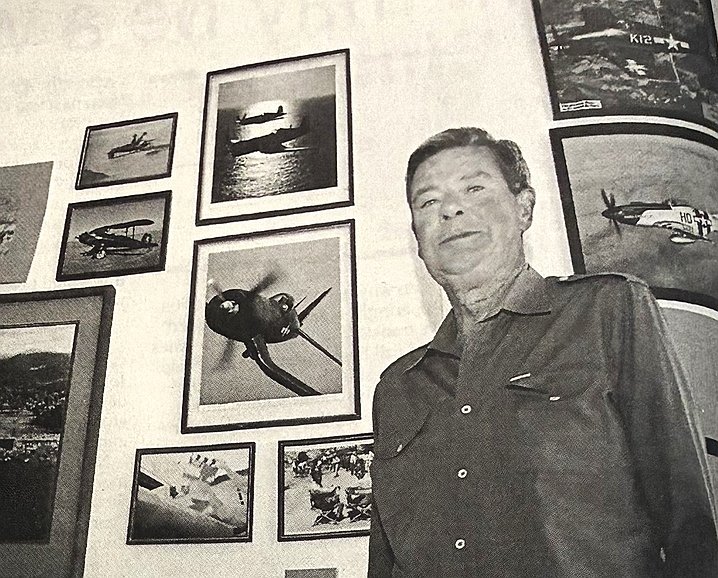 John Schafhausen of Hayden recalls his days as a World War II Navy pilot and flying Corsairs for the TV series “Baa Baa Black Sheep" in 1995,
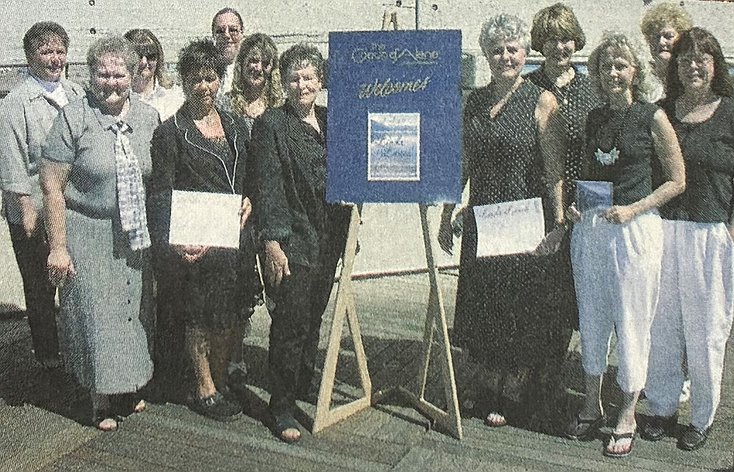 A “Linda Lunch” at Dockside in 2005 attracted the following Lindas, from left, Stolley, Harms, Mitcham, Salamina, Godin, Weisbaum, Whitehead, Ferguson, Coppom, Shane, Boyd and Sanders.
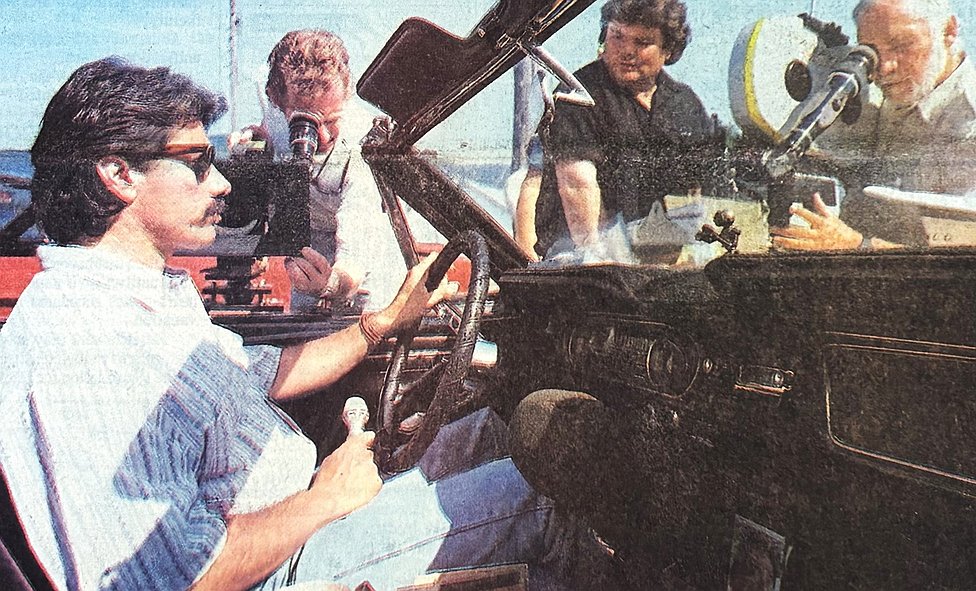 Actor Edward James Olmos awaits direction during a scene for “Talent for the Game” that was shot near Fighting Creek in 1990.
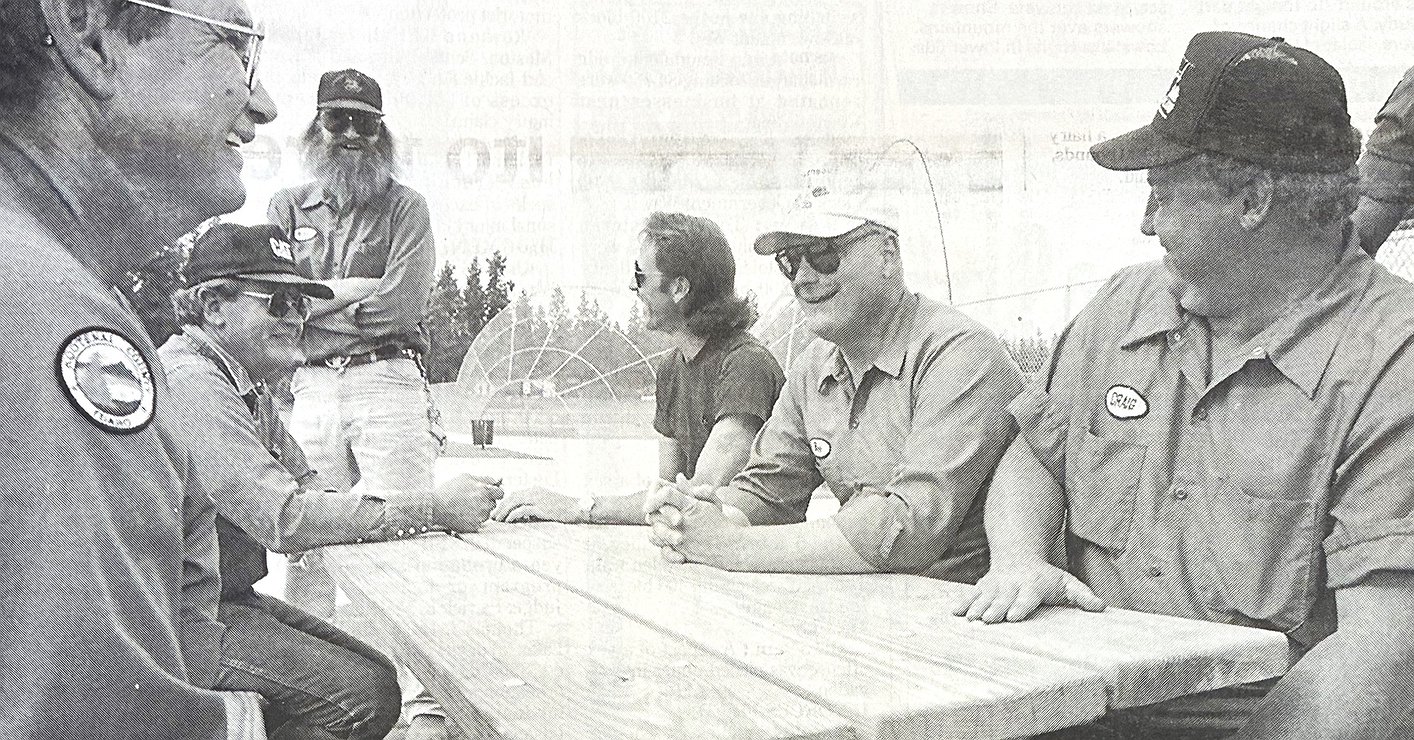 Solid Waste Department employees attend the Ramsey Park dedication in 1995. Among them are Dennis Knudsen, left, Craig Ross, second from right, and Bob Meyers, right.
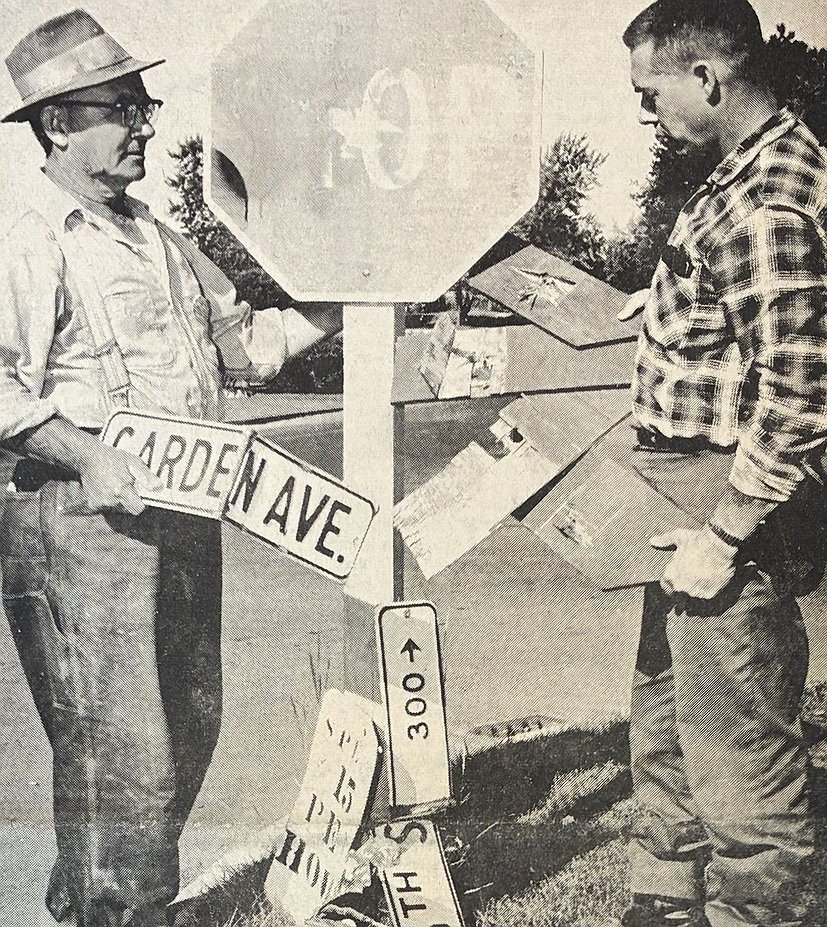 Superintendent Reed Walker of the city streets department and sign maker Carl Erickson survey vandalism at 11th and Garden in 1965.
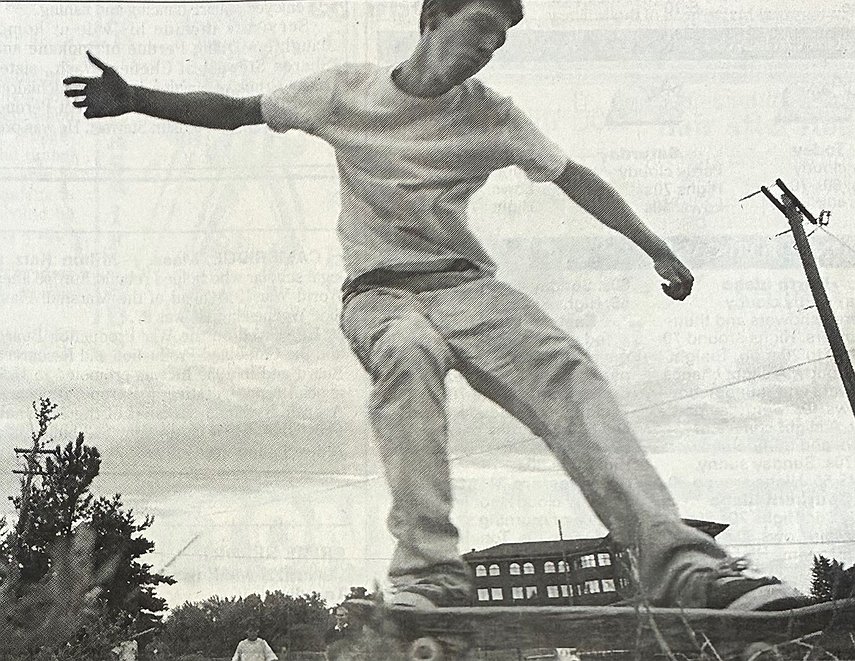 Skater Will Nesse enjoys riding his board at the new skate park near Memorial Field in 1995.
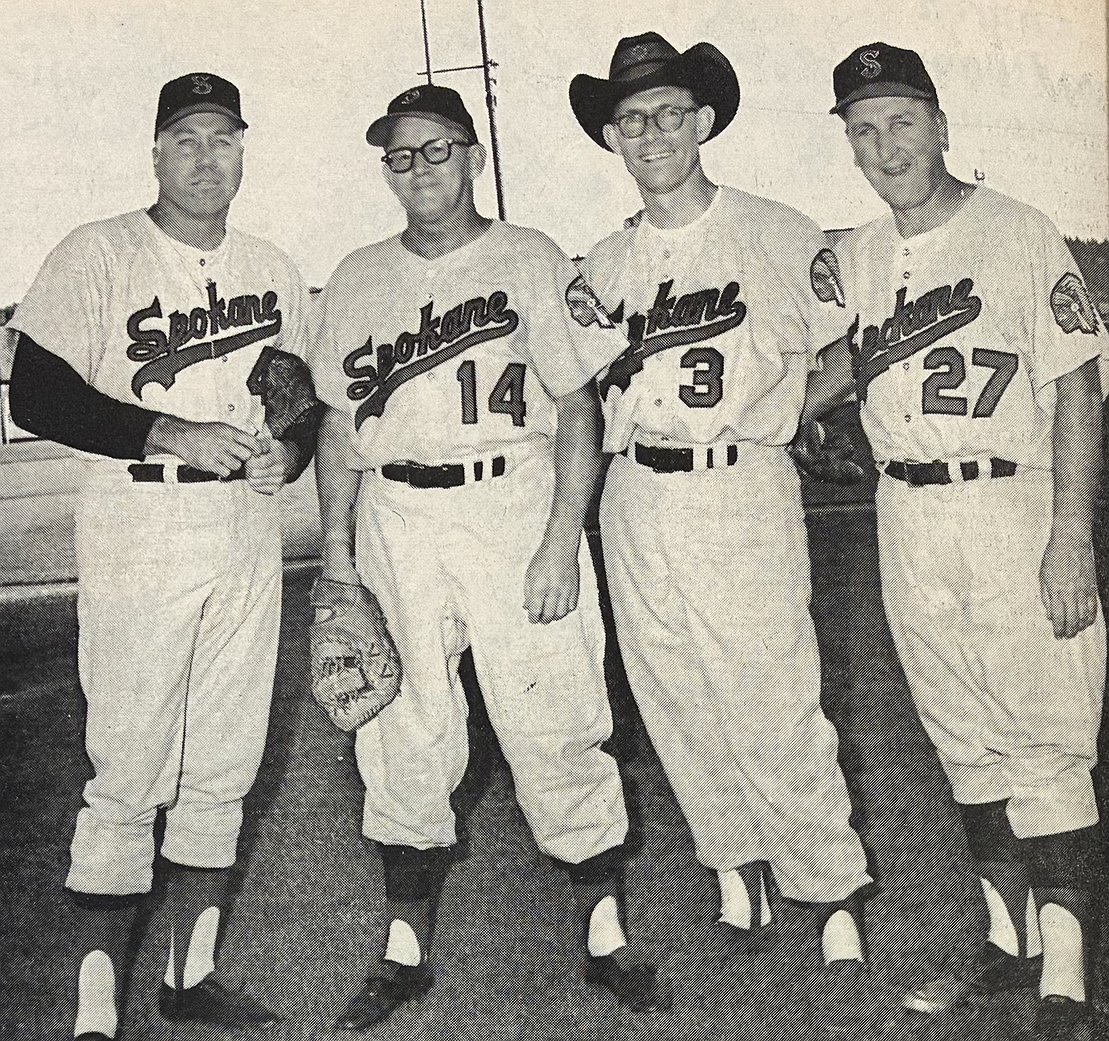 Future KVNI broadcaster Bob Hough, second from right, and sports editor Bob Maker of The Press, right, play in a Spokane celebrity game in 1965. Baseball hall of famer Duke Snider, left, hit two home runs to win the game for the celebs, 7-6.
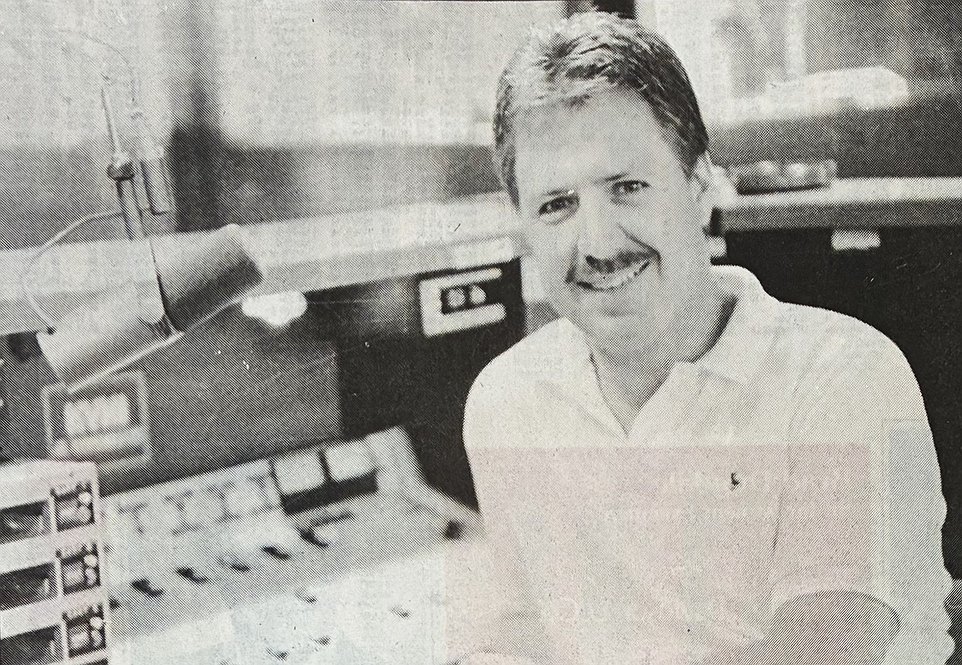 Dick Haugen replaced retiring Bob Hough as KVNI’s “Voice of North Idaho" in 1990.