

Coeur d’Alene Tribe’s fisheries project hailed
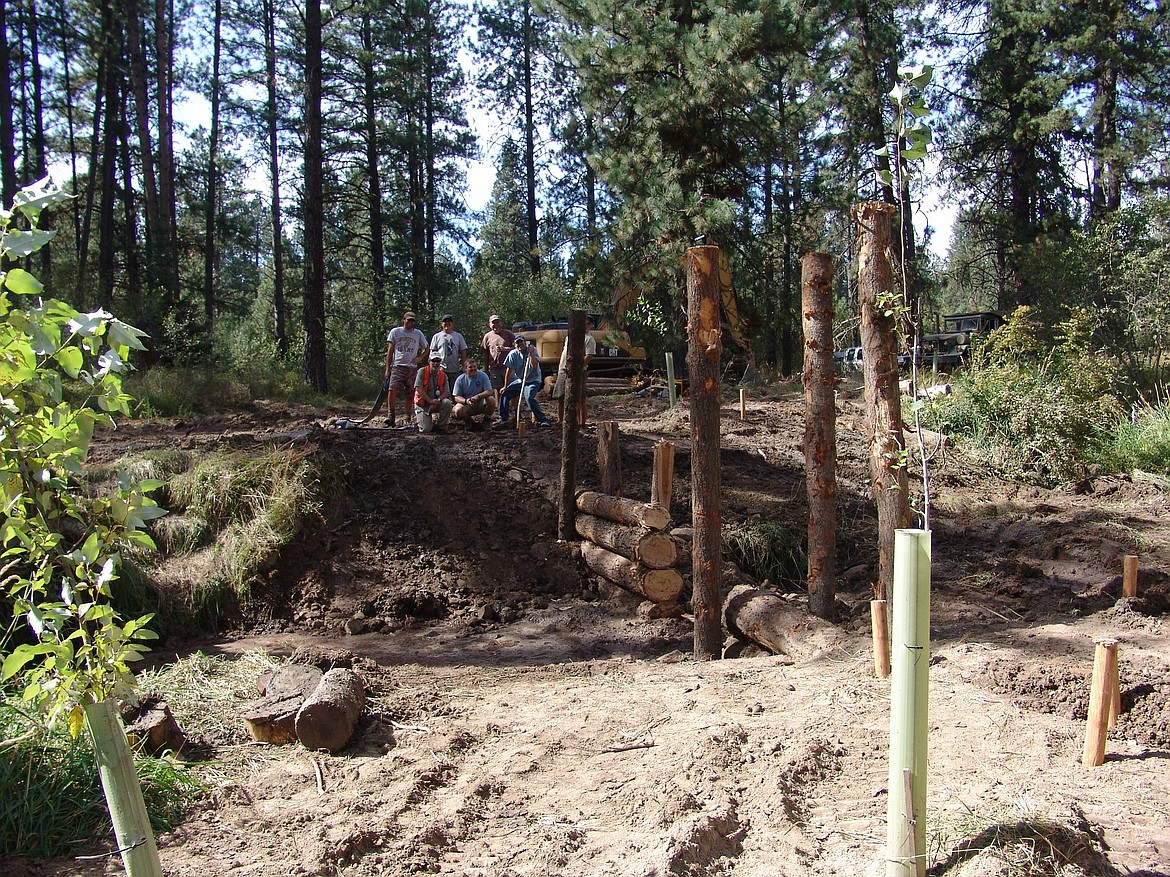
The Coeur d’Alene Tribe's fisheries project near Worley was recently honored by a scientific panel.
Courtesy photo
WORLEY — The Coeur d’Alene Tribe announced that its Fisheries Habitat Project was recognized as an “Exemplary Project” in the Independent Scientific Review Panel’s 2025 Habitat Retrospective Report to the Northwest Power and Conservation Council.
This recognition celebrates the Tribe’s leadership in restoring native Westslope cutthroat trout populations and improving critical habitat throughout the Coeur d’Alene Reservation, a press release said. In the absence of anadromous fish in the Tribe’s ceded area, resident cutthroat trout are essential to the Tribe’s cultural and subsistence traditions.
“We’ve made it a priority to bring our streams back to life; not just for the fish, but for our people and future generations,” said Ralph Allan, Fish and Wildlife Program manager for the Coeur d’Alene Tribe. “This recognition from the ISRP reflects the hard work of our staff and the benefits of blending culture, science, and vision into our restoration efforts.”
The recognition comes as the Coeur d’Alene Tribe marks over 40 years of dedicated restoration efforts on its homelands. For nearly three decades, the ISRP has reviewed projects under the Columbia River Basin Fish and Wildlife Program, and the Tribe’s long-standing commitment to restoring native fish habitat stands out as a model of success within this regional effort.
“Over the decades, I’ve seen and participated in many efforts to help Mother Nature through stream restoration,” said Jeff Jordan, fisheries biologist. “It has been an honor to be part of such work. While the logic was sometimes difficult to see at first, it has been an amazing experience — especially when the project sites mature and the fruits of our labor become visible.”
The ISRP commended the Tribe’s success in managing a complex set of land and water resources, combining traditional ecological knowledge with science-based practices and community partnerships. Key achievements include:
• Reconnecting floodplains and promoting water storage by “partnering with beavers” to increase connectivity between channel and floodplain habitats and establish native riparian and wetland plant communities.
• Implementing Best Management Practices for roads to reduce sediment delivery.
• Installing large wood and beaver dam analogs in over 4.6 miles of stream.
• Restoring access to 15.2 miles of habitat through barrier removal.
• Planting more than 160,000 native trees and shrubs for riparian stabilization.
• Acquiring 1,715 acres of habitat for long-term protection.
• Collaborating with the Coeur d’Alene Restoration Partnership to improve native salmonid survival in Lake Coeur d’Alene.
“This recognition affirms what we’ve always known, that our connection to the land and water is not only cultural, it’s a responsibility,” said Chairman Chief Allan. “The Coeur d’Alene Tribe has worked tirelessly to restore and protect our streams, our fish, and the balance of our homelands. I’m proud of our Fisheries team and their commitment to blending traditional knowledge with science to ensure these resources remain strong for our people.”
"This project exemplifies the Tribe’s commitment to protecting its homelands, strengthening its natural resources and ensuring healthy waters for future generations," the release said.