

HUCKLEBERRIES: Prepared to die, but lived long lives
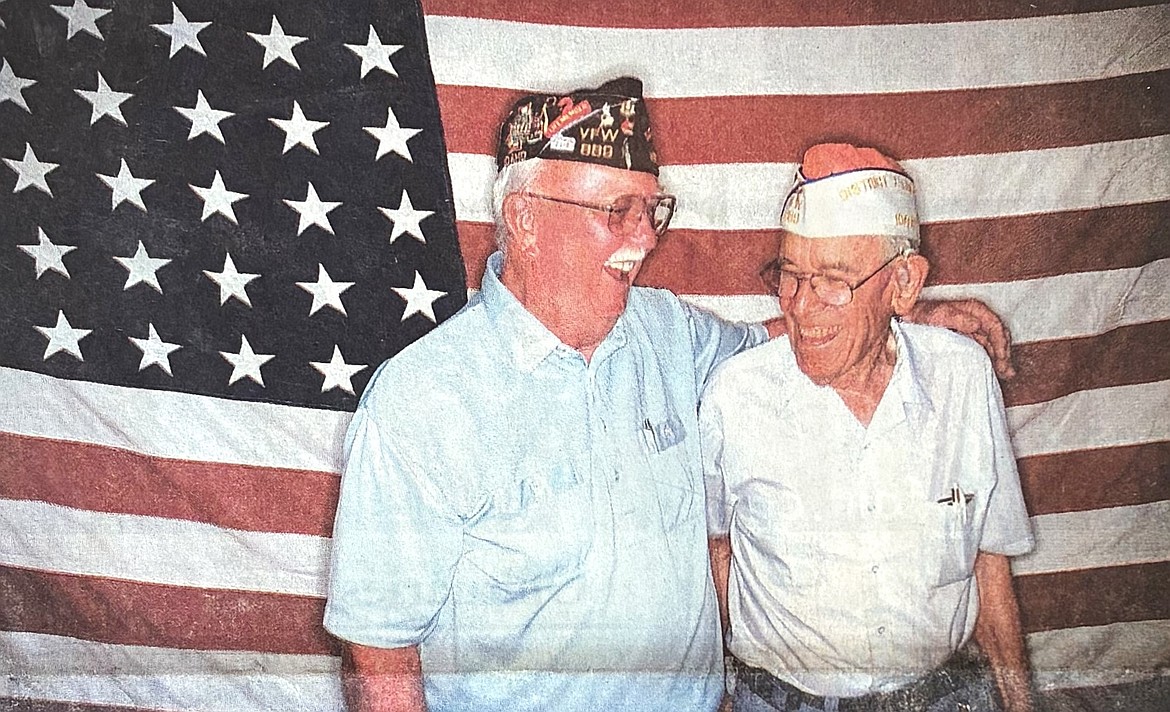
World War II veterans Jim Shepperd, left, and Earl Hunter pose for a photo after discussing how the atom bomb changed their lives in 2005.
Photo courtesy of the Coeur d'Alene Press archives
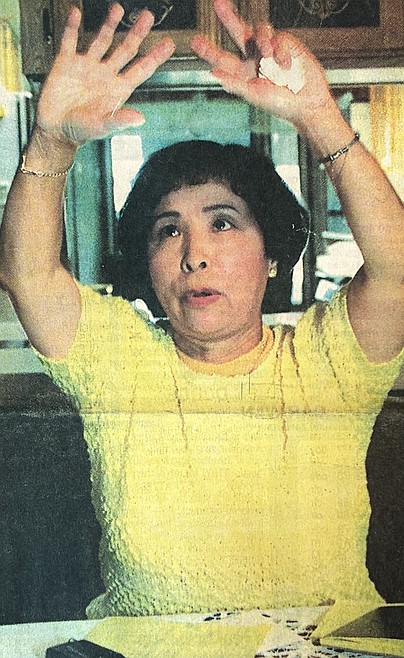
Eiko Alby in 1995 recalls being a teen entertainer on a Japanese cruise ship when she saw an atomic bomb blast.
Photo courtesy of the Coeur d'Alene Press archives
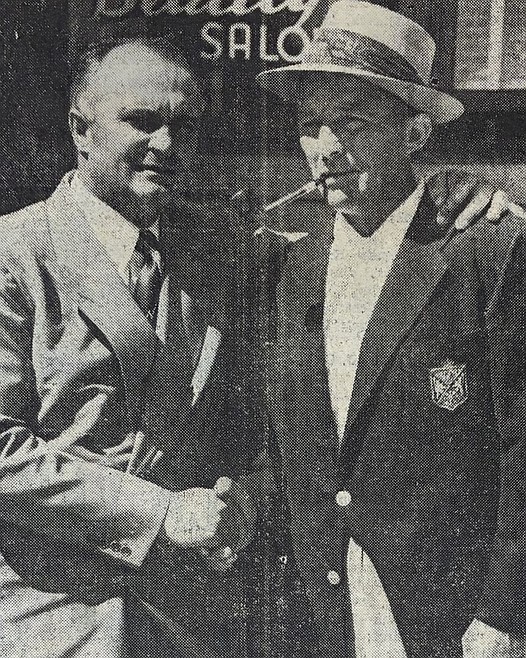
Bing Crosby, right, endorses U.S. Senate candidate Herman Welker at a lunch in Coeur d'Alene in 1950.
Photo courtesy of the Coeur d'Alene Press archives
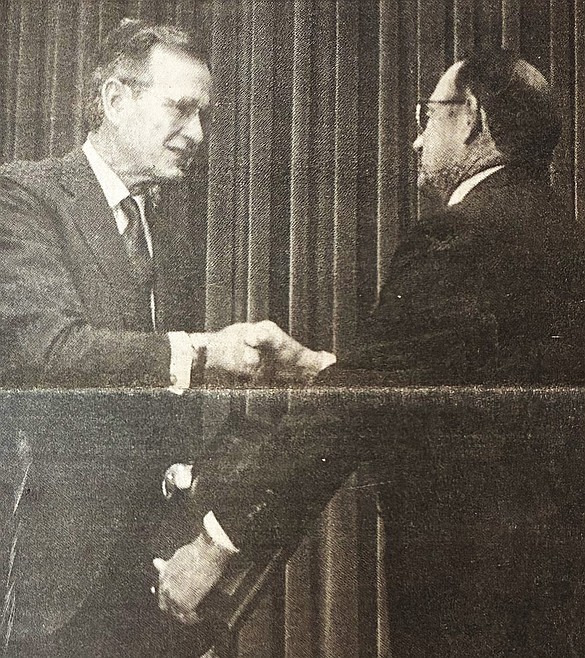
President George H.W. Bush, left, congratulates Coeur d’Alene Mayor Ray Stone at a White House ceremony in 1990.
Photo courtesy of the Coeur d'Alene Press archives
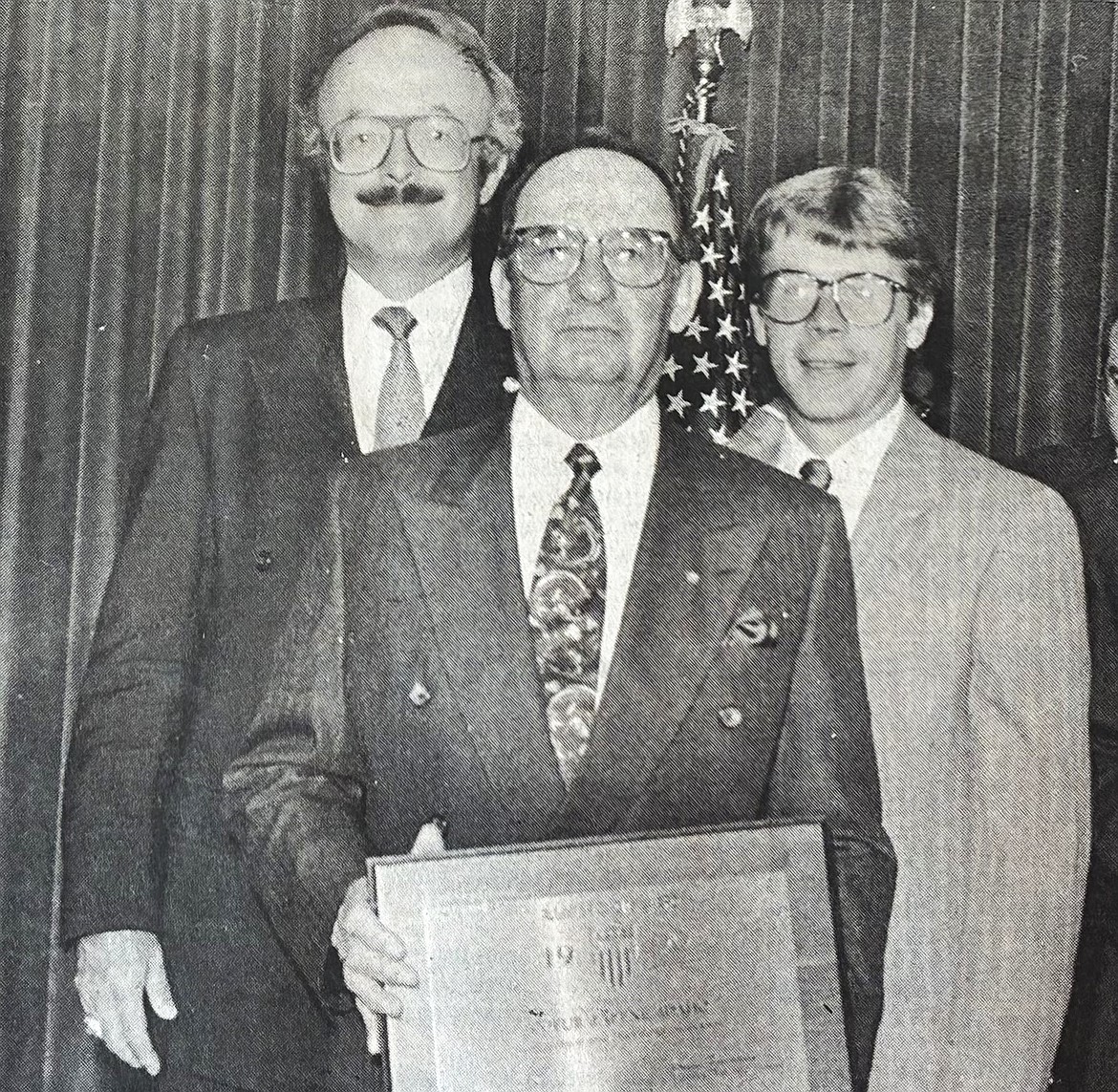
From left, Dennis Wheeler, Mayor Ray Stone and Brad Dugdale represent Coeur d’Alene at an All-American City ceremony in 1990.
Photo courtesy of the Coeur d'Alene Press archives
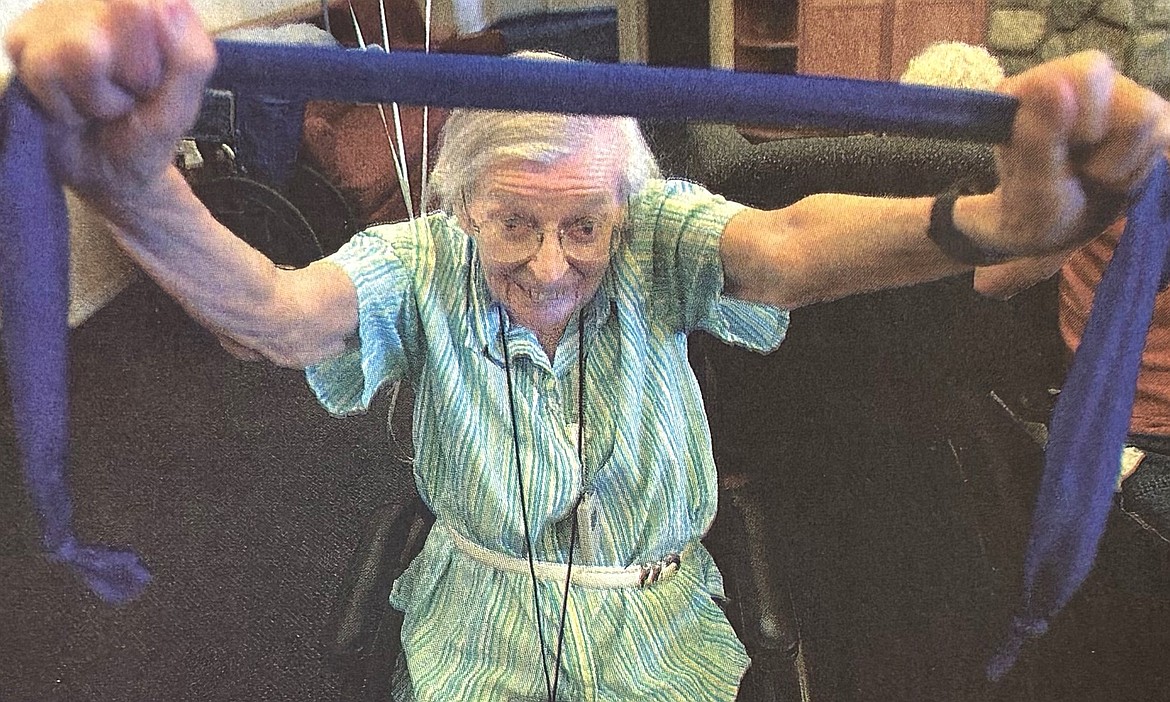
Edith Williams exercises on her 103rd birthday in 2005.
Photo courtesy of the Coeur d'Alene Press archives
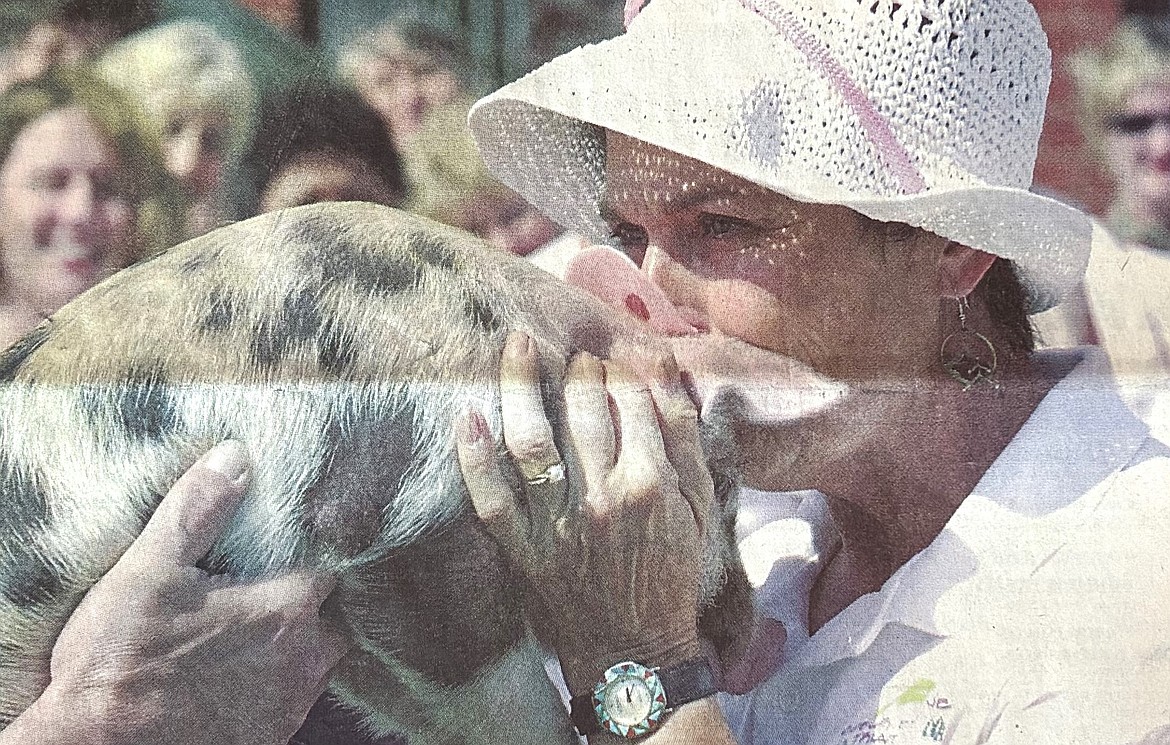
Director Kay Kindig of the Panhandle Health District kisses a pig in 2005.
Photo courtesy of the Coeur d'Alene Press archives
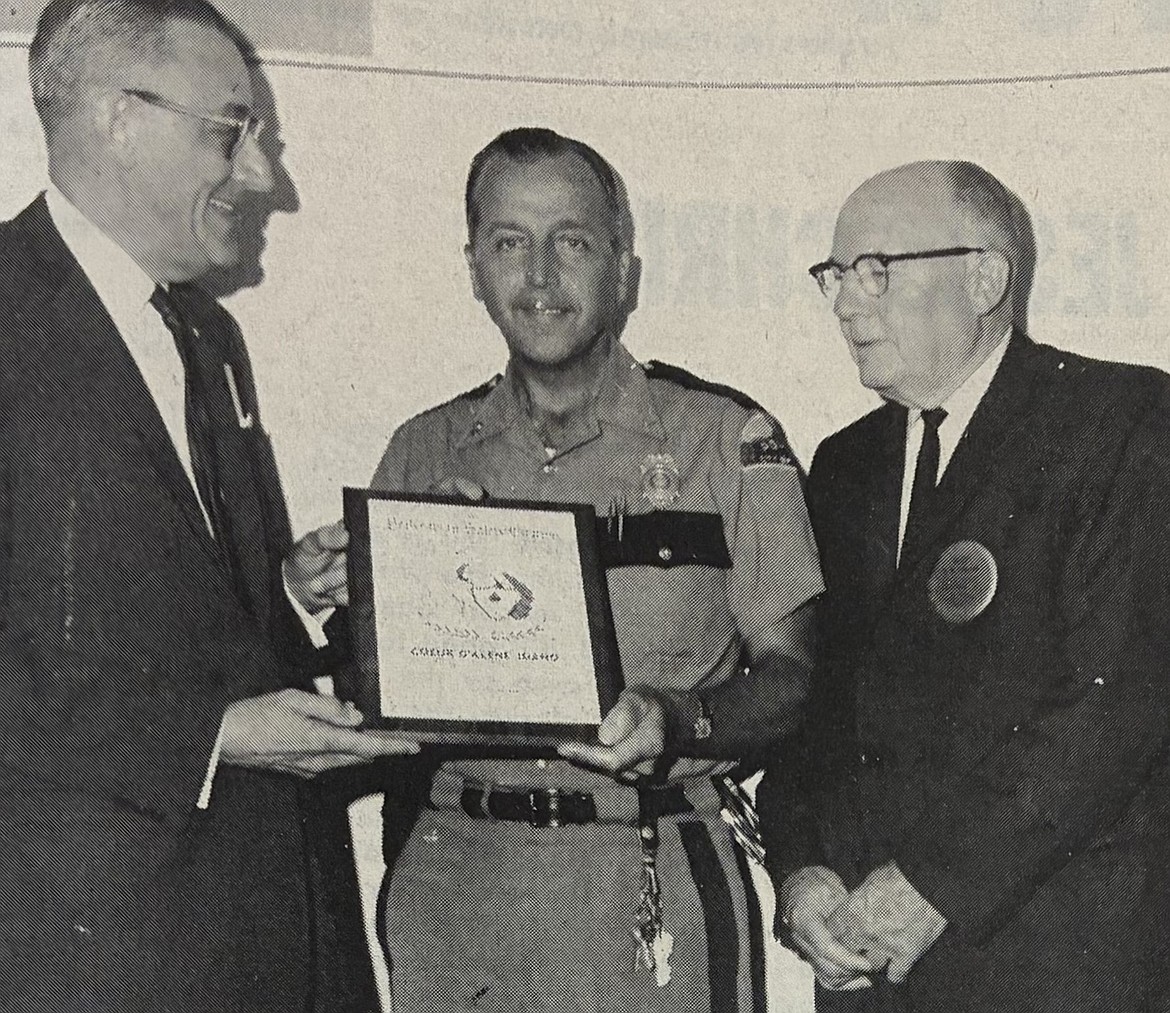
AAA official David Guilbert, left, presents a plaque for pedestrian safety to Police Chief George Lenz as Rotarian O.W. Edmonds looks on in 1965.
Photo courtesy of the Coeur d'Alene Press archives
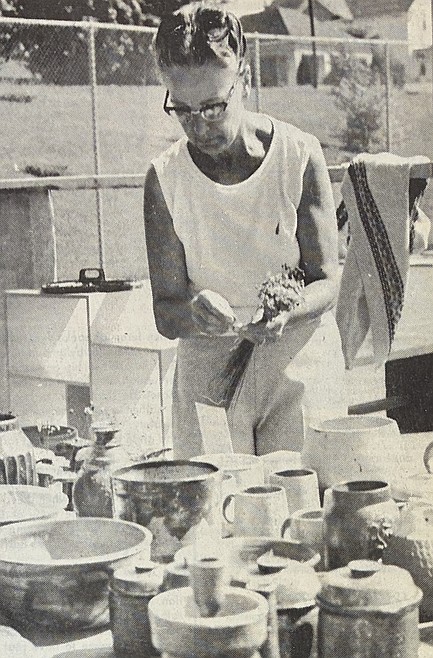
Elsa Shern of Twin Lakes arranges dried flowers for the Outdoors Arts & Crafts Festival at McEuen Field (now known as Art on the Green) in 1970.
Photo courtesy of the Coeur d'Alene Press archives
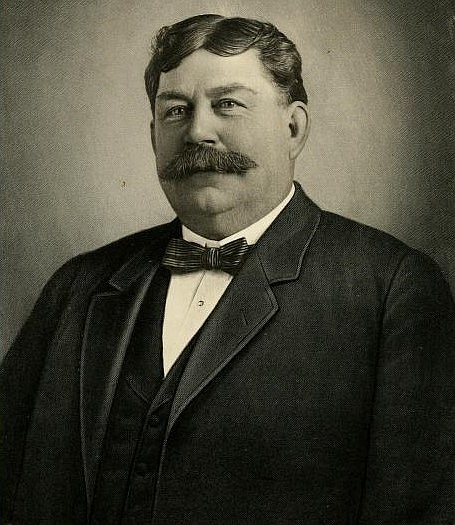
Marcus D. Wright constructed the Wright Building in 1915, which now serves as the Harris-Dean Insurance office.
Photo courtesy of Museum of North Idaho
Jim Shepperd and Earl Hunter expected to die.
On Aug. 6, 1945, the sailor, the chaplain and 3,000 fighters were aboard a ship headed to fight Japan when an American bomber dropped “Little Boy.”
They didn’t know what an atom bomb was. But they knew it was big. It gave them hope.
Meanwhile, on the other side of the world, Eiko Sato Alby, 17, was an entertainer on a cruise ship shuttling between Ata Jima Island and her native Japan.
Fifty years later, she told the Coeur d’Alene Press: “I was looking at the whole ocean and then saw a mound come up behind it, then saw a big white cloud cover the whole sky. There was no noise; it was just big — like a mushroom.”
All three lived in Coeur d’Alene when The Press interviewed them, a decade apart, on the anniversaries of the Hiroshima bombing — Eiko in 1995, Jim and Earl in 2005.
Jim and Earl weren’t aware they were aboard the same ship until years later, when they compared notes as members of North Idaho veterans’ groups.
Both backed President Truman’s decision to A-bomb Hiroshima and Nagasaki (Aug. 9).
“If it hadn’t been for that bomb, we wouldn’t be here today,” Shepperd told The Press in the 2005 interview. “Each island was getting harder to get.”
Oddly, despite the devastation in her homeland, Eiko Alby told The Press that the atomic bombings were the best way to end the war that had killed millions.
“If they didn’t drop the bomb, I think, (Japan) would have kept on fighting,” she said. “Japan had never lost a war before.”
Eiko married American airman Garald Alby and, in 1957, moved to the United States despite her fears that she would be killed — such was the tenor of Japan’s anti-American propaganda.
But she was treated well here.
The couple moved to Coeur d’Alene in 1980 after Eiko’s husband retired from the military. Garald died of cancer in 1986.
Jim and Earl were among the first servicemen to return home after V-J Day, Aug. 15, 1945.
For years, they lived a block apart on McFarland Avenue east of Borah School. They died after long, productive lives — Jim, known for his veteran-honoring volunteerism, in 2017 at age 90. And Earl, a longtime missionary, pastor and counselor, passed away in 2015 at the age of 99.
Eiko became an American citizen and lived here until at least age 95.
Bing’s bestie
You may know that movie star Bing Crosby owned a summer home on Hayden Lake. But did you know that he once dabbled in Idaho politics?
On Aug. 2, 1950, Bing hosted a lunch at the Athletic Round Table in Coeur d’Alene on behalf of a little-known U.S. Senate candidate from Payette: 44-year-old Republican Herman Welker.
They were longtime friends and hunted pheasants together.
According to The Press, Crosby told a crowd of 65: “I know that it is somewhat unique for an actor to get mixed up in politics. … An actor is supposed to amuse and entertain. And I can’t be too sure after my last two pictures that I am still even doing that.”
The actor/singer described Welker as “a very good fellow.”
Crosby’s endorsement helped Welker win.
But, once in office, combative Welker antagonized colleagues, missed votes, loaded his staff with friends and relatives, and bullied witnesses in committee hearings.
Also, Welker earned the nickname “Little Joe from Idaho” for his unwavering support of paranoid Joseph McCarthy, the Commie-baiting senator from Wisconsin.
After a rocky term, Welker was defeated for re-election in 1956 by Democrat Frank Church.
One of 10 best
No one needs to tell residents that Lake City is special. But it’s nice when others notice.
In 1990, the National Civic League honored Coeur d’Alene and nine other U.S. cities with its annual All-America City award. Coeur d’Alene was the third smallest city to win the award that year, the only one in the Pacific Northwest and the first ever from Idaho.
Said Mayor Ray Stone during a presentation ceremony at the White House: “I’m thrilled to be the representative of such a great city.”
Mayor Stone was joined at the White House event by investment executive Brad Dugdale and Coeur d’Alene Mines president Dennis Wheeler.
Among its accomplishments, Coeur d’Alene was recognized for fighting the racist Aryan Nations, the creation of Jobs Plus and helping open the cancer center.
Said host President George H.W. Bush: “Small towns can do very big things.”
Huckleberries
• Poet’s Corner: Our life sometimes/is dark and scary;/to compensate/God made the cherry — The Bard of Sherman Avenue (“Ode to the Bing”).
• Keep on Truckin’: On her 103rd birthday, Aug. 3, 2005, Edith Williams exercised with elastic bands at Guardian Angel Homes in Post Falls. Despite her frailties, she worked her neck and shoulder muscles. Once, she and husband Robert had entertained with their puppet show in the United States and Europe. That job and her two sons kept her active. The key to her longevity? She told The Press: “Keep moving.”
• Pucker Up: Director Kay Kindig of the Panhandle Health District didn’t balk when asked to kiss a pig in August 2000. After all, it was for a great cause: United Way. And she had kissed pigs before. Real ones. Raised on a farm, Kay planted a lips-to-snout kiss on a smitten porker — and helped the health district raise $500 for charity.
• Safety First: On Aug. 6, 1965, George Lenz received the type of plaque every police chief covets — one for pedestrian safety. Presented by the American Automobile Association, the plaque praised Coeur d’Alene for no pedestrian deaths in 1964. Better yet, Lake City hadn’t suffered a pedestrian death since Nov. 30, 1963.
• Hot Launch: It was so hot when the Outdoor Arts and Crafts Festival opened on the Rotary tennis courts on the first weekend of August 1968, that a painting melted and buckled. In the official history of what became Art on the Green, the late Pat Flammia recalled temperatures above 100 degrees baking the blacktop. And that the resourceful artist of the spoiled painting still tried to sell it — as an abstract.
Parting shot
Before it was purchased by the Harris-Dean Insurance Co. in 1986, the stately brick building at Seventh and Lakeside served as the city library for 42 years. And before that, it was the first English Funeral Parlor. And before that, it was a community hospital. All of this, according to Bob Singletary’s Kootenai Chronicles column in The Press on Aug. 7, 1995. The expansive home built by Marcus D. Wright in 1915 was elaborate. But Wright and his wife, Marie, enjoyed their new home together for only a short time. After a brief illness, the prominent businessman died at age 65 on Feb. 24, 1916. Two days later, the stores in town shut to honor him. The house changed hands four times until purchased by benevolent former state senator Ralph Nelson and his wife, Jeanette, on March 27, 1945, and then donated to the city for use as a library.
• • •
D.F. (Dave) Oliveria can be contacted at [email protected].
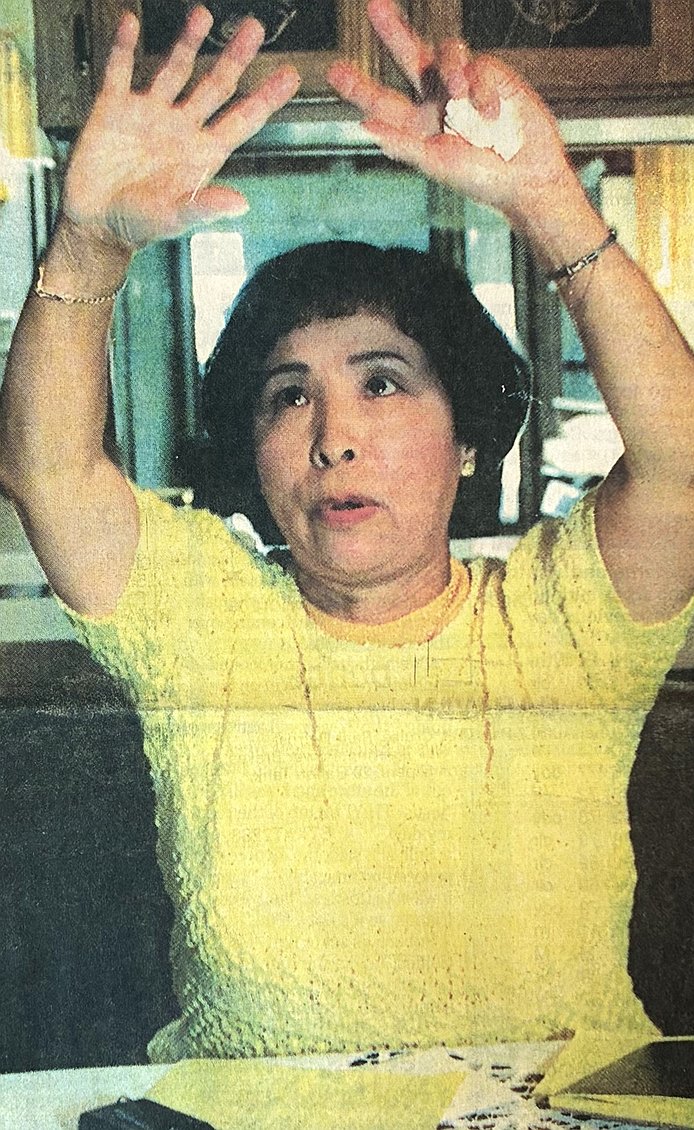 Eiko Alby in 1995 recalls being a teen entertainer on a Japanese cruise ship when she saw an atomic bomb blast.
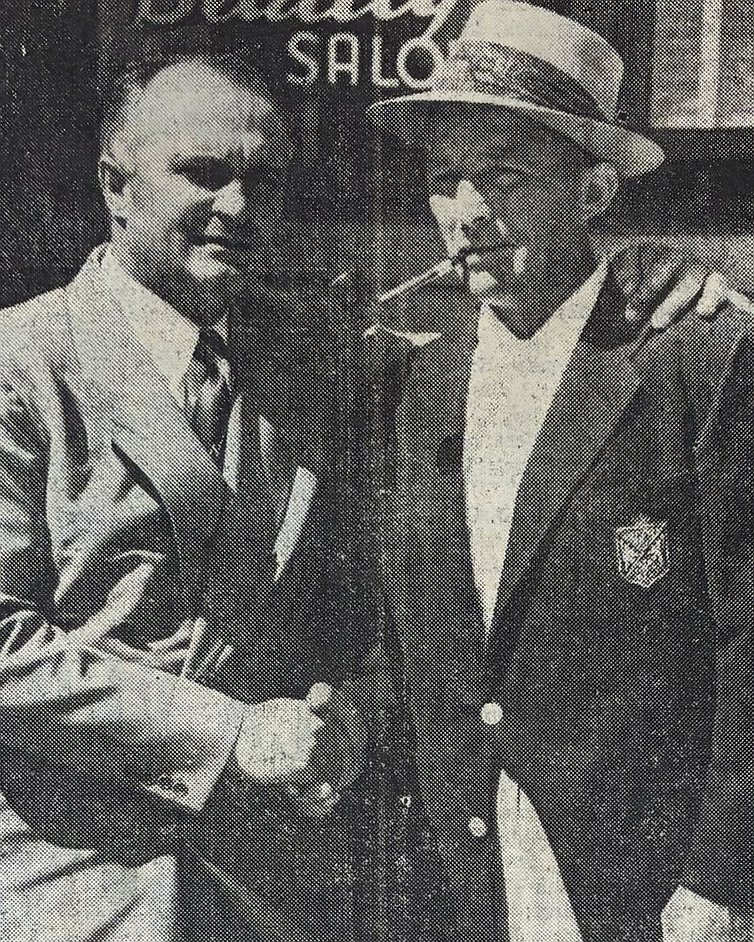 Bing Crosby, right, endorses U.S. Senate candidate Herman Welker at a lunch in Coeur d'Alene in 1950.
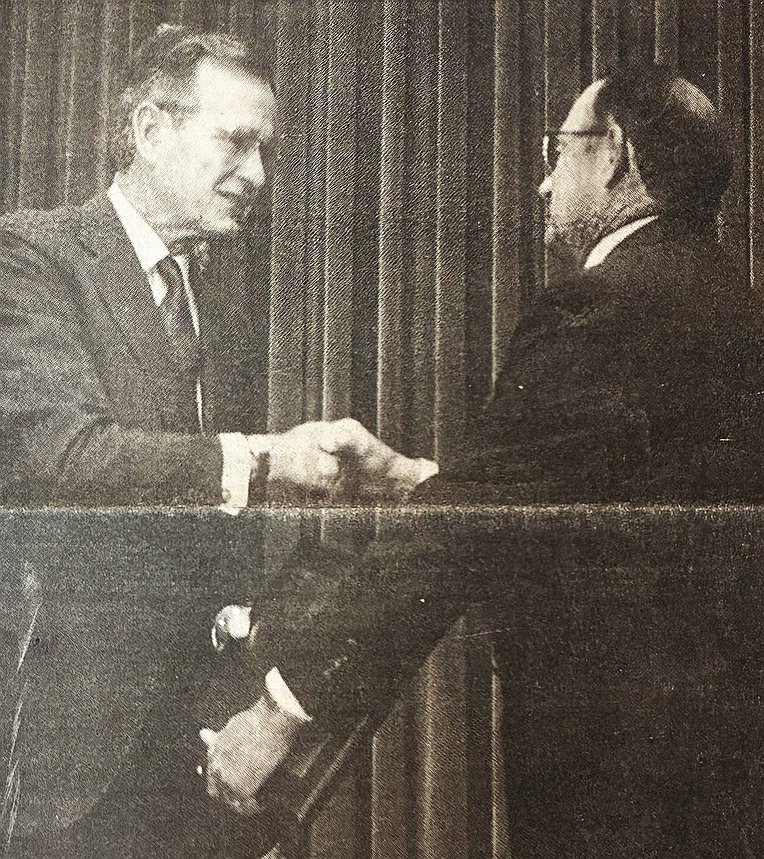 President George H.W. Bush, left, congratulates Coeur d’Alene Mayor Ray Stone at a White House ceremony in 1990.
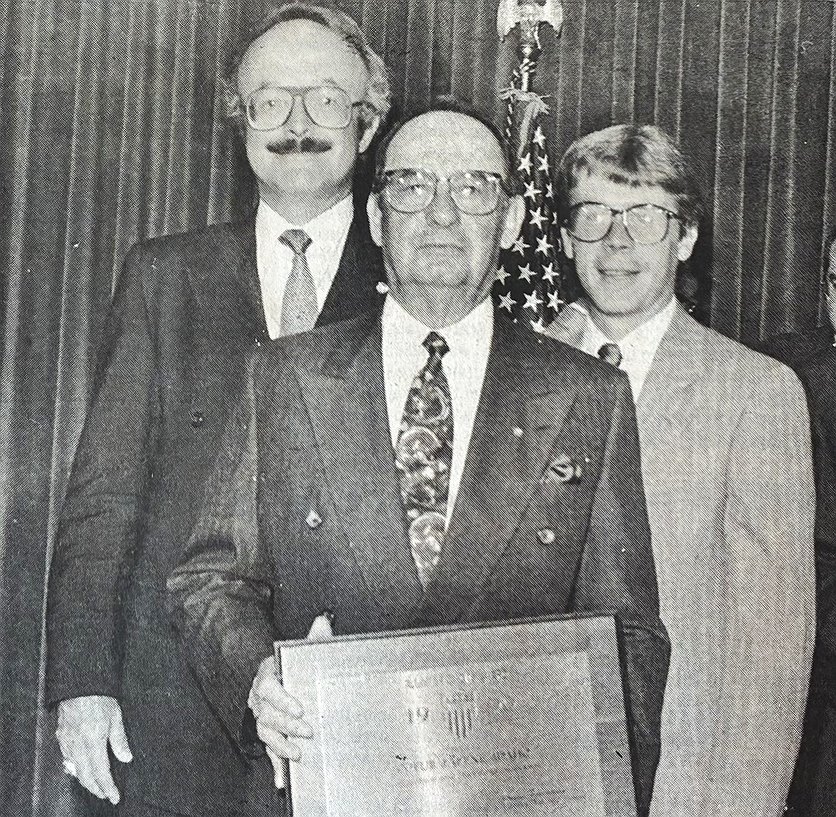 From left, Dennis Wheeler, Mayor Ray Stone and Brad Dugdale represent Coeur d’Alene at an All-American City ceremony in 1990.
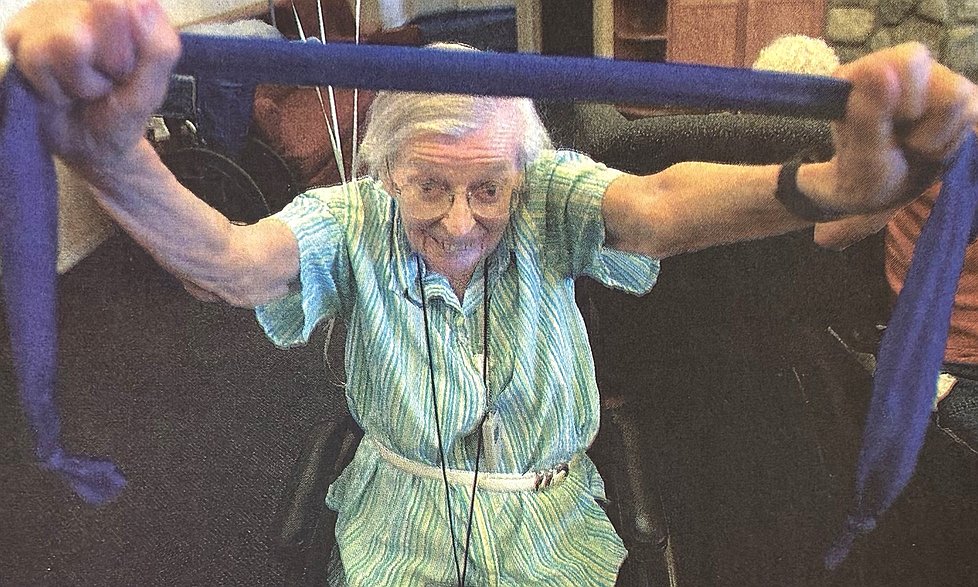 Edith Williams exercises on her 103rd birthday in 2005.
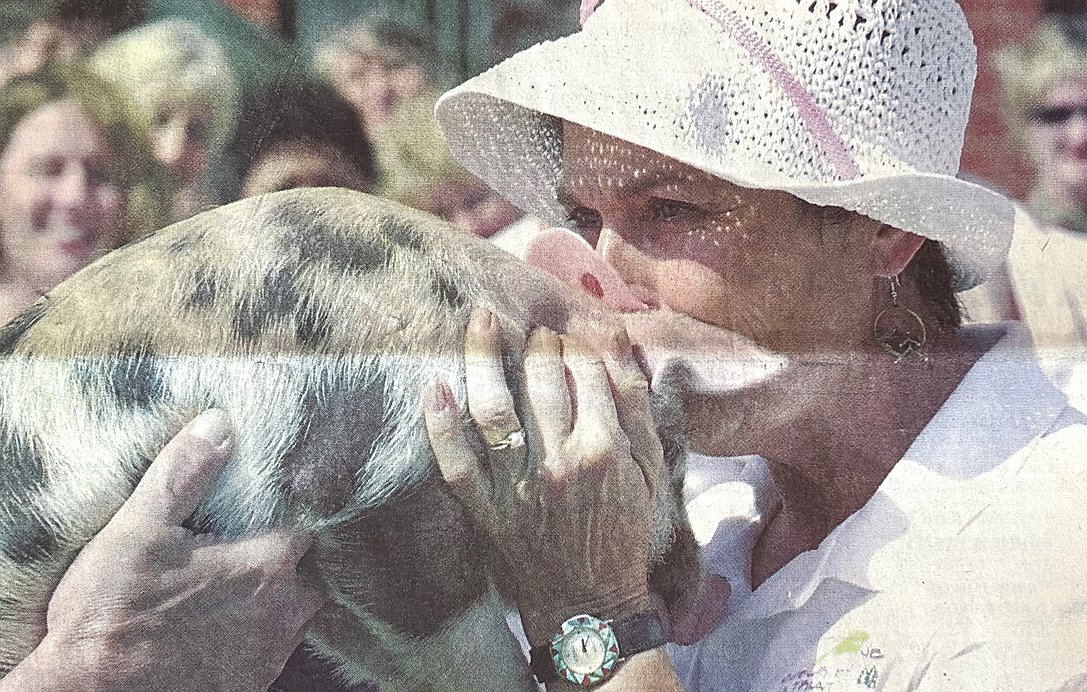 Director Kay Kindig of the Panhandle Health District kisses a pig in 2005.
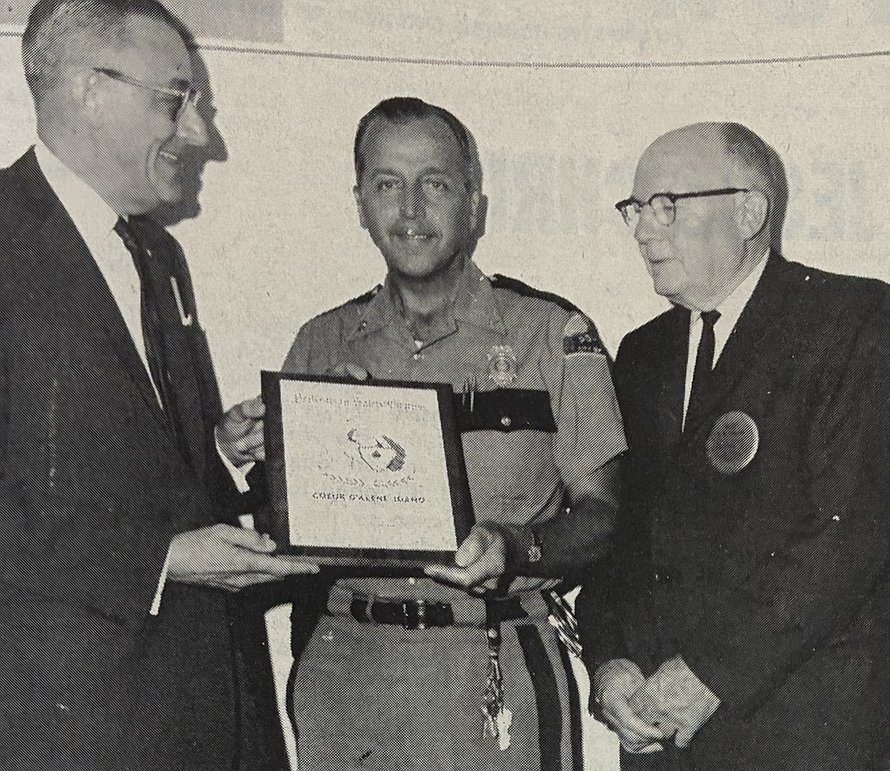 AAA official David Guilbert, left, presents a plaque for pedestrian safety to Police Chief George Lenz as Rotarian O.W. Edmonds looks on in 1965.
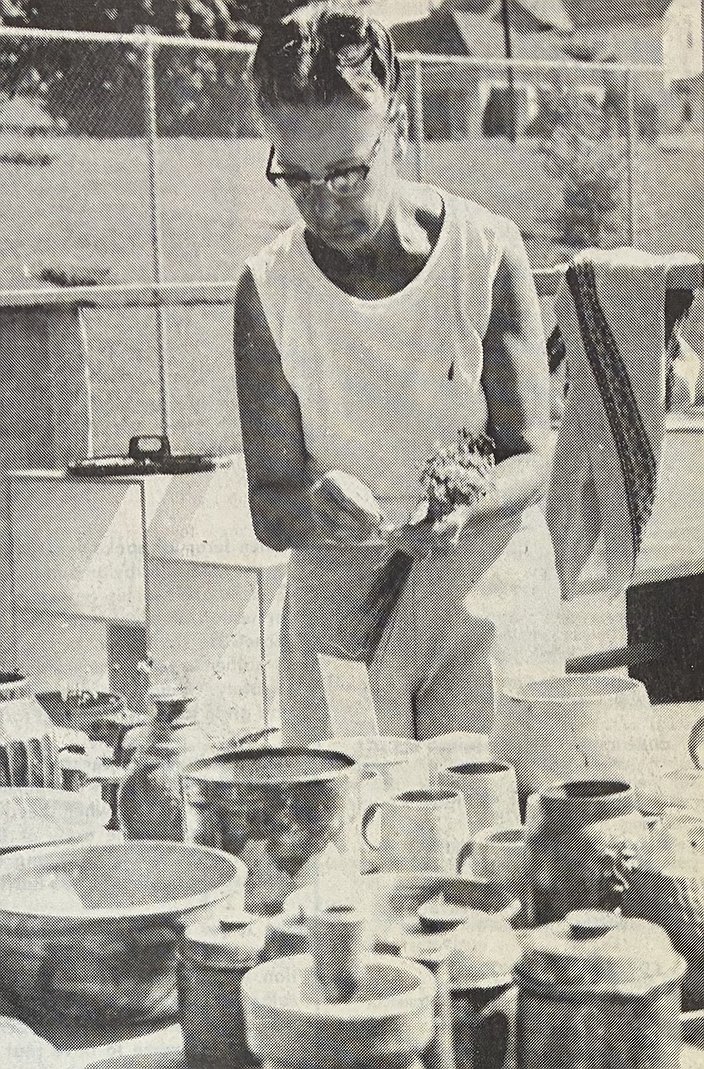 Elsa Shern of Twin Lakes arranges dried flowers for the Outdoors Arts & Crafts Festival at McEuen Field (now known as Art on the Green) in 1970.
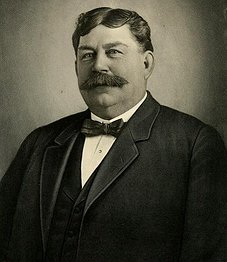 Marcus D. Wright constructed the Wright Building in 1915, which now serves as the Harris-Dean Insurance office.