

HUCKLEBERRIES: A book of those gone

Author Doug Eastwood.
Courtesy photo

Doug Eastwood’s new book, “Vanished in the Pacific Northwest,” which was released in June 2025.
Courtesy photo
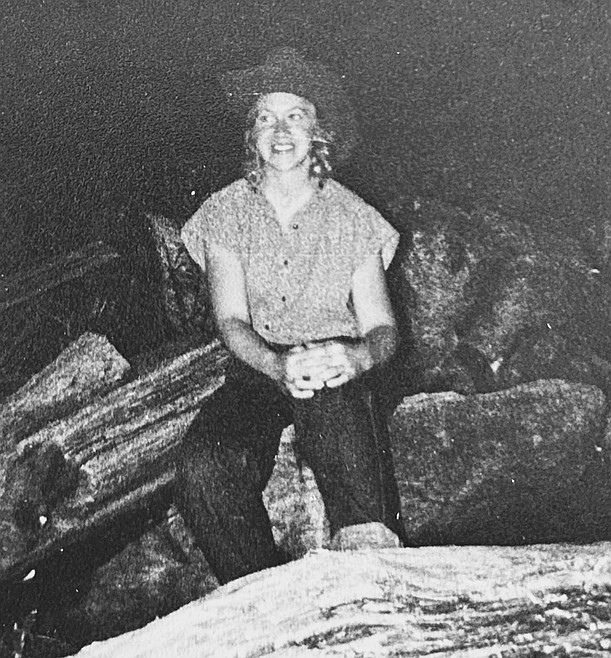
Missing Sorensen Elementary teacher Debbie Swanson loved hiking and camping. She likely was abducted during a Tubbs Hill hike.
Courtesy photo
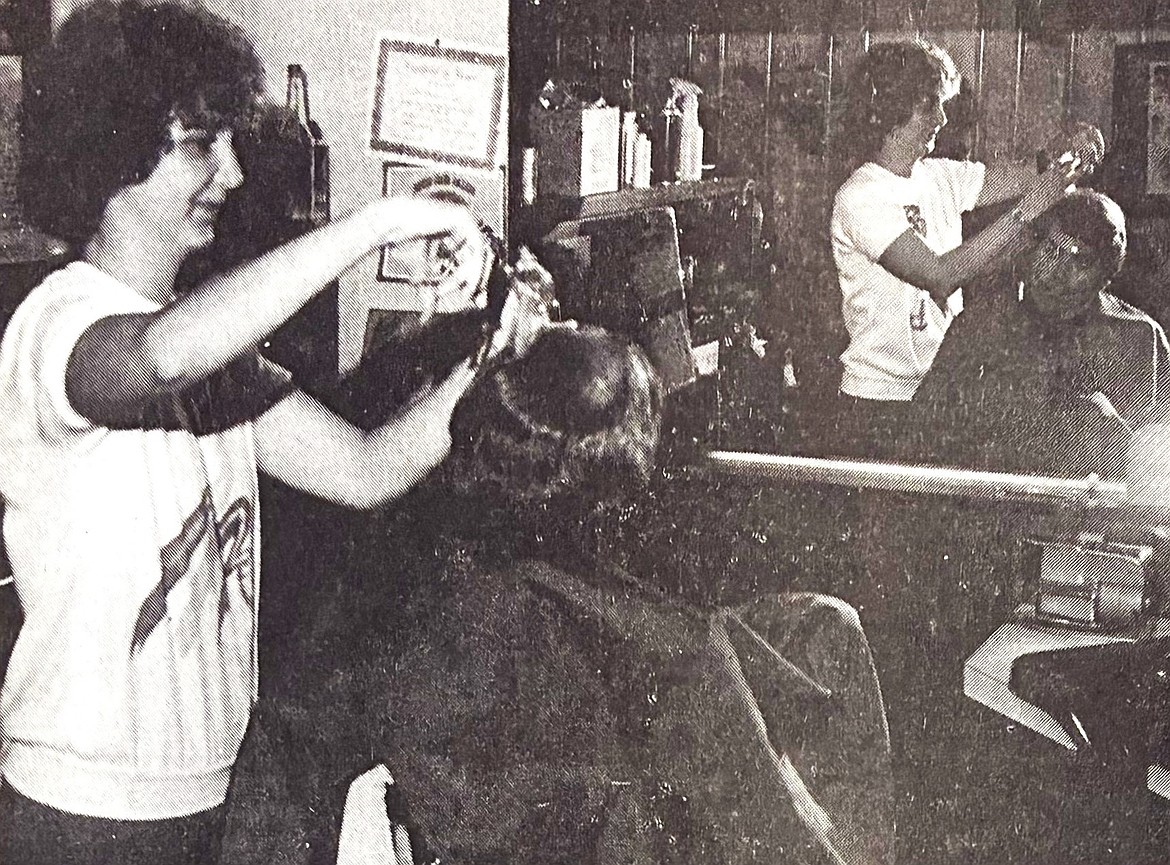
Beautician Cathy Knight cuts Earl Anderson’s hair in 1980.
Photo courtesy of the Coeur d'Alene Press archives
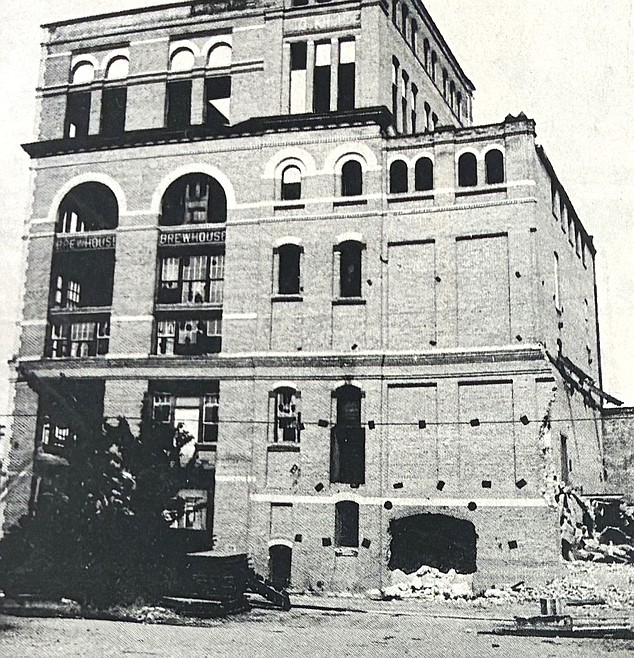
The landmark Coeur d’Alene Brewery before being razed in 1965.
Photo courtesy of the Coeur d'Alene Press archives
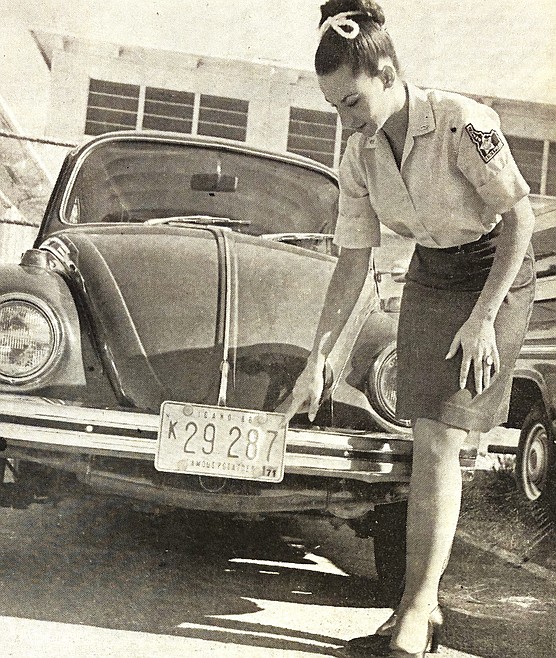
Beverly Lieder, an Idaho State Police employee, points to the digit that traffic cops check for proper auto registration in 1970.
Photo courtesy of the Coeur d'Alene Press archives
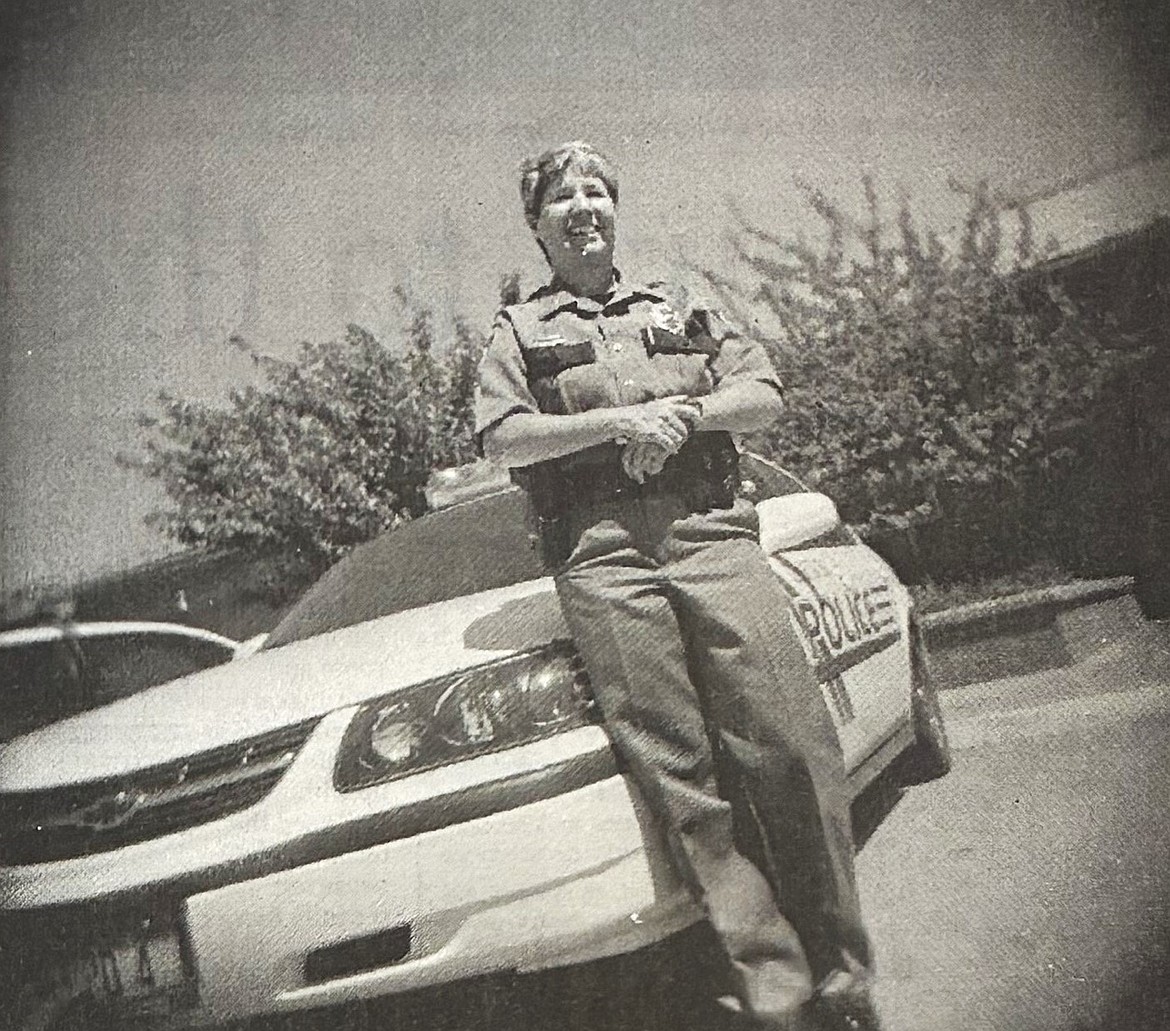
Coeur d’Alene Police Chief Wendy Carpenter in 2005.
Photo courtesy of the Coeur d'Alene Press archives

A Lafferty’s tugboat tows logs past the shuttered W-I Forest Products mill on the Spokane River (today’s Riverstone) in 1990.
Photo courtesy of the Coeur d'Alene Press archives

Hall of Famer Duke Snider stages a baseball clinic for North Idaho boys at Coeur d’Alene’s Person Field in 1965.
Photo courtesy of the Coeur d'Alene Press archives
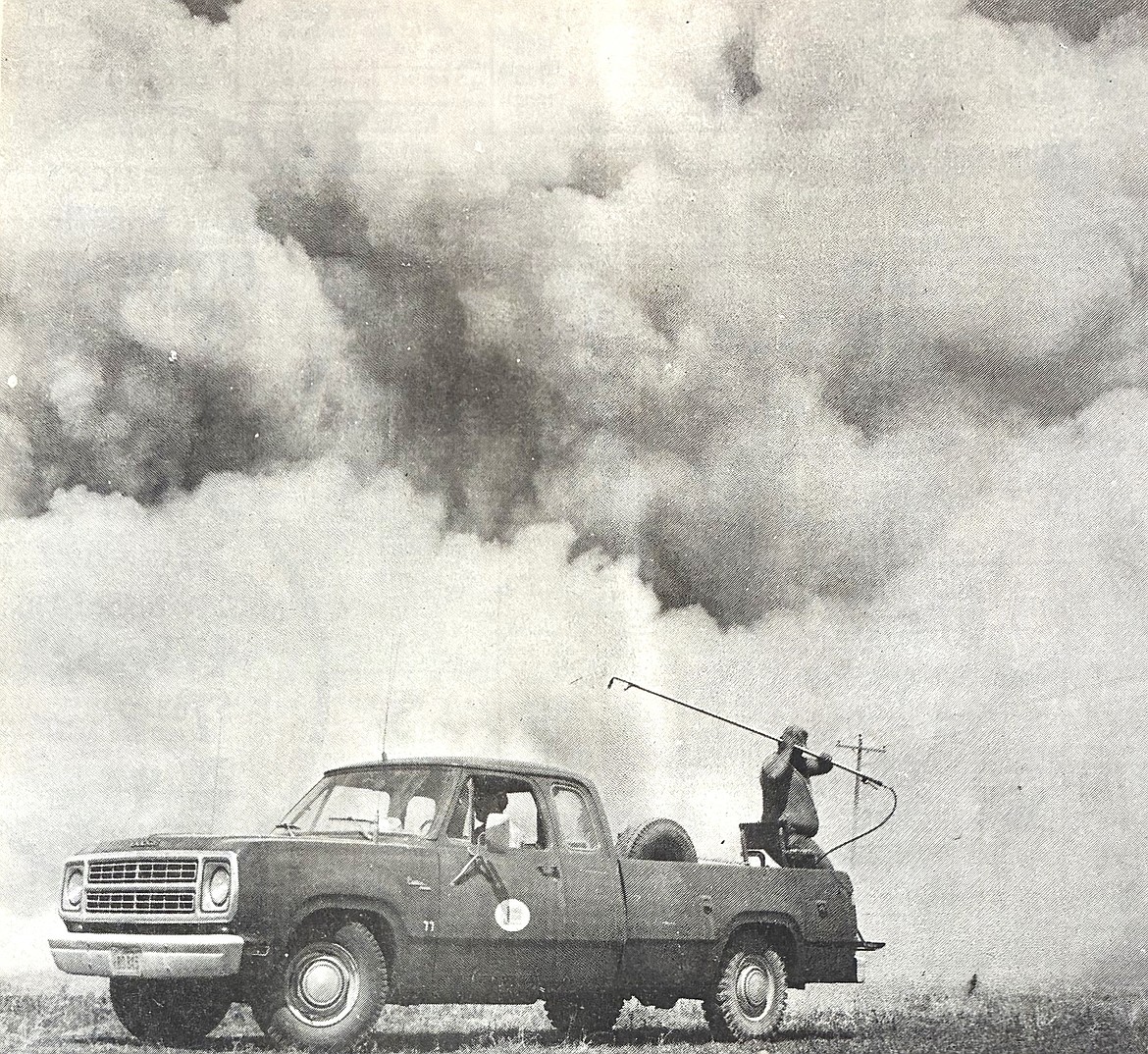
Jay Simpson of Jacklin Seed torches bluegrass fields in 1980.
Photo courtesy of the Coeur d'Alene Press archives
On the day she vanished 39 years ago, Debbie Swanson had a heated argument with a student’s stepfather on Tubbs Hill, according to a new book.
A 9-year-old named Brandi reportedly was hiking with her combative stepfather on the northeast side of the hill when they ran into the Sorensen School teacher March 29, 1986.
Decades later, Brandi told Coeur d’Alene police and later author Doug Eastwood that the teacher may have sensed problems at the girl’s home and said something. Then, she told Doug that her angry stepfather told her to go back to the car and wait.
In the following week, Brandi learned of Debbie’s disappearance and felt uneasy. She believed Debbie was the woman she and her stepfather had encountered. But the stepfather said that she was wrong. Fearful and confused, she stayed silent.
It would be another 30 years before Brandi connected the dots and called the police.
Eastwood, former Coeur d’Alene Parks director, reveals this compelling new information and more from the Tubbs Hill encounter in his book: “Vanished in the Pacific Northwest.”
Doug’s book focuses on four women from the Inland Northwest who disappeared without a trace in the 1980s: nurse Kathryn Gregory (1981), teacher Swanson (1986), exotic dancer Sally Stone (1986) and Bonneville Power Administration worker Julie Weflen (1987).
“When (the abductions) happened, it was front-page news," Doug said last week. "Then, they became a blurb on the inside pages, or were forgotten until anniversaries rolled around."
Released in late June, Doug’s 214-page book returns the four missing women to center stage. Doug fleshes out their backgrounds, pulls together police reports and detective interviews, offers unreported information and names persons of interest.
Doug allows his readers to draw their own conclusions.
Is the reported encounter on Tubbs Hill key to solving Debbie Swanson’s disappearance? Or another dead end? Local officers conducted a search with cadaver dogs at a possible burial site. But they found nothing. By then, Brandi’s stepfather was long dead.
Doug believes these cold cases are solvable.
But he realizes that local police are too busy to assign detectives to them now. So, he urges that investigating agencies hire a retired, experienced officer in each case for a set time — perhaps a year — to review old information and chase new leads.
“Vanished in the Pacific Northwest” is available at local libraries or in paperback ($15) at the Well-Read Moose, Entertainment Center and Amazon.
Trivia
And the answer is: Cathy Knight. The question? Who was the first beautician to be regularly employed at a barber shop in Coeur d’Alene — and possibly all of Idaho?
Earl Anderson broke the barber-pole barrier by hiring Cathy on July 1, 1980.
Idaho law once banned women from working in barber shops and vice versa. During the 1960s and 1970s, many barbers refused to cut men’s long hair.
But barber Anderson told The Press his move was practical. It was common then for men to get haircuts at beauty shops. After his progressive move, Anderson got some of that business back — and began attracting female customers to his Sherman Avenue shop.
All fall down
On this day in 1965, news broke that the landmark Coeur d’Alene Brewery building at Fort Grounds was coming down — all 6 million bricks of it.
Originally built in 1908-10 for Charles Bernhardt, the five-story brewery, which could be seen for miles, marketed Blue Banner-labeled beer. But success eluded owner Bernhardt. The brewery soon faced bankruptcy and was idle before Prohibition took effect Oct. 28, 1919.
Later, the structure was used as a cannery and then for grain storage — a sad ending for a once-promising business.
Fan mail
The 1965 Girl Scout Roundup item last week prompted this response from Williene Gagnon: “My husband, John, was in the second year of his draft to the Army, stationed at Fort Lewis. He volunteered to go to Idaho to set up tents for a Girl Scout Roundup. The few soldiers got the campgrounds ready and then returned to Fort Lewis. Two weeks later they came back to dismantle everything. I met (John) at the “hot” bar, Rathskellers. We topped off the evening at Woo’s. He got a fortune cookie that read: ‘She will marry you.’ And he did, five months later, on Jan. 22, 1966. This January, we will celebrate 60 years of marriage!”
Huckleberries
• Poet’s Corner: He swam in the pond/with never a care/and a bullfrog ran off/with his underwear — The Bard of Sherman Avenue (“The Boy Who Skinny Dipped”).
• Gotcha: Today, colored stickers tell traffic cops when license plates expire. But 55 years ago, the officers looked first for the final digit of the license number. The number 7, for example, meant a July expiration date. On Aug. 1, 1970, patrolmen looked for a 7 and then, squinting, for an accompanying 1971 sticker.
• Shoutout: In 2005, Coeur d’Alene Police Chief Wendy Carpenter praised Sgt. Christie Wood. Competent, yet reserved, Wendy valued her CPD spokeswoman. “Thank God for Christie Wood,” she said in a Press profile July 31, 2005. “The day-to-day stuff she does very well, so I don’t have to be out there.” Christie continues to serve this community well as a human rights advocate and councilwoman.
• End of the Line: Most of the remaining 100 workers at W-I Forest Products were laid off permanently when the mill shut down July 6, 1990. A month later, the Coeur d’Alene Press published a photo of a Lafferty Transportation tugboat towing logs past the shuttered mill to Idaho Forest Industries. Now, Riverstone has replaced both mills. Progress.
• Star Struck: In his 18 Major League seasons, Hall of Famer Duke Snider of the Brooklyn/Los Angeles Dodgers hit 407 home runs. Not counted among them was one ball he hit 430 feet at Person Field before 600 star-struck North Idaho boys Aug. 12, 1965. At the time, the “Duke of Flatbush” was managing the AAA Spokane Indians, a Dodger affiliate and conducting a baseball clinic in Coeur d’Alene.
Parting shot
You probably know that Kentucky Bluegrass farmers and the surrounding towns battled during the field burning season. The farmers on the Rathdrum Prairie argued that they needed fire to shock grass seed into production for the following year. Meanwhile, smoke got in the eyes, noses and throats of complaining neighbors, especially those with health problems or involved in tourism. The farmers weren’t tone deaf. In midsummer 1980, they spent $24,000 to equip a weather station on Prairie Avenue. They didn’t want to repeat the disastrous 1979 season when field smoke routinely inundated Coeur d’Alene and Hayden. Their goal was to burn early in the morning when the wind wafted toward Spokane. Washington enviros didn’t like the plan. But calculated burns enabled the local farmers to survive another 27 years until the courts shut them down. Now, the prairie sprouts houses.
• • •
D.F. (Dave) Oliveria can be contacted at [email protected].
 Doug Eastwood’s new book, “Vanished in the Pacific Northwest,” which was released in June 2025.
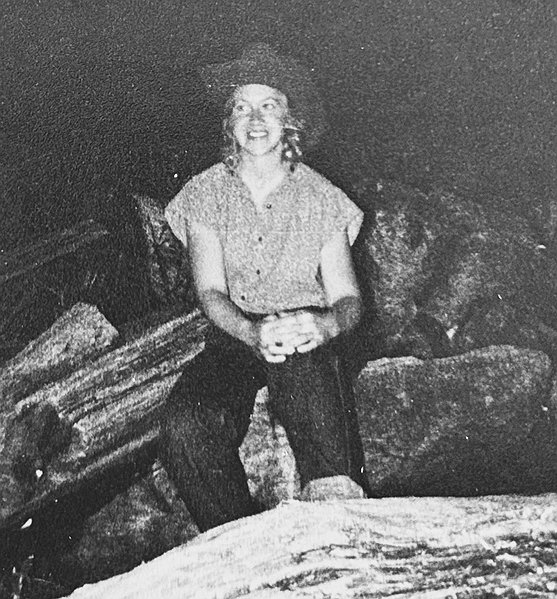 Missing Sorensen Elementary teacher Debbie Swanson loved hiking and camping. She likely was abducted during a Tubbs Hill hike.
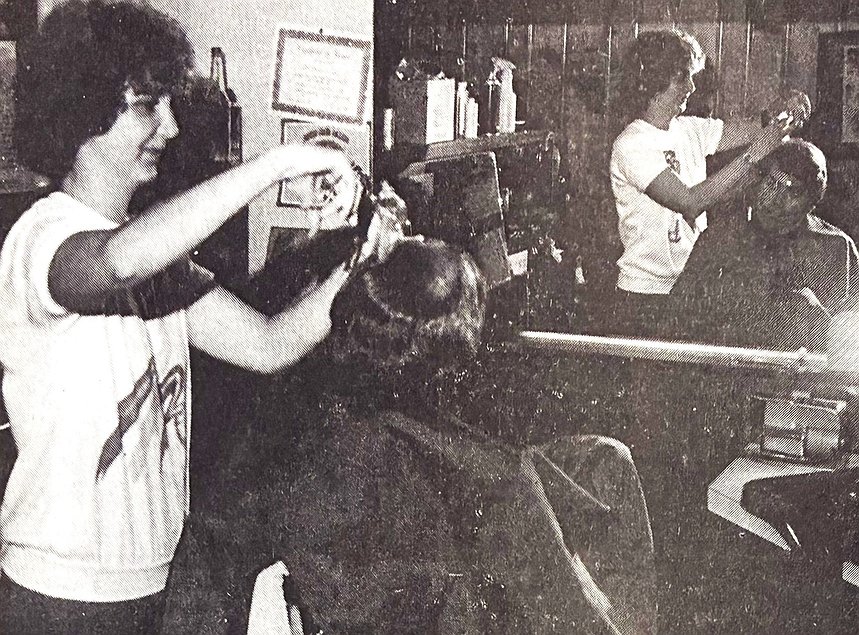 Beautician Cathy Knight cuts Earl Anderson’s hair in 1980.
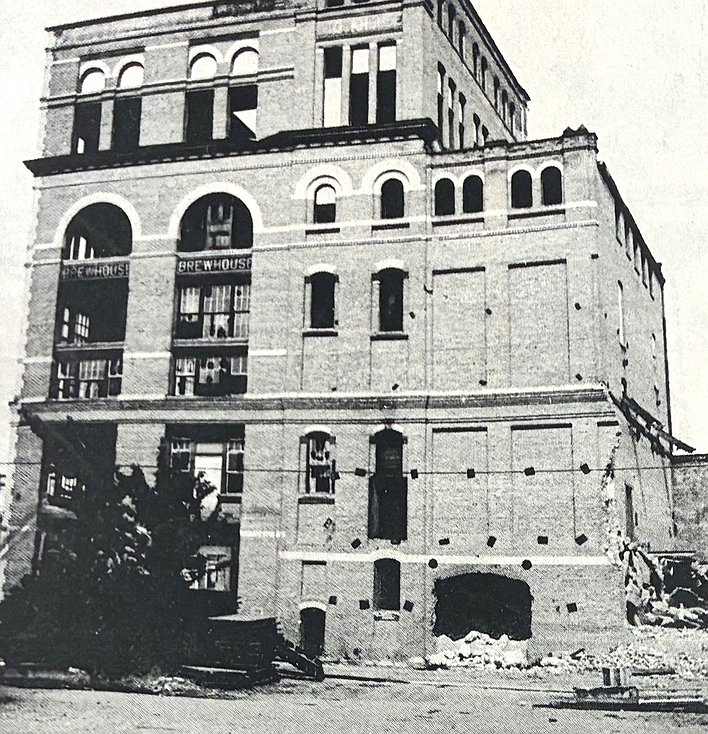 The landmark Coeur d’Alene Brewery before being razed in 1965.
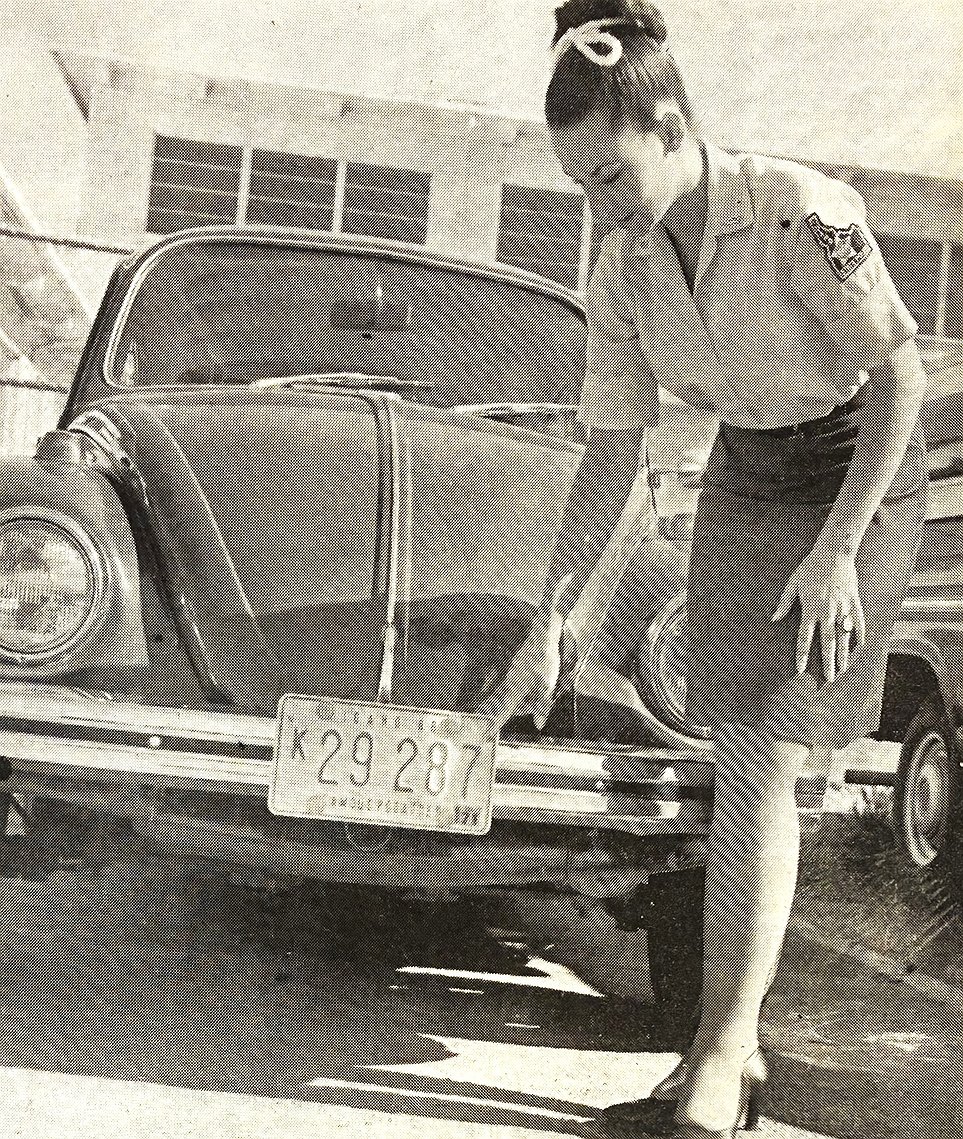 Beverly Lieder, an Idaho State Police employee, points to the digit that traffic cops check for proper auto registration in 1970.
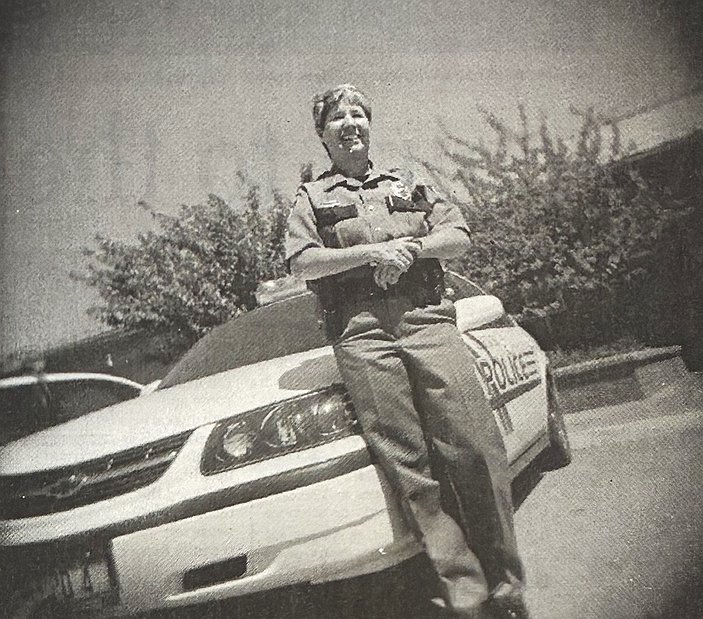 Coeur d’Alene Police Chief Wendy Carpenter in 2005.
 A Lafferty’s tugboat tows logs past the shuttered W-I Forest Products mill on the Spokane River (today’s Riverstone) in 1990.
 Hall of Famer Duke Snider stages a baseball clinic for North Idaho boys at Coeur d’Alene’s Person Field in 1965.
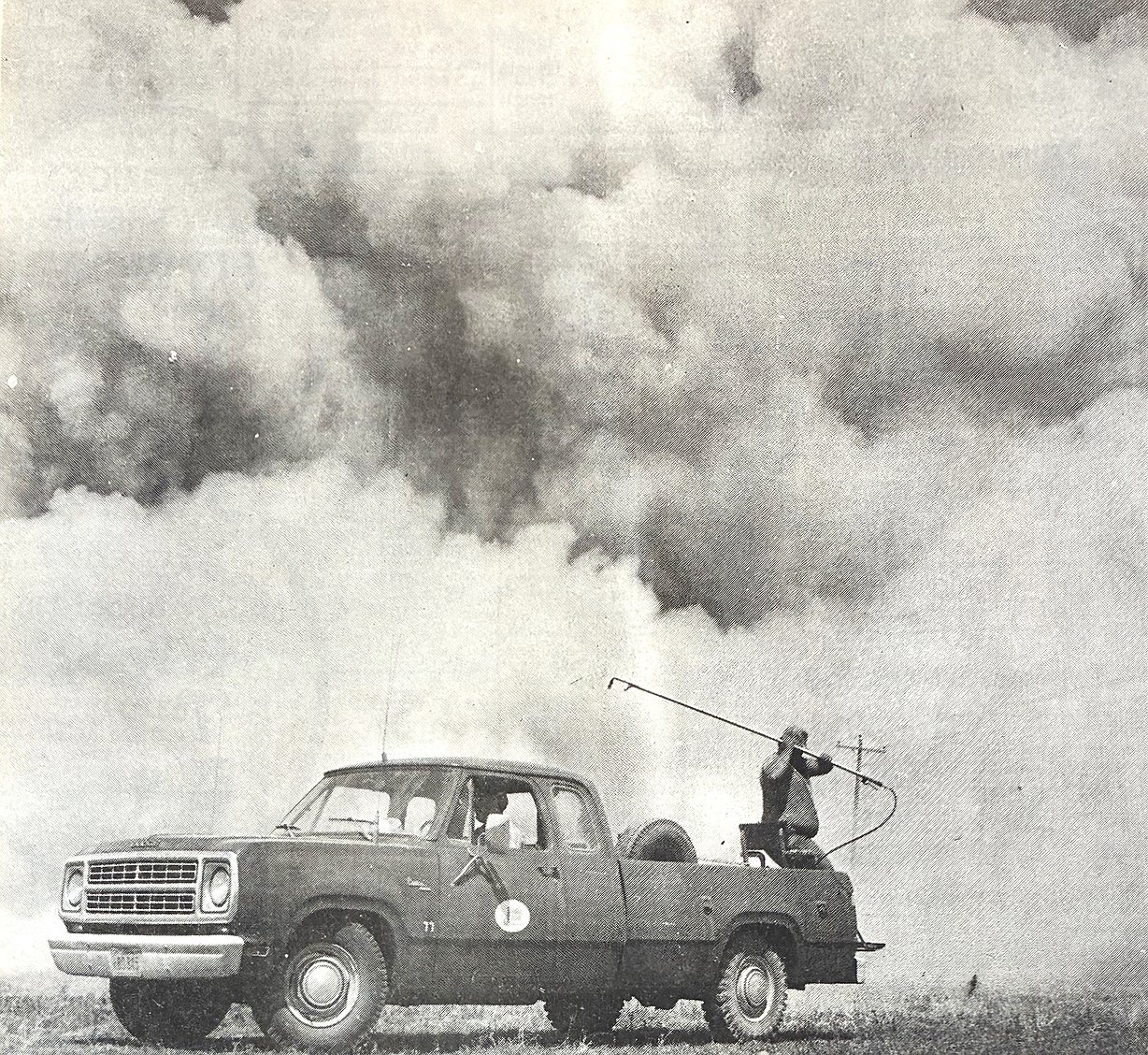 Jay Simpson of Jacklin Seed torches bluegrass fields in 1980.