

THE DIRT: EPA conducting waterfowl survey
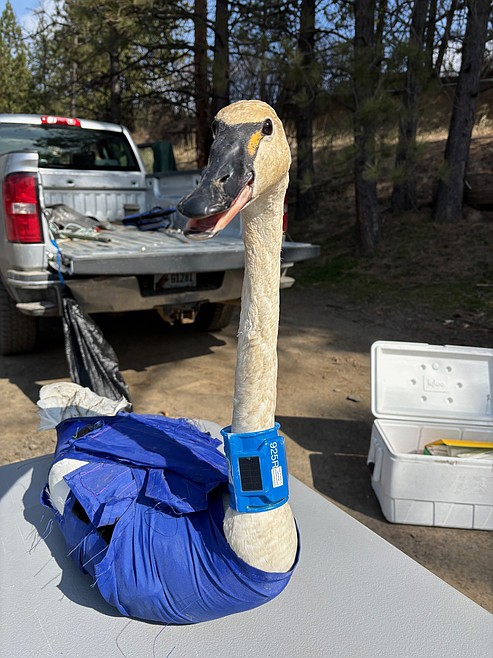
Courtesy image
The Environmental Protection Agency, in collaboration with wildlife management staff from state, federal and tribal organizations, is conducting a study to develop tools for monitoring waterfowl health and exposure to lead contamination in the Lower Coeur d’Alene River Basin. The team includes scientists from the U.S. Fish and Wildlife Service, the Coeur d’Alene Tribe, Idaho Fish and Game, the U.S. Geological Survey and EPA. The study aims to assess the effectiveness of remediation and restoration efforts by tracking changes with new biomonitoring tools.
Tundra swans migrating between California and Alaska stop in the Coeur d’Alene Basin each spring. While foraging in contaminated wetlands for food buried in the sediment, they incidentally ingest toxic levels of lead from the sediment. Wood ducks, a species that nests in the Basin, are also vulnerable to lead ingestion while foraging for insects and submerged plants. Lead exposure results from the ingestion of sediments contaminated by historic mine tailings that were once discharged directly into waterways by mining companies operating in the Silver Valley. This practice spread contaminants throughout the Lower Basin of the Coeur d’Alene River. Despite changes in mining practices, previously discharged toxic sediments remain accessible to waterfowl throughout most of their habitat.
Become a Subscriber!
You have read all of your free articles this month. Select a plan below to start your subscription today.
Already a subscriber? Login