FAST FIVE Sara Jane Ruggles cherishes your stories
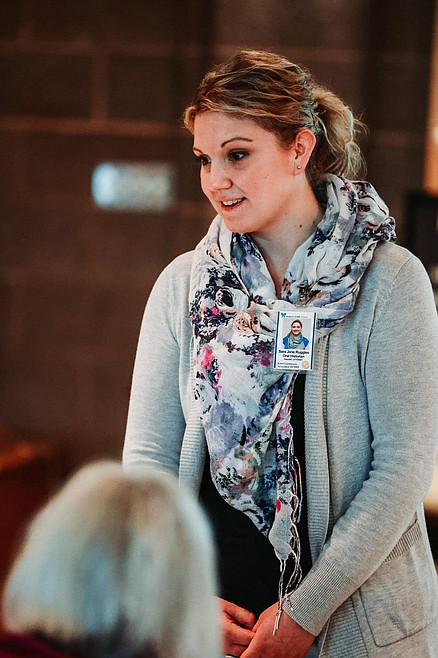
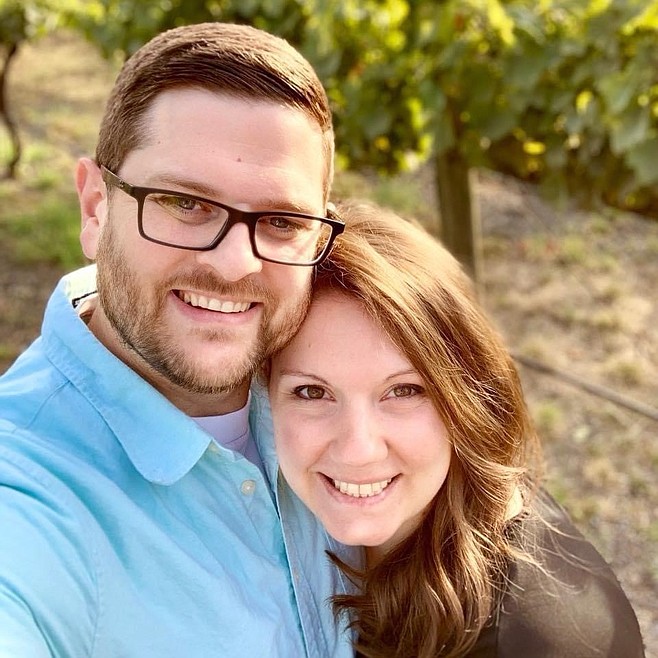
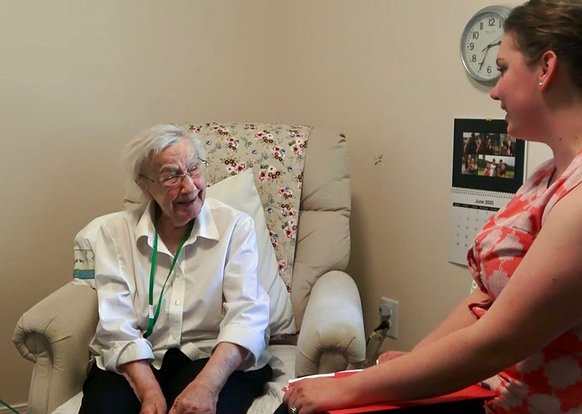
Meet Sara Jane Ruggles (Haight), public historian for Auburn Crest Hospice. She is proud to be the first public historian to work in hospice care in the United States. At Auburn Crest, she records the life stories of hospice patients and provides the recordings to their families as gifts for future generations.
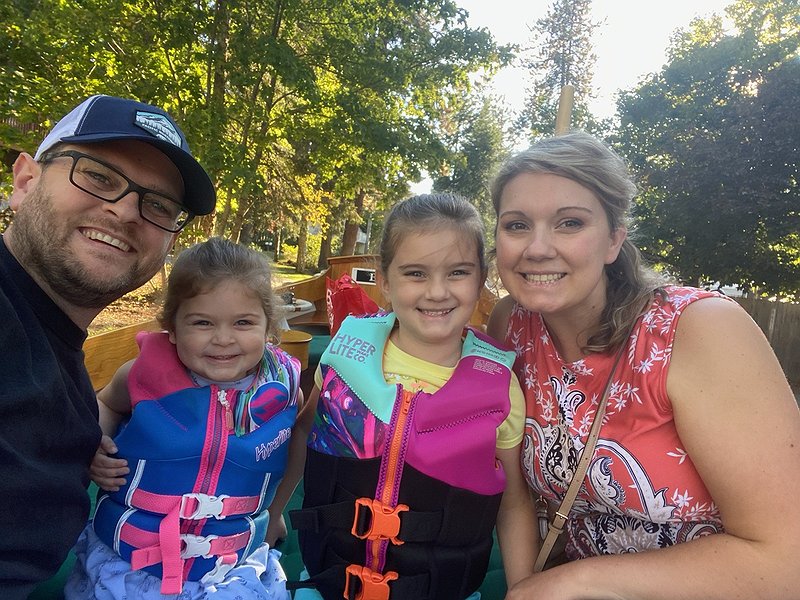
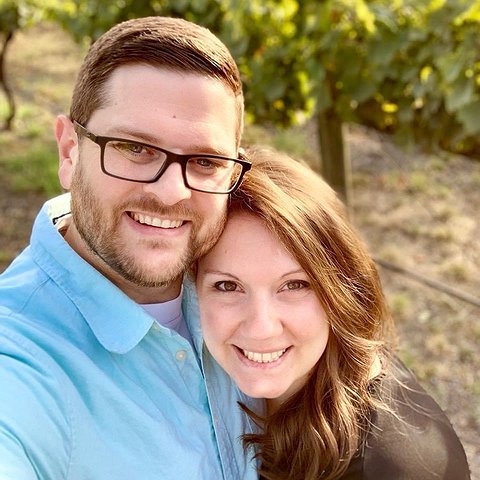
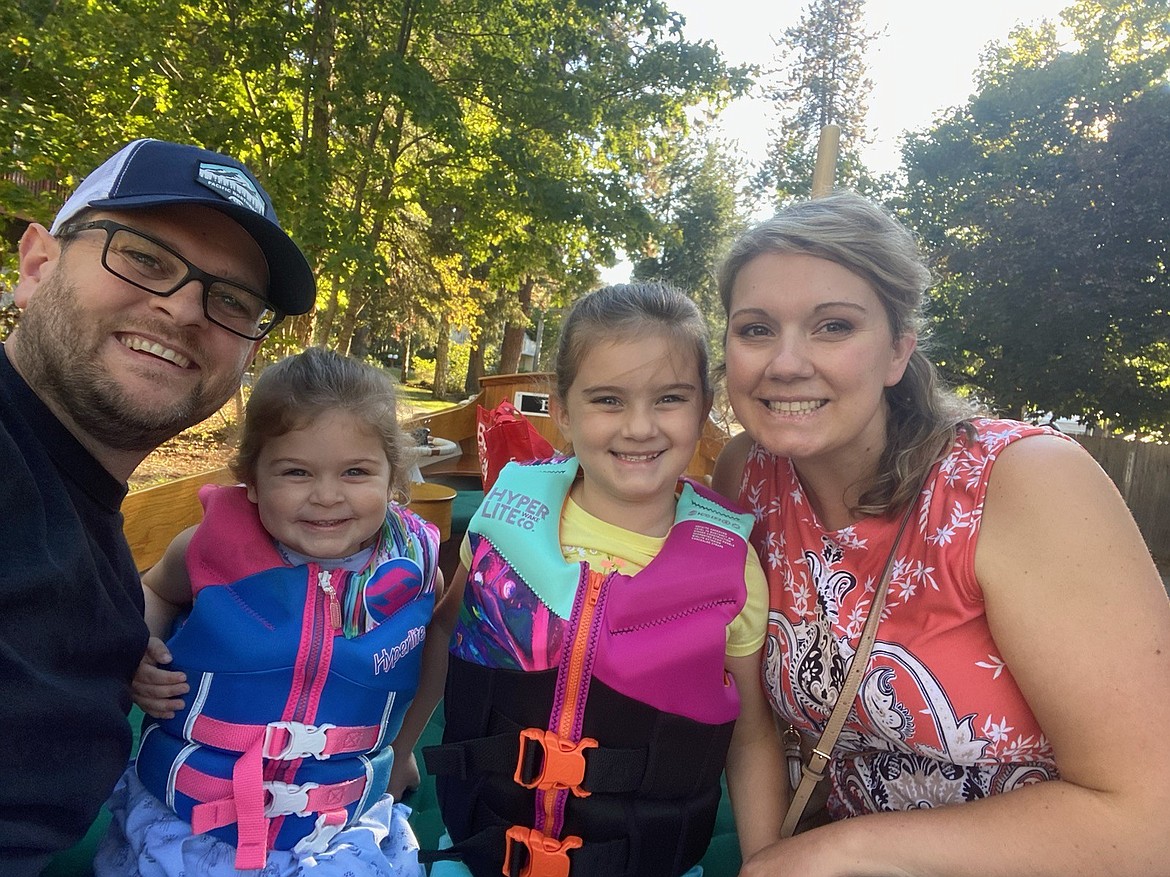
Sara Jane grew up in Coeur d’Alene after moving to North Idaho at 7 years old. She was born in Sacramento, Calif., and descends from 49ers and the pioneers of the San Joaquin Valley. She married her high school sweetheart in 2010 and studied history at Boise State University and the Universita Della Tuscia in Viterbo, Italy. She earned her master’s degree in public history from the University of Nebraska at Kearney in 2019. Her roots may be steeped in California history, but North Idaho will always be home. It’s the place where she and her husband, Justin, are happy to raise their two daughters.
1) Exactly what is a public historian and how did you become one?
A public historian is someone who studies history outside of academia. We are classically trained in historical methods and archival sciences, but we are the ones who go through the old photos and the trunks in the attic. By recording the stories of the public, we ensure they are not lost from memory and are not muted in the overarching historical narratives that are often written in academia. By archiving these stories in the U.S., I can provide the academic literary historians with a wealth of historical artifacts to use in their own research and publications, which results in history books that more accurately reflect the American story.
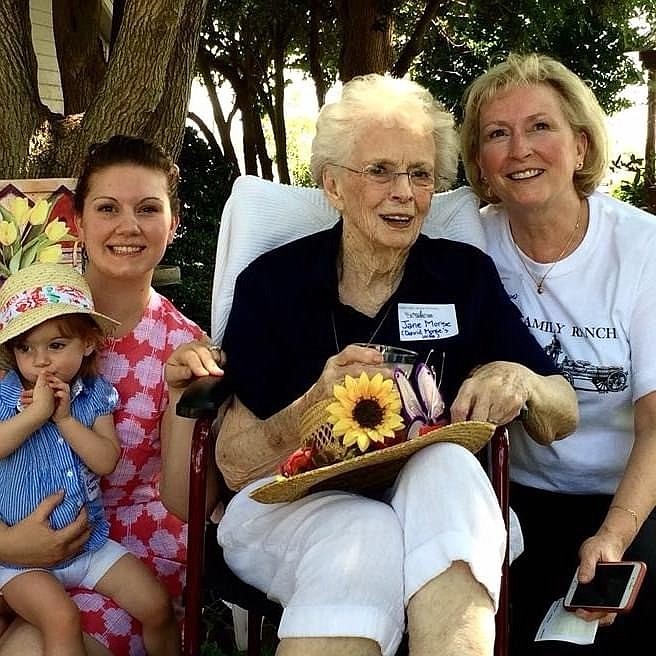
I grew up savoring the stories my grandparents would tell me about our brave ancestors who pioneered across the plains in search of bright futures out west. This sparked my love of history. In my undergrad, I followed my passion for ancient Roman history to Italy where I studied ruins and translated the Latin Bible. However, I was most impressed by the Italian people and the pride they took in knowing the stories of their small communities. I realized I could do that for my own community. That’s when I discovered the field of public history and UNK had one of the only public history master’s programs in the U.S. In January of 2020, Auburn Crest came to me requesting I design a program that would adapt public history into a health care setting in order to provide more holistic care for patients and families. And the rest is … well, history.
2) What are some of the best parts of your profession?
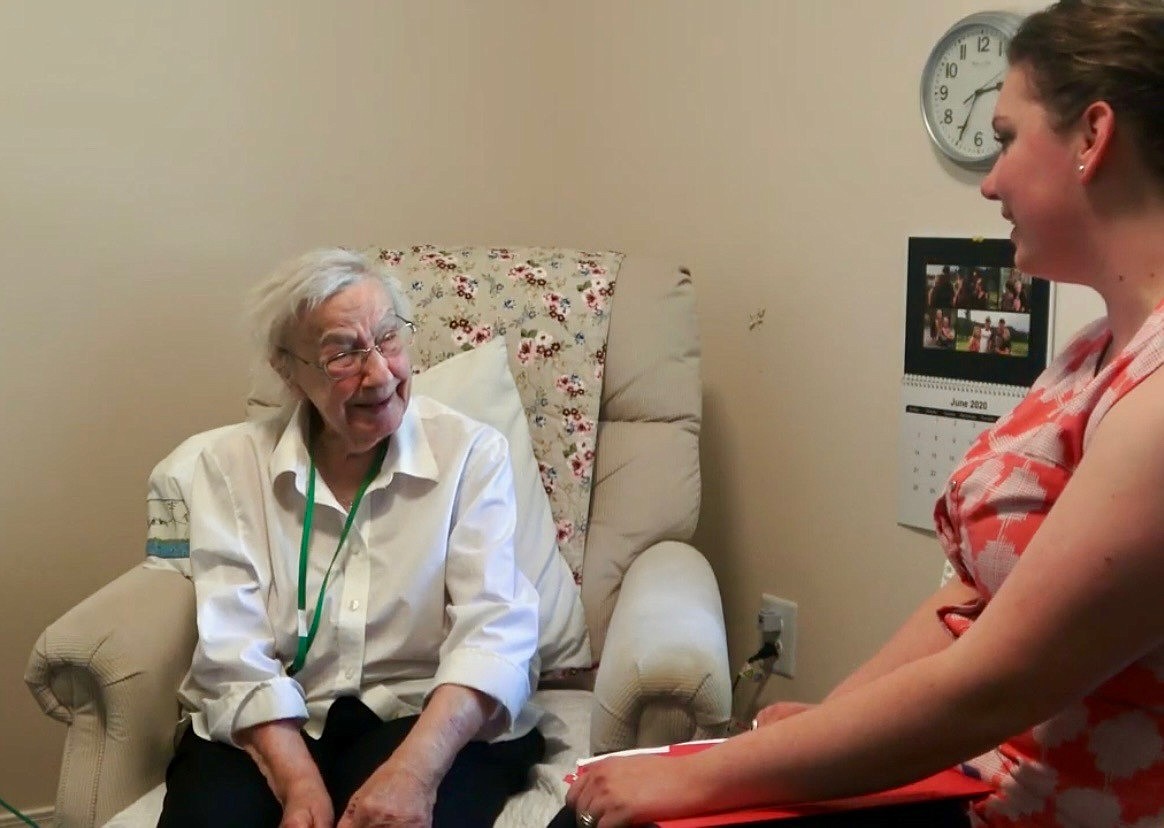
Public history allows me to combine my passion for history and my love of connecting with people in order to create something meaningful. When I work with patients, I get to see them come back to life through storytelling and for a moment, they don’t see themselves as hospice patients. Through the act of genuinely listening to patients, I witness them renewing a sense of identity and they realize they still have a purpose in this world: To teach the future generations. And while it is hard to part with each patient I bond with, knowing I have captured their voices, their laughs, a hint of their personalities and their own words of wisdom for their families gives me an indescribable sense of peace and pride.
3) Why does it matter that our stories are told and documented for our loved ones and our community?
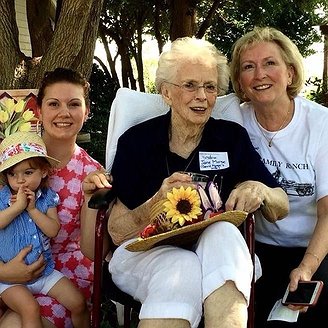
Other than capturing memories in order to write a well-rounded historical narrative of a community, personally, there is a deeper element. Just after I started with Auburn Crest, the son of a patient I worked with reached out to me months after he lost his beloved mother. He thanked me for giving him “an hour with mom” that he could watch any time. Over the last four years, I have worked with about 70 families, many of whom have shared similar sentiments with me. I have captured jokes from comical uncles, cooking secrets from grandmothers, D-Day war stories from grandfathers, smiles and giggles from pediatric patients, adorably “scandalous” memories of parents’ adventures the kids never knew about and special moments of appreciation between family members. That’s why it matters.
4) What is something people would be surprised to know about you?
I have always been enthralled by classic wooden boats. My dad instilled that in me from a young age as I watched him build his own Amesbury Skiff rowboat in our garage. He taught me to fish in that boat and we shared many summer mornings on the Coeur d’Alene River where he rowed and I worked the rudder. At 14 years old, I said, “Dad, I want to make a memory with you. I want to build my own boat.” We spent that winter building a 15-foot Gloucester Light Dory, name “Jumbo Junior,” and it won the Skipper’s Choice Award at the Inland Northwest Antique and Classic Boat Show in Coeur d’Alene the next year. Now I get to make memories with my own daughters on the water rowing together.
Oh, and I think "Casablanca" is the greatest movie ever made!
5) How can we be more proactive in preserving our family and local histories?
I could give a million different tips on the mechanics of conducting an oral history interview, preserving a story, archiving artifacts. But if I was going to reduce this complex set of variables down to their lowest terms, to quote a mathematical phrase, I would say that all we need to do is learn to listen to one another. Listening is one of the most meaningful actions one human can do that exhibits respect to another. It is crucial if one wants to truly learn from the wisdom of those who came before, especially to those who are in a constant medical setting such as hospice or assisted living.
When you are seen as only a “patient,” you are constantly interacting with people who “know better” and must follow everyone else’s directions. Eventually, you end up devaluing the knowledge you have spent a lifetime gaining because no one asks you about it or has the patience to listen. With modern technology, we tend to fact-check our elders before listening to their advice. The answers have been there all along and many of them are located right in our local senior centers and assisted living facilities. One senior community holds hundreds of years of knowledge, yet we do not value it. If we thought the loss of the ancient library in Alexandria was detrimental to the advancement of Western civilization, imagine how far we will set ourselves back if we continue to ignore the generations who have more life lessons to teach in one conversation than we can Google in one search.