'Lightning bust' to blame for recent North Idaho fires, but what does that mean?

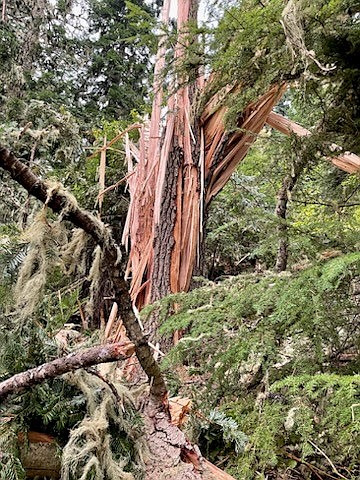
In the wildland firefighting world, a weather phenomenon called a “lightning bust” poses a unique threat to firefighting efforts. Lightning busts refer to when a large number of wildfires are simultaneously started as a result of a lightning storm. Typically, these storm cells will roll into an area in the form of dry lightning events, with little to no precipitation accompanying them. These lightning busts are of particular concern because they may start fires within the first day after the storm front, but there is a high likelihood that a fire will not produce noticeable smoke until a few days after the event — giving a fire ample opportunity to spread.
North-central Idaho's latest "lightning bust" event resulted in the Bluff Creek Complex and the Gwen Fire. When large incidents threaten values such as communities, properties and local economies, difficult decisions are made to prioritize which incidents receive certain types of resources. This often depends on where crews will be most effective at protecting values at risk within a geographical area. So, what does that look like when initial attack resources show up to one of these “lightning bust” caused fires?
Become a Subscriber!
You have read all of your free articles this month. Select a plan below to start your subscription today.
Already a subscriber? Login