ADVERTISING: Advertorial — New approach to the prevalence of back pain
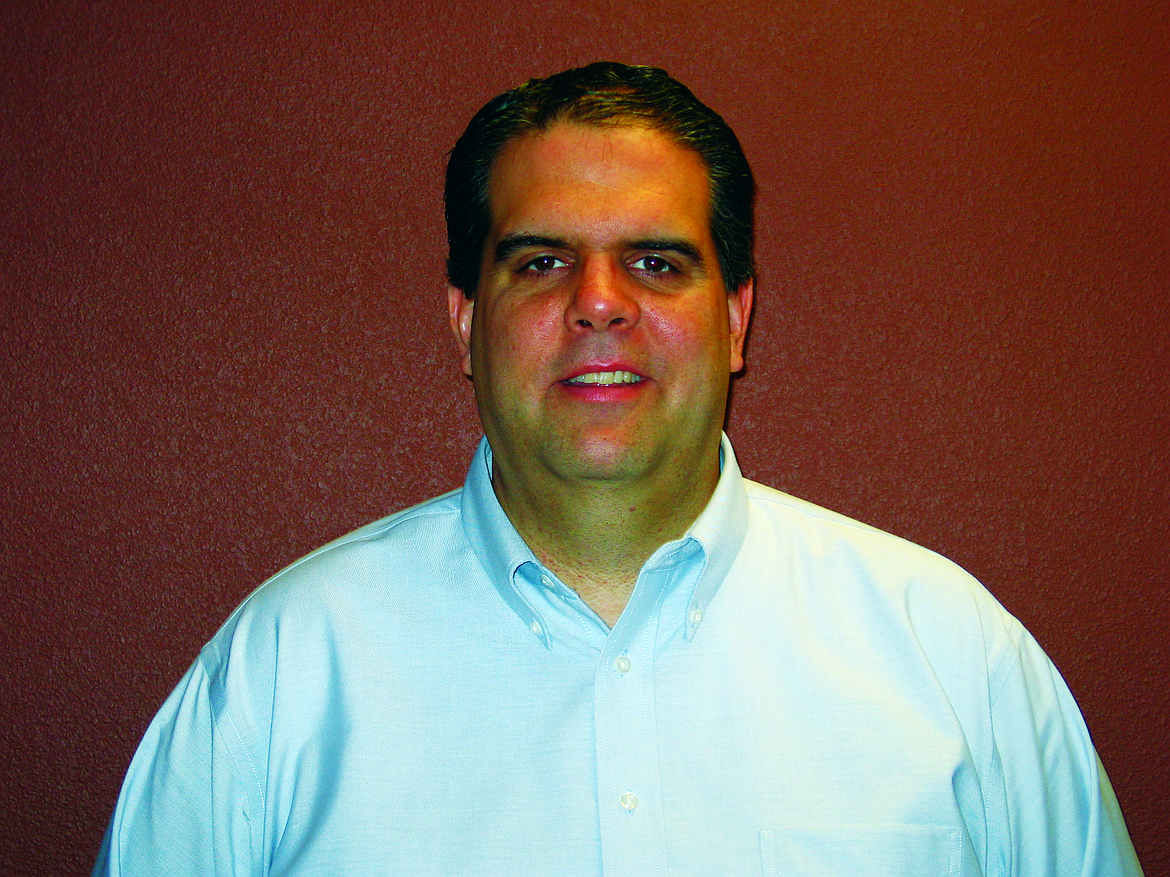
Dr. Wayne M. Fichter Jr.
If you are like most people, you have friends or family members that suffer with some form of back pain. The World Health Organization reports that low back pain is the number one cause of disability around the globe. Approximately one in five Americans suffer with some type of chronic pain according to the National Center for Complementary and Integrative Health. We are beginning to see that back pain is a very common medical condition, with 80% of adults experiencing it during their lifetime and back pain is the third most common reason for doctor visits. With such an increase in the number of adults having back pain, what is this costing the average family in medical expenses, lost wages, and much more. The most recent estimate is that $86 billion is spent annually on back pain alone in the U.S. and it is costing employers 186.7 million days of work lost per year that results in lost productivity, increased insurance and worker's compensation costs. The most common reason reported for missed work is back pain and the direct cost for missed days is estimated to be around $20 billion.
Back pain can affect your daily life, your family, your work, and everything in between. Now a days, many people are looking into non-surgical options due to the complications that often arise from surgery or injections. Spinal Decompression Therapy is a technique used to reduce pressure on compressed discs in the spine. Spinal discs are composed of a jelly-like substance called collagen, which can move when pressure is applied to them. When a disc becomes compressed, pressure on the disc can squeeze on the disc causing the “jelly” to bulge out in different directions, or herniate, which can cause pain by placing pressure upon the nerve root. This innovative treatment allows pain relief for affected areas with less complicating factors than traditional surgical options. Michael Haak, MD, a spine specialist and orthopedic surgeon at Northwestern University’s Feinberg School of Medicine, says, “You need to encourage [doctors and patients] to be aware of all the alternatives.” Take the time to read and research alternative methods.
Become a Subscriber!
You have read all of your free articles this month. Select a plan below to start your subscription today.
Already a subscriber? Login